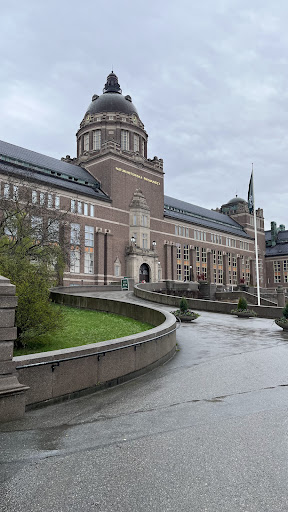
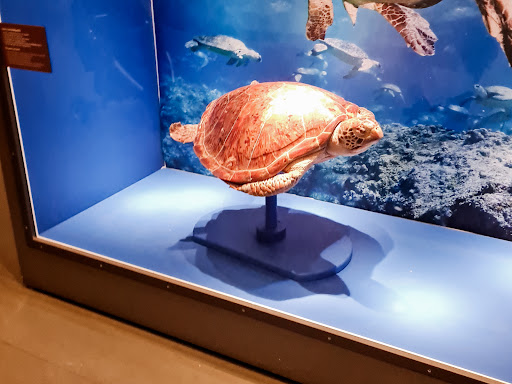
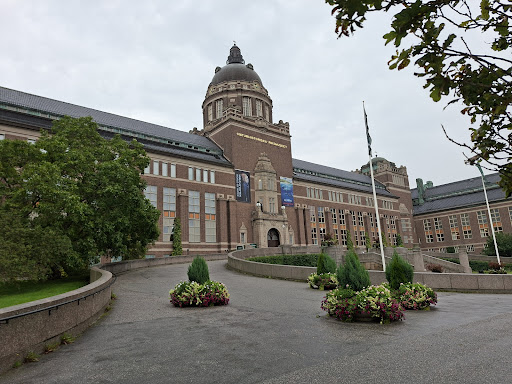
Museum of Natural History things to do, attractions, restaurants, events info and trip planning
Basic Info
Museum of Natural History
Frescativägen 40, 114 18 Stockholm, Sweden
4.5(3.7K)
Open until 12:00 AM


tickets
Save
spot
spot
Ratings & Description
Info
Cultural
Family friendly
Educational
attractions: Bergianska trädgården, Stockholm University, Accelerator | Stockholm University, Edvard Andersons greenhouse, Victoriahuset, The Japanese Pond, Ekhagen strandbad, Brunnsviken, restaurants: Old Orangery, Restaurang Professorn - Restaurang/Bar Universitetet, Sushi Garden, Bockholmen Hav & Restaurang, Kärleksbaren, local businesses: Cosmonova, Universitetet, Bockholmen
 Learn more insights from Wanderboat AI.
Phone
+46 8 519 540 00
Website
nrm.se
Open hoursSee all hours
MonClosedOpen
Plan your stay

Pet-friendly Hotels in Stockholm
Find a cozy hotel nearby and make it a full experience.

Affordable Hotels in Stockholm
Find a cozy hotel nearby and make it a full experience.

The Coolest Hotels You Haven't Heard Of (Yet)
Find a cozy hotel nearby and make it a full experience.

Trending Stays Worth the Hype in Stockholm
Find a cozy hotel nearby and make it a full experience.
Reviews
Live events

Paradox Museum Stockholm - Official Tickets
Tue, Feb 24 • 9:00 AM
Sergelgatan 20, Stockholm, 111 57
View details
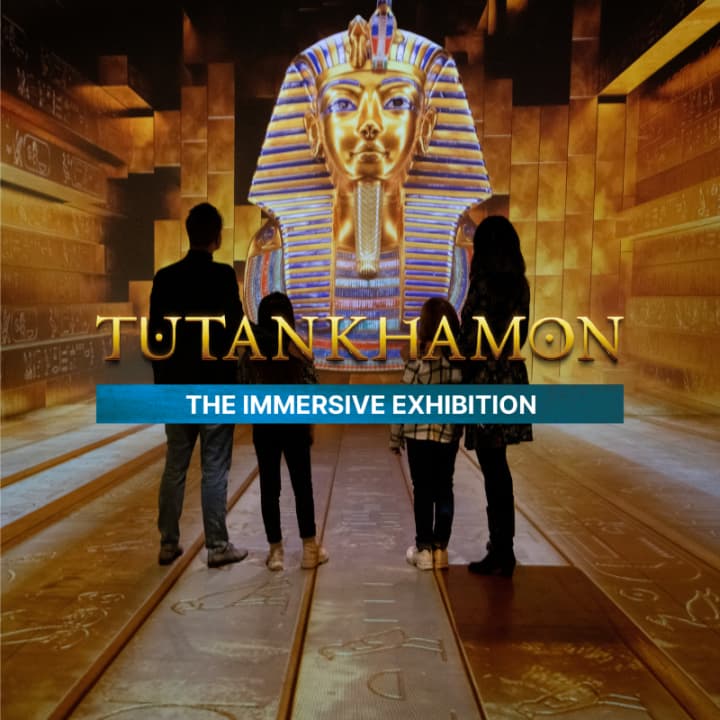
Tutankhamun: The Immersive Exhibition
Tue, Feb 24 • 10:00 AM
Frihamnsgatan 66, Stockholm, 115 56
View details

Eonarium Genesis: An Immersive Light Show
Wed, Feb 25 • 5:45 PM
Kyrkslingan 2-4, 111 49 Stockholm, Sweden, 111 49
View details
Nearby attractions of Museum of Natural History
Bergianska trädgården
Stockholm University
Accelerator | Stockholm University
Edvard Andersons greenhouse
Victoriahuset
The Japanese Pond
Ekhagen strandbad
Brunnsviken
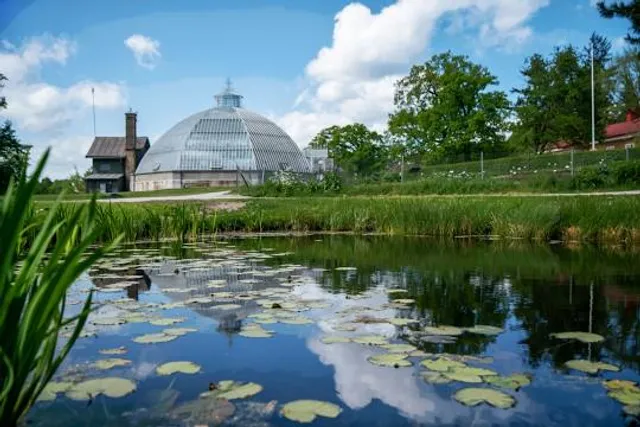
Bergianska trädgården
4.6
(1.4K)
Open until 12:00 AM
Click for details
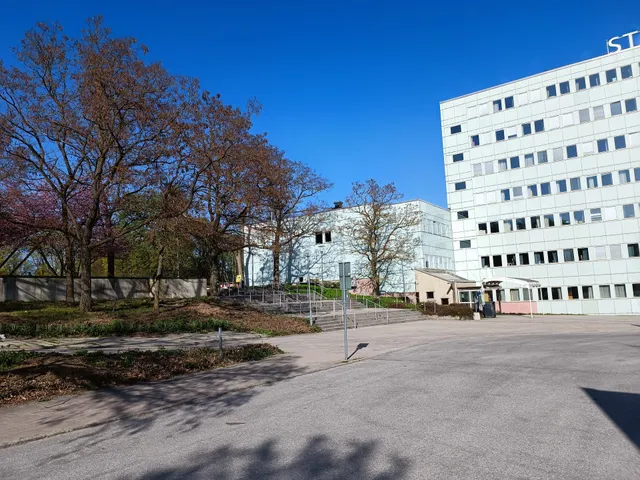
Stockholm University
4.3
(232)
Open until 12:00 AM
Click for details
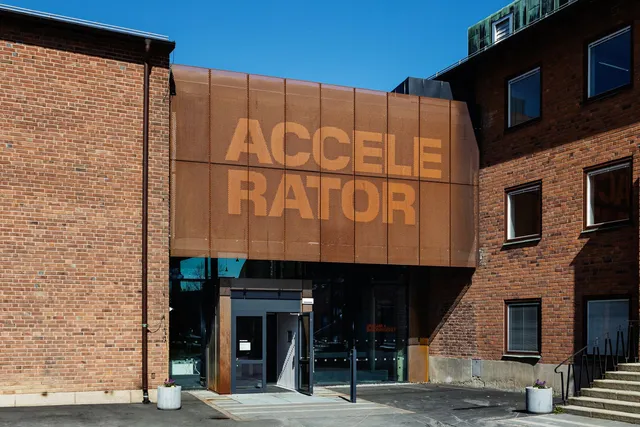
Accelerator | Stockholm University
4.4
(49)
Open until 12:00 AM
Click for details
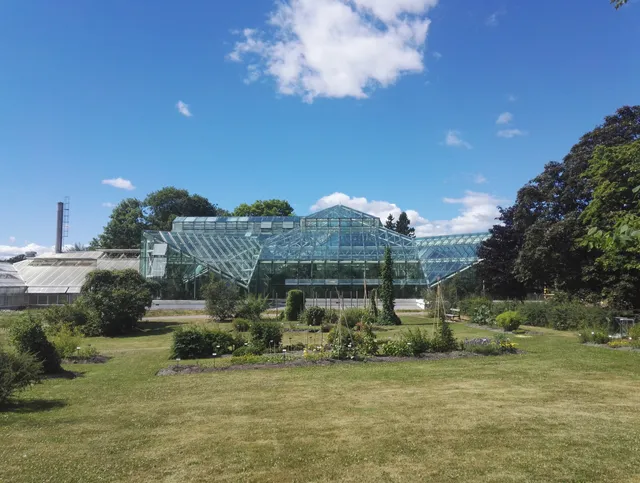
Edvard Andersons greenhouse
4.6
(135)
Open until 12:00 AM
Click for details
Nearby restaurants of Museum of Natural History
Old Orangery
Restaurang Professorn - Restaurang/Bar Universitetet
Sushi Garden
Bockholmen Hav & Restaurang
Kärleksbaren
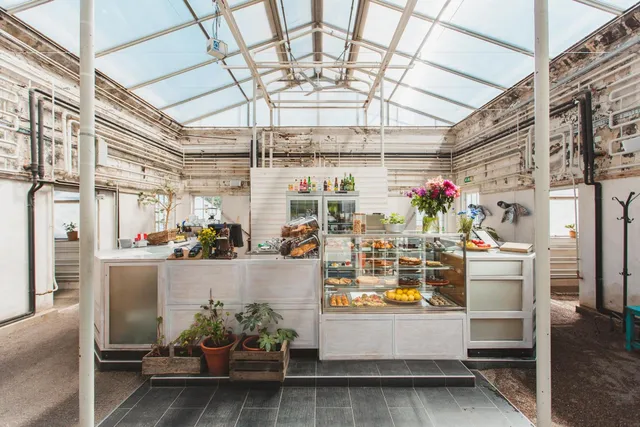
Old Orangery
4.3
(502)
Closed
Click for details
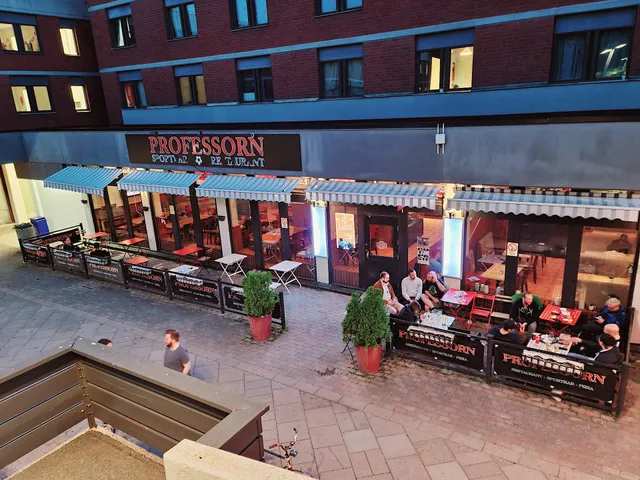
Restaurang Professorn - Restaurang/Bar Universitetet
4.3
(267)
Open until 10:30 PM
Click for details
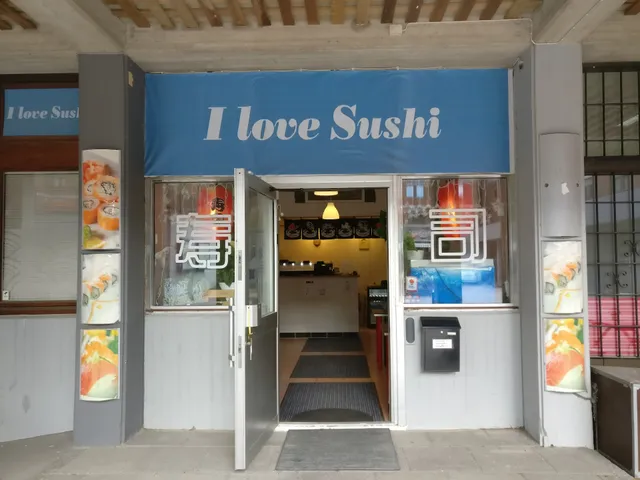
Sushi Garden
4.2
(49)
Open until 9:30 PM
Click for details
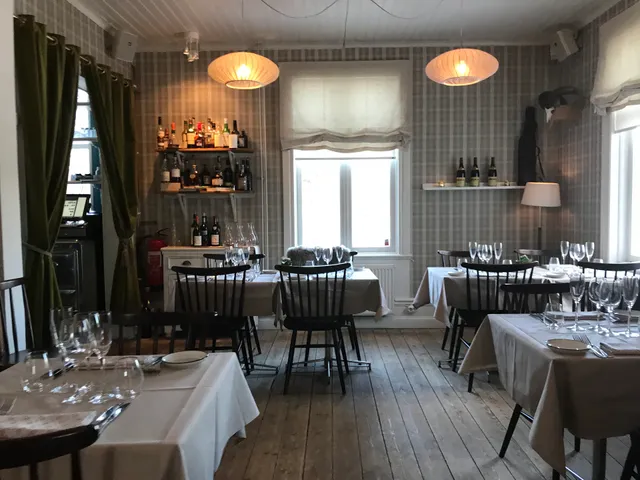
Bockholmen Hav & Restaurang
4.1
(621)
$$$
Open until 12:00 AM
Click for details
Nearby local services of Museum of Natural History
Cosmonova
Universitetet
Bockholmen
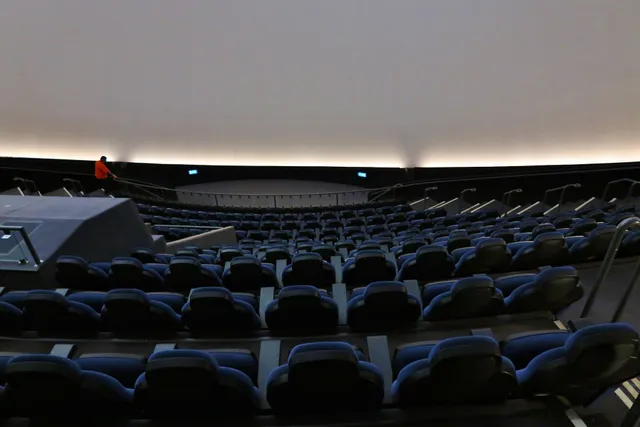
Cosmonova
3.9
(32)
Click for details
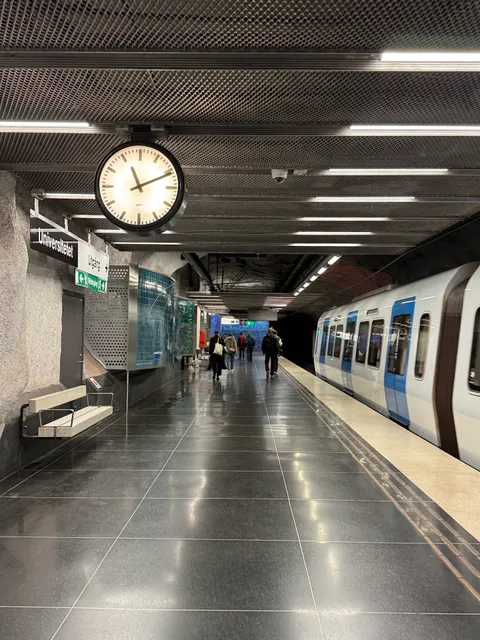
Universitetet
4.3
(51)
Click for details
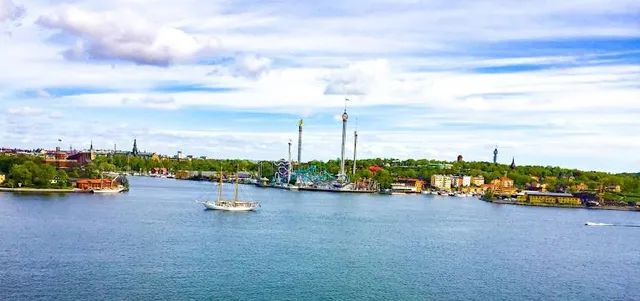
Bockholmen
3.8
(31)
Click for details