Musée international d'horlogerie things to do, attractions, restaurants, events info and trip planning
Basic Info
Musée international d'horlogerie
Rue des Musées 29, 2300 La Chaux-de-Fonds, Switzerland
4.6(296)
Open 24 hours

tickets
Save
spot
spot
Ratings & Description
Info
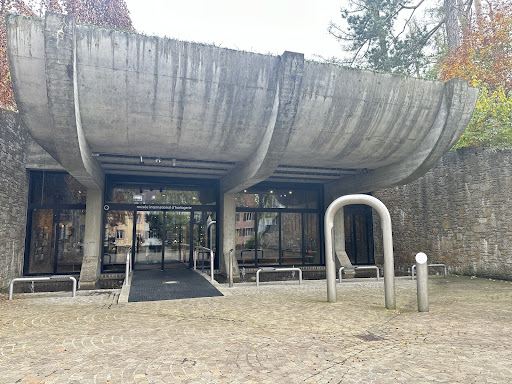
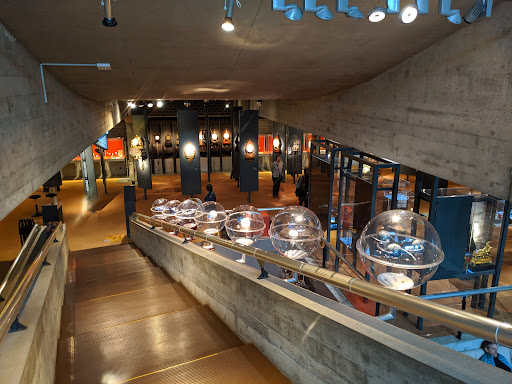
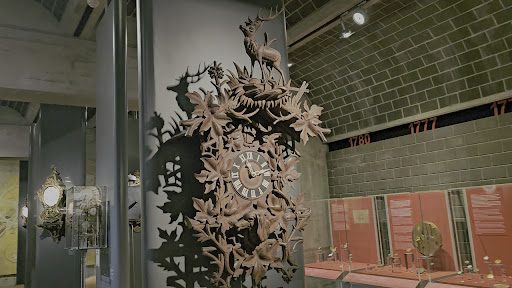
The International Museum of Horology, French: Musée international d'horlogerie, is a horological museum in La Chaux-de-Fonds, Switzerland. It is owned and operated by the city of La Chaux-de-Fonds.
Cultural
Entertainment
"family friendly"
"accessibility"
attractions: Musée des beaux-arts de La Chaux-de-Fonds, La Grande Fontaine, Zoo du Bois du Petit-Château, Parc des Crêtets, Musée des civilisations de l'Islam (Mucivi), restaurants: UNION RESTAURANT DU THEATRE, Brasserie de la Fontaine, Hotel de ville, Restaurant Panda Express, Le Panetier, Restaurant Elite Pizzeria Grill, Luciole Restaurant, Amor Perfecto Café, Italpanini, Emilio Munastra, Trattoria Toscana, local businesses: hair artists Leopold - Coiffeur La Chaux-de-Fonds, Minerva tea-room, Dolce Vita Coiffure, Centre de Culture ABC, Cosmo Table & Bar, Pizza Plus
 Learn more insights from Wanderboat AI.
Phone
+41 32 967 68 61
Website
mih.ch
Plan your stay

Pet-friendly Hotels in La Chaux-de-Fonds
Find a cozy hotel nearby and make it a full experience.

Affordable Hotels in La Chaux-de-Fonds
Find a cozy hotel nearby and make it a full experience.

The Coolest Hotels You Haven't Heard Of (Yet)
Find a cozy hotel nearby and make it a full experience.

Trending Stays Worth the Hype in La Chaux-de-Fonds
Find a cozy hotel nearby and make it a full experience.
Reviews
Live events
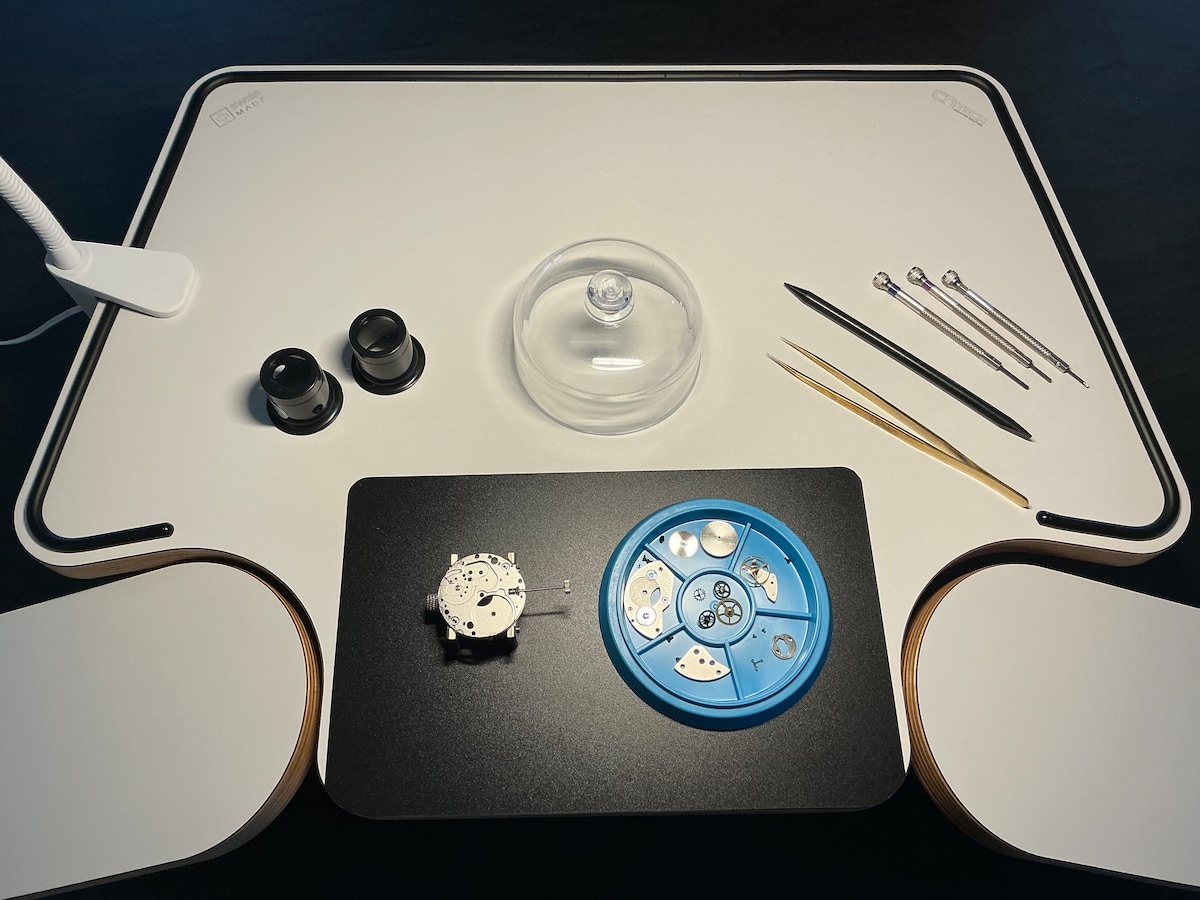
Introduction to watchmaking in French/English
Tue, Feb 24 • 9:00 AM
2350, Saignelégier, Switzerland
View details

Atelier Massage / 2 ans - 3 ans
Sat, Feb 28 • 3:00 PM
74 Route des Falaises 2000 Neuchâtel
View details
Nearby attractions of Musée international d'horlogerie
Musée des beaux-arts de La Chaux-de-Fonds
La Grande Fontaine
Zoo du Bois du Petit-Château
Parc des Crêtets
Musée des civilisations de l'Islam (Mucivi)
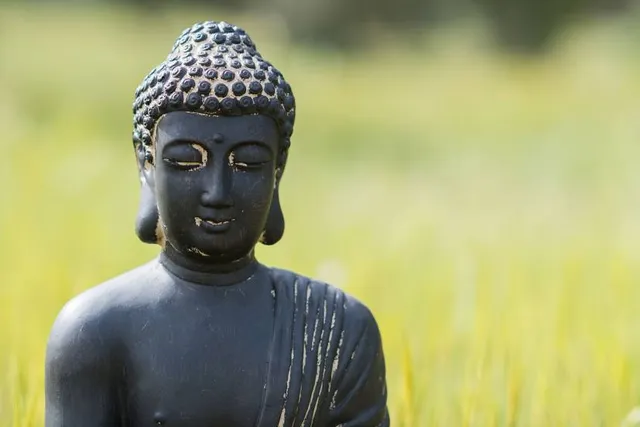
Musée des beaux-arts de La Chaux-de-Fonds
4.5
(76)
Open until 12:00 AM
Click for details
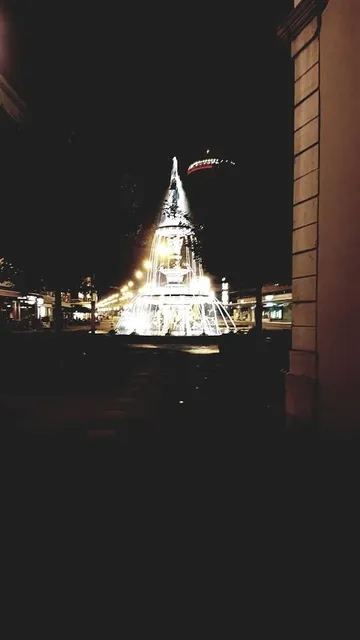
La Grande Fontaine
4.5
(24)
Open until 12:00 AM
Click for details
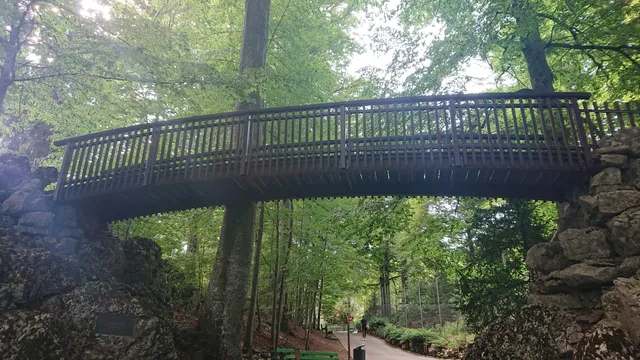
Zoo du Bois du Petit-Château
4.5
(1.4K)
Open until 12:00 AM
Click for details
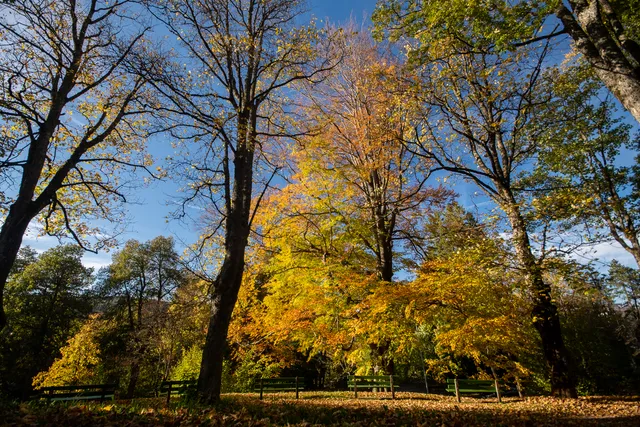
Parc des Crêtets
4.6
(17)
Open until 12:00 AM
Click for details
Nearby restaurants of Musée international d'horlogerie
UNION RESTAURANT DU THEATRE
Brasserie de la Fontaine
Hotel de ville
Restaurant Panda Express
Le Panetier
Restaurant Elite Pizzeria Grill
Luciole Restaurant
Amor Perfecto Café
Italpanini, Emilio Munastra
Trattoria Toscana
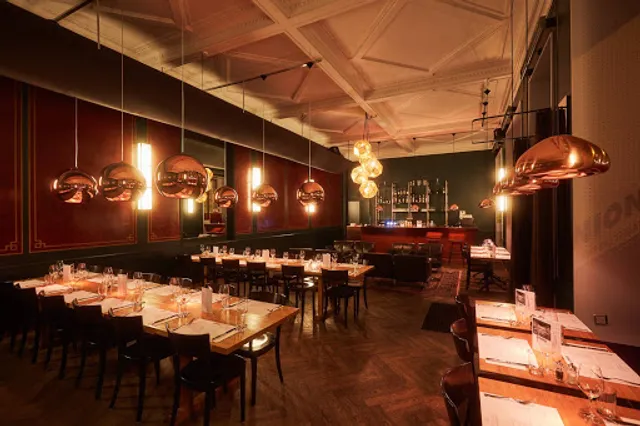
UNION RESTAURANT DU THEATRE
4.6
(166)
Open until 12:00 AM
Click for details
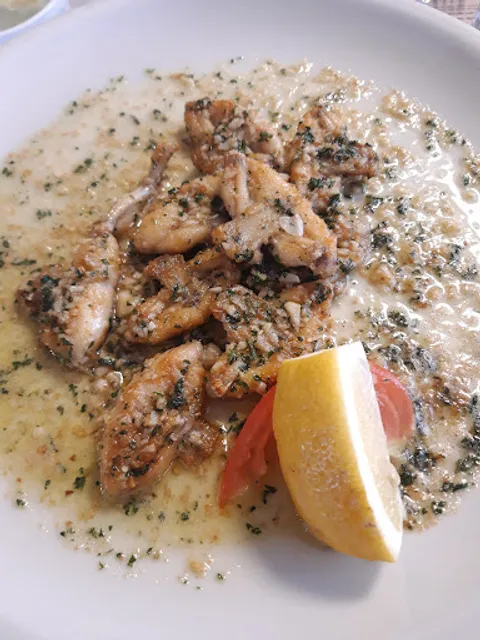
Brasserie de la Fontaine
4.1
(231)
Open until 11:00 PM
Click for details
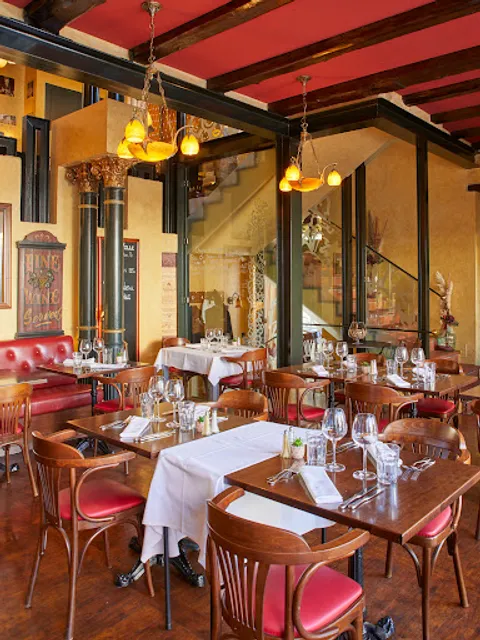
Hotel de ville
4.8
(1.3K)
Open until 12:00 AM
Click for details
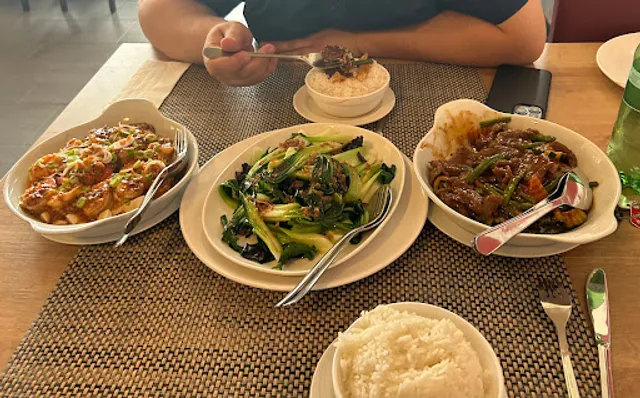
Restaurant Panda Express
4.3
(141)
Closed
Click for details
Nearby local services of Musée international d'horlogerie
hair artists Leopold - Coiffeur La Chaux-de-Fonds
Minerva tea-room
Dolce Vita Coiffure
Centre de Culture ABC
Cosmo Table & Bar
Pizza Plus
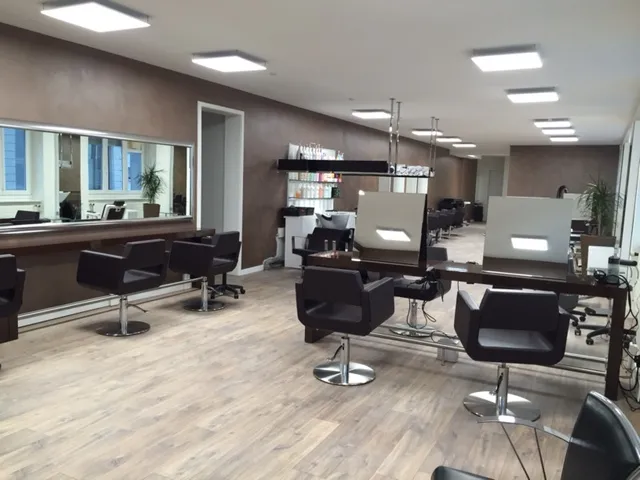
hair artists Leopold - Coiffeur La Chaux-de-Fonds
4.6
(29)
Click for details
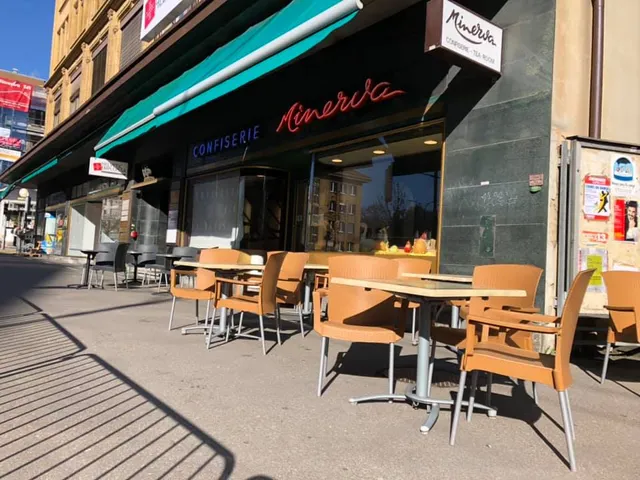
Minerva tea-room
4.3
(118)
Click for details
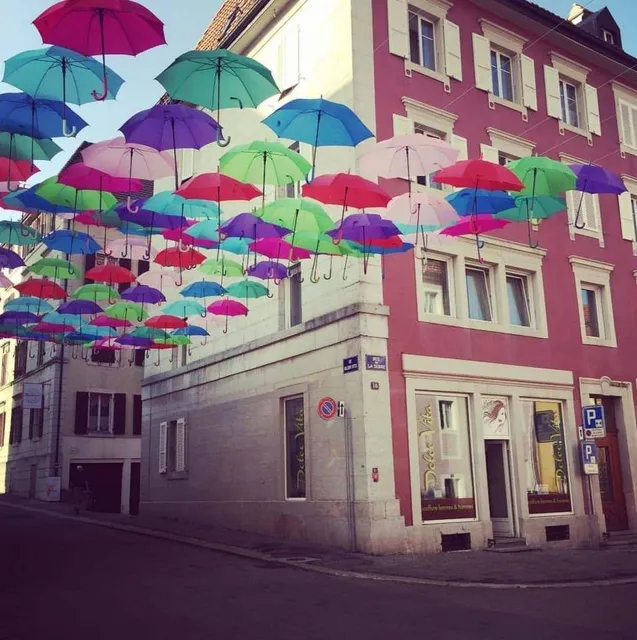
Dolce Vita Coiffure
4.8
(24)
Click for details
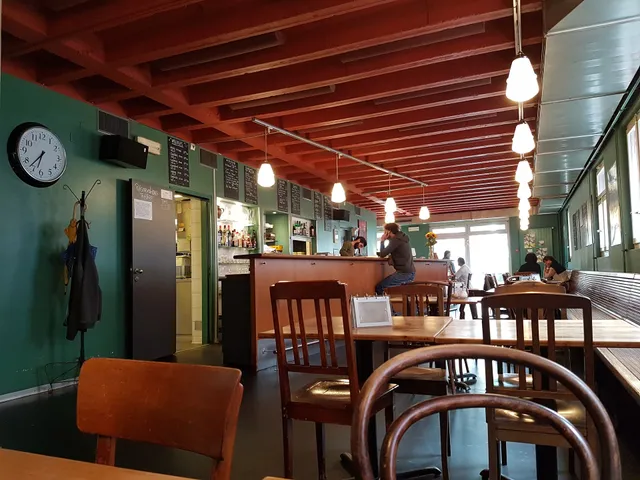
Centre de Culture ABC
4.4
(129)
Click for details