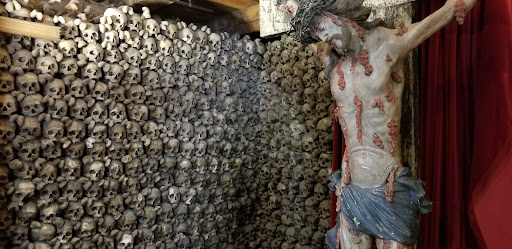
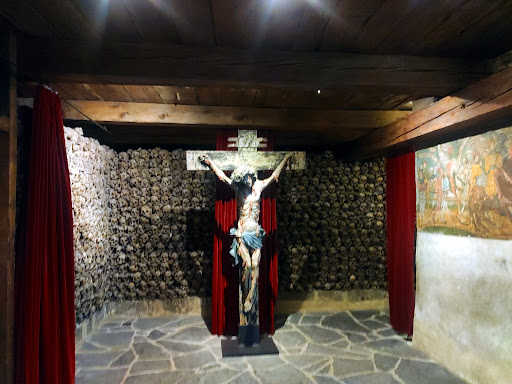
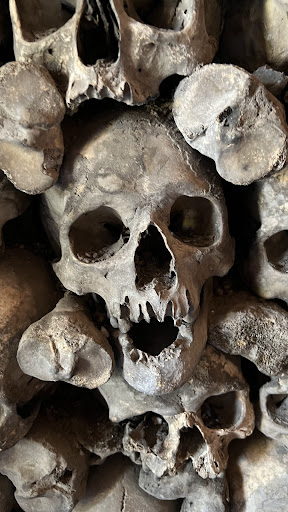
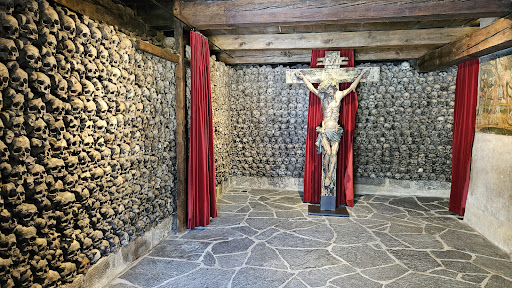
Beinhaus / Ossuary Leuk things to do, attractions, restaurants, events info and trip planning
Basic Info
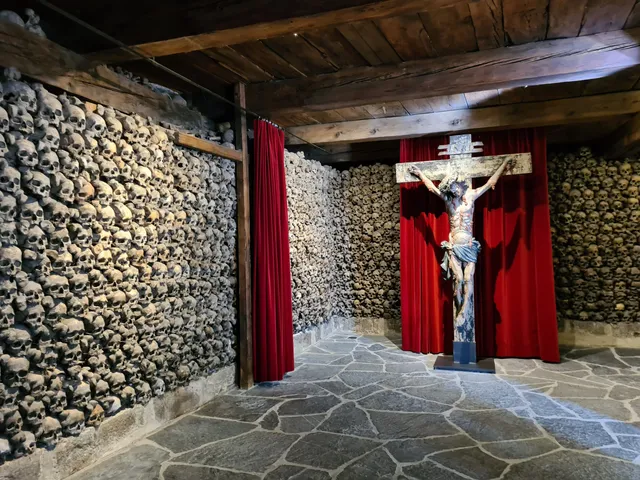
Beinhaus / Ossuary Leuk
Friedhofstrasse 21, 3953 Leuk, Switzerland
4.7(44)
Closed
Save
spot
spot
Ratings & Description
Info
Cultural
attractions: , restaurants: Restaurant Pension Krone, Burg Leuk, Zur Burg, Bäckerei Cafè Restaurant Mathieu, Charisma Wallis Pizza und Kebap Susten, local businesses:
 Learn more insights from Wanderboat AI.
Website
myswitzerland.com
Open hoursSee all hours
Fri9 AM - 6 PMClosed
Plan your stay

Pet-friendly Hotels in Leuk
Find a cozy hotel nearby and make it a full experience.

Affordable Hotels in Leuk
Find a cozy hotel nearby and make it a full experience.

The Coolest Hotels You Haven't Heard Of (Yet)
Find a cozy hotel nearby and make it a full experience.

Trending Stays Worth the Hype in Leuk
Find a cozy hotel nearby and make it a full experience.
Reviews
Live events
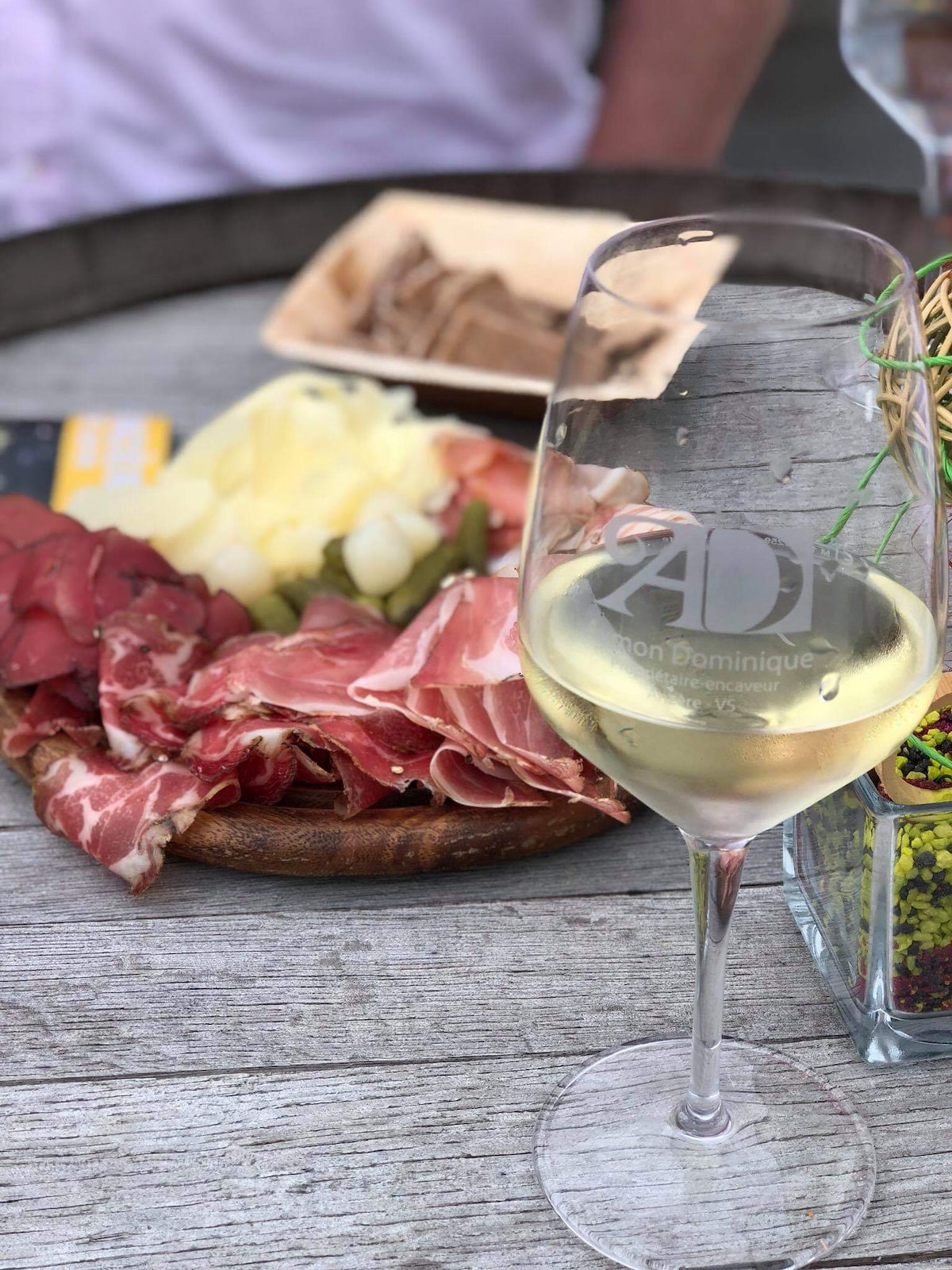
Taste local food and wine from Valais
Thu, Feb 19 • 5:00 PM
1972, Ayent, Switzerland
View details

Moon & Carve 2026
Sat, Feb 14 • 8:30 AM
Höchst 3725 Frutigen
View details
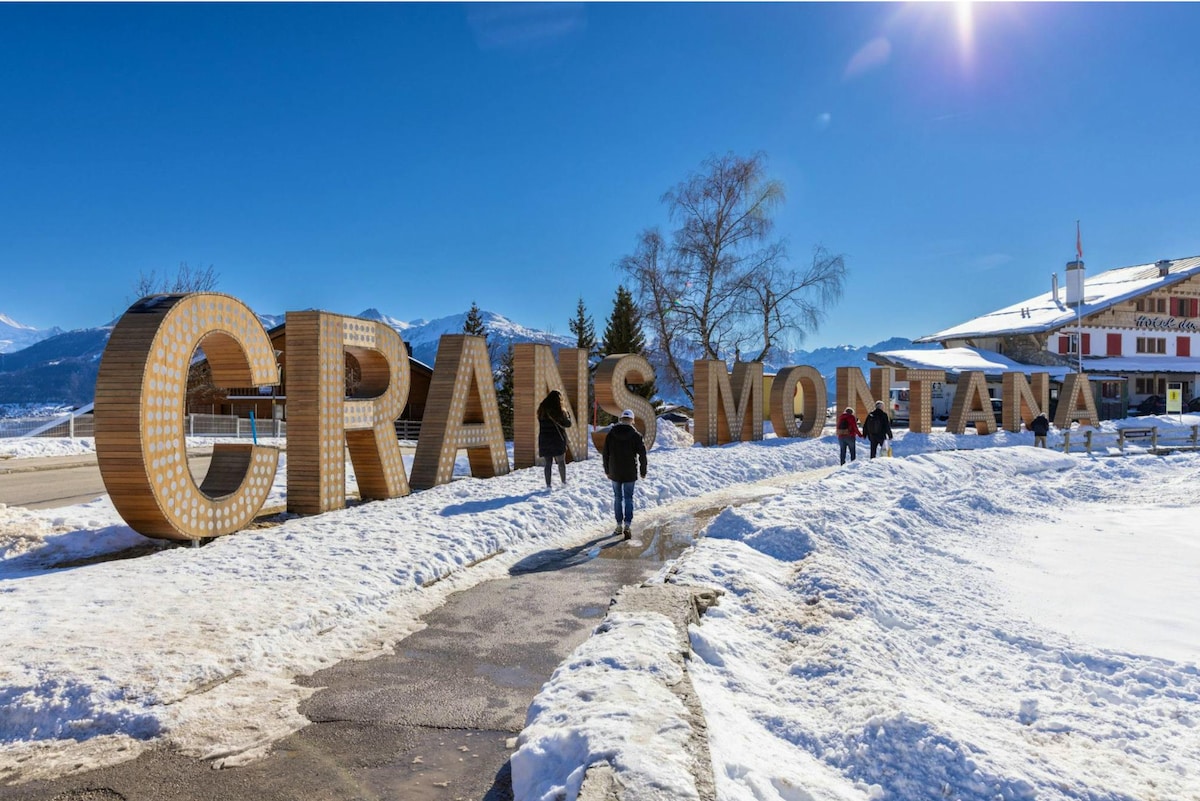
Snowshoeing & fondue in Crans-Montana
Sun, Feb 15 • 9:00 AM
3963, Lens, Switzerland
View details
Nearby restaurants of Beinhaus / Ossuary Leuk
Restaurant Pension Krone
Burg Leuk
Zur Burg
Bäckerei Cafè Restaurant Mathieu
Charisma Wallis Pizza und Kebap Susten
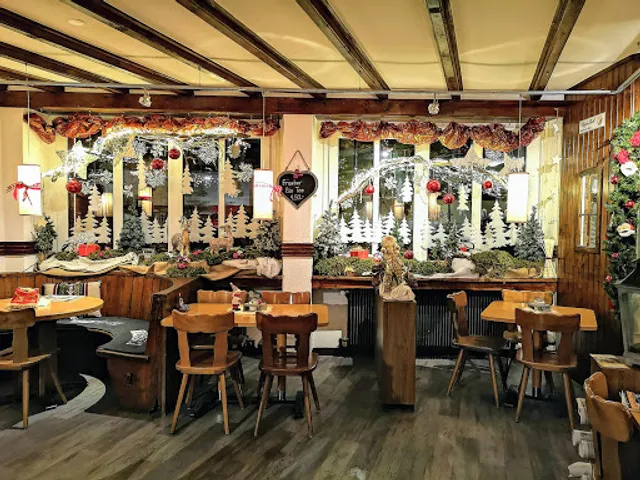
Restaurant Pension Krone
4.5
(69)
$$
Open until 12:00 AM
Click for details
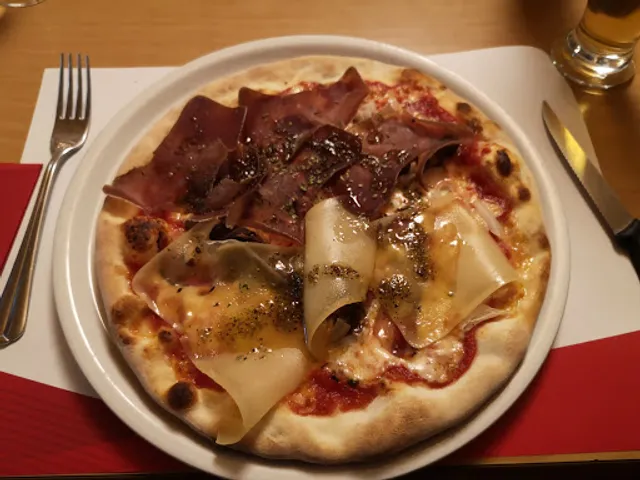
Burg Leuk
4.7
(62)
Closed
Click for details
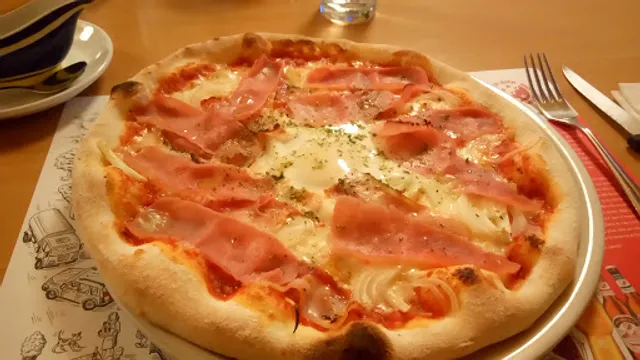
Zur Burg
4.8
(19)
Closed
Click for details
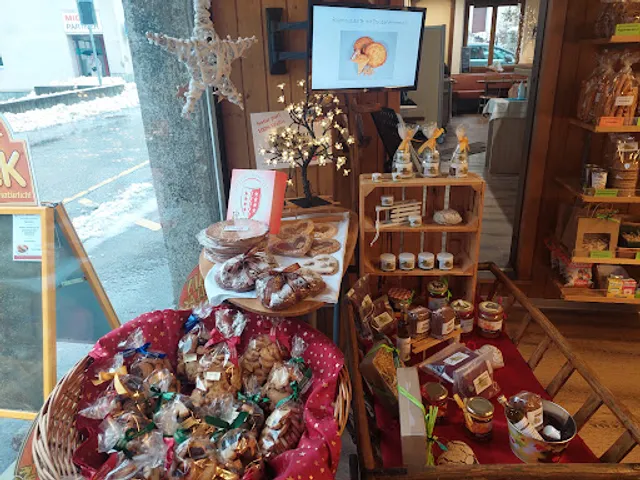
Bäckerei Cafè Restaurant Mathieu
4.4
(178)
Closed
Click for details