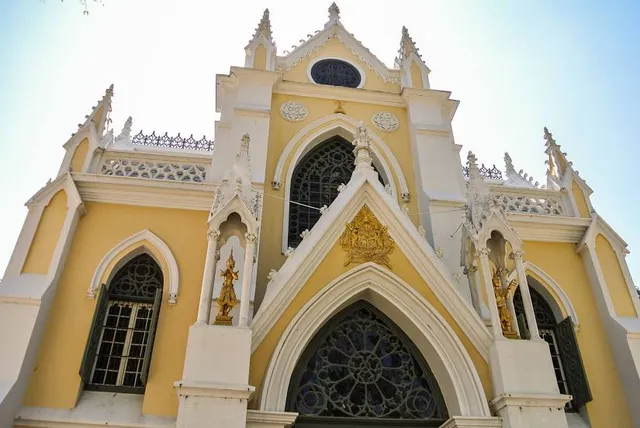
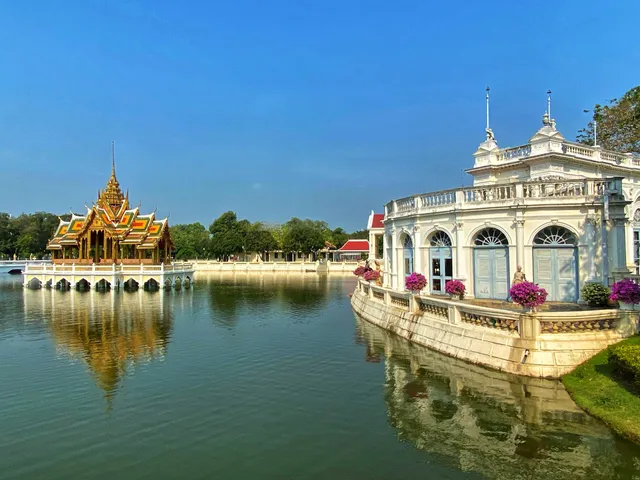
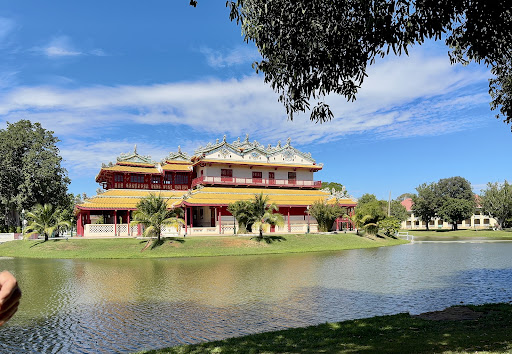
Bang Pa-In Royal Palace also known as the Summer Palace, is a palace complex formerly used by the Thai Kings. A few miles down the Chao Phraya River from Ayutthaya is the Bang Pa-In Summer Palace. The site was first used by the royal court as summer retreat in the 17th century. However, the Palace was destroyed with the fall of Kingdom of Ayutthaya and was restored by King Rama IV in the mid-19th century. Most of the buildings that exist today date from the reign of King Rama V, who regularly spent his summers there. The structures represent a variety of architectural styles, set in a large park around ponds and waterways.
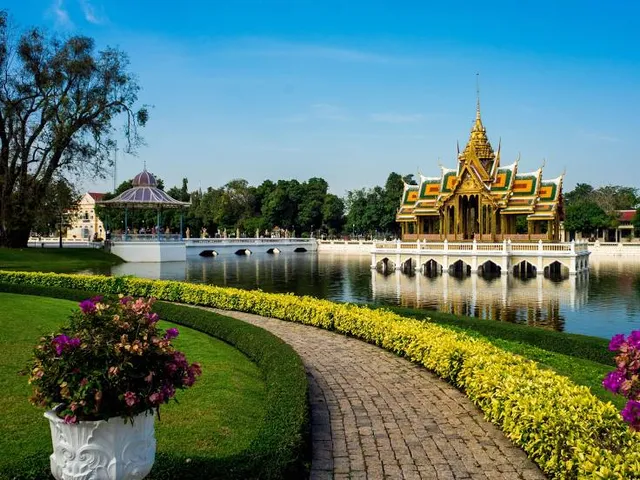
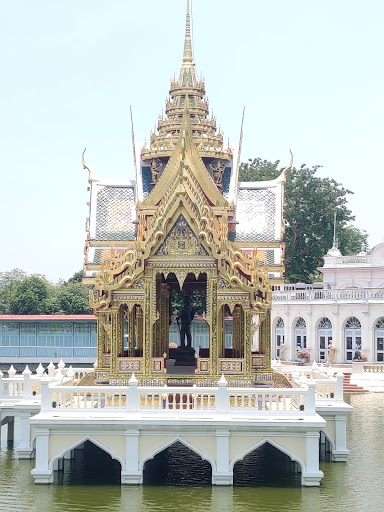
Bang Pa-In Palace is ancient palace back to Ayutthaya era. This palace was built by King Prasart Thong and then it was rebuilt by King Mongkut after it's abandoned for long time. The palace is divide into 2 zone one is inner zone that for royal family to use as a resting place the other zone is outer zone that open for normal people and tourist. According to Bang Pa-in Travel Guide there are a lot of place tourist can pay a visit in this palace. Hem Montein Tewa Raja Tower (King Prasart Thong Shrine). This was built in Khmer style by King Mongkut in addition to honor King Prasart Thong the one who first built this palace. Aisawan Thiphya-Asana Royal Pavilion. This royal pavilion was built by King Mongkut at the middle of palace's basin. It is a copy of Arporn Phimok Prasart royal pavilion in Bangkok and named follow by the first royal pavilion that build by King Prasart Thong in the past. Vropas Phimarn Palace. This palace is a Greek Corinthian Order style palace. It was built for royal ceremony or welcome the royal guest. Aside from any ceremony this palace also a storage of ancient weapon, carve statue and another tribute that gift to royal family. Saphakan Ratchaprayun. This the assembly hall build at opposite of Vropas Phimarn Palace in order for royal family followers to use it as an accommodation. Tewa Raja Kunlai Gate. This a gate on top of the bridge that connect Bang Pa-In Palace inner and outer zone together. Uthayarn Phum Satein Palace. This is the wood palace build in Swiss Chalet style. All around the palace decorate by a highly rare and valuable assets that tribute from across the country. Sadly the palace was accidently burned in 1938 and the hold palace and its asset ware turned to ashes. After accident King Bhumibol Adulyadej rebuilt this palace as a concrete palace. Vehas Jumrune Palace. This palace is a Chinese style palace and it use as a winter palace. The palace was built by local millionaire name Lord Shoduk and his nickname is Fuk. He built this palace in order to offering it to King Chulalongkorn. The palace has a name in Chinese language it is Tien Meng Toei. The architecture and art style of this palace is truly a masterpiece there are carving art on every wall the main chamber floor is Jay tile with art paint on each tile also surrounding area decorate by Chinese furniture and decoration. This palace sometime open a room on first floor for tourist to pay a visit. Bubpha Prapas Royal Pavilion. This pavilion was built by King Chulalongkorn in the garden next to Vehas Jumrune Palace in order to be a place for relax and take look in flower garden. Vitule Tassana Tower. This tower was built by King Chulalongkorn alongside the Bubpha Prapas royal pavilion in order to be a view tower for take a look in all area. Queen Sunanta Kumarirat Monument. This is a monument build by King Chulalongkorn to be a memorial of his beloved consort who pass away in boat accident. Raja Nusorn Monument. This monument was built along with Queen Sunanta Kumarirat Monument in order to be a memorial for another royal family members that pass away in the same boat accident as Queen...
Read moreBan Phu Palace: A Whimsical Journey Through Time
My recent visit to Ban Phu Palace in Thailand was a delightful surprise. While perhaps not as grand or well-known as some other historical sites, it possessed a unique charm that captivated me. The palace itself isn't massive, but its intimate scale allows for a more personal and immersive experience. Instead of feeling overwhelmed by sheer size, I felt I could truly appreciate the intricate details and the stories whispered within its walls.
The architecture is a fascinating blend of traditional Thai styles, showcasing the craftsmanship and artistry of a bygone era. The intricate carvings, vibrant colours, and the overall design exuded a sense of serenity and elegance. I particularly enjoyed exploring the various rooms, each with its own distinct character and purpose. The attention to detail was remarkable, from the ornate furniture to the delicate artwork adorning the walls.
While the palace itself is a visual feast, what truly elevated my experience was the peaceful atmosphere. The gardens surrounding the palace were beautifully maintained, providing a tranquil setting for reflection and contemplation. The gentle sounds of nature, combined with the serene beauty of the palace, created a truly magical ambiance. It felt like stepping into a different world, far removed from the hustle and bustle of modern life.
However, it's worth noting that Ban Phu Palace might not be the ideal destination for those seeking a large-scale historical site with extensive exhibits. Its appeal lies in its intimate charm, its architectural beauty, and the peaceful atmosphere it offers. If you appreciate quiet contemplation and the beauty of intricate details, then Ban Phu Palace is a hidden gem worth discovering. I highly recommend a visit for a unique and memorable experience.
Overall Rating: 4.5 out of 5 stars. (Subtracted half a star only because of its relatively small size, which might not appeal...
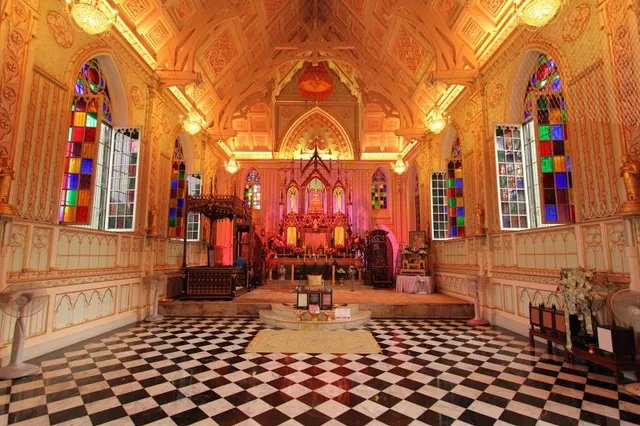
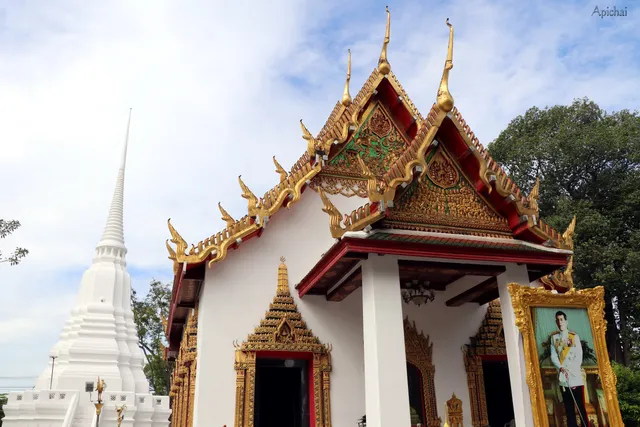
Read moreLocated at Ban Len, Bang Pa-In District, Phra Nakhon Si Ayutthaya, Thailand 🇹🇭. Bang Pa-In Royal Palace (also known as the Summer Palace) is a complex formally used by the Thai Kings. King Prasat Thong constructed the Palace as a Summer retreat in 1632 but it fell into disuse and became overgrown in the 18th and early 19th centuries. King Mongkut began to restore the site in the mid 19th century. Most of the present buildings were constructed between 1872 and 1889 by King Chulalongkorn. The complex has many vast gardens and landscaping. Amongst this are the following buildings - Wehart Chamrun (Heavenly Light) which is a Chinese style palace and throne room, the Warophat Phiman (Excellent and Shining Heavenly Abode) which is a royal residence, Ho Within Thasana (Sagas’ Lookout) which is a brightly painted lookout tower, and the Aisawan Thiphta-Art (Divine Seat of Personal Freedom) which is a pavilion constructed in the middle of a pond and Nat Niwet Thamnaprawat which is the royal temple of the palace. Today, the palace is divided into two zones. Zone 1 is the inner zone for the royal family to use as a resting place and Zone 2 is the outer zone for tourists to visit. This palace is a wonderful place to visit. Like all Thai royal buildings, the architecture is stunning. The carvings on the buildings are so artistic and detailed. Entrance fee to the palace is only 100baht. Like the Grand Palace in Bangkok, you need to cover your shoulders and knees before entering the Palace. You should come on your own without a tour guide so you can take your time. It takes at least 3 hours to explore the entire area. You should maybe consider renting one of the carts to get around, especially if you have mobility issues. Otherwise, wear comfortable shoes. It’s a fantastic place to visit. I really enjoyed it. Would definitely recommend. Thumbs...
Read more