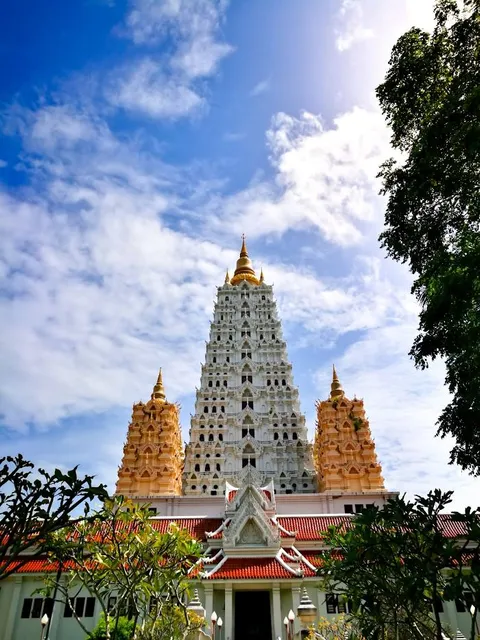
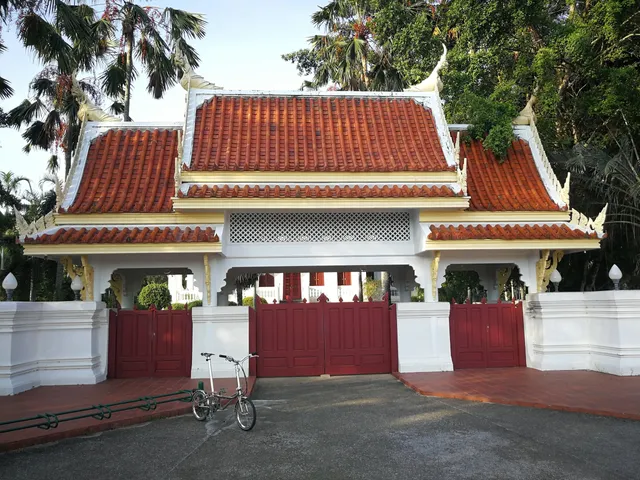
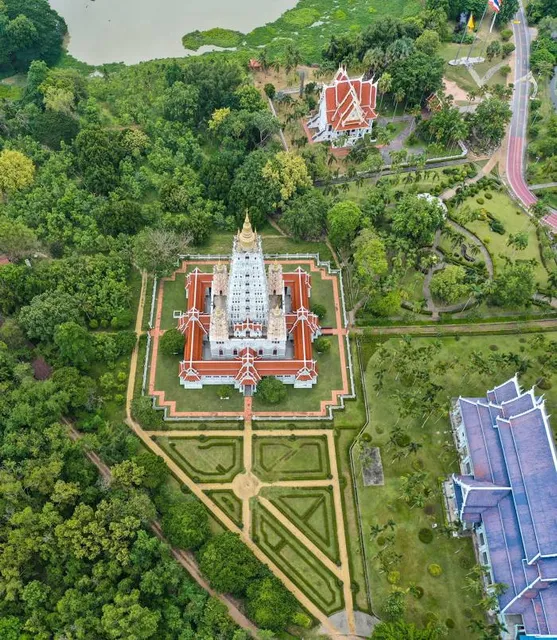
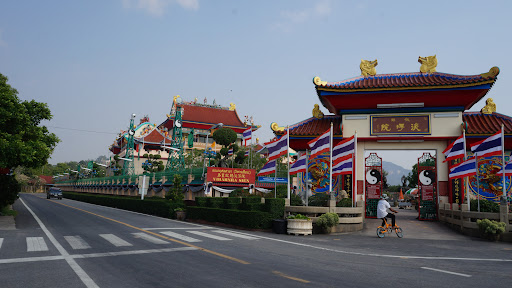
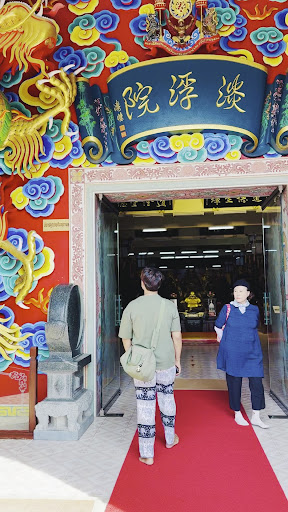
The Viharn Sien is a beautiful and unique Chinese Temple a little off the beaten track but most taxi drivers will know it. It is more of a museum now, being home to many unique and priceless Chinese statues and Buddha figures. It is believed to be one of a kind outside China. I can fully endorse that by the sheer numbers housed here. I don’t think I have ever seen so many bronze figures poised in many different styles of Kung Fu fighting also called Shaolin Wushu, a trait of Shaolin priests and warriors. When you get to this Temple, the car park has only one section covered over to protect your car from the fierce heat around Chonburi. It’s not very large and so this gets filled up first. There are some stalls there selling cold water and other drinks. I headed straight for the main entrance, which was a mistake. The payment booth is across the road where the entrance fee is paid, which was 50 Baht per person, the charge applied to Thai people also at this Temple. Then back across the road to gain entry. The staff on the gate were much more friendly than the staff in the ticket booth. You could actually have a laugh with them at the main gate entrance. This is one of the few places, outside China, that Terra cotta warriors and horses along with chariots can be freely seen. Jade statues tower above you as you walk round the ground floor display. There are so many on display it’s hard to comprehend. The sheer amount, the cost, the value of all this, is really astounding. They have two fantastic models on display here, on the left of the hall a huge model of Terra cotta army warriors, found in China in 1974. They belonged to the Emperor Qin Shi Huang, the original site is 37 kilometres east of Xian city and is one of the largest imperial tombs in China. It is known as Lishan Garden and was one of the largest archeological discoveries in modern day China. On the right hand side of the hall, a model of part of the great wall of China. Originally thought of by the same Emperor Qin Shi Huang and built between 220 and 206 BC, now little of this part of the wall remains. Many believe that the Great Wall of China is one long wall, but it is not. It is several smaller satellite walls built off from the main one. It was originally built to prevent barbarian tribes from entering China. The best preserved part of this unique structure was built during the Ming Dynasty in the 14th through to the 17th Century. Many workers died during the construction of this wall and it never did prevent the invaders from entering China. Both are encased in glass cases that unfortunately reflect the light coming in from the windows, and therefore does not give you a very good photo of either of them. On the third or top floor, it leads to the outside, where you will find the 18 Shaolin Monk statues in bronze, depicting the methods of 18 stances in the art, along with other figures from Chinese folklore. Two large Pavilions each side of the main Temple hold Thai art exhibits and Chinese art exhibits. The days I was there on the 24th June and the 30th June 2014 the tiles outside on the top floor were burning my feet, it was so hot. The view from the top includes the Khao Chee Jan and the mighty Wat Yansangwararam tower emerging from the tree tops. The view from the top floor is impressive. It takes in many of the sightseeing venues you can visit near this Temple. What was unusual was that on the second and third floor both the rooms had expensive Chinese carpets on the floor, which everyone could walk on. I wondered how long they would remain like that. However remember no shoes are allowed in this Temple throughout, which is one saving grace. This Chinese Temple is around 20 kilometres from Pattaya city, leave the Sukhumvit road on the kilometre 160 exit. The Temple is open between 08.00 am and 05.00 pm everyday. There is a restaurant to eat outside near the ticket booth if you get hungry. I must admit, I did not try this as I had many more venues to...
Read moreViharn Sien (Viharnra Sien) Review
Viharn Sien, also known as the Anek Kusala Sala, is an impressive Chinese-Thai cultural museum located in the Pattaya region of Thailand. My visit to this unique attraction was an enriching experience, offering a blend of art, culture, and history in an aesthetically pleasing setting.
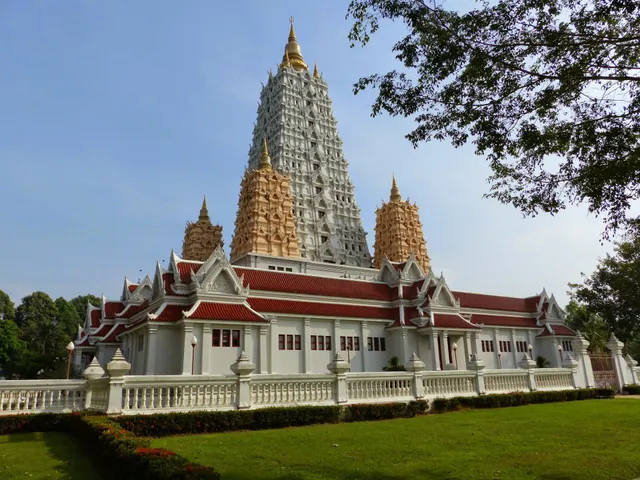
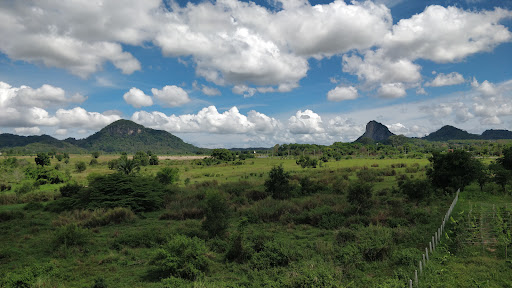
Location and Atmosphere Nestled near the foothills of Khao Chee Chan, the museum's architecture is striking with its traditional Chinese-style design, creating an immediate sense of awe. Surrounded by serene landscapes, including the famous Buddha Mountain, the location offers a peaceful retreat from Pattaya's bustling city life.
Cultural Treasures Inside the museum, you're welcomed by an incredible collection of Chinese and Thai artifacts, from ancient ceramics to intricate stone carvings. The ground floor is filled with statues of Chinese deities, along with some breathtaking sculptures of Shaolin monks in various martial arts poses. These exhibits offer a glimpse into the rich religious and cultural traditions of China.
The upper floors house an impressive array of historical relics, including replicas of famous terracotta warriors, ancient weapons, and Chinese-style murals. What I found particularly fascinating were the intricate details on each artifact, which reflect the craftsmanship of ancient Chinese artisans. The museum also has a section dedicated to Thai history and its relationship with China, emphasizing the shared cultural heritage.
Art and Architecture The highlight of my visit was the temple's grand halls, where magnificent Buddha statues are displayed alongside Chinese spiritual symbols. The bronze statue of Guan Yin, the Goddess of Mercy, was particularly captivating. The architecture and artwork combine elements of both Chinese and Thai aesthetics, creating a seamless fusion of both cultures. Each corner of the museum tells a story, and the level of artistry in the detailing makes you appreciate the significance behind each piece.
Learning Experience One of the most rewarding aspects of Viharn Sien is how much there is to learn. I appreciated the well-placed plaques and descriptions in both Thai and English, providing context for each exhibit. The museum not only displays artifacts but also offers insight into the cultural and religious exchanges between China and Thailand throughout history.
Overall Impression Viharn Sien is a must-visit for anyone interested in Asian art, history, and culture. Whether you're a history enthusiast or a casual traveler, the museum's extensive collection and serene atmosphere make it an enriching experience. It’s a testament to the enduring relationship between Thailand and China and their shared cultural legacy. My visit left me with a deeper appreciation for both Chinese and Thai cultures, and I would highly recommend adding this to your itinerary if you're...
Read moreVisiting a historic Chinese temple is a captivating experience that immerses you in the rich tapestry of Chinese culture, history, and spirituality. A testament to centuries of Chinese heritage and devotion. This ancient temple, with its intricate architecture and array of statues, offers a serene and enlightening experience to visitors. The main hall, with its sweeping eaves and ornate roof, is a masterpiece of classical Chinese design. The main hall features a colossal statue of Buddha, radiating serenity and compassion. The temple also honors various Taoist deities. The statue of Guan Yu, the God of War, stands prominently, symbolizing loyalty and righteousness. Another notable statue is that of Mazu, the sea goddess, revered by fishermen and sailors for her protection. Whether you are a spiritual seeker, a history enthusiast, or simply a traveler looking for tranquility, this temple provides a rich and...
Read more