HTML SitemapExplore
logo
Find Things to DoFind The Best Restaurants

Wat Paknam Phasi Charoen — Attraction in Pak Khlong Phasi Charoen Subdistrict

Name
Wat Paknam Phasi Charoen
Description
Nearby attractions
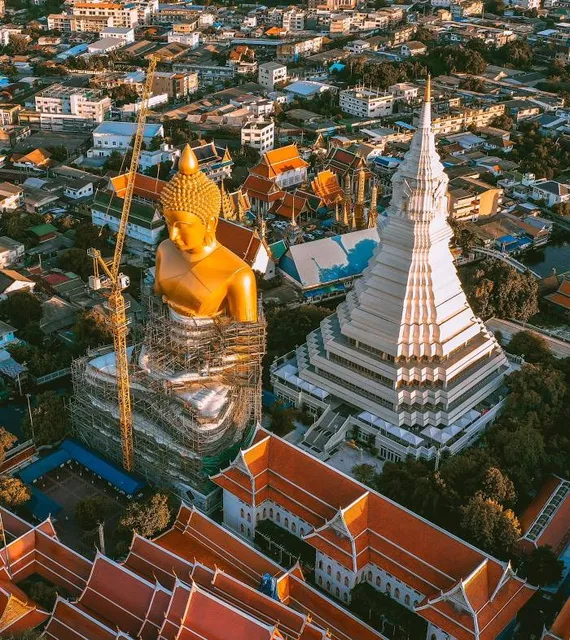
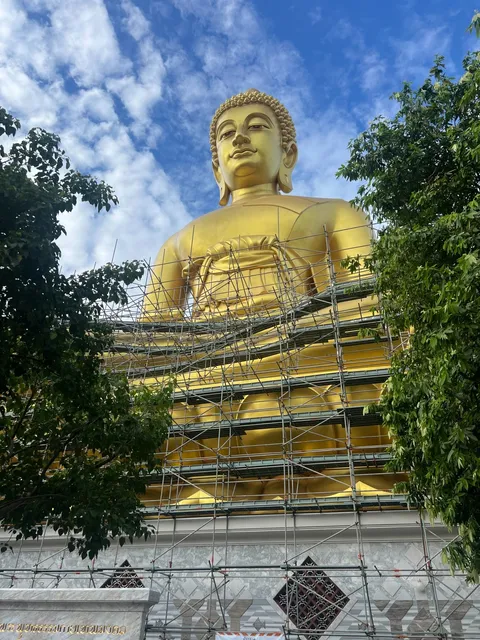
Photo spot for the Big Buddha at Paknam Temple (Phra Buddha Dhammakaya Thep Mongkol)
838 Thanon Thoet Thai, Talat Phlu, Thon Buri, Bangkok 10600, Thailand
Nearby restaurants
Ban Mae Somporn - Crab paste shop
Soi Thoet Thai 26, Talat Phlu, Thon Buri, Bangkok 10600, Thailand
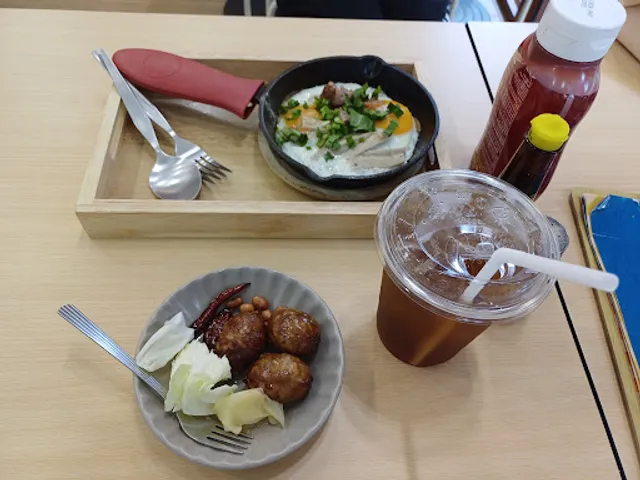
ร้าน ตุ้มอร่อย คาเฟ่ Toomaroi Café
119/18 ถ. เทอดไท Pak Khlong Phasi Charoen, Phasi Charoen, Bangkok 10160, Thailand
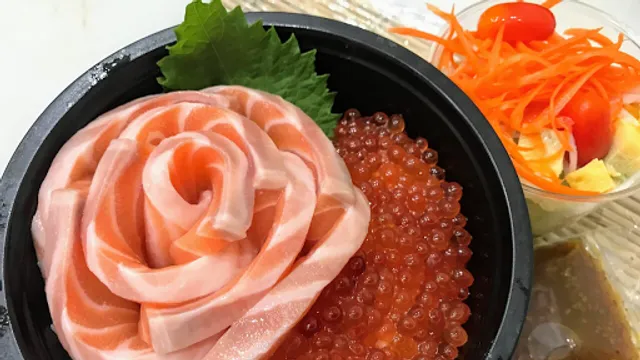
Salmonroom - สามแยกวุฒากาศ (ตลาดพลู)
1124 Thanon Thoet Thai, Talat Phlu, Thon Buri, Bangkok 10600, Thailand
Lau food shop
1375, 9 Thanon Thoet Thai, Talat Phlu, Thon Buri, Bangkok 10600, Thailand
ガイちゃん食堂
132 Ratchamongkhon Prasat Alley, Pak Khlong Phasi Charoen, Phasi Charoen, Bangkok 10160, Thailand
LYNX Coffee
948 ถ. เทอดไท Talat Phlu, Thon Buri, Bangkok 10600, Thailand
The Pizza Company ตลาดพลู
เลขที่ 1259 Thanon Thoet Thai, Talat Phlu, Thon Buri, Bangkok 10600, Thailand
Tong Leng Noodle
942 ถ. เทอดไท Talat Phlu, Thon Buri, Bangkok 10600, Thailand
Tek Heng
326-330, Talat Phlu, Thon Buri, Bangkok 10600, Thailand
Sunee Red Pork Rice Talad Plu
854 8 ถนน เทอดไท 25 Talat Phlu, ตลาดพลู Bangkok 10600, Thailand
Nearby hotels
Beerapan Hotel
158 Soi Wutthakat 14, Talat Phlu, Thon Buri, Bangkok 10600, Thailand
Bed By Thapra Hotel
134 12-14 Phet Kasem 26/1 Alley, Pak Khlong Phasi Charoen, Phasi Charoen, Bangkok 10160, Thailand
Aqua Residences BTS วุฒากาศ
5 9 Soi Suan Luang, Bang Kho, Chom Thong, Bangkok 10150, Thailand
Arpo Pool Villa riverside
185/2 Phet Kasem 20 Alley, Lane 2, Pak Khlong Phasi Charoen, Phasi Charoen, Bangkok 10160, Thailand
A House BOUTIQUE
273, 169 แขวง เพชรเกษม, Khwaeng Pak Khlong Phasi Charoen, Phasi Charoen, Bangkok 10160, Thailand
RedDoorz The Living Block
166 8-9 Phet Kasem Rd, Wat Tha Phra, Bangkok Yai, Bangkok 10600, Thailand
MRT Thaphra spthaphra
127/2 Phet Kasem Rd, Wat Tha Phra, Bangkok Yai, Bangkok 10600, Thailand
SP Park Thaphra Hotel ( โรงแรมเอสพีท่าพระ )
127 PFHF+JW9, 2 Phet Kasem Rd, Wat Tha Phra, Bangkok Yai, Bangkok 10600, Thailand
Related posts
Keywords
Wat Paknam Phasi Charoen tourism.Wat Paknam Phasi Charoen hotels.Wat Paknam Phasi Charoen bed and breakfast. flights to Wat Paknam Phasi Charoen.Wat Paknam Phasi Charoen attractions.Wat Paknam Phasi Charoen restaurants.Wat Paknam Phasi Charoen travel.Wat Paknam Phasi Charoen travel guide.Wat Paknam Phasi Charoen travel blog.Wat Paknam Phasi Charoen pictures.Wat Paknam Phasi Charoen photos.Wat Paknam Phasi Charoen travel tips.Wat Paknam Phasi Charoen maps.Wat Paknam Phasi Charoen things to do.
Wat Paknam Phasi Charoen things to do, attractions, restaurants, events info and trip planning
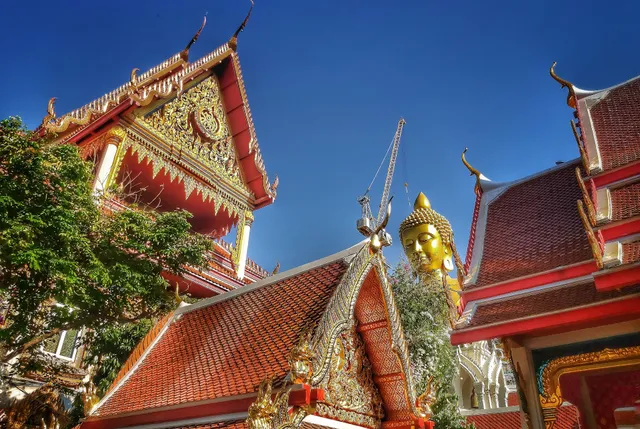
Wat Paknam Phasi Charoen
ThailandBangkokPak Khlong Phasi Charoen SubdistrictWat Paknam Phasi Charoen

Basic Info

Wat Paknam Phasi Charoen

300, Ratchamongkhon Prasat Alley, Pak Khlong Phasi Charoen, Phasi Charoen, Bangkok 10160, Thailand
4.7(4.5K)
Open 24 hours
Save
spot

Ratings & Description

Info

Cultural
Scenic
Family friendly
Accessibility
attractions: Photo spot for the Big Buddha at Paknam Temple (Phra Buddha Dhammakaya Thep Mongkol), restaurants: Ban Mae Somporn - Crab paste shop, ร้าน ตุ้มอร่อย คาเฟ่ Toomaroi Café, Salmonroom - สามแยกวุฒากาศ (ตลาดพลู), Lau food shop, ガイちゃん食堂, LYNX Coffee, The Pizza Company ตลาดพลู, Tong Leng Noodle, Tek Heng, Sunee Red Pork Rice Talad Plu
logoLearn more insights from Wanderboat AI.
Phone
+66 2 467 0811
Website
facebook.com

Plan your stay

hotel
Pet-friendly Hotels in Pak Khlong Phasi Charoen Subdistrict
Find a cozy hotel nearby and make it a full experience.

hotel
Affordable Hotels in Pak Khlong Phasi Charoen Subdistrict
Find a cozy hotel nearby and make it a full experience.

hotel
The Coolest Hotels You Haven't Heard Of (Yet)
Find a cozy hotel nearby and make it a full experience.

hotel
Trending Stays Worth the Hype in Pak Khlong Phasi Charoen Subdistrict
Find a cozy hotel nearby and make it a full experience.

Reviews

Nearby attractions of Wat Paknam Phasi Charoen

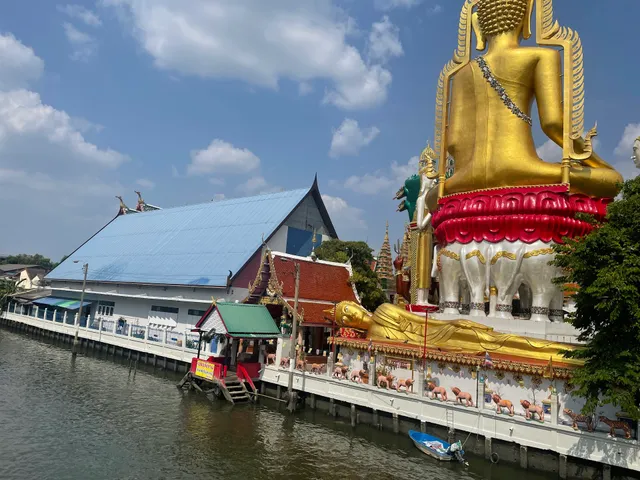
Photo spot for the Big Buddha at Paknam Temple (Phra Buddha Dhammakaya Thep Mongkol)

Photo spot for the Big Buddha at Paknam Temple (Phra Buddha Dhammakaya Thep Mongkol)

Photo spot for the Big Buddha at Paknam Temple (Phra Buddha Dhammakaya Thep Mongkol)

4.6

(205)

Open 24 hours
Click for details

Things to do nearby

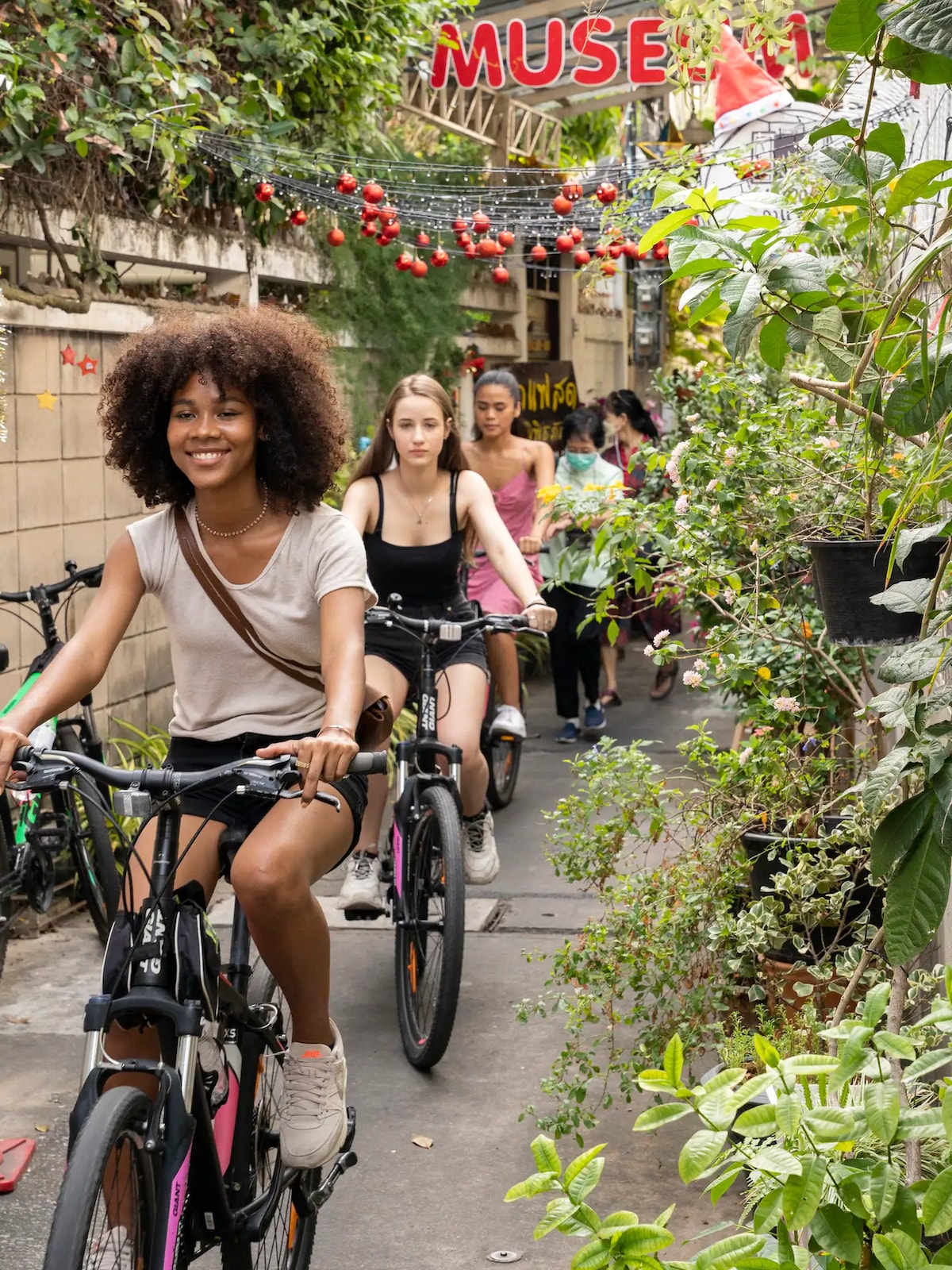
Must-Try: Hidden Bangkok Bike and Food tour
Wed, Dec 17 • 10:00 AM
Khlong San, Bangkok, 10600, Thailand
View details
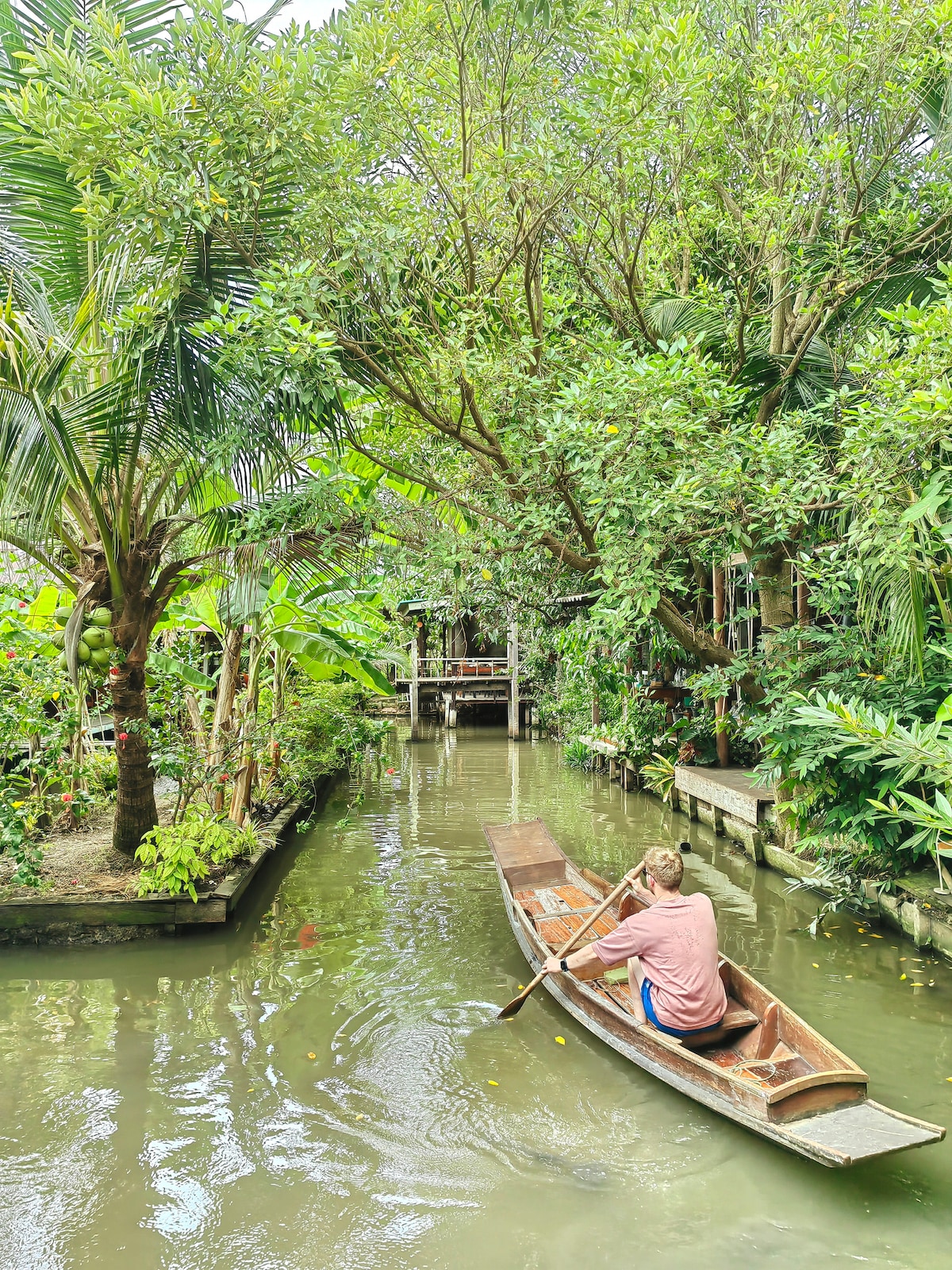
Escape the Crowds-A Peaceful Canal Village Bangkok
Thu, Dec 18 • 12:30 PM
Taling Chan, Bangkok, 10170, Thailand
View details
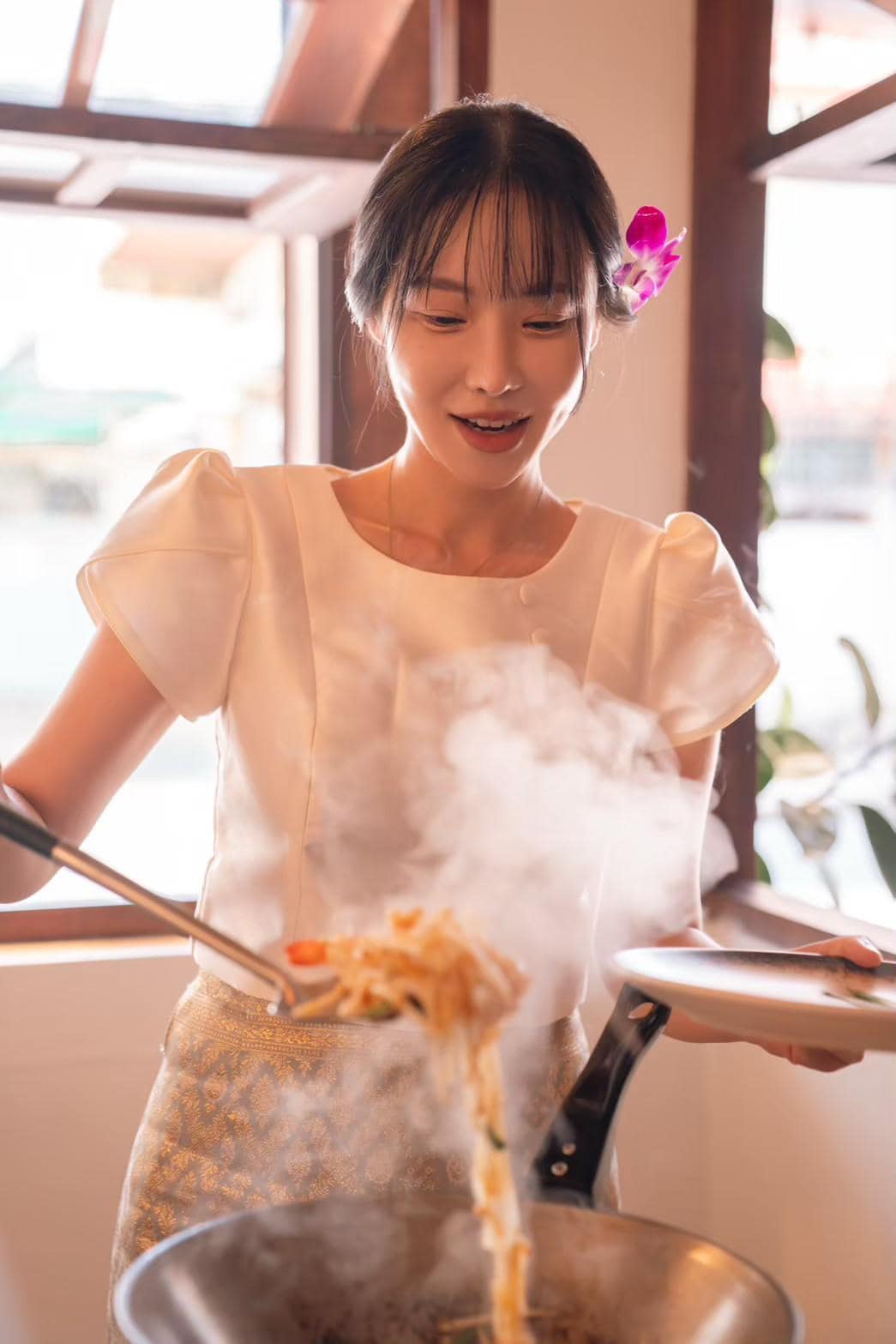
Bangkok Backstreets Food Tour with 15-plus tasting
Sun, Dec 21 • 3:30 PM
Samphanthawong, Bangkok, 10100, Thailand
View details

Nearby restaurants of Wat Paknam Phasi Charoen

Ban Mae Somporn - Crab paste shop

ร้าน ตุ้มอร่อย คาเฟ่ Toomaroi Café

Salmonroom - สามแยกวุฒากาศ (ตลาดพลู)

Lau food shop

ガイちゃん食堂

LYNX Coffee

The Pizza Company ตลาดพลู

Tong Leng Noodle

Tek Heng

Sunee Red Pork Rice Talad Plu

Ban Mae Somporn - Crab paste shop

Ban Mae Somporn - Crab paste shop

4.9

(68)

Click for details
ร้าน ตุ้มอร่อย คาเฟ่ Toomaroi Café

ร้าน ตุ้มอร่อย คาเฟ่ Toomaroi Café

5.0

(296)

Click for details
Salmonroom - สามแยกวุฒากาศ (ตลาดพลู)

Salmonroom - สามแยกวุฒากาศ (ตลาดพลู)

4.7

(37)

Click for details
Lau food shop

Lau food shop

4.3

(48)

Click for details
Get the Appoverlay
Get the AppOne tap to find yournext favorite spots!
Wanderboat LogoWanderboat

Your everyday Al companion for getaway ideas

CompanyAbout Us
InformationAI Trip PlannerSitemap
SocialXInstagramTiktokLinkedin
LegalTerms of ServicePrivacy Policy

Get the app

© 2025 Wanderboat. All rights reserved.
logo

Reviews of Wat Paknam Phasi Charoen

4.7
(4,468)
avatar
5.0
36w

Wat Paknam Phasi Charoen is one of those temples that feels as though it holds the weight of centuries of history and spiritual tradition. I’ve heard about this temple since I was young—its reputation as one of Bangkok’s most respected and long-standing temples is well known across generations. It is not only a revered religious site for locals, but also plays an important role in royal ceremonies. It’s well-known that Thai monarchs have regularly invited monks from this temple to perform rituals at the Grand Palace, which speaks to the temple’s deep spiritual and cultural significance.

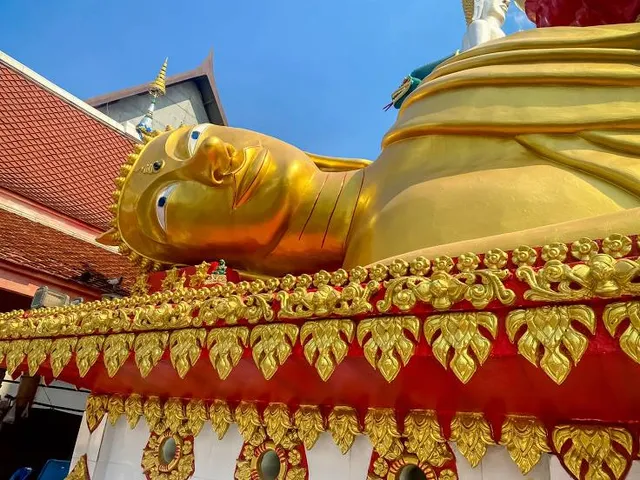
One of the most striking features of Wat Paknam today is the enormous golden Buddha statue that’s currently under construction. It’s already visible from afar, especially if you’re traveling on the BTS (Skytrain)—you can’t miss it, standing tall and majestic in the heart of the city. Even though the statue isn’t fully completed yet, its sheer size and presence already make it an iconic part of Bangkok’s skyline.

If you’re planning to drive to the temple, be prepared for a bit of a challenge. The temple is located down a narrow alleyway that’s quite tight for cars to navigate. Once you arrive near the entrance, the street becomes a one-way path. You might have to wait a few moments, especially if taxis are dropping off or picking up passengers. Just be patient—it’s part of the experience in such a bustling and lived-in part of the city.

Parking is available on the right-hand side, just before reaching the temple gates. There’s a multi-level parking structure, and the base fee is very affordable, starting at 20 baht. It’s not a long walk from the parking area to the temple grounds, and the path is well-marked.

Exploring the Temple Grounds

Once inside the temple, the sense of calm and sacredness becomes immediately apparent. One of the most moving moments for me was visiting Luang Por Sodh, the revered monk whose body rests in a golden glass coffin. It’s a quiet and respectful space, and visitors are kindly reminded to remain silent, especially in the upper areas where people are practicing meditation. The atmosphere in that space is powerful—still, serene, and humbling.

You can walk through the back of the temple grounds to find a fish pond, where you’re welcome to feed the fish. It’s a peaceful area that adds a touch of nature to the spiritual ambiance. Strolling around the entire complex is enjoyable, though I’d recommend bringing a hat or umbrella if you’re visiting in the middle of the day—it can get quite hot.

One of the highlights is visiting the great stupa building, where you’re required to remove your shoes before entering. They provide plastic bags for you to carry your shoes with you, which is convenient. Inside, the space is breathtaking. For visitors with disabilities, there is elevator access and wheelchairs available for borrowing, making the temple impressively inclusive. There are also restrooms on site and a thoughtful layout that’s accessible for all.

At the edge of the temple grounds, there’s a small community market called the Wat Paknam Market. On the day I visited, it was rather quiet—likely because it was a weekday—but I imagine it comes alive on weekends or during special events. The market adds a charming, local feel to the area and offers food and small items for those wanting to enjoy traditional temple market culture.

It’s worth noting that there is still ongoing construction in certain areas of the temple, especially around the massive Buddha statue and parts of the complex. So it’s a good idea to walk mindfully and watch your step. Safety signs and barriers are in place, but it’s always best to be cautious.

If you’re visiting Bangkok and want to explore beyond the main tourist temples, Wat Paknam Phasi Charoen is absolutely worth your time. It combines history, devotion, and beauty all in one peaceful place. Come with an open mind, a respectful heart, and perhaps a few minutes to just sit quietly—and you’ll leave with much more than...

   Read more
avatar
5.0
2y

🌟Wat Paknam Phasi Charoen is home to the impressive Buddha Dhammakaya Thep Mongkol, a towering structure that spans about 25 floors in height. This magnificent Buddha statue is fully handcrafted from pure copper and boasts a thickness of 3mm and a width of 40 meters.

It features an embellishment of 6kg of gold at the top, symbolizing the Buddha's crown, and on the left side of the chest, representing the "heart" of the Buddha. The construction of this awe-inspiring Buddha statue commenced in 2017 and was completed in 2021, with an estimated cost of around 600 million Baht (approximately 17 million USD). What's remarkable is that there is no entry fee to admire both the grand Buddha and the great pagoda.

The Buddha Dhammakaya Thep Mongkol is already captivating in online pictures, Google Maps, and Instagram, but experiencing it in person is truly breathtaking. The sheer size and presence of the Buddha create a sense of awe and reverence. The atmosphere is solemn, especially when accompanied by the chanting of the monks, to the extent that one may hesitate to breathe loudly.

🏛️ In addition to the Buddha, another must-visit location within the temple grounds is the great pagoda. This pagoda consists of five floors, with access to the first floor through a side door and the second floor and above via the main staircase. The great pagoda stands slightly taller than the Buddha, reaching about 30 floors in height, with a width of 52 meters, and its pinnacle is adorned with 100kg of gold. It's important to note that shoes are not allowed within the pagoda.

Visitors are required to remove their shoes and place them on the shoe rack located on the left side of the stairs. Also, be prepared for warmer temperatures inside, as the pagoda lacks air conditioning or fans. Tour groups typically begin arriving around 10-11 am, so arriving early is advisable to avoid crowds and fully enjoy the tranquility of the great Buddha and the pagoda.

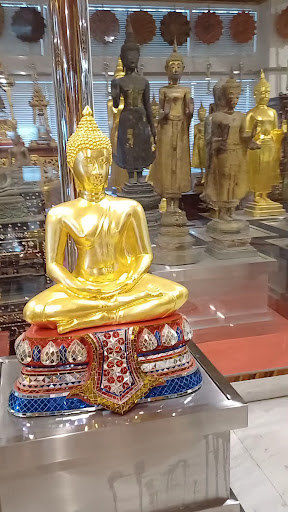
The first floor of the pagoda serves as a large museum, housing a diverse collection of Thai and international antiques, including boats, clocks, currencies, furniture, drawings, tools, traditional instruments, and vehicles once used by past kings. The museum accepts private donations, but it seems that they may not rigorously screen donated items, as some contemporary currencies with only face value are on display.

The second floor is a hall that showcases several Buddha and monk statues, while the third floor houses a smaller museum mainly dedicated to Buddha statues, Buddhist-related crafts and artifacts, monk statues, and smaller antique items like watches, Buddha amulets, and passports. The fourth floor is the Memory Hall, featuring statues of revered monks and Buddha statues.

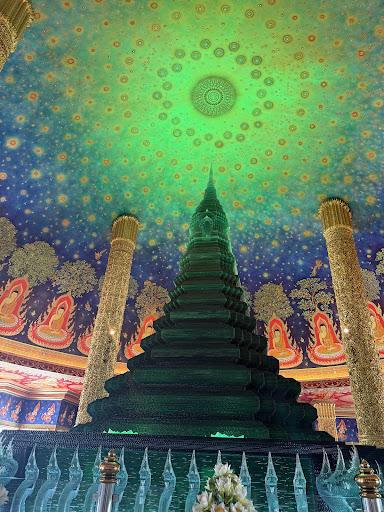
Lastly, the fifth floor houses the Glass Pagoda, which boasts a fluorescent roof and the Emerald Tower, crowned by a golden Buddha at its pinnacle. Visitors can step out onto the balcony of the tower to enjoy views from behind the great Buddha and of the city. However, it is important to respect the sacredness of the space and avoid certain activities while taking pictures on this floor, such as yoga, jumping, dancing, hugging, or kissing.

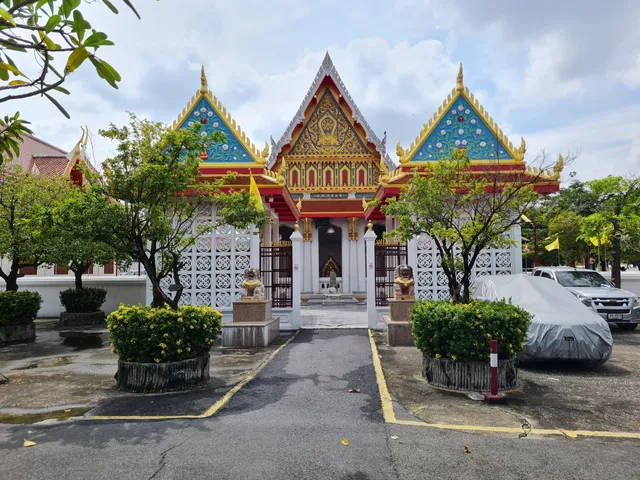
Apart from these attractions, visitors can explore the Ordination Hall, where monks often gather to conduct various ritual ceremonies...

   Read more
avatar
5.0
2y

Wat Paknam is a third-class royal monastery located in the flatlands of Bangkok, which is part of the triangular area at the mouth of the Chao Phraya River. It is situated along the Royal Canal or the Chao Phraya River, which used to be the original course of the Chao Phraya River before the construction of the canal in front of Wat Arun and its transformation into the present-day Chao Phraya River. The name of the temple, "Wat Paknam," is derived from the name of the sub-district where it is located. This name has been used in various ancient documents, although a different name for the temple was found on the maps of Bangkok in 1910 and 1931, which referred to it as "Wat Samutaram." However, it is not commonly known by that name and is still widely referred to as "Wat Paknam."

During the reign of King Chulalongkorn (Rama V), a canal called Khlong Phasi Charoen was dug on the western side of the temple. As a result, the temple is surrounded by water on all three sides, with a small canal representing the boundary of the temple's territory in ancient times. Wat Paknam is an ancient temple built during the middle Ayutthaya period (between 1588-1796) and was established by a royal dynasty during the Ayutthaya Kingdom. However, the precise name of the temple is not clearly mentioned. It is a temple of great significance in Thonburi, appearing in legends and stories. According to historical evidence, the temple's location during the Ayutthaya period is marked by the remains of small canals to the south and west of the temple. These canals were dug to demarcate the temple's land area during the Ayutthaya period. The location of Wat Paknam is in the form of a rectangular island surrounded by water on all sides. The architectural structures and artifacts within the temple, such as the Phra Tri Muni Library and the Tripitaka Cabinet, were created by the skilled craftsmen of King Narai's reign, and the temple's main pagoda was constructed using the construction techniques of that era. The name "Chao Awat" (Abbot's title) is found in a letter from the reign of King Surinyavaraman VII (Rama IV), which refers to Phra Kru Thanarat Montri, the abbot of Wat Paknam. Wat Paknam has been an important temple since ancient times as it received the royal patronage for renovation works, including receiving royal treasures from King Taksin the Great for the repair of the monastery's roof. Subsequently, during the reign of King Rama III, Wat Paknam underwent major renovations at the beginning of the Rattanakosin period and preserved the architectural style of the Ayutthaya period. Then, during the reign of King Rama V, the temple underwent another major renovation and restoration, preserving the architectural style of the Ayutthaya period. During the reign of King Rama VI, Wat Paknam fell into disrepair and had no permanent abbot, only caretakers in other monasteries.

The government administration sent a living monk, Phra Sot Tharo (Tohsaroh), from Wat Phra Chetuphon Wimon Mangkhalaram (Wat Pho) to assume the position of abbot. He encouraged the practice of strict monastic discipline, with a focus on teaching the Dhammakaya Kammatthana meditation method. Notably, he established a modern and advanced Dhammakaya meditation school, attracting a large number of monks and novices to study and...

   Read more
Page 1 of 7
Previous
Next

Posts

Little Brigner FamilyLittle Brigner Family
Wat Paknam Phasi Charoen is one of those temples that feels as though it holds the weight of centuries of history and spiritual tradition. I’ve heard about this temple since I was young—its reputation as one of Bangkok’s most respected and long-standing temples is well known across generations. It is not only a revered religious site for locals, but also plays an important role in royal ceremonies. It’s well-known that Thai monarchs have regularly invited monks from this temple to perform rituals at the Grand Palace, which speaks to the temple’s deep spiritual and cultural significance. One of the most striking features of Wat Paknam today is the enormous golden Buddha statue that’s currently under construction. It’s already visible from afar, especially if you’re traveling on the BTS (Skytrain)—you can’t miss it, standing tall and majestic in the heart of the city. Even though the statue isn’t fully completed yet, its sheer size and presence already make it an iconic part of Bangkok’s skyline. If you’re planning to drive to the temple, be prepared for a bit of a challenge. The temple is located down a narrow alleyway that’s quite tight for cars to navigate. Once you arrive near the entrance, the street becomes a one-way path. You might have to wait a few moments, especially if taxis are dropping off or picking up passengers. Just be patient—it’s part of the experience in such a bustling and lived-in part of the city. Parking is available on the right-hand side, just before reaching the temple gates. There’s a multi-level parking structure, and the base fee is very affordable, starting at 20 baht. It’s not a long walk from the parking area to the temple grounds, and the path is well-marked. Exploring the Temple Grounds Once inside the temple, the sense of calm and sacredness becomes immediately apparent. One of the most moving moments for me was visiting Luang Por Sodh, the revered monk whose body rests in a golden glass coffin. It’s a quiet and respectful space, and visitors are kindly reminded to remain silent, especially in the upper areas where people are practicing meditation. The atmosphere in that space is powerful—still, serene, and humbling. You can walk through the back of the temple grounds to find a fish pond, where you’re welcome to feed the fish. It’s a peaceful area that adds a touch of nature to the spiritual ambiance. Strolling around the entire complex is enjoyable, though I’d recommend bringing a hat or umbrella if you’re visiting in the middle of the day—it can get quite hot. One of the highlights is visiting the great stupa building, where you’re required to remove your shoes before entering. They provide plastic bags for you to carry your shoes with you, which is convenient. Inside, the space is breathtaking. For visitors with disabilities, there is elevator access and wheelchairs available for borrowing, making the temple impressively inclusive. There are also restrooms on site and a thoughtful layout that’s accessible for all. At the edge of the temple grounds, there’s a small community market called the Wat Paknam Market. On the day I visited, it was rather quiet—likely because it was a weekday—but I imagine it comes alive on weekends or during special events. The market adds a charming, local feel to the area and offers food and small items for those wanting to enjoy traditional temple market culture. It’s worth noting that there is still ongoing construction in certain areas of the temple, especially around the massive Buddha statue and parts of the complex. So it’s a good idea to walk mindfully and watch your step. Safety signs and barriers are in place, but it’s always best to be cautious. If you’re visiting Bangkok and want to explore beyond the main tourist temples, Wat Paknam Phasi Charoen is absolutely worth your time. It combines history, devotion, and beauty all in one peaceful place. Come with an open mind, a respectful heart, and perhaps a few minutes to just sit quietly—and you’ll leave with much more than you came with.
SikatsooSikatsoo
🌟Wat Paknam Phasi Charoen is home to the impressive Buddha Dhammakaya Thep Mongkol, a towering structure that spans about 25 floors in height. This magnificent Buddha statue is fully handcrafted from pure copper and boasts a thickness of 3mm and a width of 40 meters. It features an embellishment of 6kg of gold at the top, symbolizing the Buddha's crown, and on the left side of the chest, representing the "heart" of the Buddha. The construction of this awe-inspiring Buddha statue commenced in 2017 and was completed in 2021, with an estimated cost of around 600 million Baht (approximately 17 million USD). What's remarkable is that there is no entry fee to admire both the grand Buddha and the great pagoda. The Buddha Dhammakaya Thep Mongkol is already captivating in online pictures, Google Maps, and Instagram, but experiencing it in person is truly breathtaking. The sheer size and presence of the Buddha create a sense of awe and reverence. The atmosphere is solemn, especially when accompanied by the chanting of the monks, to the extent that one may hesitate to breathe loudly. 🏛️ In addition to the Buddha, another must-visit location within the temple grounds is the great pagoda. This pagoda consists of five floors, with access to the first floor through a side door and the second floor and above via the main staircase. The great pagoda stands slightly taller than the Buddha, reaching about 30 floors in height, with a width of 52 meters, and its pinnacle is adorned with 100kg of gold. It's important to note that shoes are not allowed within the pagoda. Visitors are required to remove their shoes and place them on the shoe rack located on the left side of the stairs. Also, be prepared for warmer temperatures inside, as the pagoda lacks air conditioning or fans. Tour groups typically begin arriving around 10-11 am, so arriving early is advisable to avoid crowds and fully enjoy the tranquility of the great Buddha and the pagoda. The first floor of the pagoda serves as a large museum, housing a diverse collection of Thai and international antiques, including boats, clocks, currencies, furniture, drawings, tools, traditional instruments, and vehicles once used by past kings. The museum accepts private donations, but it seems that they may not rigorously screen donated items, as some contemporary currencies with only face value are on display. The second floor is a hall that showcases several Buddha and monk statues, while the third floor houses a smaller museum mainly dedicated to Buddha statues, Buddhist-related crafts and artifacts, monk statues, and smaller antique items like watches, Buddha amulets, and passports. The fourth floor is the Memory Hall, featuring statues of revered monks and Buddha statues. Lastly, the fifth floor houses the Glass Pagoda, which boasts a fluorescent roof and the Emerald Tower, crowned by a golden Buddha at its pinnacle. Visitors can step out onto the balcony of the tower to enjoy views from behind the great Buddha and of the city. However, it is important to respect the sacredness of the space and avoid certain activities while taking pictures on this floor, such as yoga, jumping, dancing, hugging, or kissing. Apart from these attractions, visitors can explore the Ordination Hall, where monks often gather to conduct various ritual ceremonies and activities.
Phimtarwat NarunthornPhimtarwat Narunthorn
Wat Paknam is a third-class royal monastery located in the flatlands of Bangkok, which is part of the triangular area at the mouth of the Chao Phraya River. It is situated along the Royal Canal or the Chao Phraya River, which used to be the original course of the Chao Phraya River before the construction of the canal in front of Wat Arun and its transformation into the present-day Chao Phraya River. The name of the temple, "Wat Paknam," is derived from the name of the sub-district where it is located. This name has been used in various ancient documents, although a different name for the temple was found on the maps of Bangkok in 1910 and 1931, which referred to it as "Wat Samutaram." However, it is not commonly known by that name and is still widely referred to as "Wat Paknam." During the reign of King Chulalongkorn (Rama V), a canal called Khlong Phasi Charoen was dug on the western side of the temple. As a result, the temple is surrounded by water on all three sides, with a small canal representing the boundary of the temple's territory in ancient times. Wat Paknam is an ancient temple built during the middle Ayutthaya period (between 1588-1796) and was established by a royal dynasty during the Ayutthaya Kingdom. However, the precise name of the temple is not clearly mentioned. It is a temple of great significance in Thonburi, appearing in legends and stories. According to historical evidence, the temple's location during the Ayutthaya period is marked by the remains of small canals to the south and west of the temple. These canals were dug to demarcate the temple's land area during the Ayutthaya period. The location of Wat Paknam is in the form of a rectangular island surrounded by water on all sides. The architectural structures and artifacts within the temple, such as the Phra Tri Muni Library and the Tripitaka Cabinet, were created by the skilled craftsmen of King Narai's reign, and the temple's main pagoda was constructed using the construction techniques of that era. The name "Chao Awat" (Abbot's title) is found in a letter from the reign of King Surinyavaraman VII (Rama IV), which refers to Phra Kru Thanarat Montri, the abbot of Wat Paknam. Wat Paknam has been an important temple since ancient times as it received the royal patronage for renovation works, including receiving royal treasures from King Taksin the Great for the repair of the monastery's roof. Subsequently, during the reign of King Rama III, Wat Paknam underwent major renovations at the beginning of the Rattanakosin period and preserved the architectural style of the Ayutthaya period. Then, during the reign of King Rama V, the temple underwent another major renovation and restoration, preserving the architectural style of the Ayutthaya period. During the reign of King Rama VI, Wat Paknam fell into disrepair and had no permanent abbot, only caretakers in other monasteries. The government administration sent a living monk, Phra Sot Tharo (Tohsaroh), from Wat Phra Chetuphon Wimon Mangkhalaram (Wat Pho) to assume the position of abbot. He encouraged the practice of strict monastic discipline, with a focus on teaching the Dhammakaya Kammatthana meditation method. Notably, he established a modern and advanced Dhammakaya meditation school, attracting a large number of monks and novices to study and practice meditation.
See more posts
See more posts
hotel
Find your stay

Pet-friendly Hotels in Pak Khlong Phasi Charoen Subdistrict

Find a cozy hotel nearby and make it a full experience.

Wat Paknam Phasi Charoen is one of those temples that feels as though it holds the weight of centuries of history and spiritual tradition. I’ve heard about this temple since I was young—its reputation as one of Bangkok’s most respected and long-standing temples is well known across generations. It is not only a revered religious site for locals, but also plays an important role in royal ceremonies. It’s well-known that Thai monarchs have regularly invited monks from this temple to perform rituals at the Grand Palace, which speaks to the temple’s deep spiritual and cultural significance. One of the most striking features of Wat Paknam today is the enormous golden Buddha statue that’s currently under construction. It’s already visible from afar, especially if you’re traveling on the BTS (Skytrain)—you can’t miss it, standing tall and majestic in the heart of the city. Even though the statue isn’t fully completed yet, its sheer size and presence already make it an iconic part of Bangkok’s skyline. If you’re planning to drive to the temple, be prepared for a bit of a challenge. The temple is located down a narrow alleyway that’s quite tight for cars to navigate. Once you arrive near the entrance, the street becomes a one-way path. You might have to wait a few moments, especially if taxis are dropping off or picking up passengers. Just be patient—it’s part of the experience in such a bustling and lived-in part of the city. Parking is available on the right-hand side, just before reaching the temple gates. There’s a multi-level parking structure, and the base fee is very affordable, starting at 20 baht. It’s not a long walk from the parking area to the temple grounds, and the path is well-marked. Exploring the Temple Grounds Once inside the temple, the sense of calm and sacredness becomes immediately apparent. One of the most moving moments for me was visiting Luang Por Sodh, the revered monk whose body rests in a golden glass coffin. It’s a quiet and respectful space, and visitors are kindly reminded to remain silent, especially in the upper areas where people are practicing meditation. The atmosphere in that space is powerful—still, serene, and humbling. You can walk through the back of the temple grounds to find a fish pond, where you’re welcome to feed the fish. It’s a peaceful area that adds a touch of nature to the spiritual ambiance. Strolling around the entire complex is enjoyable, though I’d recommend bringing a hat or umbrella if you’re visiting in the middle of the day—it can get quite hot. One of the highlights is visiting the great stupa building, where you’re required to remove your shoes before entering. They provide plastic bags for you to carry your shoes with you, which is convenient. Inside, the space is breathtaking. For visitors with disabilities, there is elevator access and wheelchairs available for borrowing, making the temple impressively inclusive. There are also restrooms on site and a thoughtful layout that’s accessible for all. At the edge of the temple grounds, there’s a small community market called the Wat Paknam Market. On the day I visited, it was rather quiet—likely because it was a weekday—but I imagine it comes alive on weekends or during special events. The market adds a charming, local feel to the area and offers food and small items for those wanting to enjoy traditional temple market culture. It’s worth noting that there is still ongoing construction in certain areas of the temple, especially around the massive Buddha statue and parts of the complex. So it’s a good idea to walk mindfully and watch your step. Safety signs and barriers are in place, but it’s always best to be cautious. If you’re visiting Bangkok and want to explore beyond the main tourist temples, Wat Paknam Phasi Charoen is absolutely worth your time. It combines history, devotion, and beauty all in one peaceful place. Come with an open mind, a respectful heart, and perhaps a few minutes to just sit quietly—and you’ll leave with much more than you came with.
Little Brigner Family

Little Brigner Family

hotel
Find your stay

Affordable Hotels in Pak Khlong Phasi Charoen Subdistrict

Find a cozy hotel nearby and make it a full experience.

Get the Appoverlay
Get the AppOne tap to find yournext favorite spots!
🌟Wat Paknam Phasi Charoen is home to the impressive Buddha Dhammakaya Thep Mongkol, a towering structure that spans about 25 floors in height. This magnificent Buddha statue is fully handcrafted from pure copper and boasts a thickness of 3mm and a width of 40 meters. It features an embellishment of 6kg of gold at the top, symbolizing the Buddha's crown, and on the left side of the chest, representing the "heart" of the Buddha. The construction of this awe-inspiring Buddha statue commenced in 2017 and was completed in 2021, with an estimated cost of around 600 million Baht (approximately 17 million USD). What's remarkable is that there is no entry fee to admire both the grand Buddha and the great pagoda. The Buddha Dhammakaya Thep Mongkol is already captivating in online pictures, Google Maps, and Instagram, but experiencing it in person is truly breathtaking. The sheer size and presence of the Buddha create a sense of awe and reverence. The atmosphere is solemn, especially when accompanied by the chanting of the monks, to the extent that one may hesitate to breathe loudly. 🏛️ In addition to the Buddha, another must-visit location within the temple grounds is the great pagoda. This pagoda consists of five floors, with access to the first floor through a side door and the second floor and above via the main staircase. The great pagoda stands slightly taller than the Buddha, reaching about 30 floors in height, with a width of 52 meters, and its pinnacle is adorned with 100kg of gold. It's important to note that shoes are not allowed within the pagoda. Visitors are required to remove their shoes and place them on the shoe rack located on the left side of the stairs. Also, be prepared for warmer temperatures inside, as the pagoda lacks air conditioning or fans. Tour groups typically begin arriving around 10-11 am, so arriving early is advisable to avoid crowds and fully enjoy the tranquility of the great Buddha and the pagoda. The first floor of the pagoda serves as a large museum, housing a diverse collection of Thai and international antiques, including boats, clocks, currencies, furniture, drawings, tools, traditional instruments, and vehicles once used by past kings. The museum accepts private donations, but it seems that they may not rigorously screen donated items, as some contemporary currencies with only face value are on display. The second floor is a hall that showcases several Buddha and monk statues, while the third floor houses a smaller museum mainly dedicated to Buddha statues, Buddhist-related crafts and artifacts, monk statues, and smaller antique items like watches, Buddha amulets, and passports. The fourth floor is the Memory Hall, featuring statues of revered monks and Buddha statues. Lastly, the fifth floor houses the Glass Pagoda, which boasts a fluorescent roof and the Emerald Tower, crowned by a golden Buddha at its pinnacle. Visitors can step out onto the balcony of the tower to enjoy views from behind the great Buddha and of the city. However, it is important to respect the sacredness of the space and avoid certain activities while taking pictures on this floor, such as yoga, jumping, dancing, hugging, or kissing. Apart from these attractions, visitors can explore the Ordination Hall, where monks often gather to conduct various ritual ceremonies and activities.
Sikatsoo

Sikatsoo

hotel
Find your stay

The Coolest Hotels You Haven't Heard Of (Yet)

Find a cozy hotel nearby and make it a full experience.

hotel
Find your stay

Trending Stays Worth the Hype in Pak Khlong Phasi Charoen Subdistrict

Find a cozy hotel nearby and make it a full experience.

Wat Paknam is a third-class royal monastery located in the flatlands of Bangkok, which is part of the triangular area at the mouth of the Chao Phraya River. It is situated along the Royal Canal or the Chao Phraya River, which used to be the original course of the Chao Phraya River before the construction of the canal in front of Wat Arun and its transformation into the present-day Chao Phraya River. The name of the temple, "Wat Paknam," is derived from the name of the sub-district where it is located. This name has been used in various ancient documents, although a different name for the temple was found on the maps of Bangkok in 1910 and 1931, which referred to it as "Wat Samutaram." However, it is not commonly known by that name and is still widely referred to as "Wat Paknam." During the reign of King Chulalongkorn (Rama V), a canal called Khlong Phasi Charoen was dug on the western side of the temple. As a result, the temple is surrounded by water on all three sides, with a small canal representing the boundary of the temple's territory in ancient times. Wat Paknam is an ancient temple built during the middle Ayutthaya period (between 1588-1796) and was established by a royal dynasty during the Ayutthaya Kingdom. However, the precise name of the temple is not clearly mentioned. It is a temple of great significance in Thonburi, appearing in legends and stories. According to historical evidence, the temple's location during the Ayutthaya period is marked by the remains of small canals to the south and west of the temple. These canals were dug to demarcate the temple's land area during the Ayutthaya period. The location of Wat Paknam is in the form of a rectangular island surrounded by water on all sides. The architectural structures and artifacts within the temple, such as the Phra Tri Muni Library and the Tripitaka Cabinet, were created by the skilled craftsmen of King Narai's reign, and the temple's main pagoda was constructed using the construction techniques of that era. The name "Chao Awat" (Abbot's title) is found in a letter from the reign of King Surinyavaraman VII (Rama IV), which refers to Phra Kru Thanarat Montri, the abbot of Wat Paknam. Wat Paknam has been an important temple since ancient times as it received the royal patronage for renovation works, including receiving royal treasures from King Taksin the Great for the repair of the monastery's roof. Subsequently, during the reign of King Rama III, Wat Paknam underwent major renovations at the beginning of the Rattanakosin period and preserved the architectural style of the Ayutthaya period. Then, during the reign of King Rama V, the temple underwent another major renovation and restoration, preserving the architectural style of the Ayutthaya period. During the reign of King Rama VI, Wat Paknam fell into disrepair and had no permanent abbot, only caretakers in other monasteries. The government administration sent a living monk, Phra Sot Tharo (Tohsaroh), from Wat Phra Chetuphon Wimon Mangkhalaram (Wat Pho) to assume the position of abbot. He encouraged the practice of strict monastic discipline, with a focus on teaching the Dhammakaya Kammatthana meditation method. Notably, he established a modern and advanced Dhammakaya meditation school, attracting a large number of monks and novices to study and practice meditation.
Phimtarwat Narunthorn

Phimtarwat Narunthorn

See more posts
See more posts