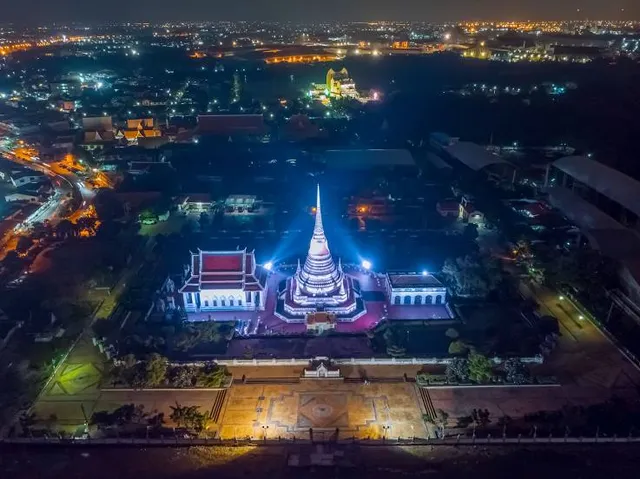
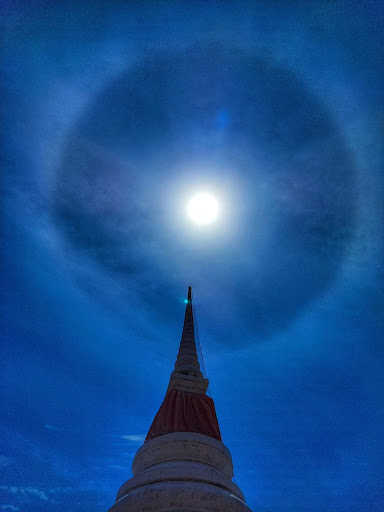
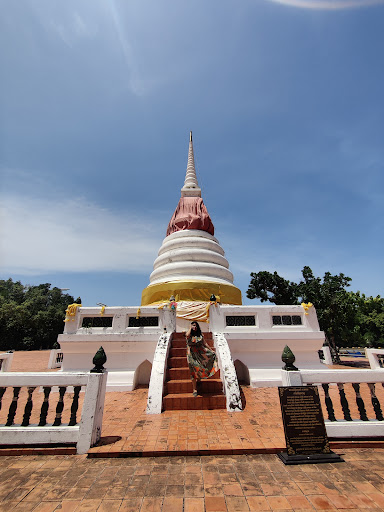
Ancient buildings that commemorate many memories from the work in the middle of the mangrove forest. This symbol of Rayong city, who knows one? Old and very special Because it is located in the middle of the water, that is the chedi in the middle of the water. Many people are probably familiar with each other, so let's take a look at this pagoda. including the history of this pagoda This Phra Chedi Klang Nam is located in Pak Nam Subdistrict, Mueang District, Rayong Province. It is a bell-shaped chedi, 10 meters high, located on an island in the middle of the Rayong River. And there is a bridge to walk in to see the chedi. This chedi was built since the year 1873 during the reign of Phraya Sri Samut Phokchai Chit Songkhram (Ket Yomjinda) as the ruler of Rayong. It was built to symbolize the sailors or those who came by boat that they had arrived in Rayong. Because in the past, the transportation route There will be only one waterway. assumed to be built according to the Phra Samut Chedi or Chedi Klang Nam of Samut Prakan
Around the middle of the 12th month of every year is the season of flooding. There will also be a Kathin ceremony and a pagoda cloth-covering event in the middle of the water as well. Including water traditions such as Loy Krathong and long boat races as well, which the chedi cloth tradition will bring a red cloth to cover the pagoda The fabric is 6 meters long and requires up to 2 people to climb up to cover the upper part of the pagoda. as well as the surrounding area of ââthe chedi in the middle of the water Surrounded by pine forests, it is shady and very beautiful. It has become another place of recreation of Rayong, sure enough. You can visit both the pagoda and the surrounding forest at the same time. Whoever visits Rayong, do not forget to pay homage. This is the...
   Read morePhra Chedi Klang Nam, also known as the Floating Pagoda, is a prominent landmark in Rayong, Thailand. It is a unique structure built on a small island in the middle of the Mae Nam (river) Rayong. The pagoda appears to "float" when the river's water level rises during the rainy season. It's a popular attraction for both locals and tourists due to its picturesque setting and cultural significance.
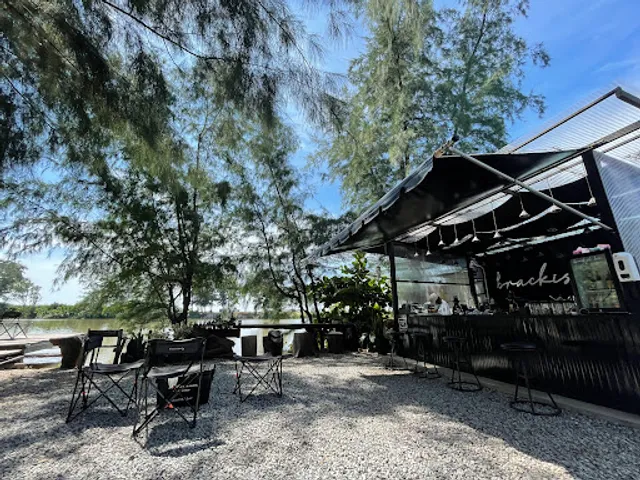
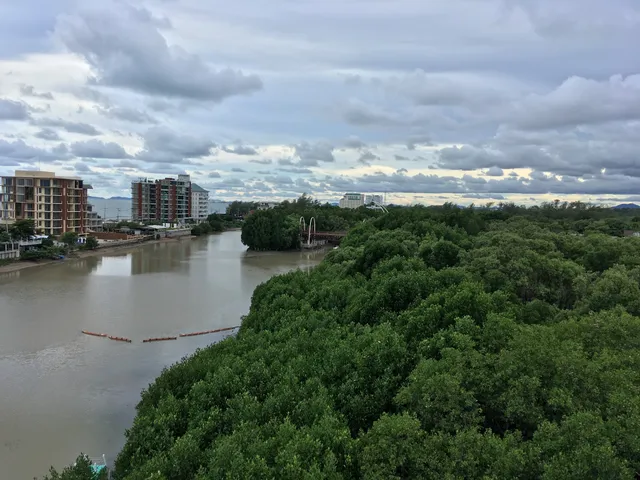
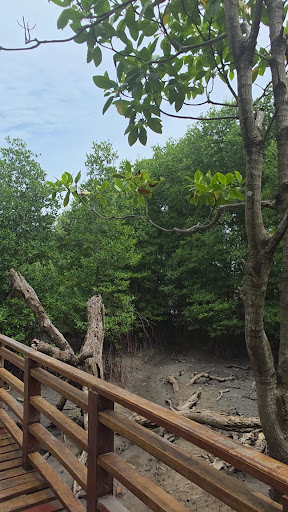
It was a good visit to the pagoda , especially the nearby bridge walk where you will see a lot of mangrove trees surrounded by the Pagoda. If you reach there early morning or evening , you will really enjoy the walk , else at day time it was really hot.
Don't forget to take water and a hat...
   Read moreāđāļāļāļĩāļĒāđāļāļĨāļēāļāļāđāļģ āļāļąāđāļāļāļĒāļđāđāļāļĩāđāļāļģāļāļĨāļāļēāļāļāđāļģ āļāļģāđāļ āļāđāļĄāļ·āļāļ āļāļąāļāļŦāļ§āļąāļāļĢāļ°āļĒāļāļ āļāļĢāļ°āđāļāļāļĩāļĒāđāļāļĨāļēāļāļāđāļģ āļĨāļąāļāļĐāļāļ°āđāļāđāļāđāļāļāļĩāļĒāđāļāļĢāļāļĢāļ°āļāļąāļ āļāļāļēāļāļĒāđāļāļĄ āļŠāļđāļāļĢāļēāļ§ 10 āđāļĄāļāļĢ āļāļąāđāļāļāļĒāļđāđāļāļāđāļāļēāļ°āļāļĨāļēāļāđāļĄāđāļāđāļģāļĢāļ°āļĒāļāļ āļāđāļēāļāļāļĨāļēāļāļāđāļēāļāļēāļĒāđāļĨāļāļāļĩāđāļĒāļēāļ§āđāļŦāļĒāļĩāļĒāļ āļĄāļĩāļāđāļģāļĨāđāļāļĄāļĢāļāļ āđāļāļ·āđāļāļāļĩāđāļĢāļēāļ§ 52 āđāļĢāđ āđāļāļĻāļāļēāļĨāļāļāļĢāļĢāļ°āļĒāļāļāđāļāđāļŠāļĢāđāļēāļāļŠāļ°āļāļēāļāļāļāļāļāļĢāļĩāļāđāļāđāļēāđāļāļŠāļđāđāđāļāļāļĩāļĒāđ āđāļāļāļĩāļĒāđāļāļĩāđāļŠāļĢāđāļēāļ āļ. āļĻ. 2416 āđāļāļŠāļĄāļąāļĒ āļāļĢāļ°āļĒāļēāļĻāļĢāļĩāļŠāļĄāļļāļāļĢāđāļ āļāļāļąāļĒāļāļīāļāļŠāļāļāļĢāļēāļĄ (āđāļāļāļļ āļĒāļĄāļāļīāļāļāļē) āđāļāđāļāđāļāđāļēāđāļĄāļ·āļāļāļĢāļ°āļĒāļāļ āļŠāļĢāđāļēāļāļāļķāđāļāđāļāļ·āđāļāđāļāđāļāļŠāļąāļāļĨāļąāļāļĐāļāđ āđāļŦāđāļāļēāļ§āđāļĢāļ·āļ āļŦāļĢāļ·āļāļāļđāđāđāļāļĒāļŠāļēāļĢāļāļĩāđāđāļāļīāļāļāļēāļāļāđāļēāļāļāļķāļāļāļĢāļīāđāļ§āļāļāļąāđāļāđāļāđāļāļĢāļēāļāļ§āđāļēāļĄāļēāļāļķāļāđāļĄāļ·āļāļāļĢāļ°āļĒāļāļāđāļĨāđāļ§ āļŠāļĄāļąāļĒāđāļāļĢāļēāļāļĄāļĩāđāļāđāđāļŠāđāļāļāļēāļāļāļĄāļāļēāļāļĄ āļāļēāļāļāđāļģāđāļāļĩāļĒāļāļāļēāļāđāļāļĩāļĒāļ§āđāļāđāļēāļāļąāđāļāļāļĩāđāļāļ°āđāļāđāļēāļŠāļđāđāļāļąāļ§āđāļĄāļ·āļāļāļĢāļ°āļĒāļāļāđāļāđāļŠāļ°āļāļ§āļ āļāļķāđāļāļŠāļąāļāļāļīāļĐāļāļēāļāļ§āđāļēāļŠāļĢāđāļēāļāđāļāļĢāļīāļāļĢāļāļĒāļāļēāļĄāđāļāļ āļāļĢāļ°āļŠāļĄāļļāļāļĢāđāļāļāļĩāļĒāđ āļŦāļĢāļ·āļ āđāļāļāļĩāļĒāđāļāļĨāļēāļāļāđāļģ āđāļĄāļ·āļāļāļŠāļĄāļļāļāļĢāļāļĢāļēāļāļēāļĢāļāļĩāđāđāļāđāļāļŠāļąāļāļĨāļąāļāļĐāļāđāđāļŦāđāļāļĢāļĢāļāļēāļāļđāđāđāļāļīāļāļāļēāļāļāđāļēāļāļĄāļē āļāļķāļāļāļļāļāļāļĩāđāļāļĢāļēāļāļ§āđāļē āđāļāļĨāđāļāļ°āļāļķāļāļāļĢāļļāļāđāļāļāļĄāļŦāļēāļāļāļĢāđāļĨāđāļ§ āļāļĢāļ°āđāļāļāļĩāļĒāđāļāļĨāļēāļāļāđāļģ āđāļāļāļĩāļĒāđāļāļĨāļēāļāļāđāļģāļāļ·āļāđāļāđāļāļŠāļąāļāļĨāļąāļāļĐāļāđāļāļāļāļāļąāļāļŦāļ§āļąāļāļĢāļ°āļĒāļāļ āđāļĨāļ°āđāļāđāļāļŠāļīāđāļāļāļĩāđāļāļēāļ§āļĢāļ°āļĒāļāļāđāļāļēāļĢāļāļāļąāļāļāļ·āļāļĄāļēāļ āļĢāļēāļ§āļāļĨāļēāļāđāļāļ·āļāļ 12 āļāļāļāļāļļāļāļāļĩāļāļķāđāļāđāļāđāļāļĪāļāļđāļāđāļģāļŦāļĨāļēāļ āļāļ°āļĄāļĩāļāļēāļāļāļĢāļ°āđāļāļāļĩāļāļāļāļāļāļīāļāđāļĨāļ°āļāļēāļāļŦāđāļĄāļāđāļēāđāļāļāļĩāļĒāđāļāļĨāļēāļāļāđāļģ āļāļāļāļāļēāļāļāļąāđāļāļāļ°āļĄāļĩ āļāļēāļāļĨāļāļĒ āļāļĢāļ°āļāļ āđāļāđāļāđāļĢāļ·āļāļĒāļēāļ§ āļāļĢāļ°āđāļāļāļĩāļŦāđāļĄāļāđāļēāđāļāļāļĩāļĒāđāļāļąāđāļ āļāđāļēāļāļĩāđāļāļ°āļāļģāļĄāļēāļŦāđāļĄāļāđāļāļāđāļāđāļāļāđāļēāļŠāļĩāđāļāļ āļĄāļĩāļāļ§āļēāļĄāļĒāļēāļ§ 6 āđāļĄāļāļĢ āđāļāđāļāļ 2 āļāļāļāļĩāļ āļāļķāđāļāđāļāļŦāđāļĄāļŠāđāļ§āļāļāļāļāļāļāđāļāļāļĩāļĒāđ āļāļĢāļīāđāļ§āļāļĢāļāļāđāđāļāļāļĩāļĒāđāļĄāļĩāļāļēāļĢāļāļĨāļđāļāļāđāļēāļŠāļ āļāļģāđāļŦāđāļĢāđāļĄāļĢāļ·āđāļāļŠāļ§āļĒāļāļēāļĄāļāļķāļāđāļāđāļāļŠāļāļēāļāļāļĩāđāļāļąāļāļāđāļāļāļŦāļĒāđāļāļāđāļ āļāļāļāļāļēāļ§āđāļĄāļ·āļāļāđāļ āđāļ§āļĨāļēāļ§āđāļēāļāļāļĩāļāļāđāļ§āļĒāļāļąāļāļāļļāļāļąāļāđāļāļĻāļāļēāļĨāļāļāļĢāļĢāļ°āļĒāļāļāđāļāđāļāļģāļāļēāļĢāļāļđāļĢāļāļ°āļāļĢāļ°āđāļāļāļĩāļĒāđāđāļĨāļ° āļāļĢāļīāđāļ§āļāļĢāļāļāļāļāļāđ āļāļĒāđāļēāļ āļŠāļ§āļĒāļāļēāļĄ...
   Read more