HTML SitemapExplore
logo
Find Things to DoFind The Best Restaurants

Punic Ports of Carthage — Attraction in Tunis

Name
Punic Ports of Carthage
Description
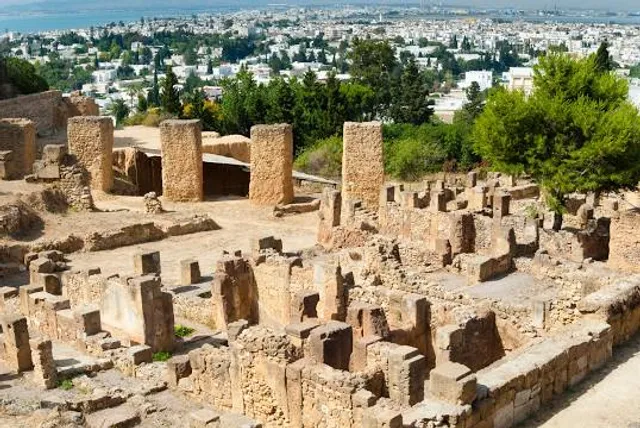
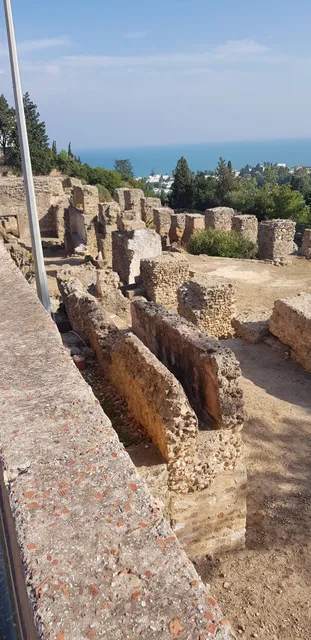
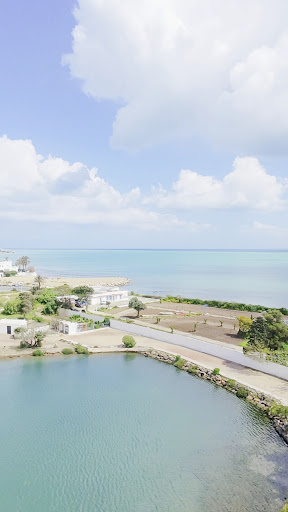
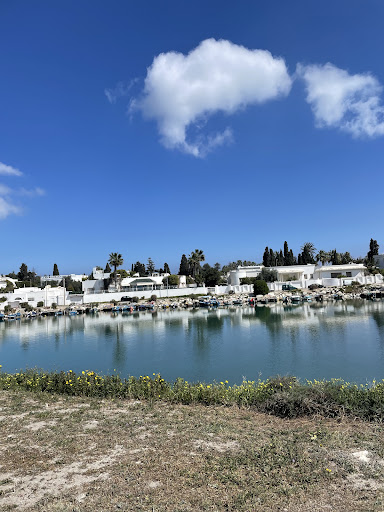
The Carthage Punic Ports were the old ports of the city of Carthage that were in operation during ancient times. Carthage was first and foremost a thalassocracy, that is, a power that was referred to as an Empire of the Seas, whose primary force was based on the scale of its trade.
Nearby attractions
Oceanographic Museum of Carthage
Salammbo, Tunisia
Salammbo sacrificial structure
R8RF+G45, طريق, La Goulette 7016, Tunisia
Carthage Paleo-Christian Museum
R8XF+8VM, Carthage, Tunisia
Byrsa Hill
88 La Goulette Rd, Carthage, Tunisia
Ancient punic living quarters
V82G+9MH, Tunisia
Carthage National Museum
V83F+8M6, Carthage, Tunisia
Archaeological site of Carthage
88 La Goulette Rd, Carthage, Tunisia
Ancient Forum of Carthage
V83F+7QR, Carthage, Tunisia
Nearby restaurants
Les Indécis
4 Rue Hanon, Carthage, Tunisia
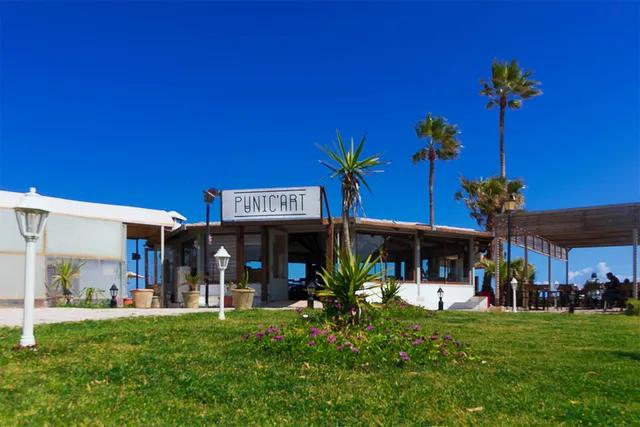
Punic'Art
Imp. Diar El Bahar, Site archéologique de Carthage, Tunisia
Tchevap
51 La Goulette Rd, Carthage, Tunisia
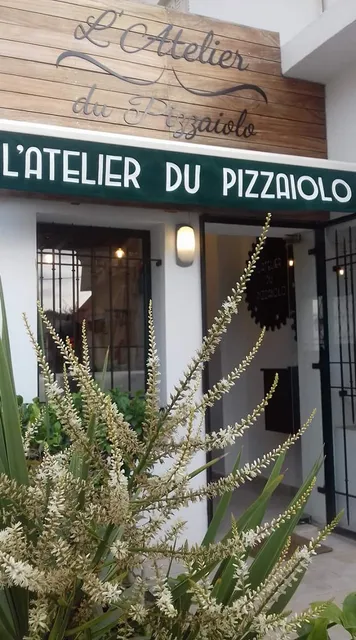
L'Atelier du Pizzaiolo
2 Rue Pline, Site archéologique de Carthage 2016, Tunisia
Restaurant Le Punique
R8RC+9R4, Rue Hannibal, Site archéologique de Carthage, Tunisia
Westwood fastfood
Carthage dermech, 1 Rue Hanoun, Site archéologique de Carthage 2016, Tunisia
Neptune
13 Rue Ibn Chabat, Site archéologique de Carthage 2016, Tunisia
Nearby hotels
Villa Didon Hotel
V82G+X35 Byrsa, Rue Mendes France, 2016, Tunisia
Salambo
02 Rue Hannibal, Site archéologique de Carthage, Tunisia
Related posts
Keywords
Punic Ports of Carthage tourism.Punic Ports of Carthage hotels.Punic Ports of Carthage bed and breakfast. flights to Punic Ports of Carthage.Punic Ports of Carthage attractions.Punic Ports of Carthage restaurants.Punic Ports of Carthage travel.Punic Ports of Carthage travel guide.Punic Ports of Carthage travel blog.Punic Ports of Carthage pictures.Punic Ports of Carthage photos.Punic Ports of Carthage travel tips.Punic Ports of Carthage maps.Punic Ports of Carthage things to do.
Punic Ports of Carthage things to do, attractions, restaurants, events info and trip planning
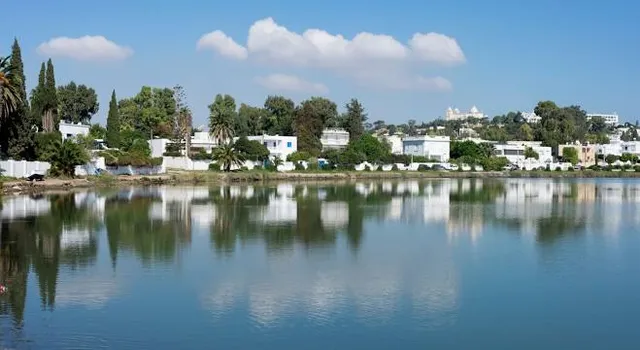
Punic Ports of Carthage
TunisiaTunisTunisPunic Ports of Carthage

Basic Info

Punic Ports of Carthage

R8WG+257, Rue du 2 mars 1934, Site archéologique de Carthage, Tunisia
4.3(478)
Closed
Save
spot

Ratings & Description

Info

The Carthage Punic Ports were the old ports of the city of Carthage that were in operation during ancient times. Carthage was first and foremost a thalassocracy, that is, a power that was referred to as an Empire of the Seas, whose primary force was based on the scale of its trade.

Cultural
Scenic
Family friendly
attractions: Oceanographic Museum of Carthage, Salammbo sacrificial structure, Carthage Paleo-Christian Museum, Byrsa Hill, Ancient punic living quarters, Carthage National Museum, Archaeological site of Carthage, Ancient Forum of Carthage, restaurants: Les Indécis, Punic'Art, Tchevap, L'Atelier du Pizzaiolo, Restaurant Le Punique, Westwood fastfood, Neptune
logoLearn more insights from Wanderboat AI.
Open hoursSee all hours
Mon8:30 AM - 5 PMClosed

Plan your stay

hotel
Pet-friendly Hotels in Tunis
Find a cozy hotel nearby and make it a full experience.

hotel
Affordable Hotels in Tunis
Find a cozy hotel nearby and make it a full experience.

hotel
The Coolest Hotels You Haven't Heard Of (Yet)
Find a cozy hotel nearby and make it a full experience.

hotel
Trending Stays Worth the Hype in Tunis
Find a cozy hotel nearby and make it a full experience.

Reviews

Nearby attractions of Punic Ports of Carthage

Oceanographic Museum of Carthage

Salammbo sacrificial structure

Carthage Paleo-Christian Museum

Byrsa Hill

Ancient punic living quarters

Carthage National Museum

Archaeological site of Carthage

Ancient Forum of Carthage

Oceanographic Museum of Carthage

Oceanographic Museum of Carthage

4.0

(238)

Closed
Click for details
Salammbo sacrificial structure

Salammbo sacrificial structure

4.2

(288)

Open 24 hours
Click for details
Carthage Paleo-Christian Museum

Carthage Paleo-Christian Museum

3.4

(34)

Open 24 hours
Click for details
Byrsa Hill

Byrsa Hill

4.6

(777)

Open 24 hours
Click for details

Nearby restaurants of Punic Ports of Carthage

Les Indécis

Punic'Art

Tchevap

L'Atelier du Pizzaiolo

Restaurant Le Punique

Westwood fastfood

Neptune

Les Indécis

Les Indécis

4.8

(270)

Click for details
Punic'Art

Punic'Art

3.5

(671)

Click for details
Tchevap

Tchevap

3.9

(76)

Click for details
L'Atelier du Pizzaiolo

L'Atelier du Pizzaiolo

4.9

(42)

Click for details
Get the Appoverlay
Get the AppOne tap to find yournext favorite spots!
Wanderboat LogoWanderboat

Your everyday Al companion for getaway ideas

CompanyAbout Us
InformationAI Trip PlannerSitemap
SocialXInstagramTiktokLinkedin
LegalTerms of ServicePrivacy Policy

Get the app

© 2025 Wanderboat. All rights reserved.
logo

Posts

夏候墩夏候墩
The ports of Carthage were arranged in such a way that ships could pass from one to the other; they were accessed from the sea through an entrance about 21 m wide, which was closed with an iron chain. The first port, reserved for merchant ships, was provided with numerous and varied moorings. In the middle of the inner harbour was an island. The island and the harbour were bordered by large ports. Along these ports were hangars, which could accommodate 220 warships, and above the hangars were erected warehouses for the rigging. In front of each hangar rose two Ionic columns, which gave the circumference of the harbor and the island the appearance of a portico. A pavilion was built on the island for the admiral, and from this building, the trumpet signals and herald calls were made. From there, the admiral exercised his vigilance. The island was located in front of the entrance and was at a higher altitude: thus the admiral could see what was happening at sea, while those arriving from beyond could not clearly distinguish the interior of the port. The arsenals were invisible even to merchant ships: they were surrounded by a double wall and equipped with gates, which allowed merchant ships to pass from the first port to the city without being able to pass through the arsenals.
Camelia LazarCamelia Lazar
The Punic ports of Carthage consisted of two main harbors: the Cothon and the Military Harbor. The Cothon was a circular harbor protected by a mole, or a breakwater, which created a safe haven for ships to anchor and unload their cargo. It was surrounded by quays, or stone-built platforms, that provided docking space for numerous ships. The Military Harbor, also known as the Portus Magnus, was a larger harbor that could accommodate larger ships and served as the main naval base of Carthage. It was strategically located and well-fortified, with strong walls and towers, to protect Carthaginian naval vessels and ensure the city's maritime dominance. Both the Cothon and the Military Harbor were engineering marvels of their time, constructed using advanced techniques of ancient maritime engineering.
souad yassinesouad yassine
The Punic Port is a peaceful and historically rich site, offering a glimpse into the impressive naval power of ancient Carthage. Once the heart of the Carthaginian navy, the circular military port and rectangular commercial harbor are still visible, giving visitors a sense of the city's strategic genius. Though not much remains structurally, the site's calm atmosphere and views over the water make it a lovely stop, especially at sunset. There are a few signs explaining the history, but visiting with a guide or doing a bit of research beforehand helps to appreciate its full importance. It's a quick visit (30–45 minutes), perfect to combine with nearby sites like the Byrsa Hill, Antonine Baths, or the Carthage Museum.
See more posts
See more posts
hotel
Find your stay

Pet-friendly Hotels in Tunis

Find a cozy hotel nearby and make it a full experience.

The ports of Carthage were arranged in such a way that ships could pass from one to the other; they were accessed from the sea through an entrance about 21 m wide, which was closed with an iron chain. The first port, reserved for merchant ships, was provided with numerous and varied moorings. In the middle of the inner harbour was an island. The island and the harbour were bordered by large ports. Along these ports were hangars, which could accommodate 220 warships, and above the hangars were erected warehouses for the rigging. In front of each hangar rose two Ionic columns, which gave the circumference of the harbor and the island the appearance of a portico. A pavilion was built on the island for the admiral, and from this building, the trumpet signals and herald calls were made. From there, the admiral exercised his vigilance. The island was located in front of the entrance and was at a higher altitude: thus the admiral could see what was happening at sea, while those arriving from beyond could not clearly distinguish the interior of the port. The arsenals were invisible even to merchant ships: they were surrounded by a double wall and equipped with gates, which allowed merchant ships to pass from the first port to the city without being able to pass through the arsenals.
夏候墩

夏候墩

hotel
Find your stay

Affordable Hotels in Tunis

Find a cozy hotel nearby and make it a full experience.

Get the Appoverlay
Get the AppOne tap to find yournext favorite spots!
The Punic ports of Carthage consisted of two main harbors: the Cothon and the Military Harbor. The Cothon was a circular harbor protected by a mole, or a breakwater, which created a safe haven for ships to anchor and unload their cargo. It was surrounded by quays, or stone-built platforms, that provided docking space for numerous ships. The Military Harbor, also known as the Portus Magnus, was a larger harbor that could accommodate larger ships and served as the main naval base of Carthage. It was strategically located and well-fortified, with strong walls and towers, to protect Carthaginian naval vessels and ensure the city's maritime dominance. Both the Cothon and the Military Harbor were engineering marvels of their time, constructed using advanced techniques of ancient maritime engineering.
Camelia Lazar

Camelia Lazar

hotel
Find your stay

The Coolest Hotels You Haven't Heard Of (Yet)

Find a cozy hotel nearby and make it a full experience.

hotel
Find your stay

Trending Stays Worth the Hype in Tunis

Find a cozy hotel nearby and make it a full experience.

The Punic Port is a peaceful and historically rich site, offering a glimpse into the impressive naval power of ancient Carthage. Once the heart of the Carthaginian navy, the circular military port and rectangular commercial harbor are still visible, giving visitors a sense of the city's strategic genius. Though not much remains structurally, the site's calm atmosphere and views over the water make it a lovely stop, especially at sunset. There are a few signs explaining the history, but visiting with a guide or doing a bit of research beforehand helps to appreciate its full importance. It's a quick visit (30–45 minutes), perfect to combine with nearby sites like the Byrsa Hill, Antonine Baths, or the Carthage Museum.
souad yassine

souad yassine

See more posts
See more posts

Reviews of Punic Ports of Carthage

4.3
(478)
avatar
5.0
2y

To start with, I recommend you buy your tickets from another site as they usually don't sell them here

The Punic Ports in Carthage, located in Tunisia, are a remarkable historical site that offers a fascinating glimpse into the maritime history of the ancient Carthaginian civilization. These ports are a testament to the advanced engineering and strategic importance of Carthage in the ancient Mediterranean world.

The Punic Ports consist of three main basins: the Cothon, the military harbor; the circular commercial harbor; and the rectangular military harbor. Each of these harbors served specific purposes, showcasing the Carthaginians' mastery of naval architecture and organization.

The Cothon, in particular, is a striking feature. Its unique circular design allowed for efficient mooring and protection of Carthaginian warships, emphasizing the city's prowess as a naval power. The ingenious use of a central island for ship maintenance and quick access to the sea is a testament to their engineering skills.

The commercial harbor, surrounded by quays and docks, highlights Carthage's role as a vital trade hub in the Mediterranean. It was here that goods from across the ancient world converged, further enriching the city's culture and economy.

Exploring the Punic Ports today provides visitors with a captivating journey back in time. The archaeological remains are well-preserved, and informative signage and exhibits help visitors understand the historical significance of each harbor. Additionally, the scenic views of the Mediterranean Sea add to the overall experience.

While the Punic Ports lack some of the grandeur of other ancient sites, their historical importance and the insights they offer into Carthage's maritime achievements make them a must-visit for history enthusiasts and anyone interested in the ancient Mediterranean world. These ports are a tangible link to a civilization that played a crucial role in shaping the region's history, and they continue to inspire awe...

   Read more
avatar
5.0
36w

The ports of Carthage were arranged in such a way that ships could pass from one to the other; they were accessed from the sea through an entrance about 21 m wide, which was closed with an iron chain. The first port, reserved for merchant ships, was provided with numerous and varied moorings. In the middle of the inner harbour was an island. The island and the harbour were bordered by large ports. Along these ports were hangars, which could accommodate 220 warships, and above the hangars were erected warehouses for the rigging. In front of each hangar rose two Ionic columns, which gave the circumference of the harbor and the island the appearance of a portico. A pavilion was built on the island for the admiral, and from this building, the trumpet signals and herald calls were made. From there, the admiral exercised his vigilance. The island was located in front of the entrance and was at a higher altitude: thus the admiral could see what was happening at sea, while those arriving from beyond could not clearly distinguish the interior of the port. The arsenals were invisible even to merchant ships: they were surrounded by a double wall and equipped with gates, which allowed merchant ships to pass from the first port to the city without being able to pass through...

   Read more
avatar
5.0
3y

How you value this area is directly related to your interest in history.

So here goes my objective comment of what you will see: a weed-covered, rather dirty shallow ring of water surrounded by a dirt path and an ordinary Tunisian neighborhood (nowhere near as ratty as other reviews claim, and certainly not dangerous at all)

However, if you know this is pretty much all that's left of the original punic Carthage, the once great city state that challenged Rome and was at some point pretty close to winning (which would have created a completely different world, with a much smaller European incidence and a much more powerful Africa), this shallow ring of dirty water takes a much more significant meaning.

At the very least, it will make you reassess the old saying "history is written by...

   Read more
Page 1 of 7
Previous
Next