Ancient City of Troy things to do, attractions, restaurants, events info and trip planning
Basic Info
Ancient City of Troy
Ancient City of Troy, Truva altı sokak, 17100 Tevfikiye/Çanakkale Merkez/Çanakkale, Türkiye
4.5(5.8K)
Open until 5:00 PM


tickets
Save
spot
spot
Ratings & Description
Info
Cultural
Scenic
Outdoor
Family friendly
attractions: Troy National Park, Layers of Troya, Museum of Troy, Tevfikiye Arkeo-Köy Projesi, restaurants: OLEA RESTAURANT CAFE & SOUVENIRS, local businesses: Ancient City of Troy, Troy National Park, Troia Pension
 Learn more insights from Wanderboat AI.
Phone
+90 286 217 67 40
Website
kulturportali.gov.tr
Open hoursSee all hours
Mon8:30 AM - 5 PMOpen
Plan your stay

Pet-friendly Hotels in Çanakkale Merkez
Find a cozy hotel nearby and make it a full experience.

Affordable Hotels in Çanakkale Merkez
Find a cozy hotel nearby and make it a full experience.

The Coolest Hotels You Haven't Heard Of (Yet)
Find a cozy hotel nearby and make it a full experience.

Trending Stays Worth the Hype in Çanakkale Merkez
Find a cozy hotel nearby and make it a full experience.
Reviews
Live events
Discover Turkish cuisine in my antique workshop
Mon, Feb 16 • 4:00 PM
17000, Çanakkale, Çanakkale, Turkey
View details
Nearby attractions of Ancient City of Troy
Troy National Park
Layers of Troya
Museum of Troy
Tevfikiye Arkeo-Köy Projesi
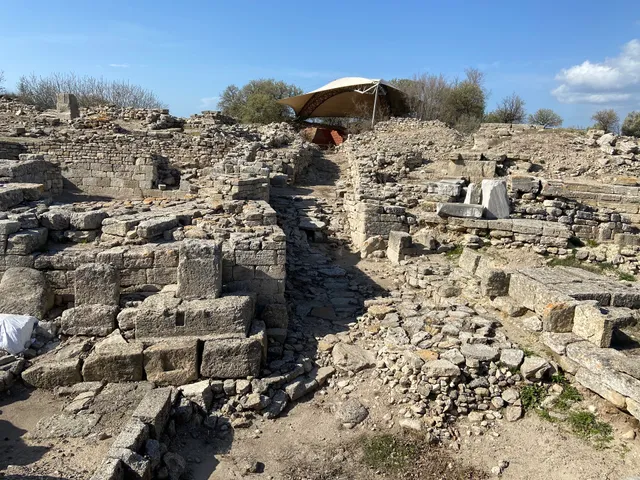
Troy National Park
4.4
(479)
Open until 5:30 PM
Click for details
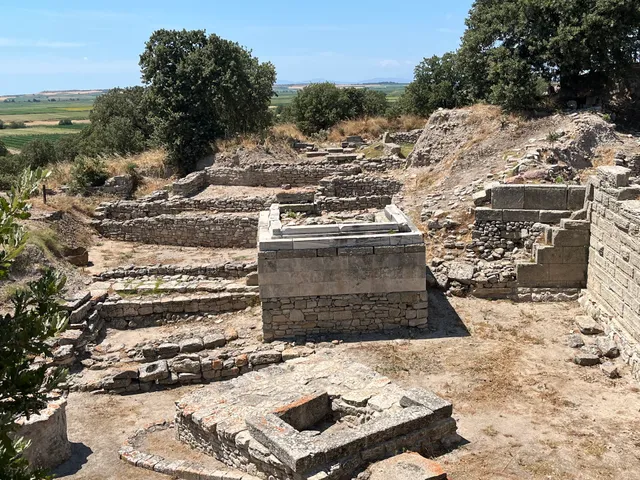
Layers of Troya
4.5
(10)
Open 24 hours
Click for details
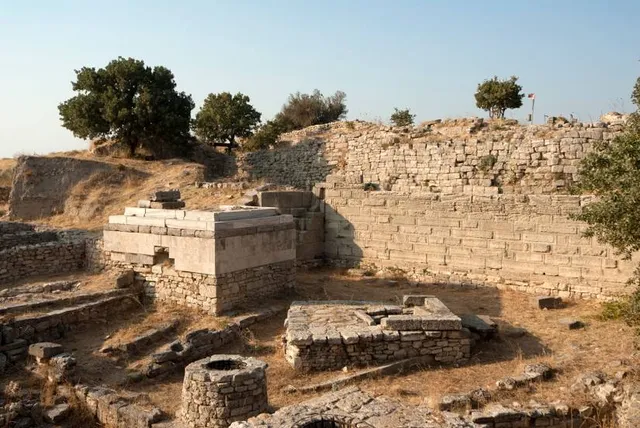
Museum of Troy
4.7
(4.2K)
Open until 5:30 PM
Click for details

Tevfikiye Arkeo-Köy Projesi
4.6
(39)
Open 24 hours
Click for details
Nearby restaurants of Ancient City of Troy
OLEA RESTAURANT CAFE & SOUVENIRS
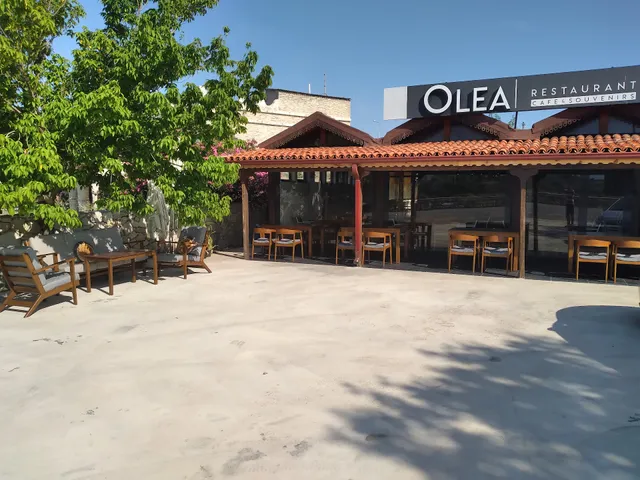
OLEA RESTAURANT CAFE & SOUVENIRS
4.3
(111)
Open until 7:00 PM
Click for details
Nearby local services of Ancient City of Troy
Ancient City of Troy
Troy National Park
Troia Pension
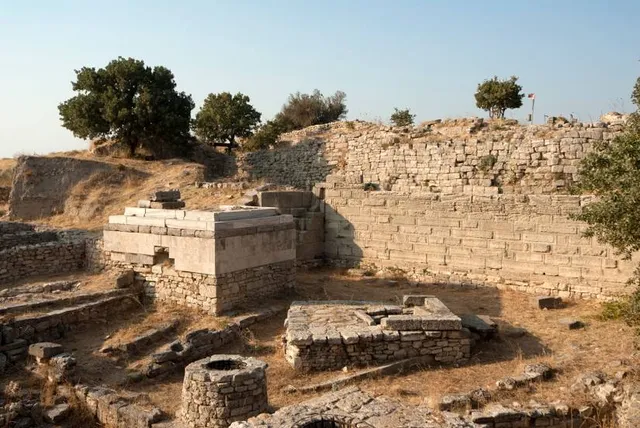
Ancient City of Troy
4.5
(4.7K)
Click for details
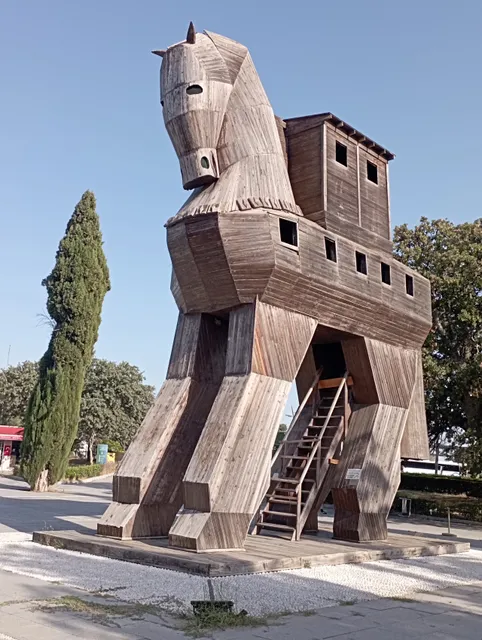
Troy National Park
4.4
(394)
Click for details
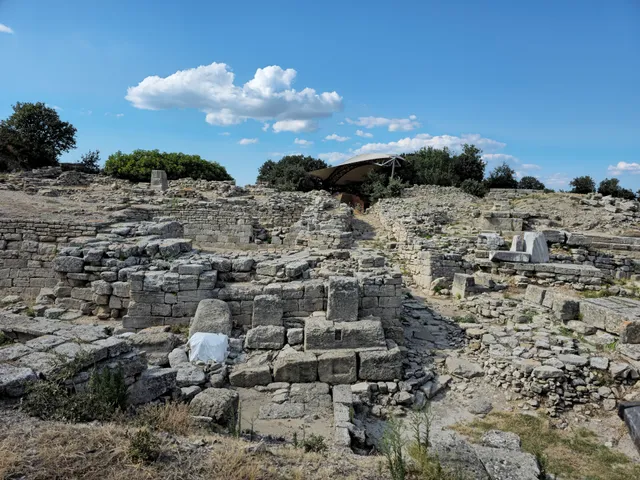
Troia Pension
4.2
(38)
Click for details