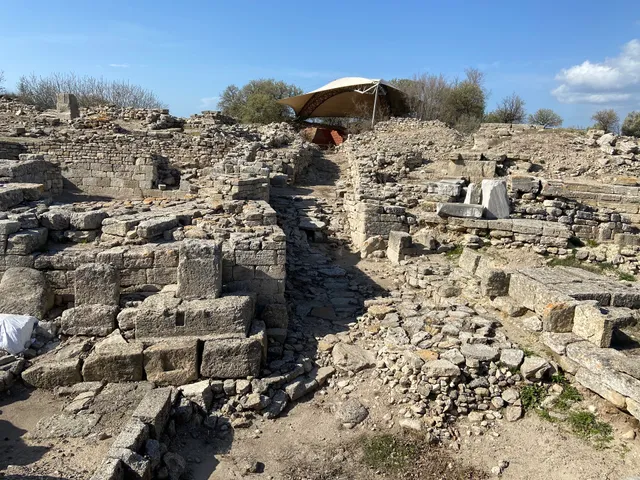
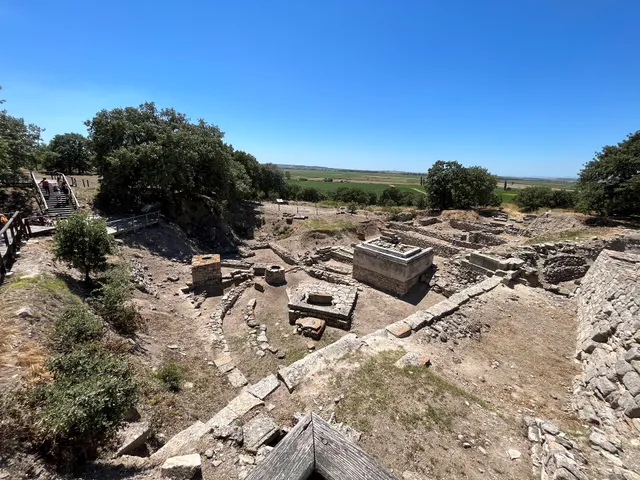
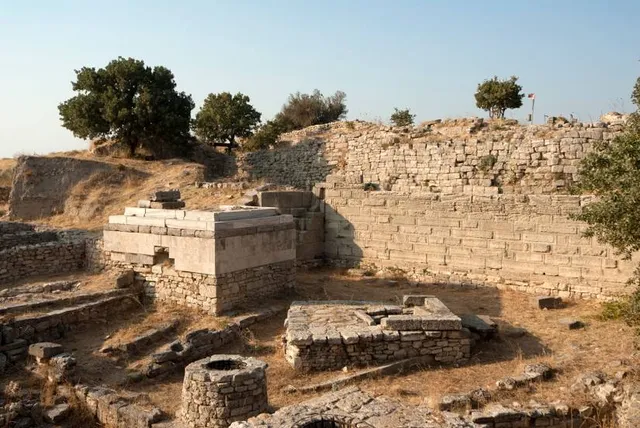
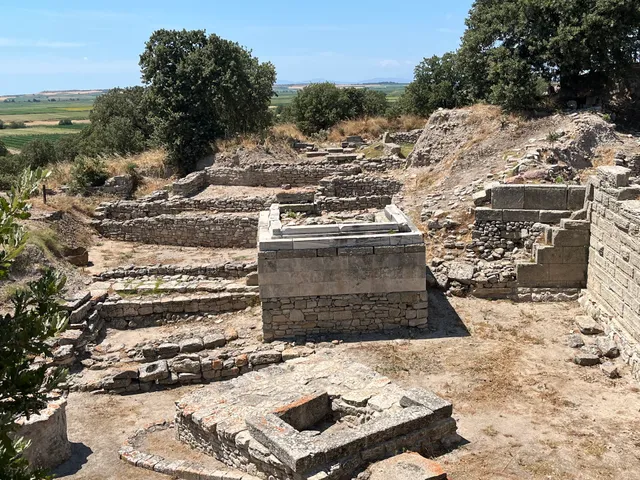
I was thrilled to visit Troy National Park (also known as Troya Tarihi Milli Park) during a recent trip to Turkey as a history enthusiast. The park, which is a UNESCO World Heritage site and where the ancient city of Troy once stood, provides a fantastic opportunity to examine the remains of a long-dead civilisation. The park has its interesting and beautiful moments, but overall there wasn't much to see, therefore I gave it a rating of only four out of five stars.
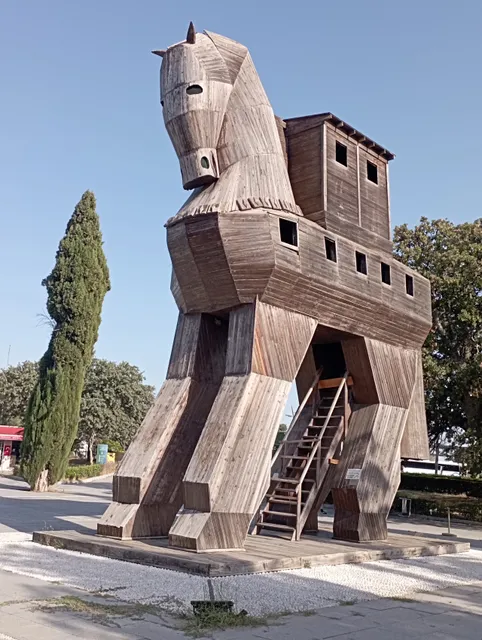
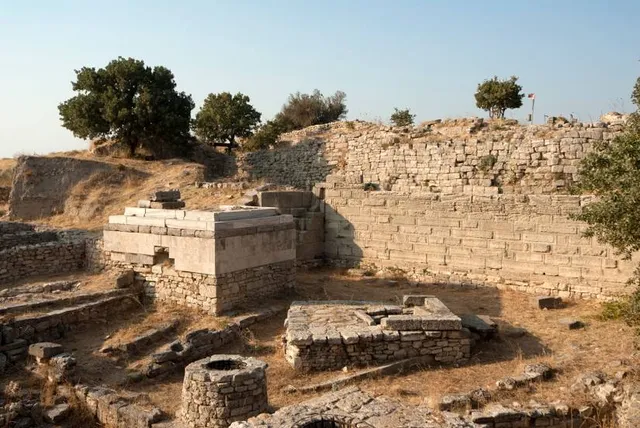
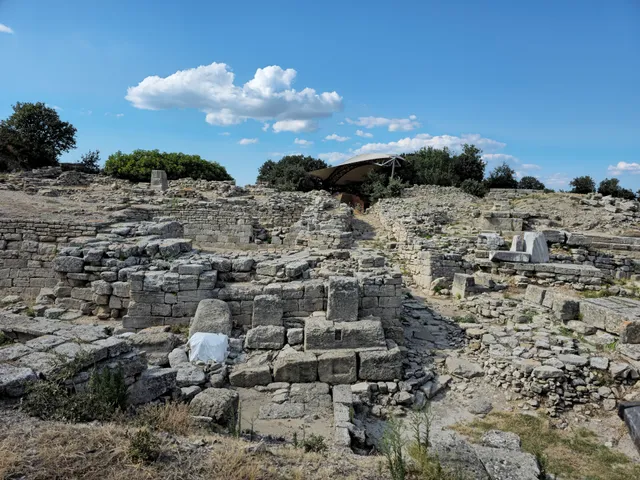
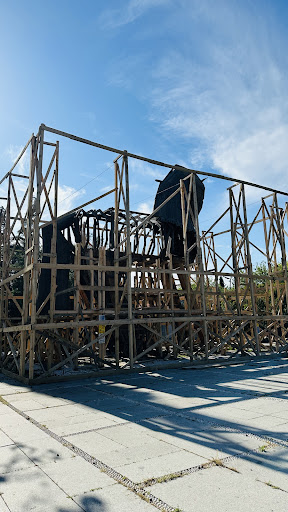
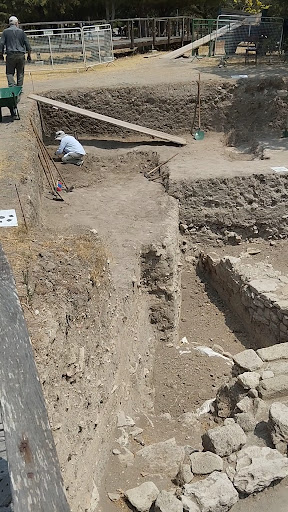
I was welcomed by a facsimile of the well-known Trojan Horse as I entered the park, which serves as a reminder of the extensive mythology centred on the city of Troy. I continued exploring the area and discovered the well-preserved remains, which provided a fascinating window into the past. The park is intelligently laid out, with distinct pathways and educational signs that direct visitors to the various parts of the historic city.
The chance to examine the Temple of Athena's ruins, which date back to the Hellenistic era, was one of the highlights of my trip. Massive columns and exquisite carvings on the temple offered a remarkable look at the period's level of architectural skill. Another thing I liked was the Odeon, a little theatre that once held musical performances and other activities.
Despite these fascinating historical locations, I couldn't help but feel that the overall experience lacked something. The park lacks the vitality and vigour that I've grown to anticipate from other Turkish historical places. The ruins themselves were in good shape, but there weren't many entertaining activities or interactive exhibits to help bring the history of the city to life.
There were also only a few places to visit due to the park's small size, which made me wish there were more. I would have enjoyed more opportunity to learn about the city's history, especially in terms of what life was like for Troy's ancient residents and the numerous occupations that occurred over the city's lengthy history.
In conclusion, Troy National Park is unquestionably a significant historical site and a must-see for history enthusiasts, but it might not have enough to keep everyone interested. Some people might not be impressed by the park because of its small size and lack of interactive attractions. However, the chance to follow in the footsteps of ancient cultures and explore the ruins of a once-great city is an experience not to be missed for anyone with a keen interest in the history of Troy and...
Read moreIt is an area declared as a national park in 1996 in order to protect the historical and cultural texture in and around the ruins of Troy in the ancient Troas region.[2] It is located within the borders of Ezine district, at the entrance of the Dardanelles. Within the Troy Historical National Park, there are 2 ancient cities, 4 tumuli, 3 monuments, 3 registered tombs, which are declared as 1st degree Archaeological Site.
The main value of the Troy Historical National Park is the ancient city of Troy and its archaeological riches, which are included in the World Heritage List. This area is known and recognized worldwide as the site of the Trojan War described by Homer in his epics.
Troy was added to the UNESCO World Heritage List in December 1998.[3] 2018 was declared as the Year of Troy in Turkey due to the 20th anniversary of Troy's inscription on the UNESCO World Heritage List; the Troy Museum in the National Park was opened in October 2018 to exhibit artifacts from the cities of...
Read moreTroya Tarihi Milli Parkı, bir arkeolojik alanı ve doğal güzellikleri bir arada sunan, Çanakkale’de Tevfikiye köyü yakınlarında yer alan tarihi ve kültürel bir hazinedir.
Genel Bilgiler ve Tarihçesi Milli Park, 30 Eylül 1996 tarihinde Bakanlar Kurulu kararıyla ilan edilmiştir. Alan büyüklüğü yaklaşık 13.350 hektardır. . 1998 yılında, Troya Antik Kenti ve çevresi UNESCO Dünya Mirası Listesi’ne dahil edilmiştir. . Coğrafya ve Ekolojik Yapı Park, Çanakkale ve Ezine ilçeleri sınırları içinde, Ege ve Marmara bölgelerinin kesişim noktasında, Çanakkale Boğazı'nın güney kıyısında yer alır. . Neolitik Çağ’dan (MÖ 5. bin) 20. yüzyıla kadar pek çok dönemi kapsayan arkeolojik eserleri barındırır. Ayrıca doğal ekosistemler açısından da; endemik bitkiler, Karamenderes Nehri deltası ve çeşitli habitatlarla zengindir. . Arkeolojik ve Tarihsel Zenginlik Park, Troya Antik Kenti (Hisarlık Höyüğü) içermekte olup, bu höyük 9 katmanlı yerleşime sahiptir (Troy I–IX), MÖ 3000 civarından Roma dönemine kadar uzanır. . İçerisinde antik kent kalıntılarının yanı sıra; 4 tümülüs, 2 antik kent alanı, 3 anıt eser, 2 tescilli mezar, ayrıca 1915 Çanakkale Savaşları’ndan kalma top mevzileri ve bir şehitlik gibi tarihi yapılar da yer alır. . Ziyaretçi Deneyimi Parkta, arkeolojik alana girmeden önce ziyaretçilere açık devasa bir “tahta Truva Atı” yer almakta; içinden gezilebilen bu sembolik yapı oldukça ilgi çeker. . Kazı alanına yürüyen yollar, bilgilendirici tabelalar ve ahşap platformlar eşlik eder. Modern Troya Müzesi ise 2018'de açılmış olup 2.000'in üzerinde eseri sergilemektedir. Toplam koleksiyon ise yaklaşık 40.000 eser içerir. . Doğal ve Ekoturistik Değerler Park, zengin flora ve faunasıyla dikkat çeker: 312 bitki türü (yedi endemik), 142 kuş, 29 memeli ve çeşitli sürüngen türleri barındırır. . Kumkale Deltası, kuş göç yolları ve doğal habitatlar bakımından bölgenin ekolojik açıdan en hassas alanlarındandır. . Ulaşım ve Ziyaret Bilgileri Çanakkale merkezinden özel araçla 30 km, toplu taşıma ile yaklaşık 30 dakikalık mesafededir. . İlkbahar ve sonbahar ayları ziyaret için ideal zamanlardır; yaz aylarında sıcak ve kalabalık, kışın ise daha sakin ama...
Read more