is a plateau village.
The foundation of the Trabzon Pontus Empire dates back to 2250 years ago. When the subject is Uzungöl, we need to talk briefly about the history of Of. The reason for this is that Uzungöl was a village in the district of Of until 1948. Of and Çaykara were affected by every change that took place in Trabzon. Today, Uzungöl is located within the borders of Çaykara district of Trabzon.
The Ottoman records of Uzungöl, whose real name is Saraho, are included in the census book dated 991 in the archive of the prime ministry, and it is understood that there is no Muslim population (1586 BC). The place where it was established is not the place today. The Tsıran Mountain graveyard and Haldızen is the area where the ruins and wall remains of the houses are located below the place, formerly known as Saraho, in the Yente triangle. Ruins and foundation stones of houses have survived until today. The name of Uzungöl is mentioned as Karye-i Saraho in the registration book dated 991.
Tsiran Mountain: a grave in Uzungöl
Saraho: The old name of Uzungöl
Haldızen: a village in Uzungöl
Yente: a village in Uzungöl
Uzungöl official records correspond to the years 1586. But we can say that the date of its foundation is older than 1586. Therefore, the place where it was first established is not included in the official records. Therefore, it started to be registered after moving to the settlement where it is located today. Also, looking at the ruins in Saraho, we can say that Saraho was founded on these dates. Since it is a small village, we can think that transportation is a bit difficult. That is why the history of Uzungöl dates back to very old years. Because when the communities or people migrating from here settle in Uzungöl, they are officially registered. When we look at the population movement in these dates, we can see that the Muslim population settled here. In the prime ministry's registry book dated 961, while the Muslim households in the neighboring village Yente were limited to 17, in the 991 dated tax registry, it was 128. It may be suspicious that so many Muslims settled here in a short period of 30 years. In this case, when we take the surrounding villages as a basis, it becomes clearer. Lack of an agricultural area that can accommodate a dense population also brought about land and land disputes among people. The land disputes that started with Yente and the surrounding villages have survived to the present day and were passed on by the judiciary. Such situations were also seen in the past. The best proof of this is the edicts. We can see the decrees about Of in history. This edict also coincides with the Tulip Period. The sultan of the period, III. Since Sultan Ahmet was in pleasure and delight in the palace, he did not know what was happening in the country. Bandits and opportunistic collaborators acted as they wished in Of and Çaykara regions as in all of Anatolia. They have reached a level to defy the state and continue to persecute the people. We can say that the implementation of nearly 500 edicts in the district of Of is a clear proof of the persecution. This situation has also affected non-Muslim villages, some of whom have immigrated to other places, and others have tried to stay off the books, complaining about tax injustice. This situation did not go unpunished, in 1122 AD in 1716, the villages below Of and Çaykara were exiled with the...
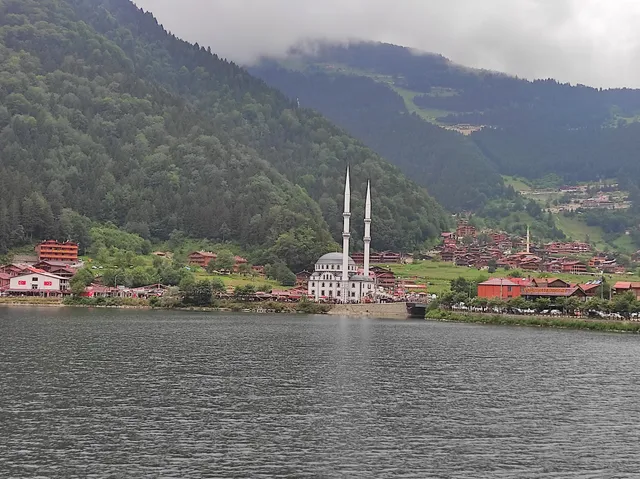
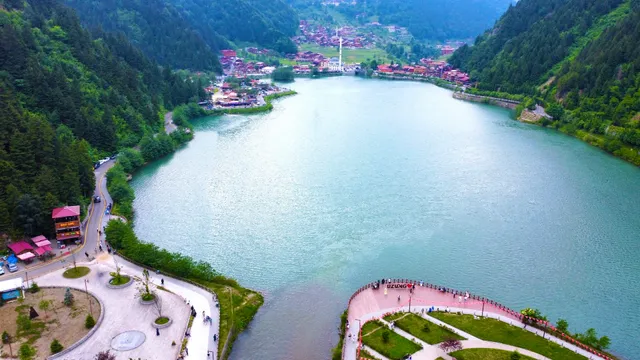
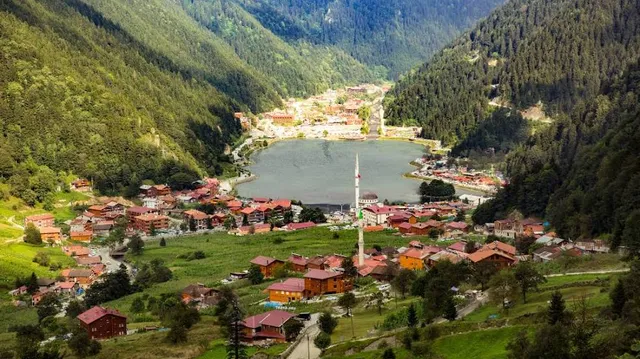
Read moreUzungöl is the most beautiful Turkish village located in the southeast of the city of “Trabzon”, about 100 km from the center of Trabzon. Azungul enjoys a wonderful green nature, which embraces the most famous lake, "Uzungol" lake, meaning the long lake.
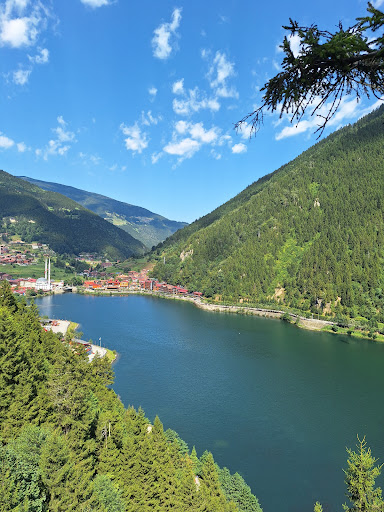
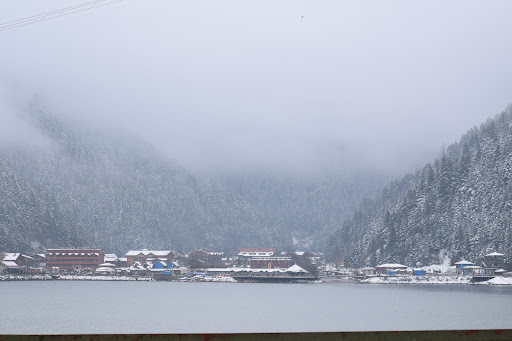
The lake is located on the slopes of the "Sujanli" Mountains, covered with dense green trees, and rises from the sea level about 1200, with a circumference of 7 km. And sunny. It is visited by tourists, visitors and families to enjoy its pure air and wonderful view of its waters, especially in the summer the weather is nice and pleasant, but in winter the lake freezes, and the area is covered with white snow.
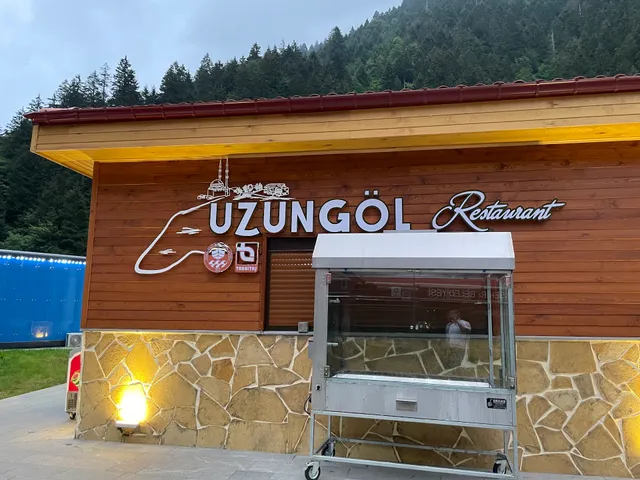
Around the lake there are a lot of restaurants, which serve delicious fish meals, especially salmon, and there are many beautiful small hotels, souvenir shops, and a mosque near the lake.
Uzungöl, Trabzon şehir merkezine yaklaşık 100 km uzaklıkta, “Trabzon” şehrinin güneydoğusunda bulunan en güzel Türk köyüdür. Azungul, en meşhur gölü olan uzun göl anlamına gelen "Uzungöl" gölünü kucaklayan harika bir yeşil doğaya sahiptir.
Göl, "Sücanlı" Dağları'nın yoğun yeşil ağaçlarla kaplı yamaçlarında yer almakta ve deniz seviyesinden yaklaşık 1200, 7 km uzunluğunda yükselmektedir. Ve güneşli.
Turistler, ziyaretçiler ve aileler tarafından temiz havanın ve muhteşem su manzarasının tadını çıkarmak için ziyaret edilir, özellikle yaz aylarında hava güzel ve hoştur, ancak kışın göl donar ve alan beyaz karla kaplanır.
Gölün çevresinde somon başta olmak üzere lezzetli balık yemekleri sunan çok sayıda restoran ve göl kenarında çok sayıda güzel küçük otel, hediyelik eşya dükkanı ve bir cami var.
"أوزنجول" هي أجمل القرى التركية الواقعة جنوب شرق مدينة "طرابزون" وتبعد قرابة 100 كم عن مركز طرابزون. تتمتع أوزنجول بطبيعتها الخضراء الرائعة، التي تحتضن أجمل البحيرات المشهورة، بحيرة "أوزنجول"، وتعني البحيرة الطويلة.
تقع البحيرة على سفوح جبال"سوجانلي" المكسوة بالأشجار الخضراء الكثيفة، وترتفع عن سطح البحر حوالي 1200، ويبلغ طول محيطها 7 كم، فهي تشتهر بجمالها الطبيعي، وتشكل مكانا رائعا للتجوال في الطبيعة الساحرة، والتخييم خاصة بين شهري مايو و يوليو، حيث الطقس المعتدل والمشمس.
يقصدها السياح والزوار والعائلات للتمتع بهوائها النقي ومنظر مياهها الرائع، خاصة في فصل الصيف يكون الجو لطيف وممتع، أما في الشتاء تتجمد البحيرة، وتغطى المنطقة بالثلوج البيضاء.
يوجد حول البحيرة الكثير من المطاعم، التي تقدم وجبات الأسماك الشهية، خاصة سمك السلمون، وهناك العديد من الفنادق الصغيرة الجميلة، ومحلات بيع الهدايا التذكارية، ومسجد...
Read moreUzungöl is a priceless natural wonder located in the heart of the Black Sea region, about 100 km away from Trabzon, in the district of Çaykara. Nestled in a valley where you can see every shade of green, surrounded by high mountains, the lake looks like a painting. On misty mornings, a light fog drifts over the lake, and as the day breaks it transforms into pure tranquility — truly the capital of peace and serenity.
The lake is surrounded by lush forests, and the walking paths around it are both easy and scenic, perfect for nature lovers. The little wooden houses, local restaurants, and shops create a warm, village-like atmosphere within this natural setting. In short, it’s an ideal spot to escape the city and breathe fresh air.
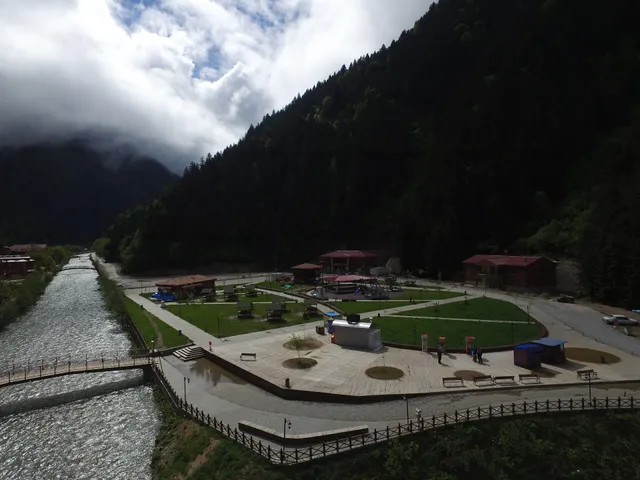
However, like a shadow over its beauty, there’s also the issue of “concrete development.” In 2008, a concrete wall was built along the shore, which some environmentalists criticize as a disruption of its natural charm. This has also contributed to the problem of “overtourism.” New buildings and touristic facilities risk damaging the organic character of the place, and unfortunately, this can affect the visitor experience.
Still, despite these small criticisms, what makes Uzungöl special is the authentic experience it offers with its nature, silence, and local character. In summer, it’s ideal for picnics and walks; in winter, covered in snow, it turns into a magical landscape. Nearby, you can also visit Sultan Murad Plateau, Ataköy Waterfall, and Demirkapı Plateau, which add even more richness to your trip.
In conclusion, Uzungöl is impressive both in photographs and in real life. It’s a place where you can connect with the peaceful face of nature and lose yourself in its pure beauty. I would wholeheartedly recommend it to anyone. But it’s also important that we all take responsibility, even in small ways, to protect the sustainability of this...
Read more