Gaziantep Castle things to do, attractions, restaurants, events info and trip planning
Basic Info
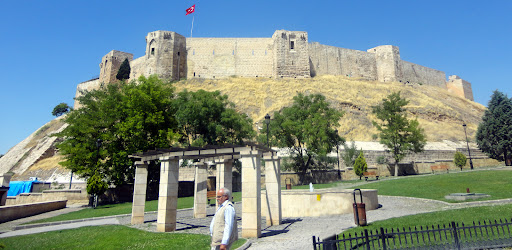
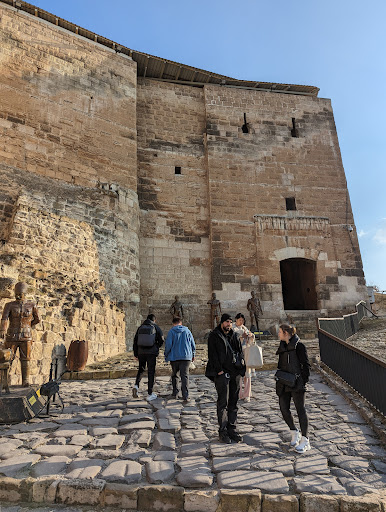
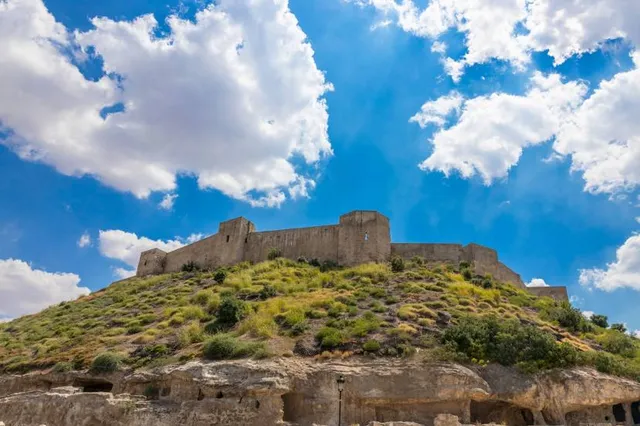
Gaziantep Castle
Karagöz, Naip Hamamı Sk. No:1, 27400 Şahinbey/Gaziantep, Türkiye
4.5(7K)
Open 24 hours
Save
spot
spot
Ratings & Description
Info
Gaziantep Castle is a castle on top of a mound in the centre of Gaziantep, Turkey. First used as an observation point during the Hittite Empire, it was expanded into a castle during Roman rule. The castle was severely damaged by earthquakes in February 2023.
Cultural
Outdoor
Family friendly
attractions: Gaziantep Hamam Müzesi, Gaziantep Emine Göğüş Culinary Museum, Şirvani Mosque, 14 Martyrs Memorial, Alaüddevle Cami, Gaziantep Archeology Museum, Gaziantep Museum of Toys and Games, Boyacı Mosque, Udma Peynir Müzesi & Restoran, Atatürk Müzesi, restaurants: Yener Usta'nin Yeri, İmam Çağdaş Kebap Ve Baklava Salonu, Kebapçı Necdet, Eşgili Restoran | Yöresel Gaziantep Yemekleri, Omaç Gaziantep Mutfağı, DOĞU KARADENİZ BALIKÇISI, Kavurmacı Kara, Akınal Gar Restaurant, GAZİ ET, local businesses: Yasayan Muze Tarihi Gumruk Hani, Ömeriye Camii, Muhsinzade Türk Şiş Kebap
 Learn more insights from Wanderboat AI.
Phone
+90 507 449 30 03
Plan your stay

Pet-friendly Hotels in Şahinbey
Find a cozy hotel nearby and make it a full experience.

Affordable Hotels in Şahinbey
Find a cozy hotel nearby and make it a full experience.

The Coolest Hotels You Haven't Heard Of (Yet)
Find a cozy hotel nearby and make it a full experience.

Trending Stays Worth the Hype in Şahinbey
Find a cozy hotel nearby and make it a full experience.
Reviews
Nearby attractions of Gaziantep Castle
Gaziantep Hamam Müzesi
Gaziantep Emine Göğüş Culinary Museum
Şirvani Mosque
14 Martyrs Memorial
Alaüddevle Cami
Gaziantep Archeology Museum
Gaziantep Museum of Toys and Games
Boyacı Mosque
Udma Peynir Müzesi & Restoran
Atatürk Müzesi

Gaziantep Hamam Müzesi
4.5
(526)
Closed
Click for details

Gaziantep Emine Göğüş Culinary Museum
4.4
(837)
Closed
Click for details
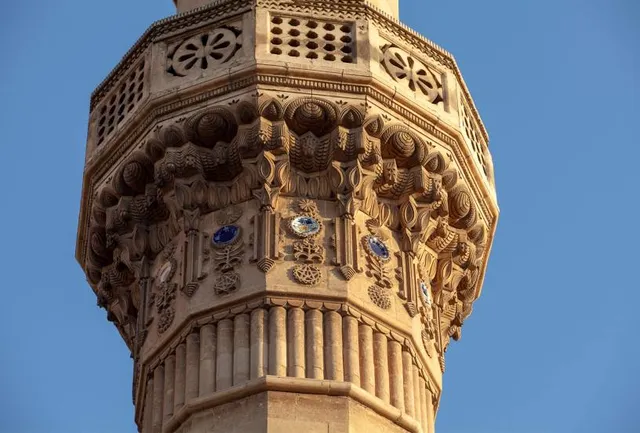
Şirvani Mosque
4.7
(111)
Open 24 hours
Click for details

14 Martyrs Memorial
4.5
(333)
Open 24 hours
Click for details
Nearby restaurants of Gaziantep Castle
Yener Usta'nin Yeri
İmam Çağdaş Kebap Ve Baklava Salonu
Kebapçı Necdet
Eşgili Restoran | Yöresel Gaziantep Yemekleri
Omaç Gaziantep Mutfağı
DOĞU KARADENİZ BALIKÇISI
Kavurmacı Kara
Akınal Gar Restaurant
GAZİ ET
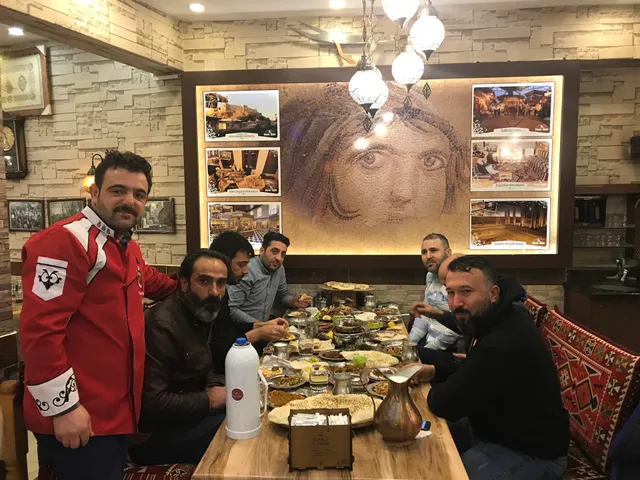
Yener Usta'nin Yeri
3.6
(1.3K)
Open until 12:00 AM
Click for details
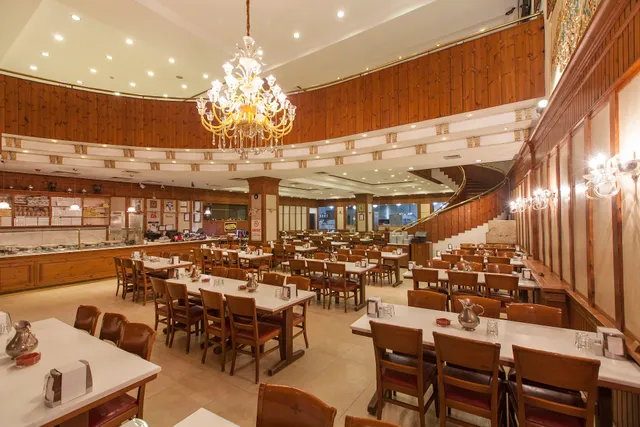
İmam Çağdaş Kebap Ve Baklava Salonu
4.0
(8.5K)
$$$
Closed
Click for details
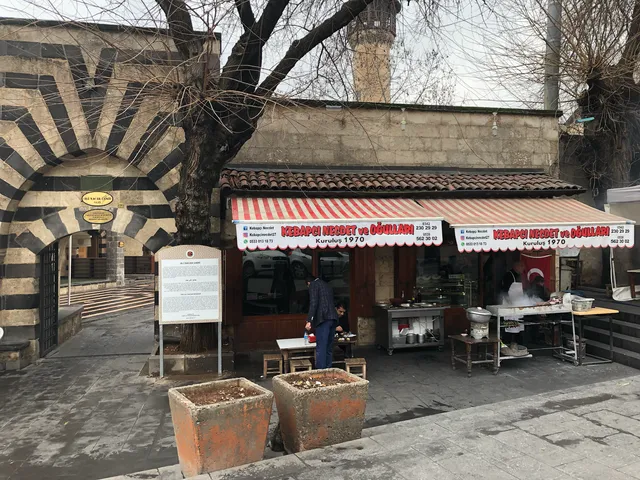
Kebapçı Necdet
3.0
(858)
Closed
Click for details
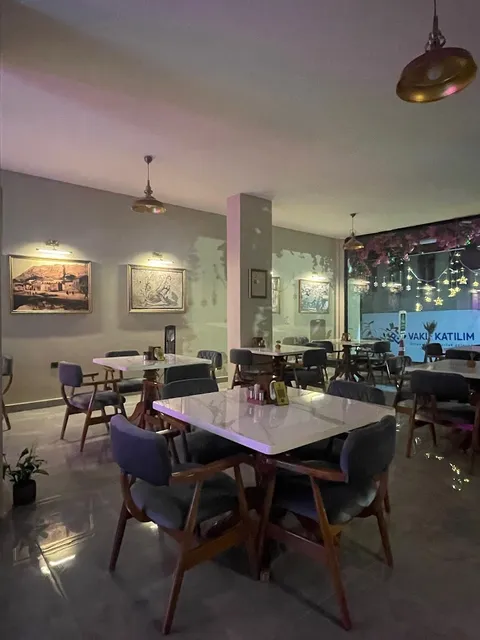
Eşgili Restoran | Yöresel Gaziantep Yemekleri
4.7
(721)
Closed
Click for details
Nearby local services of Gaziantep Castle
Yasayan Muze Tarihi Gumruk Hani
Ömeriye Camii
Muhsinzade Türk Şiş Kebap
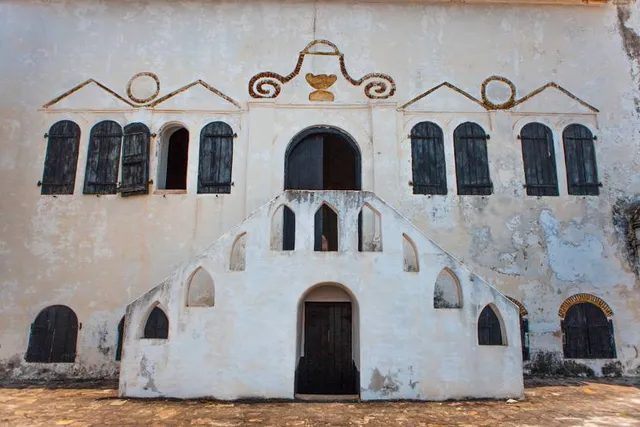
Yasayan Muze Tarihi Gumruk Hani
4.4
(253)
Click for details
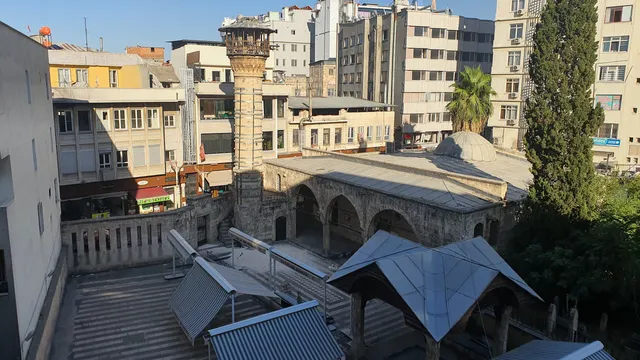
Ömeriye Camii
4.6
(491)
Click for details

Muhsinzade Türk Şiş Kebap
4.4
(196)
Click for details