HTML SitemapExplore
logo
Find Things to DoFind The Best Restaurants

Taksiyarhis Kilisesi — Attraction in Ayvalık

Name
Taksiyarhis Kilisesi
Description
Nearby attractions
Taksiyarhis Memorial Museum
Arası,, İsmetpaşa, Mareşal Fevzi Çakmak Cd. 11. Sk., 10400 Ayvalık/Balıkesir, Türkiye
Clock Mosque
Fevzipaşa - Vehbibey, Muradiye Çarşı Ar. No:4, 10400 Ayvalık/Balıkesir, Türkiye
Hayrettin Pasha Mosque
Hayrettinpaşa, Şafak Sk. No:10, 10400 Ayvalık/Balıkesir, Türkiye
Nearby restaurants
Nearby hotels
Cesmeli Han
İsmetpaşa, Mareşal Fevzi Çakmak Cd. No:75, 10400 Ayvalık/Balıkesir, Türkiye
butterfly Hostel
İsmetpaşa, Mareşal Fevzi Çakmak Cd. no:122, 10400 Ayvalık/Balıkesir, Türkiye
Kastoria Tarihi Konuk Evi
İsmetpaşa, Mareşal Fevzi Çakmak Cd. No:81, 10400 Ayvalık/Balıkesir, Türkiye
Ayvalık Leya Pansiyon
Fevzipaşa - Vehbibey, 1. Fethiye Cd. no: 125, 10400 Ayvalık/Balıkesir, Türkiye
Şahmeran Pansiyon
İsmetpaşa Mahallesi Mareşal Fevzi Çakmak Caddesi 15016, Sok No. 9, 10400 Ayvalık/Balıkesir, Türkiye
Noa Ayvalık Guest House
İsmet Paşa Mahallesi, Şeref Sk. No:16/2, 10400 Ayvalık/Balıkesir, Türkiye
Bonjour Hostel
İsmetpaşa, Mareşal Fevzi Çakmak Cd. 12. Sk. no:7, 10400 Ayvalık/Balıkesir, Türkiye
Taksiyarhis Pansiyonu
İsmetpaşa, Mareşal Fevzi Çakmak Cd. 9. Sk. No:71, 10400 Ayvalık/Balıkesir, Türkiye
Ayfada Butik Otel
Fevzipaşa - Vehbibey, Muradiye Çarşı Aralığı No:24, 10400 Ayvalık/Balıkesir, Türkiye
Saatli Konak Pansiyon
Fevzipaşa - Vehbibey, Muradiye Çarşı Aralığı No:20, 10400 Ayvalık/Balıkesir, Türkiye
Related posts
Keywords
Taksiyarhis Kilisesi tourism.Taksiyarhis Kilisesi hotels.Taksiyarhis Kilisesi bed and breakfast. flights to Taksiyarhis Kilisesi.Taksiyarhis Kilisesi attractions.Taksiyarhis Kilisesi restaurants.Taksiyarhis Kilisesi travel.Taksiyarhis Kilisesi travel guide.Taksiyarhis Kilisesi travel blog.Taksiyarhis Kilisesi pictures.Taksiyarhis Kilisesi photos.Taksiyarhis Kilisesi travel tips.Taksiyarhis Kilisesi maps.Taksiyarhis Kilisesi things to do.
Taksiyarhis Kilisesi things to do, attractions, restaurants, events info and trip planning
Taksiyarhis Kilisesi
TurkeyBalıkesirAyvalıkTaksiyarhis Kilisesi

Basic Info

Taksiyarhis Kilisesi

İsmetpaşa Mahallesi, Arası, Mareşal Fevzi Çakmak Cd. 11. Sk., 10400 Balıkesir, Türkiye
4.6(433)
Closed
Save
spot

Ratings & Description

Info

Cultural
Scenic
Family friendly
Accessibility
attractions: Taksiyarhis Memorial Museum, Clock Mosque, Hayrettin Pasha Mosque, restaurants:
logoLearn more insights from Wanderboat AI.
Website
kulturportali.gov.tr
Open hoursSee all hours
Fri9 AM - 5:30 PMClosed

Plan your stay

hotel
Pet-friendly Hotels in Ayvalık
Find a cozy hotel nearby and make it a full experience.

hotel
Affordable Hotels in Ayvalık
Find a cozy hotel nearby and make it a full experience.

hotel
The Coolest Hotels You Haven't Heard Of (Yet)
Find a cozy hotel nearby and make it a full experience.

hotel
Trending Stays Worth the Hype in Ayvalık
Find a cozy hotel nearby and make it a full experience.

Reviews

Nearby attractions of Taksiyarhis Kilisesi

Taksiyarhis Memorial Museum

Clock Mosque

Hayrettin Pasha Mosque
Taksiyarhis Memorial Museum

Taksiyarhis Memorial Museum

4.5

(634)

Closed
Click for details
Clock Mosque

Clock Mosque

4.5

(788)

Open 24 hours
Click for details
Hayrettin Pasha Mosque

Hayrettin Pasha Mosque

4.7

(230)

Open 24 hours
Click for details
Get the Appoverlay
Get the AppOne tap to find yournext favorite spots!
Wanderboat LogoWanderboat

Your everyday Al companion for getaway ideas

CompanyAbout Us
InformationAI Trip PlannerSitemap
SocialXInstagramTiktokLinkedin
LegalTerms of ServicePrivacy Policy

Get the app

© 2025 Wanderboat. All rights reserved.
logo

Reviews of Taksiyarhis Kilisesi

4.6
(433)
avatar
5.0
3y

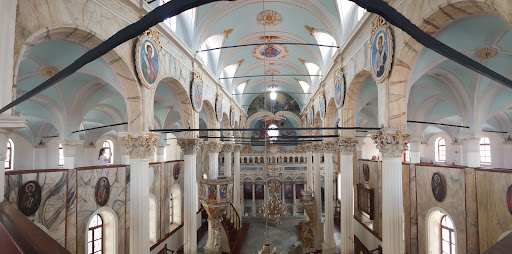
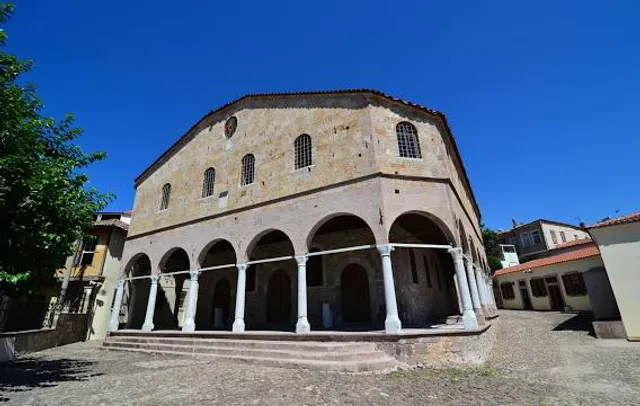
Taksiyarhis Church, the first church in Ayvalik, is thought to belong to three periods. First, it was built as a small church in the 15th century. The fresco of Paulus and Petrus over the bema and the inscription dated to 1753 on the entrance of south garden reveal the data belonging to the structure with three vaults and two-story built in basilical plan in the second period.

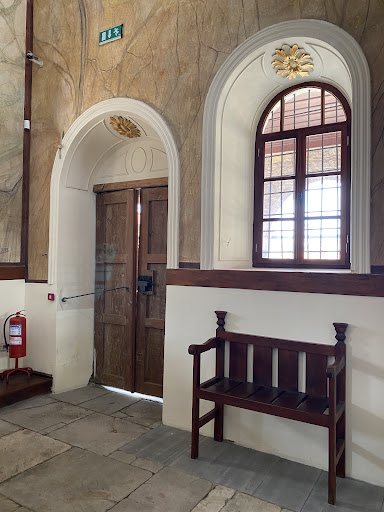
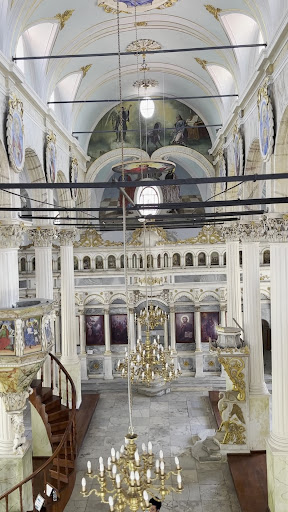
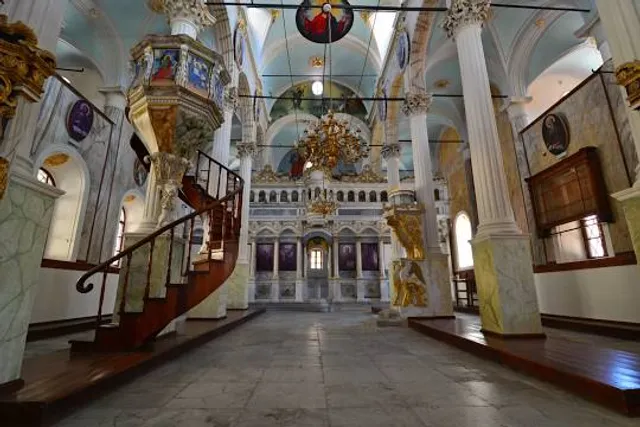
The inscription dated to 1844 occurs on the entrance and it reveals that the third period structure was borrel vaulted and its upper bearings were completely made of wood. The church has three naves and the narthex located on its west façade provides access via three doorways. An ambon with. lion depiction and adorned with stucco reliefs stands in the centre of the nave and you can go up on to the ambon, where there are icons of saints, through a spiral stairs. A raised platform, placed across the ambon, is adorned with floral marble reliefs and gold foils. You can reach the apse at the back after you pass the iconostasis which was adorned with marble icons telling the life of Jesus Christ and also embossed with marble reliefs and gold omaments. On the second floor of the structure occurs a wooden gynaikeion with 16 windows, a round arch, and the U-shaped upper gallery which was reserved for the women. You can reach this section via stone stairs with bell tower on the north and wooden stairs on the south. The imitation marble wall decorations in the structure are done with secco painting (painting on dry plaster) on plasterboard. It was understood from the signature dated to 07.12.93 on the south corner of the structure that these eclectic style imitation marbles were made by an artist called M.Pizdem. Since Ayvalık is on earthquake zone, the structure has been damaged in the course of time during different periods and it was discovered from the wall decorations and paintings that restoration works were carried out in the structure and changes were made in the decoration plan.

During these renovations, it was discovered that the icon of Christ Pantocrator painted as fresco on the dome and apostle paintings around the barrel vault replaced with the oil paintings in neo classical style. With the renovations carried out in 1893, the restoration of the church was completed in neo classical style and its interior design in eclectic style.

After the church was used as "Monopoly Store" for a long time beginning from 1927, it was abandoned. It was restored by the Ministry of Culture and Tourism in 2012 and it was opened as "Taksiyarhis...

   Read more
avatar
5.0
2y

Taksiyarhis Church in Ayvalik has a complex history spanning three periods. Initially built as a small church in the 15th century, it underwent renovations and expansions over time. The structure evolved into a basilical plan with three vaults and two stories, as indicated by frescoes and inscriptions dating back to 1753. In the third period, the church transitioned to barrel vaulting, featuring wooden upper supports.

The church boasts three naves, with access provided through a narthex with three doorways. Notable features include a central ambon adorned with stucco reliefs and lion depictions, icons of saints, and a raised platform with marble reliefs and gold foils. The apse, reached after passing the iconostasis embellished with marble icons depicting the life of Jesus Christ, leads to a second-floor gynaikeion (women's section) with wooden galleries and multiple windows.

The structure's wall decorations consist of secco paintings on plasterboard, imitating marble. These were executed by an artist named M. Pizdem, as revealed by a signature dated December 7, 1893. Throughout its existence, the church underwent various restorations, including changes to the decorative plan and the replacement of frescoes with oil paintings in a neoclassical style.

After serving as a "Monopoly Store" starting in 1927, the church was eventually abandoned. However, it was restored by the Ministry of Culture and Tourism in 2012 and reopened as the "Taksiyarhis...

   Read more
avatar
4.0
24w

Taksiyarhis Kilisesi, Ayvalık

Taksiyarhis Kilisesi, Ayvalık’ın ilk kilisesi olup, ilk olarak küçük bir yapı şeklinde inşa edilmiştir. Bugünkü haliyle üç dönemlik bir mimari gelişim sürecine sahiptir.

Güney bahçe girişinin üzerindeki 1753 tarihli kitabe ve bemanın üzerindeki Pavlus ve Petrus’un "binanın Tanrı’ya sunumu"nu betimleyen fresk, ikinci dönem üç kubbeli, iki katlı bazilikal planlı yapıya aittir. Girişin üst kısmında yer alan 1844 tarihli kitabeden ise üçüncü dönem yapının beşik tonozlu olduğu ve üst taşıyıcılarının tamamıyla ahşap malzemeden inşa edildiği anlaşılmaktadır.

Kilise, batı cephesinde yer alan narteksten üç ana giriş kapısıyla girilen üç nefli bir düzene sahiptir. Orta nefte yer alan ambon, arslan figürleriyle süslenmiş alçı rölyeflerle bezenmiş olup, üzerinde Aziz ikonaları bulunmaktadır. Bu platforma döner bir merdivenle çıkılır. Karşısında yer alan katedra ise bitkisel motiflerle süslenmiş mermer kabartmalarla ve altın varakla işlenmiştir.

Hz. İsa’nın hayatından kesitlerin anlatıldığı mermer ikonaların bulunduğu ikonostasisin ardından apsis bölümüne ulaşılır. Yapının ikinci katında yer alan, 16 pencereli, yuvarlak kemerli, ahşap “U” biçimli üst galeri, kadınlara ayrılmış olan gynaikeiondur. Bu bölüme kuzeydeki çan kulesine bitişik taş merdivenlerle ve güneydeki ahşap merdivenlerle çıkılır.

Kilisenin içindeki duvar bezemeleri, ahşap bağdadi üzerine kireç sıva yapılarak secco (kuru sıva üzeri kalem işi) tekniğiyle işlenmiş mermer taklidi süslemelerden oluşur. Güney köşedeki 07.12.1893 tarihli bir imzadan, bu süslemelerin M. Pizdem adlı sanatçı tarafından yapıldığı anlaşılmaktadır.

Ayvalık'ın deprem bölgesinde bulunması nedeniyle yapı zaman içinde çeşitli hasarlara uğramış, farklı dönemlerde onarımlar görmüştür. Bu süreçlerde yapılan restorasyonlar sırasında süsleme programında değişiklikler olmuş, örneğin kubbede bulunan fresk tarzındaki Pantokrator İsa ikonasının yerine ve beşik tonoz çevresindeki havari tasvirlerinin yerine neo-klasik üslupta yağlı boya tablo resimleri yerleştirilmiştir.

Kilise, 1893 yılında yapılan düzenlemeyle neo-klasik üslupta yeniden yapılandırılmış, iç dekorasyonu ise eklektik bir tarzda tamamlanmıştır. 1927 yılından itibaren uzun süre Tekel deposu olarak kullanılan yapı, terk edildikten sonra 2012 yılında Kültür ve Turizm Bakanlığı tarafından restore ettirilmiş ve 2013 yılında “Taksiyarhis Anıt Müzesi” olarak...

   Read more
Page 1 of 7
Previous
Next

Posts

Arzu ÖZPAZARCIKArzu ÖZPAZARCIK
Taksiyarhis Church, the first church in Ayvalik, is thought to belong to three periods. First, it was built as a small church in the 15th century. The fresco of Paulus and Petrus over the bema and the inscription dated to 1753 on the entrance of south garden reveal the data belonging to the structure with three vaults and two-story built in basilical plan in the second period. The inscription dated to 1844 occurs on the entrance and it reveals that the third period structure was borrel vaulted and its upper bearings were completely made of wood. The church has three naves and the narthex located on its west façade provides access via three doorways. An ambon with. lion depiction and adorned with stucco reliefs stands in the centre of the nave and you can go up on to the ambon, where there are icons of saints, through a spiral stairs. A raised platform, placed across the ambon, is adorned with floral marble reliefs and gold foils. You can reach the apse at the back after you pass the iconostasis which was adorned with marble icons telling the life of Jesus Christ and also embossed with marble reliefs and gold omaments. On the second floor of the structure occurs a wooden gynaikeion with 16 windows, a round arch, and the U-shaped upper gallery which was reserved for the women. You can reach this section via stone stairs with bell tower on the north and wooden stairs on the south. The imitation marble wall decorations in the structure are done with secco painting (painting on dry plaster) on plasterboard. It was understood from the signature dated to 07.12.93 on the south corner of the structure that these eclectic style imitation marbles were made by an artist called M.Pizdem. Since Ayvalık is on earthquake zone, the structure has been damaged in the course of time during different periods and it was discovered from the wall decorations and paintings that restoration works were carried out in the structure and changes were made in the decoration plan. During these renovations, it was discovered that the icon of Christ Pantocrator painted as fresco on the dome and apostle paintings around the barrel vault replaced with the oil paintings in neo classical style. With the renovations carried out in 1893, the restoration of the church was completed in neo classical style and its interior design in eclectic style. After the church was used as "Monopoly Store" for a long time beginning from 1927, it was abandoned. It was restored by the Ministry of Culture and Tourism in 2012 and it was opened as "Taksiyarhis Museum" in 2013.
Tuncer A. OguzTuncer A. Oguz
Taksiyarhis Church in Ayvalik has a complex history spanning three periods. Initially built as a small church in the 15th century, it underwent renovations and expansions over time. The structure evolved into a basilical plan with three vaults and two stories, as indicated by frescoes and inscriptions dating back to 1753. In the third period, the church transitioned to barrel vaulting, featuring wooden upper supports. The church boasts three naves, with access provided through a narthex with three doorways. Notable features include a central ambon adorned with stucco reliefs and lion depictions, icons of saints, and a raised platform with marble reliefs and gold foils. The apse, reached after passing the iconostasis embellished with marble icons depicting the life of Jesus Christ, leads to a second-floor gynaikeion (women's section) with wooden galleries and multiple windows. The structure's wall decorations consist of secco paintings on plasterboard, imitating marble. These were executed by an artist named M. Pizdem, as revealed by a signature dated December 7, 1893. Throughout its existence, the church underwent various restorations, including changes to the decorative plan and the replacement of frescoes with oil paintings in a neoclassical style. After serving as a "Monopoly Store" starting in 1927, the church was eventually abandoned. However, it was restored by the Ministry of Culture and Tourism in 2012 and reopened as the "Taksiyarhis Museum" in 2013.
Murat ToprakMurat Toprak
Taksiyarhis Kilisesi, Ayvalık Taksiyarhis Kilisesi, Ayvalık’ın ilk kilisesi olup, ilk olarak küçük bir yapı şeklinde inşa edilmiştir. Bugünkü haliyle üç dönemlik bir mimari gelişim sürecine sahiptir. Güney bahçe girişinin üzerindeki 1753 tarihli kitabe ve bemanın üzerindeki Pavlus ve Petrus’un "binanın Tanrı’ya sunumu"nu betimleyen fresk, ikinci dönem üç kubbeli, iki katlı bazilikal planlı yapıya aittir. Girişin üst kısmında yer alan 1844 tarihli kitabeden ise üçüncü dönem yapının beşik tonozlu olduğu ve üst taşıyıcılarının tamamıyla ahşap malzemeden inşa edildiği anlaşılmaktadır. Kilise, batı cephesinde yer alan narteksten üç ana giriş kapısıyla girilen üç nefli bir düzene sahiptir. Orta nefte yer alan ambon, arslan figürleriyle süslenmiş alçı rölyeflerle bezenmiş olup, üzerinde Aziz ikonaları bulunmaktadır. Bu platforma döner bir merdivenle çıkılır. Karşısında yer alan katedra ise bitkisel motiflerle süslenmiş mermer kabartmalarla ve altın varakla işlenmiştir. Hz. İsa’nın hayatından kesitlerin anlatıldığı mermer ikonaların bulunduğu ikonostasisin ardından apsis bölümüne ulaşılır. Yapının ikinci katında yer alan, 16 pencereli, yuvarlak kemerli, ahşap “U” biçimli üst galeri, kadınlara ayrılmış olan gynaikeiondur. Bu bölüme kuzeydeki çan kulesine bitişik taş merdivenlerle ve güneydeki ahşap merdivenlerle çıkılır. Kilisenin içindeki duvar bezemeleri, ahşap bağdadi üzerine kireç sıva yapılarak secco (kuru sıva üzeri kalem işi) tekniğiyle işlenmiş mermer taklidi süslemelerden oluşur. Güney köşedeki 07.12.1893 tarihli bir imzadan, bu süslemelerin M. Pizdem adlı sanatçı tarafından yapıldığı anlaşılmaktadır. Ayvalık'ın deprem bölgesinde bulunması nedeniyle yapı zaman içinde çeşitli hasarlara uğramış, farklı dönemlerde onarımlar görmüştür. Bu süreçlerde yapılan restorasyonlar sırasında süsleme programında değişiklikler olmuş, örneğin kubbede bulunan fresk tarzındaki Pantokrator İsa ikonasının yerine ve beşik tonoz çevresindeki havari tasvirlerinin yerine neo-klasik üslupta yağlı boya tablo resimleri yerleştirilmiştir. Kilise, 1893 yılında yapılan düzenlemeyle neo-klasik üslupta yeniden yapılandırılmış, iç dekorasyonu ise eklektik bir tarzda tamamlanmıştır. 1927 yılından itibaren uzun süre Tekel deposu olarak kullanılan yapı, terk edildikten sonra 2012 yılında Kültür ve Turizm Bakanlığı tarafından restore ettirilmiş ve 2013 yılında “Taksiyarhis Anıt Müzesi” olarak ziyarete açılmıştır.
See more posts
See more posts
hotel
Find your stay

Pet-friendly Hotels in Ayvalık

Find a cozy hotel nearby and make it a full experience.

Taksiyarhis Church, the first church in Ayvalik, is thought to belong to three periods. First, it was built as a small church in the 15th century. The fresco of Paulus and Petrus over the bema and the inscription dated to 1753 on the entrance of south garden reveal the data belonging to the structure with three vaults and two-story built in basilical plan in the second period. The inscription dated to 1844 occurs on the entrance and it reveals that the third period structure was borrel vaulted and its upper bearings were completely made of wood. The church has three naves and the narthex located on its west façade provides access via three doorways. An ambon with. lion depiction and adorned with stucco reliefs stands in the centre of the nave and you can go up on to the ambon, where there are icons of saints, through a spiral stairs. A raised platform, placed across the ambon, is adorned with floral marble reliefs and gold foils. You can reach the apse at the back after you pass the iconostasis which was adorned with marble icons telling the life of Jesus Christ and also embossed with marble reliefs and gold omaments. On the second floor of the structure occurs a wooden gynaikeion with 16 windows, a round arch, and the U-shaped upper gallery which was reserved for the women. You can reach this section via stone stairs with bell tower on the north and wooden stairs on the south. The imitation marble wall decorations in the structure are done with secco painting (painting on dry plaster) on plasterboard. It was understood from the signature dated to 07.12.93 on the south corner of the structure that these eclectic style imitation marbles were made by an artist called M.Pizdem. Since Ayvalık is on earthquake zone, the structure has been damaged in the course of time during different periods and it was discovered from the wall decorations and paintings that restoration works were carried out in the structure and changes were made in the decoration plan. During these renovations, it was discovered that the icon of Christ Pantocrator painted as fresco on the dome and apostle paintings around the barrel vault replaced with the oil paintings in neo classical style. With the renovations carried out in 1893, the restoration of the church was completed in neo classical style and its interior design in eclectic style. After the church was used as "Monopoly Store" for a long time beginning from 1927, it was abandoned. It was restored by the Ministry of Culture and Tourism in 2012 and it was opened as "Taksiyarhis Museum" in 2013.
Arzu ÖZPAZARCIK

Arzu ÖZPAZARCIK

hotel
Find your stay

Affordable Hotels in Ayvalık

Find a cozy hotel nearby and make it a full experience.

Get the Appoverlay
Get the AppOne tap to find yournext favorite spots!
Taksiyarhis Church in Ayvalik has a complex history spanning three periods. Initially built as a small church in the 15th century, it underwent renovations and expansions over time. The structure evolved into a basilical plan with three vaults and two stories, as indicated by frescoes and inscriptions dating back to 1753. In the third period, the church transitioned to barrel vaulting, featuring wooden upper supports. The church boasts three naves, with access provided through a narthex with three doorways. Notable features include a central ambon adorned with stucco reliefs and lion depictions, icons of saints, and a raised platform with marble reliefs and gold foils. The apse, reached after passing the iconostasis embellished with marble icons depicting the life of Jesus Christ, leads to a second-floor gynaikeion (women's section) with wooden galleries and multiple windows. The structure's wall decorations consist of secco paintings on plasterboard, imitating marble. These were executed by an artist named M. Pizdem, as revealed by a signature dated December 7, 1893. Throughout its existence, the church underwent various restorations, including changes to the decorative plan and the replacement of frescoes with oil paintings in a neoclassical style. After serving as a "Monopoly Store" starting in 1927, the church was eventually abandoned. However, it was restored by the Ministry of Culture and Tourism in 2012 and reopened as the "Taksiyarhis Museum" in 2013.
Tuncer A. Oguz

Tuncer A. Oguz

hotel
Find your stay

The Coolest Hotels You Haven't Heard Of (Yet)

Find a cozy hotel nearby and make it a full experience.

hotel
Find your stay

Trending Stays Worth the Hype in Ayvalık

Find a cozy hotel nearby and make it a full experience.

Taksiyarhis Kilisesi, Ayvalık Taksiyarhis Kilisesi, Ayvalık’ın ilk kilisesi olup, ilk olarak küçük bir yapı şeklinde inşa edilmiştir. Bugünkü haliyle üç dönemlik bir mimari gelişim sürecine sahiptir. Güney bahçe girişinin üzerindeki 1753 tarihli kitabe ve bemanın üzerindeki Pavlus ve Petrus’un "binanın Tanrı’ya sunumu"nu betimleyen fresk, ikinci dönem üç kubbeli, iki katlı bazilikal planlı yapıya aittir. Girişin üst kısmında yer alan 1844 tarihli kitabeden ise üçüncü dönem yapının beşik tonozlu olduğu ve üst taşıyıcılarının tamamıyla ahşap malzemeden inşa edildiği anlaşılmaktadır. Kilise, batı cephesinde yer alan narteksten üç ana giriş kapısıyla girilen üç nefli bir düzene sahiptir. Orta nefte yer alan ambon, arslan figürleriyle süslenmiş alçı rölyeflerle bezenmiş olup, üzerinde Aziz ikonaları bulunmaktadır. Bu platforma döner bir merdivenle çıkılır. Karşısında yer alan katedra ise bitkisel motiflerle süslenmiş mermer kabartmalarla ve altın varakla işlenmiştir. Hz. İsa’nın hayatından kesitlerin anlatıldığı mermer ikonaların bulunduğu ikonostasisin ardından apsis bölümüne ulaşılır. Yapının ikinci katında yer alan, 16 pencereli, yuvarlak kemerli, ahşap “U” biçimli üst galeri, kadınlara ayrılmış olan gynaikeiondur. Bu bölüme kuzeydeki çan kulesine bitişik taş merdivenlerle ve güneydeki ahşap merdivenlerle çıkılır. Kilisenin içindeki duvar bezemeleri, ahşap bağdadi üzerine kireç sıva yapılarak secco (kuru sıva üzeri kalem işi) tekniğiyle işlenmiş mermer taklidi süslemelerden oluşur. Güney köşedeki 07.12.1893 tarihli bir imzadan, bu süslemelerin M. Pizdem adlı sanatçı tarafından yapıldığı anlaşılmaktadır. Ayvalık'ın deprem bölgesinde bulunması nedeniyle yapı zaman içinde çeşitli hasarlara uğramış, farklı dönemlerde onarımlar görmüştür. Bu süreçlerde yapılan restorasyonlar sırasında süsleme programında değişiklikler olmuş, örneğin kubbede bulunan fresk tarzındaki Pantokrator İsa ikonasının yerine ve beşik tonoz çevresindeki havari tasvirlerinin yerine neo-klasik üslupta yağlı boya tablo resimleri yerleştirilmiştir. Kilise, 1893 yılında yapılan düzenlemeyle neo-klasik üslupta yeniden yapılandırılmış, iç dekorasyonu ise eklektik bir tarzda tamamlanmıştır. 1927 yılından itibaren uzun süre Tekel deposu olarak kullanılan yapı, terk edildikten sonra 2012 yılında Kültür ve Turizm Bakanlığı tarafından restore ettirilmiş ve 2013 yılında “Taksiyarhis Anıt Müzesi” olarak ziyarete açılmıştır.
Murat Toprak

Murat Toprak

See more posts
See more posts