HTML SitemapExplore
logo
Find Things to DoFind The Best Restaurants

St. Nicholas Church — Attraction in Demre

Name
St. Nicholas Church
Description
Nearby attractions
Nearby restaurants
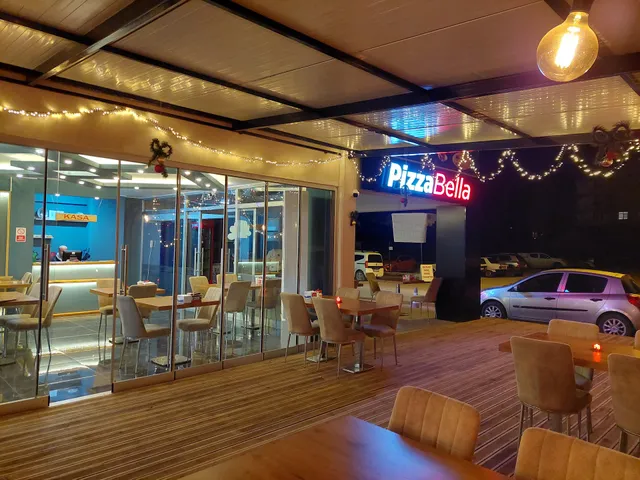
Pizza Bella Demre
Gökyazı, 07570 Demre/Antalya, Türkiye
Nearby hotels
Bayraktar Konağı Apart
Gökyazı mahallesi Şehit Pilot Üsteğmen hüseyin topkaya cad. no:19/C, 07570 Demre/Antalya, Türkiye
DEMRE ALKAN APART
Gökyazı, ilkokul 3. sokak, 07570 Demre/Antalya, Türkiye
LİKYA 202
Gökyazı, Ertuğrul Günay Cd. No:16/1, 07570 Demre/Antalya, Türkiye
Winecity Hotel
Büyükkum, Cumhuriyet Caddesi D:No 1, 07570 Demre/Antalya, Türkiye
Demre Villas
Gökyazı, ilkokul 8. sok No:8/A, 07570 Demre/Antalya, Türkiye
Kıyak Hotel
Gökyazı, 07570 Demre/Antalya, Türkiye
Hotel Andriake
Büyükkum, 07570 Demre/Antalya, Türkiye
İrbeç Apart Bungalow
Büyükkum, Büyük Kum Cad, 07570 Demre/Antalya, Türkiye
ERCAN BABA VİLLAS
Büyükkum, büyükkum caddesi no8, 07570 Demre/Antalya, Türkiye
Benlikya Apart
Büyükkum, Büyük Kum Cad No:15, 07570 Demre/Antalya, Türkiye
Related posts
Keywords
St. Nicholas Church tourism.St. Nicholas Church hotels.St. Nicholas Church bed and breakfast. flights to St. Nicholas Church.St. Nicholas Church attractions.St. Nicholas Church restaurants.St. Nicholas Church travel.St. Nicholas Church travel guide.St. Nicholas Church travel blog.St. Nicholas Church pictures.St. Nicholas Church photos.St. Nicholas Church travel tips.St. Nicholas Church maps.St. Nicholas Church things to do.
St. Nicholas Church things to do, attractions, restaurants, events info and trip planning
St. Nicholas Church
TurkeyAntalyaDemreSt. Nicholas Church

Basic Info

St. Nicholas Church

Merkez Mahallesi, 07570 Demre (Kale)/Demre/Antalya, Türkiye
4.6(3K)
Closed
Save
spot

Ratings & Description

Info

Cultural
Accessibility
attractions: , restaurants: Pizza Bella Demre
logoLearn more insights from Wanderboat AI.
Phone
+90 242 871 68 20
Website
kvmgm.ktb.gov.tr
Open hoursSee all hours
Tue8:30 AM - 7:45 PMClosed

Plan your stay

hotel
Pet-friendly Hotels in Demre
Find a cozy hotel nearby and make it a full experience.
hotel
Affordable Hotels in Demre
Find a cozy hotel nearby and make it a full experience.
hotel
The Coolest Hotels You Haven't Heard Of (Yet)
Find a cozy hotel nearby and make it a full experience.
hotel
Trending Stays Worth the Hype in Demre
Find a cozy hotel nearby and make it a full experience.

Reviews

Things to do nearby

Discover Kekova’s history and coves by boat
Tue, Dec 9 • 11:00 AM
07572, Demre, Antalya, Turkey
View details

Nearby restaurants of St. Nicholas Church

Pizza Bella Demre

Pizza Bella Demre

Pizza Bella Demre

4.8

(137)

$

Click for details
Get the Appoverlay
Get the AppOne tap to find yournext favorite spots!
Wanderboat LogoWanderboat

Your everyday Al companion for getaway ideas

CompanyAbout Us
InformationAI Trip PlannerSitemap
SocialXInstagramTiktokLinkedin
LegalTerms of ServicePrivacy Policy

Get the app

© 2025 Wanderboat. All rights reserved.
logo

Reviews of St. Nicholas Church

4.6
(3,031)
avatar
5.0
5y

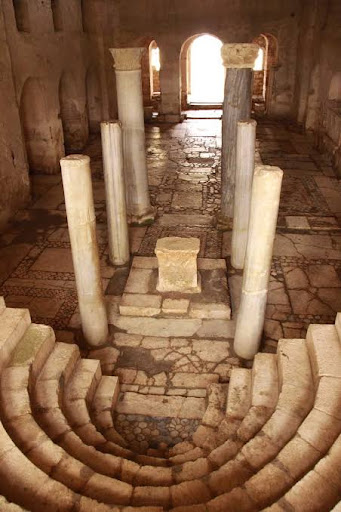
The church to honor Saint Nicholas and contain his tomb was built in AD 520 on the foundations of the older Christian church where Saint Nicholas served as bishop. Over time the river changed course and the church filled with silt and was buried (the pictures show it is fifteen-to-twenty feet below ground level). In 1862 Russian Tsar Nicholas I restored the church, adding the tower and making other changes to its Byzantine architecture. The church is regarded as the 3rd most important Byzantine structure in Anatolia. It is noted for the remarkable wall frescos, its architectural and its religious significance. The northeast annex arcade contains the only example of the Nicholas cycle in Turkey.

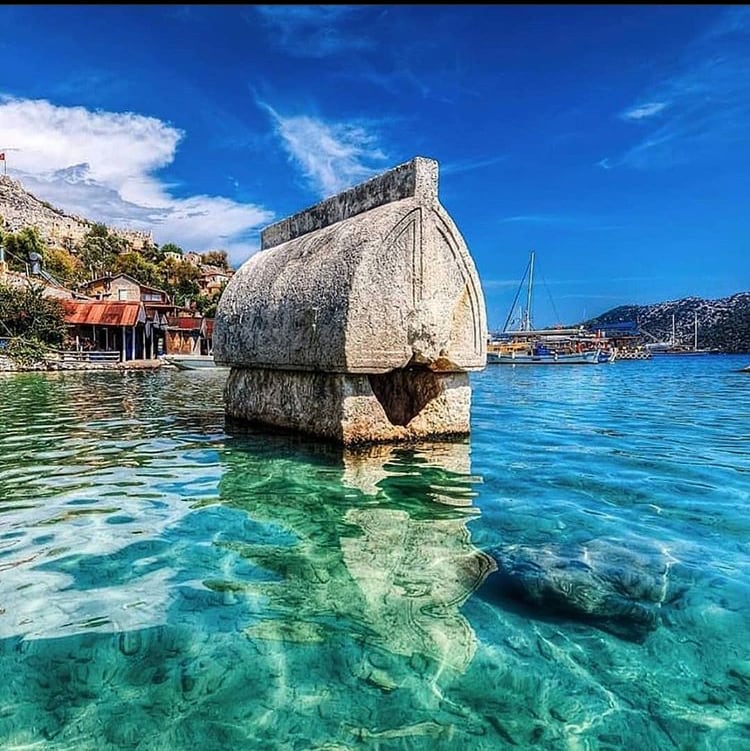
Several tombs have been alleged to have been St. Nicholas’ original tomb. The one on the left is often identified as the original tomb, as the side is smashed, however, the cover shows two figures, neither a clergy person. The middle one is also damaged, with a broken top, and sometimes identified as the correct tomb.

The tomb below is also named as St. Nicholas’ original tomb. Tsar Nicholas I, who restored the church in 1862, had the Troparion to St. Nicholas carved into stone and placed over this tomb.

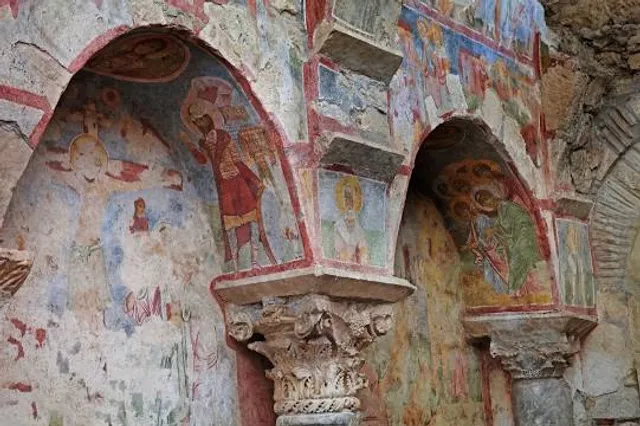
The northeast aisle arcade was opened to the public in 2009 (it wasn’t open when we visited in May 2009—a boy helped by taking photos with my camera through the space underneath the locked doors at each end). The aisle has many frescos from the 12th century, including some of the life cycle of Saint Nicholas—the earliest and only such cycle to have survived in Antalya.

The restoration of the church, and particularly the wall paintings, has been carried out with support from the Antalya Administration (2002), the Ecumenical Patriarchate of Constantinople (2001), the World Monuments Fund—Samuel H. Kress Foundation (2000), and most recently by the Aristotle S. Onassis and Vehbi Koç foundations (2003–2006). The site was included in the World Heritage List in 1982. The work of inventorying the murals and architectural spaces is carried out by the Conservation of Historic Buildings and Architecture under the direction of architect Cengiz Kabaonlu. Preservation and restoration is under the direction of T. Ridvan Isler. Historian Nilay Karakaya, Erciyes University, analyzes and interprets the wall paintings that have been recorded and restored. Professor Yildiz Otüken, Hacettepe University, Ankara, is Director of the excavations and publishes...

   Read more
avatar
5.0
2y

English & Dutch review

I think the most importaint tourist atttraction is the Saint Nicholas church and tomb. As a Saint Nicholas fan (the Dutch version) my goal was to see the church and tomb. The "museum" was under construction so it will be done when the season start. That means we couldn't really enter all spaces in and outside the church, but we saw the most importaint things. They placed a new entrance, fence, lights and protection roof. I must say that i dont really like the construction, but as long as it protects the church it fits its use.

The church gives a good impression of the time Saint Nicholas lived in. One of the dislikes i have is that they protected the tomb with a glass wall. I understand that they needed to protectit somehow, because even now their threw money on top, so proberbly people would touch the tomb if it wasnt protected, but now they have another problem. Cause religious people touch and kiss the glass it is all dirty. And when you want to make pictures you got problems with reflections.. Also its a dark and tiny space in the church where the tomb stands. So i am very glad i came outside the season, because i guess its a tiny space where the tomb is and i dont think i would have got a chance making a good picture.

Well with all the hidden drawings and incriptions i sure enjoyed seeing the place. What i find special is that this "museum" cost 125 Turkish Liras to enter.. that is about € 6,25 Euros and that is a little higher than other museums which mostly cost 90 Turkish Liras (about € 4,50). Ik denk dat de Sint Nicolaas kerk en het graf de belangrijkste toeristische attractie in de regio is. Als Sint Nicolaas fan (de Nederlandse versie) was het dan ook mijn doel om deze plek te zien. D'r waren werkzaamheden aan het museum, dus niet alle plekken waren goed bereikbaar. Zo zal voor aankomend seizoen nieuwe hekken, overkapping, licht en zelfs een nieuwe entree gemaakt zijn. De overkapping vind ik persoonlijk niet mooi en doet de kerk tekort, maar het beschermt de kerk en dat is het doel.

De kerk geeft een goede impressie over de tijd waarin de Sint geleefd heeft. Iets wat ik zonde of jammer vind is dat het graf wordt beschermd door een glazen wand. Ik begrijp het wel, want zelfs nu wordt er nog geld over de muur heen gegooid, dus het is goed mogelijk dat mensen aan het graf zouden zitten en beschadigen. Echter hebben ze nu een ander probleem, want mensen zitten met hun handen aan de glazen wand EN kussen het glas ook letterlijk wat allemaal vieze vlekken op het glas geeft. Ook reflecteert glas, dus is het lastig om het graf goed te fotograferen. Tevens is het een klein en donker plekje in de kerk waar het graf staat. Daarom ben ik blij dat ik buiten het seizoen ben geweest, want daardoor waren er weinig bezoekers en kreeg ik een goede kans op een foto in de kleine donkere ruimte.

Ik heb genoten van alle verborgen tekeningen en inscripties die de kerk te bieden heeft. Wat ik wel bijzonder vind is dat de entree tot het museum 125 Turkse Lira kost.. dit is omgerekend zo'n € 6,25 Euro. Andere museums kosten over het algemeen zo'n 90 Turkse Lira ( zo'n...

   Read more
avatar
5.0
48w

Відвідали 20/12/24. Музейна картка дійсна.

Святий Миколай, який народився в Патарі і був єпископом Мир Лікійських у другій половині III століття нашої ери, був шанованим релігійним діячем, який після смерті був канонізований і став найпопулярнішим святим у багатьох європейських країнах, особливо в колишньому Російському царстві. Його особливо шанували у Фрайбурзі в Німеччині, Барі та Неаполі в Італії і на всьому острові Сицилія, а в голландській та англійській мовах він був відомий як Санта Клаус, завдяки чому був популярний і в Америці, де його вважали одним зі святих, які захищали Нью-Йорк. У північних країнах Європи традиція Санта-Клауса, захисника і дарувальника радості дітям, була інтегрована з вірою в Святого Миколая, що призвело до створення напіврелігійної і дуже популярної міфічної фігури. Походження цього персонажа можна простежити у давніх віруваннях північних країн, де Санта-Клаус подорожував у санях, запряжених оленями. Однак справжній Святий Миколай Мирлікійський жив на середземноморському узбережжі, де ніколи не буває снігу. Його образ захисника дітей, які потрапили в біду, трансформувався у співчутливого старого, який, за повір'ям, приносить подарунки у різдвяні ночі. Оскільки Святого Миколая шанували, особливо моряки Східного Середземномор'я, його зображення або ікону вішали на всіх малих і великих кораблях, а під час плавання стало традицією бажати: "Нехай Святий Миколай керує твоїм кораблем". Церква Святого Миколая є важливою пам'яткою історії візантійського мистецтва і найвидатнішим прикладом середньовізантійського періоду за своїм архітектурним стилем і орнаментикою. Той факт, що Міра (Демре) була столицею провінції Лікія в 5 столітті нашої ери, а архиєпископ Міри був другим за величиною релігійним авторитетом в Анатолії, зіграв важливу роль у підвищенні престижу міста в роки після смерті святого Миколая. Після його смерті жителі Мири отримали спочатку пам'ятник, а потім велику базиліку, побудовану в ім'я святителя, а в Стамбулі в цей період була побудована велика церква. Базиліка в Мірі була сильно пошкоджена у 8 столітті в результаті землетрусів і набігів на місто, а в 9 столітті була перебудована в купольну церкву. Пізніші добудови відбулися в 11 столітті під час середньовізантійського періоду. Відомо, що найважливіший ремонт цього періоду був проведений у 1042 році імператором Костянтином IX та його дружиною Зоєю. Більшість настінних фресок і підлогових мозаїк належать до цього періоду. Церква, яка була зруйнована з різних причин протягом століть, була капітально відреставрована російським царем Миколою I у 1862 році. Дзвіниця і новий центральний купол з кілем, який значно відхилився від початкового плану, є продуктами цих робіт. На первісному фундаменті сьогоднішнього костелу знаходиться багато будівель, зведених у різний час. Таким чином, костел має вигляд комплексу, збудованого в...

   Read more

Page 1 of 7
Previous
Next

Posts

İlker Majereİlker Majere
The church to honor Saint Nicholas and contain his tomb was built in AD 520 on the foundations of the older Christian church where Saint Nicholas served as bishop. Over time the river changed course and the church filled with silt and was buried (the pictures show it is fifteen-to-twenty feet below ground level). In 1862 Russian Tsar Nicholas I restored the church, adding the tower and making other changes to its Byzantine architecture. The church is regarded as the 3rd most important Byzantine structure in Anatolia. It is noted for the remarkable wall frescos, its architectural and its religious significance. The northeast annex arcade contains the only example of the Nicholas cycle in Turkey. Several tombs have been alleged to have been St. Nicholas’ original tomb. The one on the left is often identified as the original tomb, as the side is smashed, however, the cover shows two figures, neither a clergy person. The middle one is also damaged, with a broken top, and sometimes identified as the correct tomb. The tomb below is also named as St. Nicholas’ original tomb. Tsar Nicholas I, who restored the church in 1862, had the Troparion to St. Nicholas carved into stone and placed over this tomb. The northeast aisle arcade was opened to the public in 2009 (it wasn’t open when we visited in May 2009—a boy helped by taking photos with my camera through the space underneath the locked doors at each end). The aisle has many frescos from the 12th century, including some of the life cycle of Saint Nicholas—the earliest and only such cycle to have survived in Antalya. The restoration of the church, and particularly the wall paintings, has been carried out with support from the Antalya Administration (2002), the Ecumenical Patriarchate of Constantinople (2001), the World Monuments Fund—Samuel H. Kress Foundation (2000), and most recently by the Aristotle S. Onassis and Vehbi Koç foundations (2003–2006). The site was included in the World Heritage List in 1982. The work of inventorying the murals and architectural spaces is carried out by the Conservation of Historic Buildings and Architecture under the direction of architect Cengiz Kabaonlu. Preservation and restoration is under the direction of T. Ridvan Isler. Historian Nilay Karakaya, Erciyes University, analyzes and interprets the wall paintings that have been recorded and restored. Professor Yildiz Otüken, Hacettepe University, Ankara, is Director of the excavations and publishes the reports.
John van HeldenJohn van Helden
English & Dutch review I think the most importaint tourist atttraction is the Saint Nicholas church and tomb. As a Saint Nicholas fan (the Dutch version) my goal was to see the church and tomb. The "museum" was under construction so it will be done when the season start. That means we couldn't really enter all spaces in and outside the church, but we saw the most importaint things. They placed a new entrance, fence, lights and protection roof. I must say that i dont really like the construction, but as long as it protects the church it fits its use. The church gives a good impression of the time Saint Nicholas lived in. One of the dislikes i have is that they protected the tomb with a glass wall. I understand that they needed to protectit somehow, because even now their threw money on top, so proberbly people would touch the tomb if it wasnt protected, but now they have another problem. Cause religious people touch and kiss the glass it is all dirty. And when you want to make pictures you got problems with reflections.. Also its a dark and tiny space in the church where the tomb stands. So i am very glad i came outside the season, because i guess its a tiny space where the tomb is and i dont think i would have got a chance making a good picture. Well with all the hidden drawings and incriptions i sure enjoyed seeing the place. What i find special is that this "museum" cost 125 Turkish Liras to enter.. that is about € 6,25 Euros and that is a little higher than other museums which mostly cost 90 Turkish Liras (about € 4,50). ------------------------------------------------------------------------------------------------------- Ik denk dat de Sint Nicolaas kerk en het graf de belangrijkste toeristische attractie in de regio is. Als Sint Nicolaas fan (de Nederlandse versie) was het dan ook mijn doel om deze plek te zien. D'r waren werkzaamheden aan het museum, dus niet alle plekken waren goed bereikbaar. Zo zal voor aankomend seizoen nieuwe hekken, overkapping, licht en zelfs een nieuwe entree gemaakt zijn. De overkapping vind ik persoonlijk niet mooi en doet de kerk tekort, maar het beschermt de kerk en dat is het doel. De kerk geeft een goede impressie over de tijd waarin de Sint geleefd heeft. Iets wat ik zonde of jammer vind is dat het graf wordt beschermd door een glazen wand. Ik begrijp het wel, want zelfs nu wordt er nog geld over de muur heen gegooid, dus het is goed mogelijk dat mensen aan het graf zouden zitten en beschadigen. Echter hebben ze nu een ander probleem, want mensen zitten met hun handen aan de glazen wand EN kussen het glas ook letterlijk wat allemaal vieze vlekken op het glas geeft. Ook reflecteert glas, dus is het lastig om het graf goed te fotograferen. Tevens is het een klein en donker plekje in de kerk waar het graf staat. Daarom ben ik blij dat ik buiten het seizoen ben geweest, want daardoor waren er weinig bezoekers en kreeg ik een goede kans op een foto in de kleine donkere ruimte. Ik heb genoten van alle verborgen tekeningen en inscripties die de kerk te bieden heeft. Wat ik wel bijzonder vind is dat de entree tot het museum 125 Turkse Lira kost.. dit is omgerekend zo'n € 6,25 Euro. Andere museums kosten over het algemeen zo'n 90 Turkse Lira ( zo'n € 4,50 Euro )
Nadiya NadiyaNadiya Nadiya
Відвідали 20/12/24. Музейна картка дійсна. Святий Миколай, який народився в Патарі і був єпископом Мир Лікійських у другій половині III століття нашої ери, був шанованим релігійним діячем, який після смерті був канонізований і став найпопулярнішим святим у багатьох європейських країнах, особливо в колишньому Російському царстві. Його особливо шанували у Фрайбурзі в Німеччині, Барі та Неаполі в Італії і на всьому острові Сицилія, а в голландській та англійській мовах він був відомий як Санта Клаус, завдяки чому був популярний і в Америці, де його вважали одним зі святих, які захищали Нью-Йорк. У північних країнах Європи традиція Санта-Клауса, захисника і дарувальника радості дітям, була інтегрована з вірою в Святого Миколая, що призвело до створення напіврелігійної і дуже популярної міфічної фігури. Походження цього персонажа можна простежити у давніх віруваннях північних країн, де Санта-Клаус подорожував у санях, запряжених оленями. Однак справжній Святий Миколай Мирлікійський жив на середземноморському узбережжі, де ніколи не буває снігу. Його образ захисника дітей, які потрапили в біду, трансформувався у співчутливого старого, який, за повір'ям, приносить подарунки у різдвяні ночі. Оскільки Святого Миколая шанували, особливо моряки Східного Середземномор'я, його зображення або ікону вішали на всіх малих і великих кораблях, а під час плавання стало традицією бажати: "Нехай Святий Миколай керує твоїм кораблем". Церква Святого Миколая є важливою пам'яткою історії візантійського мистецтва і найвидатнішим прикладом середньовізантійського періоду за своїм архітектурним стилем і орнаментикою. Той факт, що Міра (Демре) була столицею провінції Лікія в 5 столітті нашої ери, а архиєпископ Міри був другим за величиною релігійним авторитетом в Анатолії, зіграв важливу роль у підвищенні престижу міста в роки після смерті святого Миколая. Після його смерті жителі Мири отримали спочатку пам'ятник, а потім велику базиліку, побудовану в ім'я святителя, а в Стамбулі в цей період була побудована велика церква. Базиліка в Мірі була сильно пошкоджена у 8 столітті в результаті землетрусів і набігів на місто, а в 9 столітті була перебудована в купольну церкву. Пізніші добудови відбулися в 11 столітті під час середньовізантійського періоду. Відомо, що найважливіший ремонт цього періоду був проведений у 1042 році імператором Костянтином IX та його дружиною Зоєю. Більшість настінних фресок і підлогових мозаїк належать до цього періоду. Церква, яка була зруйнована з різних причин протягом століть, була капітально відреставрована російським царем Миколою I у 1862 році. Дзвіниця і новий центральний купол з кілем, який значно відхилився від початкового плану, є продуктами цих робіт. На первісному фундаменті сьогоднішнього костелу знаходиться багато будівель, зведених у різний час. Таким чином, костел має вигляд комплексу, збудованого в різні періоди.
See more posts
See more posts
hotel
Find your stay

Pet-friendly Hotels in Demre

Find a cozy hotel nearby and make it a full experience.

The church to honor Saint Nicholas and contain his tomb was built in AD 520 on the foundations of the older Christian church where Saint Nicholas served as bishop. Over time the river changed course and the church filled with silt and was buried (the pictures show it is fifteen-to-twenty feet below ground level). In 1862 Russian Tsar Nicholas I restored the church, adding the tower and making other changes to its Byzantine architecture. The church is regarded as the 3rd most important Byzantine structure in Anatolia. It is noted for the remarkable wall frescos, its architectural and its religious significance. The northeast annex arcade contains the only example of the Nicholas cycle in Turkey. Several tombs have been alleged to have been St. Nicholas’ original tomb. The one on the left is often identified as the original tomb, as the side is smashed, however, the cover shows two figures, neither a clergy person. The middle one is also damaged, with a broken top, and sometimes identified as the correct tomb. The tomb below is also named as St. Nicholas’ original tomb. Tsar Nicholas I, who restored the church in 1862, had the Troparion to St. Nicholas carved into stone and placed over this tomb. The northeast aisle arcade was opened to the public in 2009 (it wasn’t open when we visited in May 2009—a boy helped by taking photos with my camera through the space underneath the locked doors at each end). The aisle has many frescos from the 12th century, including some of the life cycle of Saint Nicholas—the earliest and only such cycle to have survived in Antalya. The restoration of the church, and particularly the wall paintings, has been carried out with support from the Antalya Administration (2002), the Ecumenical Patriarchate of Constantinople (2001), the World Monuments Fund—Samuel H. Kress Foundation (2000), and most recently by the Aristotle S. Onassis and Vehbi Koç foundations (2003–2006). The site was included in the World Heritage List in 1982. The work of inventorying the murals and architectural spaces is carried out by the Conservation of Historic Buildings and Architecture under the direction of architect Cengiz Kabaonlu. Preservation and restoration is under the direction of T. Ridvan Isler. Historian Nilay Karakaya, Erciyes University, analyzes and interprets the wall paintings that have been recorded and restored. Professor Yildiz Otüken, Hacettepe University, Ankara, is Director of the excavations and publishes the reports.
İlker Majere

İlker Majere

hotel
Find your stay

Affordable Hotels in Demre

Find a cozy hotel nearby and make it a full experience.

Get the Appoverlay
Get the AppOne tap to find yournext favorite spots!
English & Dutch review I think the most importaint tourist atttraction is the Saint Nicholas church and tomb. As a Saint Nicholas fan (the Dutch version) my goal was to see the church and tomb. The "museum" was under construction so it will be done when the season start. That means we couldn't really enter all spaces in and outside the church, but we saw the most importaint things. They placed a new entrance, fence, lights and protection roof. I must say that i dont really like the construction, but as long as it protects the church it fits its use. The church gives a good impression of the time Saint Nicholas lived in. One of the dislikes i have is that they protected the tomb with a glass wall. I understand that they needed to protectit somehow, because even now their threw money on top, so proberbly people would touch the tomb if it wasnt protected, but now they have another problem. Cause religious people touch and kiss the glass it is all dirty. And when you want to make pictures you got problems with reflections.. Also its a dark and tiny space in the church where the tomb stands. So i am very glad i came outside the season, because i guess its a tiny space where the tomb is and i dont think i would have got a chance making a good picture. Well with all the hidden drawings and incriptions i sure enjoyed seeing the place. What i find special is that this "museum" cost 125 Turkish Liras to enter.. that is about € 6,25 Euros and that is a little higher than other museums which mostly cost 90 Turkish Liras (about € 4,50). ------------------------------------------------------------------------------------------------------- Ik denk dat de Sint Nicolaas kerk en het graf de belangrijkste toeristische attractie in de regio is. Als Sint Nicolaas fan (de Nederlandse versie) was het dan ook mijn doel om deze plek te zien. D'r waren werkzaamheden aan het museum, dus niet alle plekken waren goed bereikbaar. Zo zal voor aankomend seizoen nieuwe hekken, overkapping, licht en zelfs een nieuwe entree gemaakt zijn. De overkapping vind ik persoonlijk niet mooi en doet de kerk tekort, maar het beschermt de kerk en dat is het doel. De kerk geeft een goede impressie over de tijd waarin de Sint geleefd heeft. Iets wat ik zonde of jammer vind is dat het graf wordt beschermd door een glazen wand. Ik begrijp het wel, want zelfs nu wordt er nog geld over de muur heen gegooid, dus het is goed mogelijk dat mensen aan het graf zouden zitten en beschadigen. Echter hebben ze nu een ander probleem, want mensen zitten met hun handen aan de glazen wand EN kussen het glas ook letterlijk wat allemaal vieze vlekken op het glas geeft. Ook reflecteert glas, dus is het lastig om het graf goed te fotograferen. Tevens is het een klein en donker plekje in de kerk waar het graf staat. Daarom ben ik blij dat ik buiten het seizoen ben geweest, want daardoor waren er weinig bezoekers en kreeg ik een goede kans op een foto in de kleine donkere ruimte. Ik heb genoten van alle verborgen tekeningen en inscripties die de kerk te bieden heeft. Wat ik wel bijzonder vind is dat de entree tot het museum 125 Turkse Lira kost.. dit is omgerekend zo'n € 6,25 Euro. Andere museums kosten over het algemeen zo'n 90 Turkse Lira ( zo'n € 4,50 Euro )
John van Helden

John van Helden

hotel
Find your stay

The Coolest Hotels You Haven't Heard Of (Yet)

Find a cozy hotel nearby and make it a full experience.

hotel
Find your stay

Trending Stays Worth the Hype in Demre

Find a cozy hotel nearby and make it a full experience.

Відвідали 20/12/24. Музейна картка дійсна. Святий Миколай, який народився в Патарі і був єпископом Мир Лікійських у другій половині III століття нашої ери, був шанованим релігійним діячем, який після смерті був канонізований і став найпопулярнішим святим у багатьох європейських країнах, особливо в колишньому Російському царстві. Його особливо шанували у Фрайбурзі в Німеччині, Барі та Неаполі в Італії і на всьому острові Сицилія, а в голландській та англійській мовах він був відомий як Санта Клаус, завдяки чому був популярний і в Америці, де його вважали одним зі святих, які захищали Нью-Йорк. У північних країнах Європи традиція Санта-Клауса, захисника і дарувальника радості дітям, була інтегрована з вірою в Святого Миколая, що призвело до створення напіврелігійної і дуже популярної міфічної фігури. Походження цього персонажа можна простежити у давніх віруваннях північних країн, де Санта-Клаус подорожував у санях, запряжених оленями. Однак справжній Святий Миколай Мирлікійський жив на середземноморському узбережжі, де ніколи не буває снігу. Його образ захисника дітей, які потрапили в біду, трансформувався у співчутливого старого, який, за повір'ям, приносить подарунки у різдвяні ночі. Оскільки Святого Миколая шанували, особливо моряки Східного Середземномор'я, його зображення або ікону вішали на всіх малих і великих кораблях, а під час плавання стало традицією бажати: "Нехай Святий Миколай керує твоїм кораблем". Церква Святого Миколая є важливою пам'яткою історії візантійського мистецтва і найвидатнішим прикладом середньовізантійського періоду за своїм архітектурним стилем і орнаментикою. Той факт, що Міра (Демре) була столицею провінції Лікія в 5 столітті нашої ери, а архиєпископ Міри був другим за величиною релігійним авторитетом в Анатолії, зіграв важливу роль у підвищенні престижу міста в роки після смерті святого Миколая. Після його смерті жителі Мири отримали спочатку пам'ятник, а потім велику базиліку, побудовану в ім'я святителя, а в Стамбулі в цей період була побудована велика церква. Базиліка в Мірі була сильно пошкоджена у 8 столітті в результаті землетрусів і набігів на місто, а в 9 столітті була перебудована в купольну церкву. Пізніші добудови відбулися в 11 столітті під час середньовізантійського періоду. Відомо, що найважливіший ремонт цього періоду був проведений у 1042 році імператором Костянтином IX та його дружиною Зоєю. Більшість настінних фресок і підлогових мозаїк належать до цього періоду. Церква, яка була зруйнована з різних причин протягом століть, була капітально відреставрована російським царем Миколою I у 1862 році. Дзвіниця і новий центральний купол з кілем, який значно відхилився від початкового плану, є продуктами цих робіт. На первісному фундаменті сьогоднішнього костелу знаходиться багато будівель, зведених у різний час. Таким чином, костел має вигляд комплексу, збудованого в різні періоди.
Nadiya Nadiya

Nadiya Nadiya

See more posts
See more posts