HTML SitemapExplore
logo
Find Things to DoFind The Best Restaurants

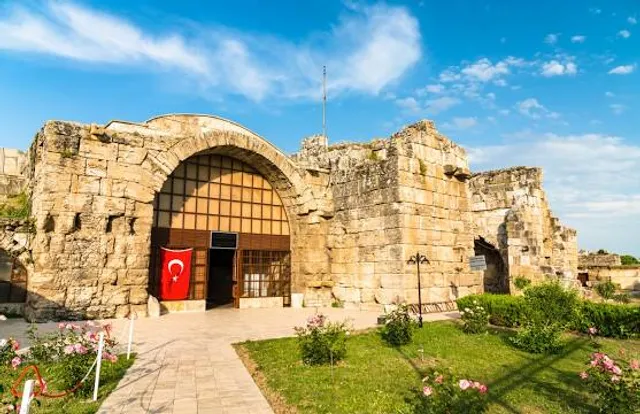
Hierapolis ancient theater — Attraction in Pamukkale

Name
Hierapolis ancient theater
Description
Nearby attractions
Pamukkale Theatre
Topraklık, İzmir Blv. Yanyolu No:3, 20150 Pamukkale/Denizli Merkez/Denizli, Türkiye
Travertines of Pamukkale
Merkez, 20190 Pamukkale/Denizli, Türkiye
Pamukkale South Gate
Güney Kapı, Pamukkale, 20280 Pamukkale/Denizli, Türkiye
Hierapolis
Pamukkale, 20280 Pamukkale/Denizli, Türkiye
Hierapolis Archaeological Museum
Sümer Mahallesi, 2259. Sokak No:12, 20020 Merkez/Pamukkale/Denizli, Türkiye
Piscina de Cleopatra
Pamukkale, 20190 Pamukkale/Denizli, Türkiye
Ancient Temple Of Apollon
Kale, 20190 Denizli Merkez/Denizli, Türkiye
Pamukkale Turkey
Pamukkale, 20190 Pamukkale/Denizli, Türkiye
Gymnasium
Pamukkale, 20190 Pamukkale/Denizli, Türkiye
Pamukkale Sunset Spot
Pamukkale, 20190 Pamukkale/Denizli, Türkiye
Nearby restaurants
Nearby hotels
Related posts
Visit the Hierapolis
Keywords
Hierapolis ancient theater tourism.Hierapolis ancient theater hotels.Hierapolis ancient theater bed and breakfast. flights to Hierapolis ancient theater.Hierapolis ancient theater attractions.Hierapolis ancient theater restaurants.Hierapolis ancient theater travel.Hierapolis ancient theater travel guide.Hierapolis ancient theater travel blog.Hierapolis ancient theater pictures.Hierapolis ancient theater photos.Hierapolis ancient theater travel tips.Hierapolis ancient theater maps.Hierapolis ancient theater things to do.
Hierapolis ancient theater things to do, attractions, restaurants, events info and trip planning
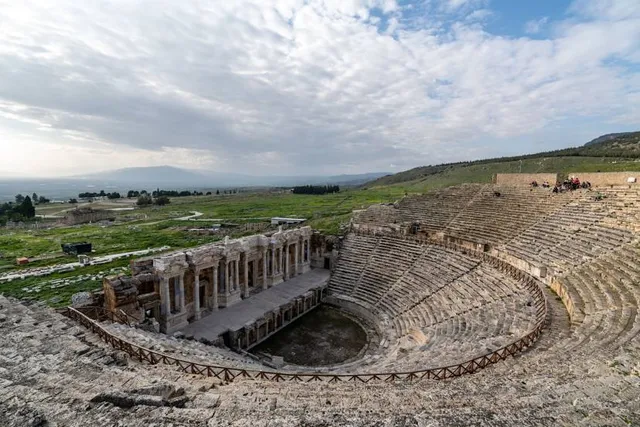
Hierapolis ancient theater
TurkeyDenizliPamukkaleHierapolis ancient theater

Basic Info

Hierapolis ancient theater

Pamukkale, 20190 Pamukkale/Denizli, Türkiye
4.9(1.8K)
Open 24 hours
Save
spot

Ratings & Description

Info

Cultural
Scenic
Family friendly
Accessibility
attractions: Pamukkale Theatre, Travertines of Pamukkale, Pamukkale South Gate, Hierapolis, Hierapolis Archaeological Museum, Piscina de Cleopatra, Ancient Temple Of Apollon, Pamukkale Turkey, Gymnasium, Pamukkale Sunset Spot, restaurants:
logoLearn more insights from Wanderboat AI.

Plan your stay

hotel
Pet-friendly Hotels in Pamukkale
Find a cozy hotel nearby and make it a full experience.
hotel
Affordable Hotels in Pamukkale
Find a cozy hotel nearby and make it a full experience.
hotel
The Coolest Hotels You Haven't Heard Of (Yet)
Find a cozy hotel nearby and make it a full experience.
hotel
Trending Stays Worth the Hype in Pamukkale
Find a cozy hotel nearby and make it a full experience.

Reviews

Nearby attractions of Hierapolis ancient theater

Pamukkale Theatre

Travertines of Pamukkale

Pamukkale South Gate

Hierapolis

Hierapolis Archaeological Museum

Piscina de Cleopatra

Ancient Temple Of Apollon

Pamukkale Turkey

Gymnasium

Pamukkale Sunset Spot

Pamukkale Theatre

Pamukkale Theatre

4.9

(471)

Closed
Click for details
Travertines of Pamukkale

Travertines of Pamukkale

4.6

(29.1K)

Open 24 hours
Click for details
Pamukkale South Gate

Pamukkale South Gate

4.6

(3.4K)

Open 24 hours
Click for details
Hierapolis

Hierapolis

4.8

(6.2K)

Open until 11:00 PM
Click for details
Get the Appoverlay
Get the AppOne tap to find yournext favorite spots!
Wanderboat LogoWanderboat

Your everyday Al companion for getaway ideas

CompanyAbout Us
InformationAI Trip PlannerSitemap
SocialXInstagramTiktokLinkedin
LegalTerms of ServicePrivacy Policy

Get the app

© 2025 Wanderboat. All rights reserved.
logo

Reviews of Hierapolis ancient theater

4.9
(1,778)
avatar
5.0
1y

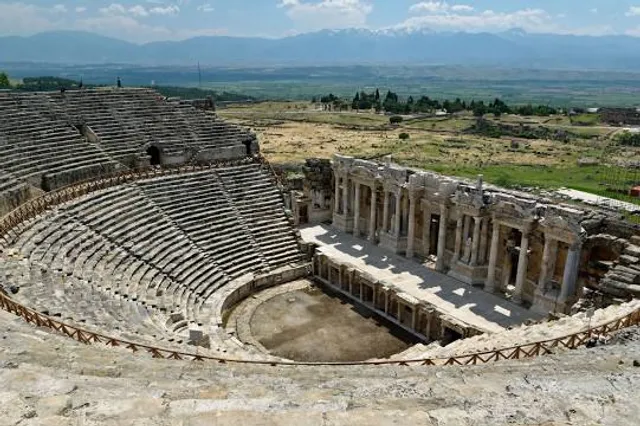
The Roman theatre of Hierapolis, built after a devastating earthquake in 60 AD, replaced the much older Hellenistic theatre from the 2nd century BC, which was almost completely demolished for the construction of the new theatre. In the course of time, the theatre underwent several restorations and minor extensions.

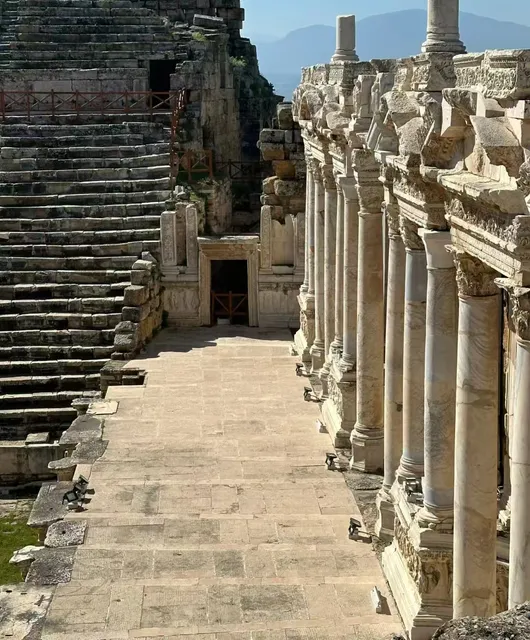
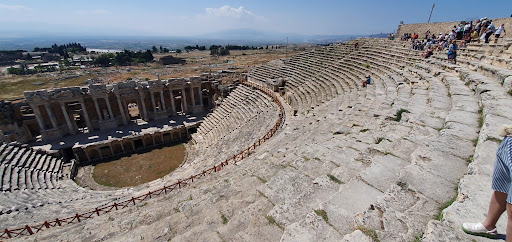
On the occasion of Emperor Hadrian's visit to Hierapolis in 129 AD, the stage house underwent extensive extensions. In the 4th century AD, under the Eastern Roman Emperor Constantius II († 3 November 361), the orchestra was rebuilt for animal fights and water games. The lowest (first) tier consists of 20 rows of seats. Above the gallery there are 25 rows of seats in the 2nd tier. On the central axis of the first tier there is a prominent box reserved for the emperor and his closest followers.

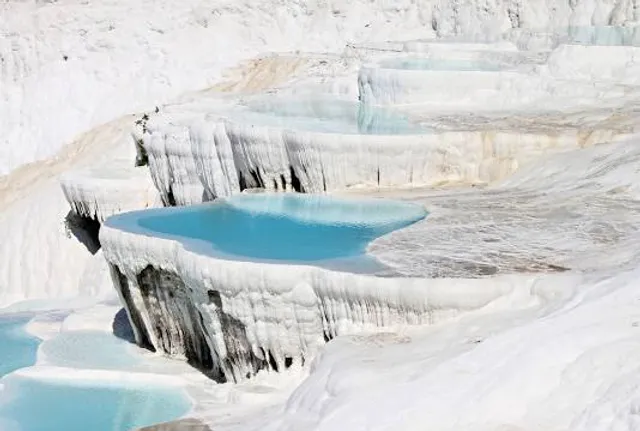
Hierapolis was an ancient Greek city on the road from Sardeis (or Sardes) to Apameia. The town was already famous in ancient times for its warm springs, the water of which creates white calcareous sinter terraces during evaporation. The water was used to dye wool. Weaving and textile trade formed the basis of the city's wealth.

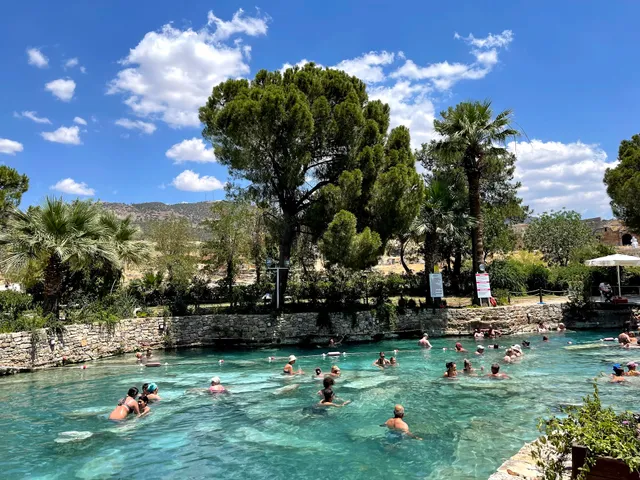
Even the Romans came to Hierapolis to relax in the thermal springs, to recover or to cure various ailments. The centre of this spa town, which flourished during the Roman Empire, was the thermal baths and the temple district. A huge complex of baths still testifies to the popularity of the 30-50 °C hot spas today.

Even if the city, as a presumably old Kybelekult shows, probably already existed earlier, the oldest evidence comes from the 3rd century B.C. Hierapolis was founded by Antiochos II (286 to 246 B.C.), just like the neighbouring city Laodikeia at Lykos. The older traces of settlement are covered by travertine layers. The city was destroyed by earthquakes in 17 AD, but was rebuilt in an expanded form afterwards. In the first and second century thermal baths, fountains, theatres and temples were built. The numerous sarcophagi and graves in the city's necropolises also date from this...

   Read more
avatar
5.0
28w

Majestic and Timeless — A Must-See Stop at Hierapolis As part of our Pamukkale day trip, we explored the Hierapolis Ancient Theater, and it turned out to be one of the most impressive highlights of the entire visit. Set atop a hill overlooking the white travertines of Pamukkale, this Roman-era structure is breathtaking in both scale and preservation.

Climbing up to the theater requires a bit of effort — especially after already walking through the pools — but it’s absolutely worth it. The path winds through ancient ruins and leads you to this colossal amphitheater that once held over 10,000 spectators. When you finally reach the top and look out across the structure and beyond to the valley, the view is unforgettable.

The theater is surprisingly well-preserved, with intricately carved stage structures and layered seating still intact. You can easily imagine what it must have been like centuries ago, filled with the energy of performances, crowds, and history in the making.

It’s also a fantastic photo spot — not only for the architectural beauty but also for panoramic shots of the Pamukkale landscape in the distance. The acoustics are impressive too — we tested a few soft sounds from the stage and could still hear them at the uppermost tier.

This part of the site is usually less crowded than the travertine pools, so it offers a peaceful, reflective moment amid the more touristy parts of the tour. You’ll need to be ready for more walking and climbing, but it’s manageable with good shoes and a bit of patience.

Whether you’re a history enthusiast or just a curious traveler, don’t miss this ancient gem — it adds incredible depth and context to your Pamukkale visit. We were genuinely amazed by the scale and preservation of this structure. Easily one of the most underrated parts...

   Read more
avatar
5.0
43w

Visiting the Ancient Theater of Hierapolis is like stepping into a grand spectacle from the past. Perched on a hillside overlooking the ruins of Hierapolis and the famous Pamukkale travertines, this theater is one of the most impressive and well-preserved Roman theaters in Turkiye.

The theater, built during the 2nd century AD, is a stunning example of Roman engineering. With a seating capacity of around 12,000, it boasts intricately carved reliefs, towering columns, and a magnificent stage facade that once hosted dramatic performances and gladiator fights. Standing at the top of the theater, you’re rewarded with breathtaking panoramic views of the surrounding landscape.

What makes this theater special is its rich history and remarkable preservation. Unlike many ancient theaters that have crumbled over time, the one in Hierapolis retains much of its original grandeur, thanks to careful restoration efforts. Walking through its stone steps, you can almost hear the echoes of the past—actors performing, spectators cheering, and emperors watching from their royal seats.

Whether you’re a history enthusiast, a photography lover, or simply a traveler seeking awe-inspiring sights, this theater is a must-visit. It’s not just a ruin; it’s a living testament to the artistry and grandeur of ancient civilizations. Pair your visit with the nearby Pamukkale hot springs, and you’ll have an unforgettable experience of both history and nature.

Tip: Visit early in the morning or late afternoon to avoid crowds and experience the theater in a peaceful,...

   Read more
Page 1 of 7
Previous
Next

Posts

Visit the Hierapolis
Smith JohnSmith John
Visit the Hierapolis
Alexandru GavrilăAlexandru Gavrilă
The Roman theatre of Hierapolis, built after a devastating earthquake in 60 AD, replaced the much older Hellenistic theatre from the 2nd century BC, which was almost completely demolished for the construction of the new theatre. In the course of time, the theatre underwent several restorations and minor extensions. On the occasion of Emperor Hadrian's visit to Hierapolis in 129 AD, the stage house underwent extensive extensions. In the 4th century AD, under the Eastern Roman Emperor Constantius II († 3 November 361), the orchestra was rebuilt for animal fights and water games. The lowest (first) tier consists of 20 rows of seats. Above the gallery there are 25 rows of seats in the 2nd tier. On the central axis of the first tier there is a prominent box reserved for the emperor and his closest followers. Hierapolis was an ancient Greek city on the road from Sardeis (or Sardes) to Apameia. The town was already famous in ancient times for its warm springs, the water of which creates white calcareous sinter terraces during evaporation. The water was used to dye wool. Weaving and textile trade formed the basis of the city's wealth. Even the Romans came to Hierapolis to relax in the thermal springs, to recover or to cure various ailments. The centre of this spa town, which flourished during the Roman Empire, was the thermal baths and the temple district. A huge complex of baths still testifies to the popularity of the 30-50 °C hot spas today. Even if the city, as a presumably old Kybelekult shows, probably already existed earlier, the oldest evidence comes from the 3rd century B.C. Hierapolis was founded by Antiochos II (286 to 246 B.C.), just like the neighbouring city Laodikeia at Lykos. The older traces of settlement are covered by travertine layers. The city was destroyed by earthquakes in 17 AD, but was rebuilt in an expanded form afterwards. In the first and second century thermal baths, fountains, theatres and temples were built. The numerous sarcophagi and graves in the city's necropolises also date from this period. http://www.tuerkei-antik.de/Theater/hierapolis_en.htm
Bjørn KristiansenBjørn Kristiansen
Hierapolis Ancient City Entrance Fee: 110 TL. Opeming time: 06:30 Closing time: 19:00 Hierapolis/Pamukkale Calcite-laden waters have created an unreal landscape. Made up of mineral forest, petrified waterfalls and a series of terraced basins given the name of Pamukkale. Belongs to the province of Denizli with by car is 45-60 minutes in distance. Hierapolis is very intact and includes all the attributes necessary to express its 'outstanding universal value'. The architecural monuments can easily be appriciated. The theatre is used for performances with participation of thousands of people,while excavitation and restoration works on the site are still going on. Hierapolis is also called "Sacred City". In the 1st century it was part of the tri-city area of Laodicea, Colossae and Hierapolis. By the end of the 14th century, the village had been abondened. At the beginning of the 13th century, a catastrophic earthquake leveled the ruins of the ancient city. Hierapolis is a small Turkish town today. It's not the same Hierapolis which was an important canter of worship for Cybele, goddess of fertility, nor does it have anything that can be compared to neighboring Pamukkale, also called the famous 'cotton castle'. If you visit this province in Turkey, please arrange a trip to Hierapolis and Pamukkale
See more posts
See more posts
hotel
Find your stay

Pet-friendly Hotels in Pamukkale

Find a cozy hotel nearby and make it a full experience.

Visit the Hierapolis
Smith John

Smith John

hotel
Find your stay

Affordable Hotels in Pamukkale

Find a cozy hotel nearby and make it a full experience.

Get the Appoverlay
Get the AppOne tap to find yournext favorite spots!
The Roman theatre of Hierapolis, built after a devastating earthquake in 60 AD, replaced the much older Hellenistic theatre from the 2nd century BC, which was almost completely demolished for the construction of the new theatre. In the course of time, the theatre underwent several restorations and minor extensions. On the occasion of Emperor Hadrian's visit to Hierapolis in 129 AD, the stage house underwent extensive extensions. In the 4th century AD, under the Eastern Roman Emperor Constantius II († 3 November 361), the orchestra was rebuilt for animal fights and water games. The lowest (first) tier consists of 20 rows of seats. Above the gallery there are 25 rows of seats in the 2nd tier. On the central axis of the first tier there is a prominent box reserved for the emperor and his closest followers. Hierapolis was an ancient Greek city on the road from Sardeis (or Sardes) to Apameia. The town was already famous in ancient times for its warm springs, the water of which creates white calcareous sinter terraces during evaporation. The water was used to dye wool. Weaving and textile trade formed the basis of the city's wealth. Even the Romans came to Hierapolis to relax in the thermal springs, to recover or to cure various ailments. The centre of this spa town, which flourished during the Roman Empire, was the thermal baths and the temple district. A huge complex of baths still testifies to the popularity of the 30-50 °C hot spas today. Even if the city, as a presumably old Kybelekult shows, probably already existed earlier, the oldest evidence comes from the 3rd century B.C. Hierapolis was founded by Antiochos II (286 to 246 B.C.), just like the neighbouring city Laodikeia at Lykos. The older traces of settlement are covered by travertine layers. The city was destroyed by earthquakes in 17 AD, but was rebuilt in an expanded form afterwards. In the first and second century thermal baths, fountains, theatres and temples were built. The numerous sarcophagi and graves in the city's necropolises also date from this period. http://www.tuerkei-antik.de/Theater/hierapolis_en.htm
Alexandru Gavrilă

Alexandru Gavrilă

hotel
Find your stay

The Coolest Hotels You Haven't Heard Of (Yet)

Find a cozy hotel nearby and make it a full experience.

hotel
Find your stay

Trending Stays Worth the Hype in Pamukkale

Find a cozy hotel nearby and make it a full experience.

Hierapolis Ancient City Entrance Fee: 110 TL. Opeming time: 06:30 Closing time: 19:00 Hierapolis/Pamukkale Calcite-laden waters have created an unreal landscape. Made up of mineral forest, petrified waterfalls and a series of terraced basins given the name of Pamukkale. Belongs to the province of Denizli with by car is 45-60 minutes in distance. Hierapolis is very intact and includes all the attributes necessary to express its 'outstanding universal value'. The architecural monuments can easily be appriciated. The theatre is used for performances with participation of thousands of people,while excavitation and restoration works on the site are still going on. Hierapolis is also called "Sacred City". In the 1st century it was part of the tri-city area of Laodicea, Colossae and Hierapolis. By the end of the 14th century, the village had been abondened. At the beginning of the 13th century, a catastrophic earthquake leveled the ruins of the ancient city. Hierapolis is a small Turkish town today. It's not the same Hierapolis which was an important canter of worship for Cybele, goddess of fertility, nor does it have anything that can be compared to neighboring Pamukkale, also called the famous 'cotton castle'. If you visit this province in Turkey, please arrange a trip to Hierapolis and Pamukkale
Bjørn Kristiansen

Bjørn Kristiansen

See more posts
See more posts