HTML SitemapExplore
logo
Find Things to DoFind The Best Restaurants

Holodomor Genocide Museum — Attraction in Kyiv

Name
Holodomor Genocide Museum
Description
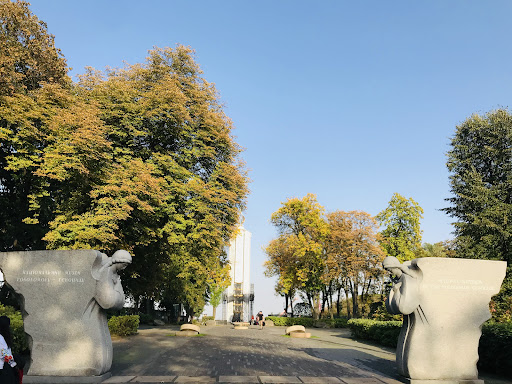
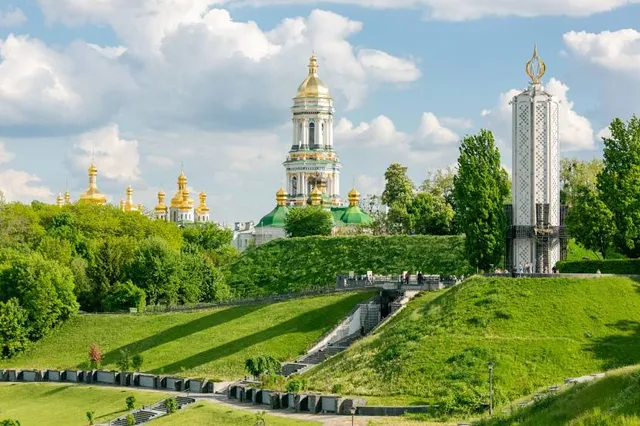
The National Museum of the Holodomor-Genocide, formerly known as the Memorial in Commemoration of the Holodomor-Genocide in Ukraine, is Ukraine's national museum and a centre devoted to the victims of the Holodomor of 1932–1933, a man-made famine that killed millions in Ukraine.
Nearby attractions
Park of Eternal Glory
Lavrska St, 15, Kyiv, Київська обл., Ukraine, 01015
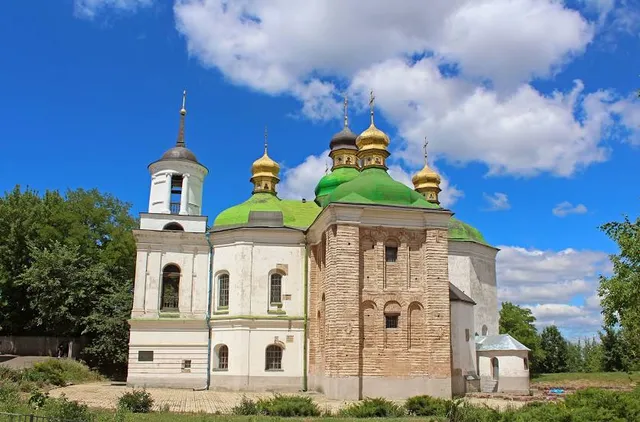
Church of the Savior in Berestov
Lavrska St, 9, к. 84, Kyiv, Ukraine, 02000
Kiev Pechersk Lavra
Lavrska St, 9, Kyiv, Ukraine, 01015
"Lavra" Art Gallery
Lavrs'kyi Ln, 7, Kyiv, Ukraine, 01015
National Kyiv-Pechersk Historical and Cultural Reserve
Lavrska St, 9, Kyiv, Ukraine, 01015
Mystetskyi Arsenal National Art and Culture Museum Complex
Lavrska St, 10-12, Kyiv, Ukraine, 01010
Military Pilots' (Leonid Bykov) Monument
Kyiv, Ukraine, 02000
Mykola Siadrystyi Micro Miniatures Museum
корпус 4, Lavrska St, 9, Kyiv, Ukraine, 02000
Tserkva Vsikh Svyatykh
Lavrska St, 9, Kyiv, Ukraine, 01015
Ukrainian Treasures Museum
Lavrska St, 9, Kyiv, Ukraine, 01015
Nearby restaurants
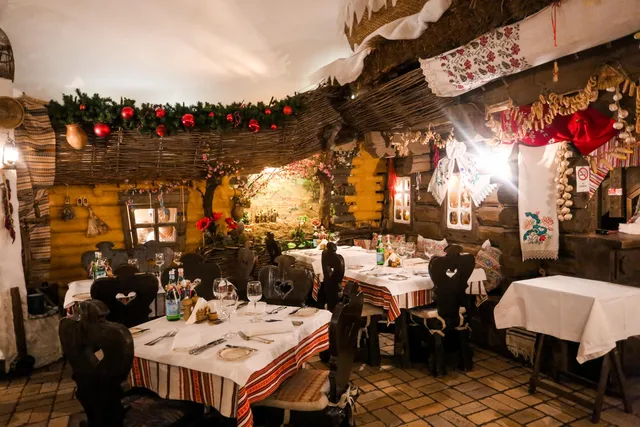
Tsars'ke Selo
Lavrska St, 22, Kyiv, Ukraine, 02000
Nearby hotels
Salute Hotel
Ivan Mazepa St, 11Б, Kyiv, Ukraine, 01010
Чорне Море
Leiptsyzka St, 16а, Kyiv, Ukraine, 01015
Related posts
Keywords
Holodomor Genocide Museum tourism.Holodomor Genocide Museum hotels.Holodomor Genocide Museum bed and breakfast. flights to Holodomor Genocide Museum.Holodomor Genocide Museum attractions.Holodomor Genocide Museum restaurants.Holodomor Genocide Museum travel.Holodomor Genocide Museum travel guide.Holodomor Genocide Museum travel blog.Holodomor Genocide Museum pictures.Holodomor Genocide Museum photos.Holodomor Genocide Museum travel tips.Holodomor Genocide Museum maps.Holodomor Genocide Museum things to do.
Holodomor Genocide Museum things to do, attractions, restaurants, events info and trip planning
Holodomor Genocide Museum
UkraineKyivHolodomor Genocide Museum

Basic Info

Holodomor Genocide Museum

Lavrska St, 3, Kyiv, Ukraine, 01015
4.7(832)
Open 24 hours
Save
spot

Ratings & Description

Info

The National Museum of the Holodomor-Genocide, formerly known as the Memorial in Commemoration of the Holodomor-Genocide in Ukraine, is Ukraine's national museum and a centre devoted to the victims of the Holodomor of 1932–1933, a man-made famine that killed millions in Ukraine.

Cultural
Accessibility
attractions: Park of Eternal Glory, Church of the Savior in Berestov, Kiev Pechersk Lavra, "Lavra" Art Gallery, National Kyiv-Pechersk Historical and Cultural Reserve, Mystetskyi Arsenal National Art and Culture Museum Complex, Military Pilots' (Leonid Bykov) Monument, Mykola Siadrystyi Micro Miniatures Museum, Tserkva Vsikh Svyatykh, Ukrainian Treasures Museum, restaurants: Tsars'ke Selo
logoLearn more insights from Wanderboat AI.
Phone
+380 44 254 4512
Website
holodomormuseum.org.ua

Plan your stay

hotel
Pet-friendly Hotels in Kyiv
Find a cozy hotel nearby and make it a full experience.

hotel
Affordable Hotels in Kyiv
Find a cozy hotel nearby and make it a full experience.

hotel
The Coolest Hotels You Haven't Heard Of (Yet)
Find a cozy hotel nearby and make it a full experience.

hotel
Trending Stays Worth the Hype in Kyiv
Find a cozy hotel nearby and make it a full experience.

Reviews

Nearby attractions of Holodomor Genocide Museum

Park of Eternal Glory

Church of the Savior in Berestov

Kiev Pechersk Lavra

"Lavra" Art Gallery

National Kyiv-Pechersk Historical and Cultural Reserve

Mystetskyi Arsenal National Art and Culture Museum Complex

Military Pilots' (Leonid Bykov) Monument

Mykola Siadrystyi Micro Miniatures Museum

Tserkva Vsikh Svyatykh

Ukrainian Treasures Museum
Park of Eternal Glory

Park of Eternal Glory

4.7

(6.2K)

Closed
Click for details
Church of the Savior in Berestov

Church of the Savior in Berestov

4.7

(238)

Open 24 hours
Click for details
Kiev Pechersk Lavra

Kiev Pechersk Lavra

4.7

(12K)

Open 24 hours
Click for details
"Lavra" Art Gallery

"Lavra" Art Gallery

4.6

(597)

Closed
Click for details

Things to do nearby

Fogo Day: Mainnet Party in Ukraine!
Sat, Dec 13 • 9:00 AM
Kyiv, Kyiv
View details

Nearby restaurants of Holodomor Genocide Museum

Tsars'ke Selo

Tsars'ke Selo

Tsars'ke Selo

4.5

(1.1K)

$$$

Click for details
Get the Appoverlay
Get the AppOne tap to find yournext favorite spots!
Wanderboat LogoWanderboat

Your everyday Al companion for getaway ideas

CompanyAbout Us
InformationAI Trip PlannerSitemap
SocialXInstagramTiktokLinkedin
LegalTerms of ServicePrivacy Policy

Get the app

© 2025 Wanderboat. All rights reserved.
logo

Reviews of Holodomor Genocide Museum

4.7
(832)
avatar
5.0
5y

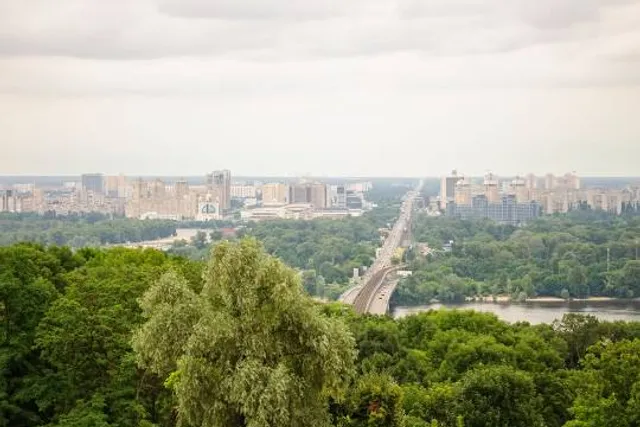
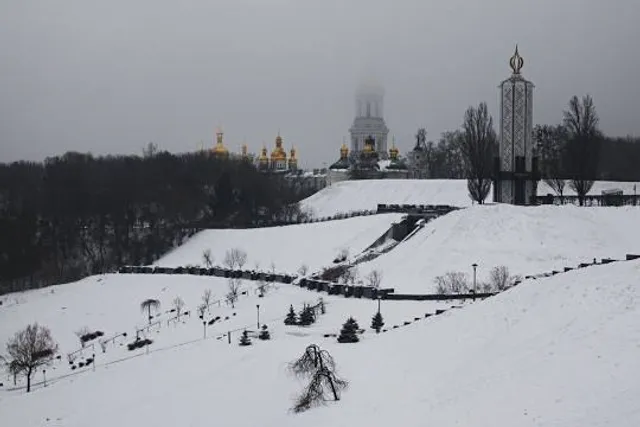
National Museum of the Holodomor-Genocide (Ukrainian: Національний музей Голодомору-геноциду),2] formerly known as the Memorial in Commemoration of the Holodomor-Genocide in Ukraine, is Ukraine's national museum and a world-class centre devoted to the victims of the Holodomor of 1932-1933. The museum was opened on the day of the 75th anniversary of the Holodomor in 2008 and gained the status of a national museum in 2010. The museum is located on the Pechersk Hills on the right bank of the Dnieper river in Kyiv, adjacent to the Kyiv Pechersk Lavra.

On 28 November 2006, the Parliament of Ukraine (Verkhovna Rada) voted to recognize the Holodomor, a devastating famine which took place in the early 1930s in the former Ukrainian Soviet Socialist Republic, as a deliberate act of genocide against the Ukrainian people.[3] The bill was signed into law by President Viktor Yushchenko and included a provision for commemorative and research activities, and the construction of memorials to honour the victims and preserve the memory of the Holodomor tragedy for future generations.

The Memorial in Commemoration of Famines' Victims in Ukraine was erected on the slopes of the Dnieper river in 2008, welcoming its first visitors on 22 November 2008.[4] The ceremony of the memorial's opening was dedicated to the 75th anniversary of the Holodomor.

On 8 July 2009, the Cabinet of Ministers of Ukraine signed a decree that established a state museum "The Memorial in Commemoration of Famines' Victims in Ukraine". The museum subsequently acquired the status of a national museum on 18 February 2010.[4]

Starting from February 2010, the museum has been included in the official program for visits to Ukraine by Heads of States and foreign delegations and officials.[5]

On 31 July 2015, the Ministry of Culture of Ukraine renamed the museum in order to reflect the singular instance of the famine-genocide known as Holodomor. Prior to this, the museum, which represents three famines – the 1921-1923 famine, the 1932-1933 famine, and the 1946-1947 famine – used the term 'Holodomor' as a plural term. The plural has been removed in order to offset the understanding of the Holodomor being the 1932-1933 famine as being exclusively deemed to be genocidal...

   Read more
avatar
5.0
6y

This little statue on itself is rather modest. But the figure of a skinny little girl holding carefully a few grain stalks expresses a deep feel of despair. The 'holodomor' was a very dramatic period in the history of Ukraine and refers to the severe famine that ruled over big parts of the country in 1932-33. The more that the origins of the famine are subject of huge controverse. Many claim that it was forced voluntary by russian ruler Stalin to punish Ukrainians for the independency movement. Also the number of victims it made is debatable. But the less estimates still remain between 3.5 and 7 million in those 2 years. It sure did disrupt strongly and on a large scale the social and cultural landscape in rural communities. The museum for the Holodomor- where this statue stands close to the entrance - opened on 22 November 2008. Since 2006 the 4th saturday of November is also the official "Holodomor Rememberance day" More info can be found...

   Read more
avatar
4.0
5y

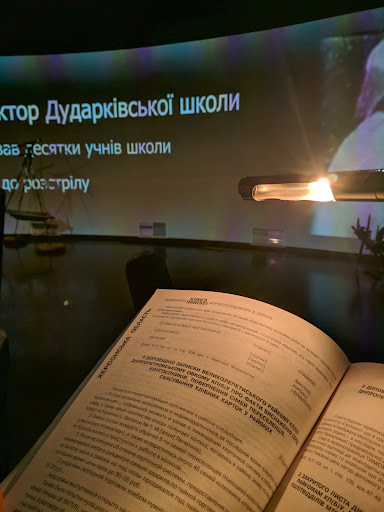
The museum is small and there is not much that can be shown, as a famine does not occur in a single point of space or time and the suffering of such a thing is difficult to sum up. The staff surmised that I spoke English and motioned for me to watch a video in English about the famine and the role of Western journalists, both those who covered it up and those who revealed it to the world. After this there is a circular room with many exhibits of primary documents in Russian and Ukrainian, however without knowledge of these languages, it is somewhat difficult to follow the details, although the main story is fairly clear.

If one is in the area, it is worth viewing, and is also near the Tomb of the Unknown Soldier. The monument outside the museum is interesting, but is currently surrounded by cranes and...

   Read more
Page 1 of 7
Previous
Next

Posts

Hari KrishnanHari Krishnan
National Museum of the Holodomor-Genocide (Ukrainian: Національний музей Голодомору-геноциду),[2] formerly known as the Memorial in Commemoration of the Holodomor-Genocide in Ukraine, is Ukraine's national museum and a world-class centre devoted to the victims of the Holodomor of 1932-1933. The museum was opened on the day of the 75th anniversary of the Holodomor in 2008 and gained the status of a national museum in 2010. The museum is located on the Pechersk Hills on the right bank of the Dnieper river in Kyiv, adjacent to the Kyiv Pechersk Lavra. On 28 November 2006, the Parliament of Ukraine (Verkhovna Rada) voted to recognize the Holodomor, a devastating famine which took place in the early 1930s in the former Ukrainian Soviet Socialist Republic, as a deliberate act of genocide against the Ukrainian people.[3] The bill was signed into law by President Viktor Yushchenko and included a provision for commemorative and research activities, and the construction of memorials to honour the victims and preserve the memory of the Holodomor tragedy for future generations. The Memorial in Commemoration of Famines' Victims in Ukraine was erected on the slopes of the Dnieper river in 2008, welcoming its first visitors on 22 November 2008.[4] The ceremony of the memorial's opening was dedicated to the 75th anniversary of the Holodomor. On 8 July 2009, the Cabinet of Ministers of Ukraine signed a decree that established a state museum "The Memorial in Commemoration of Famines' Victims in Ukraine". The museum subsequently acquired the status of a national museum on 18 February 2010.[4] Starting from February 2010, the museum has been included in the official program for visits to Ukraine by Heads of States and foreign delegations and officials.[5] On 31 July 2015, the Ministry of Culture of Ukraine renamed the museum in order to reflect the singular instance of the famine-genocide known as Holodomor. Prior to this, the museum, which represents three famines – the 1921-1923 famine, the 1932-1933 famine, and the 1946-1947 famine – used the term 'Holodomor' as a plural term. The plural has been removed in order to offset the understanding of the Holodomor being the 1932-1933 famine as being exclusively deemed to be genocidal in nature.[2][6]
David DanceyDavid Dancey
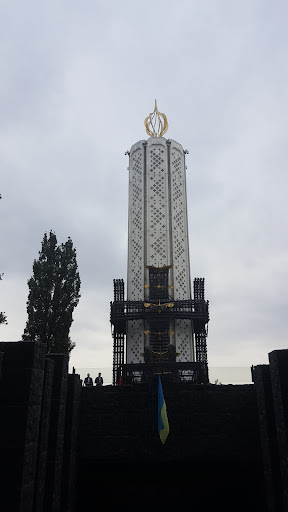
The museum is small and there is not much that can be shown, as a famine does not occur in a single point of space or time and the suffering of such a thing is difficult to sum up. The staff surmised that I spoke English and motioned for me to watch a video in English about the famine and the role of Western journalists, both those who covered it up and those who revealed it to the world. After this there is a circular room with many exhibits of primary documents in Russian and Ukrainian, however without knowledge of these languages, it is somewhat difficult to follow the details, although the main story is fairly clear. If one is in the area, it is worth viewing, and is also near the Tomb of the Unknown Soldier. The monument outside the museum is interesting, but is currently surrounded by cranes and construction work.
Argun KonukArgun Konuk
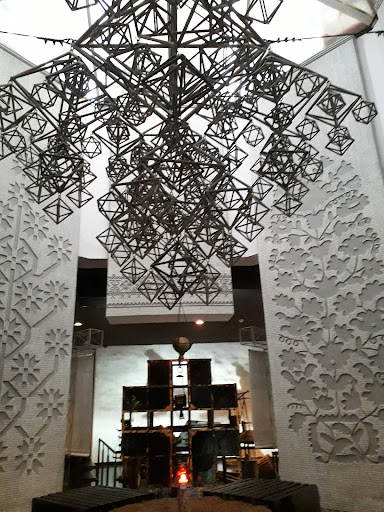
Under the monument there is a museum-gallery type of hall in which you can learn a lot about the appalling catastrophe that occurred between 1922-1923. The entrance is not free even if the signaboard at the entrance says the opposite but the ticket is something like 10 grivnas which is nothing. Moreover, English information is available. For the ones who are interested in history and cultures, this place is worth visiting!
See more posts
See more posts
hotel
Find your stay

Pet-friendly Hotels in Kyiv

Find a cozy hotel nearby and make it a full experience.

National Museum of the Holodomor-Genocide (Ukrainian: Національний музей Голодомору-геноциду),[2] formerly known as the Memorial in Commemoration of the Holodomor-Genocide in Ukraine, is Ukraine's national museum and a world-class centre devoted to the victims of the Holodomor of 1932-1933. The museum was opened on the day of the 75th anniversary of the Holodomor in 2008 and gained the status of a national museum in 2010. The museum is located on the Pechersk Hills on the right bank of the Dnieper river in Kyiv, adjacent to the Kyiv Pechersk Lavra. On 28 November 2006, the Parliament of Ukraine (Verkhovna Rada) voted to recognize the Holodomor, a devastating famine which took place in the early 1930s in the former Ukrainian Soviet Socialist Republic, as a deliberate act of genocide against the Ukrainian people.[3] The bill was signed into law by President Viktor Yushchenko and included a provision for commemorative and research activities, and the construction of memorials to honour the victims and preserve the memory of the Holodomor tragedy for future generations. The Memorial in Commemoration of Famines' Victims in Ukraine was erected on the slopes of the Dnieper river in 2008, welcoming its first visitors on 22 November 2008.[4] The ceremony of the memorial's opening was dedicated to the 75th anniversary of the Holodomor. On 8 July 2009, the Cabinet of Ministers of Ukraine signed a decree that established a state museum "The Memorial in Commemoration of Famines' Victims in Ukraine". The museum subsequently acquired the status of a national museum on 18 February 2010.[4] Starting from February 2010, the museum has been included in the official program for visits to Ukraine by Heads of States and foreign delegations and officials.[5] On 31 July 2015, the Ministry of Culture of Ukraine renamed the museum in order to reflect the singular instance of the famine-genocide known as Holodomor. Prior to this, the museum, which represents three famines – the 1921-1923 famine, the 1932-1933 famine, and the 1946-1947 famine – used the term 'Holodomor' as a plural term. The plural has been removed in order to offset the understanding of the Holodomor being the 1932-1933 famine as being exclusively deemed to be genocidal in nature.[2][6]
Hari Krishnan

Hari Krishnan

hotel
Find your stay

Affordable Hotels in Kyiv

Find a cozy hotel nearby and make it a full experience.

Get the Appoverlay
Get the AppOne tap to find yournext favorite spots!
The museum is small and there is not much that can be shown, as a famine does not occur in a single point of space or time and the suffering of such a thing is difficult to sum up. The staff surmised that I spoke English and motioned for me to watch a video in English about the famine and the role of Western journalists, both those who covered it up and those who revealed it to the world. After this there is a circular room with many exhibits of primary documents in Russian and Ukrainian, however without knowledge of these languages, it is somewhat difficult to follow the details, although the main story is fairly clear. If one is in the area, it is worth viewing, and is also near the Tomb of the Unknown Soldier. The monument outside the museum is interesting, but is currently surrounded by cranes and construction work.
David Dancey

David Dancey

hotel
Find your stay

The Coolest Hotels You Haven't Heard Of (Yet)

Find a cozy hotel nearby and make it a full experience.

hotel
Find your stay

Trending Stays Worth the Hype in Kyiv

Find a cozy hotel nearby and make it a full experience.

Under the monument there is a museum-gallery type of hall in which you can learn a lot about the appalling catastrophe that occurred between 1922-1923. The entrance is not free even if the signaboard at the entrance says the opposite but the ticket is something like 10 grivnas which is nothing. Moreover, English information is available. For the ones who are interested in history and cultures, this place is worth visiting!
Argun Konuk

Argun Konuk

See more posts
See more posts