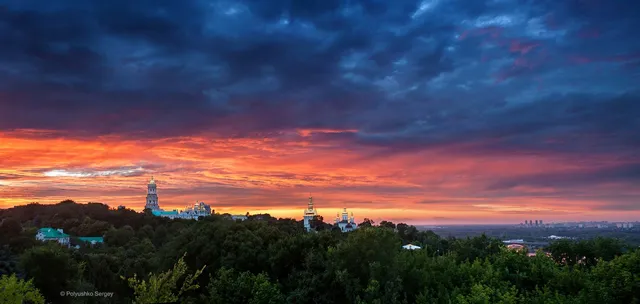
Kyiv Pechersk Lavra, also known as the Kyiv Monastery of the Caves, is one of Ukraine's most revered religious and cultural landmarks. Perched on the picturesque hills overlooking the Dnipro River in the Pechersk district of Kyiv, this UNESCO World Heritage site is a stunning example of Eastern Orthodox monastic architecture and a place of profound spiritual significance.
Founded in 1051 by St. Anthony of Kyiv, the Lavra began as a humble cave monastery and grew into a vast complex of churches, bell towers, and subterranean catacombs. The history of Kyiv Pechersk Lavra is deeply intertwined with the spread of Christianity in the region, serving as a spiritual center for Eastern Orthodoxy and a cradle of monasticism in Kievan Rus. Over the centuries, it has been a focal point of religious life, attracting pilgrims from across the Orthodox world.
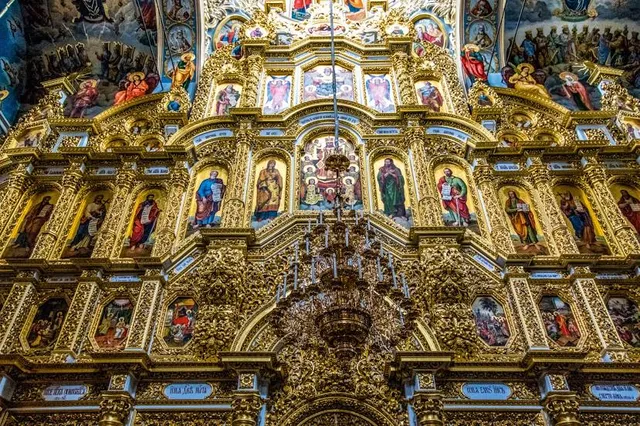
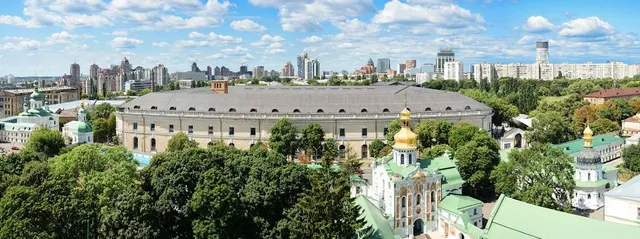
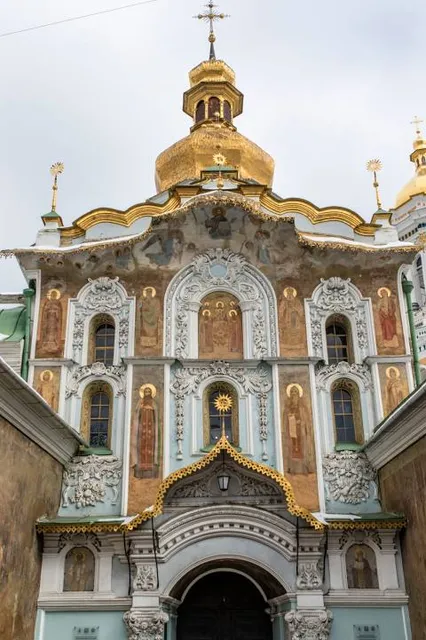
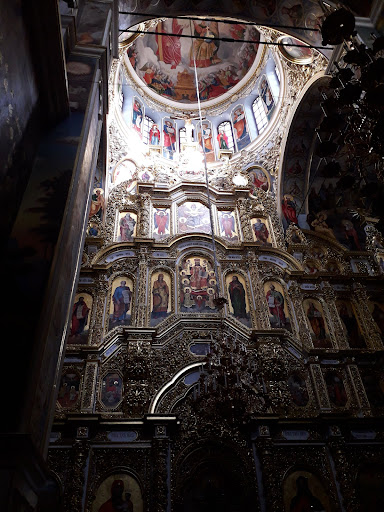
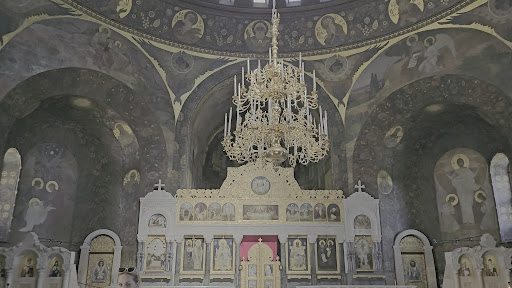
The architectural beauty of Kyiv Pechersk Lavra is breathtaking. The complex is dominated by the Great Lavra Belltower, which soars to a height of 96.5 meters, making it one of the tallest bell towers in the world. The golden domes of the Dormition Cathedral, which was rebuilt after being destroyed during World War II, gleam in the sunlight, creating a striking contrast against the blue skies of Kyiv. The interior of the churches is adorned with exquisite frescoes, mosaics, and icons, reflecting the rich artistic tradition of the Orthodox Church.
Beneath the Lavra's surface lies a network of catacombs, where the mummified remains of saints, monks, and notable figures from Ukrainian history are interred. These underground passages are a place of pilgrimage, with visitors coming to venerate the relics and experience the serene, otherworldly atmosphere of the caves.
Culturally, Kyiv Pechersk Lavra is a symbol of Ukraine's religious heritage and national identity. It has played a crucial role in the preservation and dissemination of Orthodox Christian traditions, theological scholarship, and religious art. The Lavra continues to be an active monastery, home to a community of monks who maintain the centuries-old spiritual practices that have been passed down through generations.
In addition to its religious significance, Kyiv Pechersk Lavra is a cultural treasure, hosting museums that display priceless artifacts, manuscripts, and religious objects. The site is not only a place of worship but also a center of learning, art, and history, embodying the spiritual and cultural...
Read moreKiev Pechersk Lavra, Kyiv Pechersk Lavra or Kyivo-Pechers’ka Lavra also known as the Kiev Monastery of the Caves, is a historic Orthodox Christian monastery which gave its name to one of the city districts where it is located in Kiev.
Since its foundation as the cave monastery in 1051, the Lavra has been a preeminent center of Eastern Orthodox Christianity in Eastern Europe. Together with the Saint Sophia Cathedral, it is inscribed as a UNESCO World Heritage Site.The monastery complex is considered a separate national historic-cultural preserve (sanctuary), the national status to which was granted on 13 March 1996.The Lavra is not only located in another part of the city, but is part of a different national sanctuary than Saint Sophia Cathedral. While being a cultural attraction, the monastery is once again active, with over 100 monks in residence. It was named one of the Seven Wonders of Ukraine on 21 August 2007, based on voting by experts and the internet community.[citation needed]
Currently, the jurisdiction over the site is divided between the state museum, National Kyiv-Pechersk Historic-Cultural Preserve,[9] and the Ukrainian Orthodox Church as the site of the chief monastery of that Church and the residence of its leader, Onufrius, Metropolitan of Kiev and All Ukraine.
The word pechera means cave. The word lavra is used to describe high-ranking male monasteries for monks of the Eastern Orthodox Church. Therefore, the name of the monastery is also translated as Kiev Cave Monastery, Kiev Caves Monastery or the Kiev Monastery of the Caves (на печерах).
According to the Primary Chronicle, in the early 11th century, Anthony, an Orthodox monk from Esphigmenon monastery on Mount Athos, originally from Liubech of the Principality of Chernihiv, returned to Rus' and settled in Kiev as a missionary of monastic tradition to Kievan Rus'. He chose a cave at the Berestov Mount that overlooked the Dnieper River and a community of disciples soon grew. Prince Iziaslav I of Kiev ceded the whole mount to the Anthonite monks who founded a monastery built by architects...
Read moreThis is one of the oldest parts of Kyiv and is a series of churches and monastery buildings constructed atop an artificial cave network. Within the caves are the tombs of Orthodox saints, naturally mummified. The lower section, including the caves, is controlled by the monastery, while the upper parts are run by the state and include a variety of museums. The caves can be quite confusing and one may need a guide to fully understand what is being seen. The caves are low in places and taller people will need to stoop sometimes. Photography is not permitted within the caves and they are unlit, meaning that you will need to carry a candle with you. There are two sets of caves, one nearer the main monastery and the other further away and connected by a wooden covered walkway.
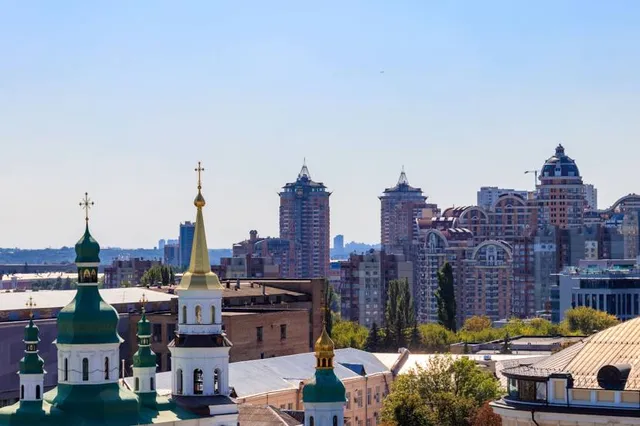
The upper part contains the bell tower. Only the lower segment of the bell tower was open when we were there, but this was still quite high and gives some stunning views of the monastery, of Rodina Mat in the distance and of the River Dnieper itself.
The main church of Pechersk Lavra is very lavish both inside and out and is well worth seeing. There is a smaller Refectory Church, with a large circular dome, which has some very interesting examples of Orthodox Art Nouveau paintings from the early 20th-century.
The upper part of the complex holds a number of museums. I only visited the microminiatures museum and the treasure museum, but there were a number of others and one could spend quite some time here, although each individual...
Read more