Runnymede Air Forces Memorial things to do, attractions, restaurants, events info and trip planning
Basic Info
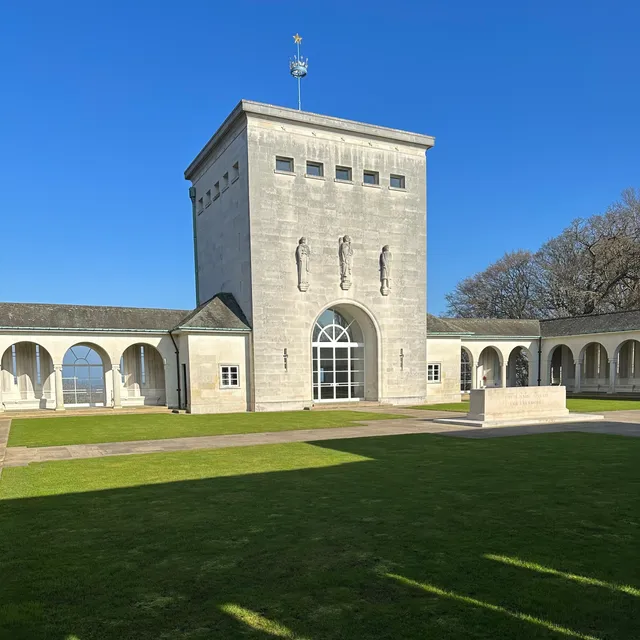
Runnymede Air Forces Memorial
Cooper's Hill Ln, Englefield Green, Egham TW20 0LB, United Kingdom
4.8(368)
Closed
Save
spot
spot
Ratings & Description
Info
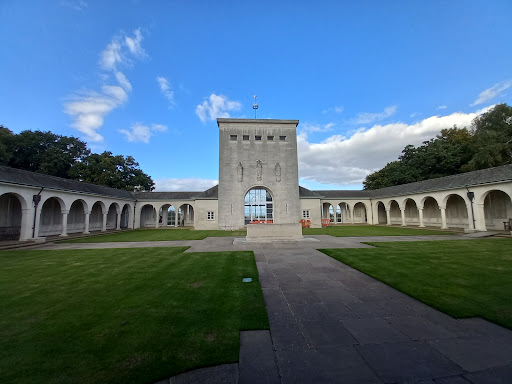
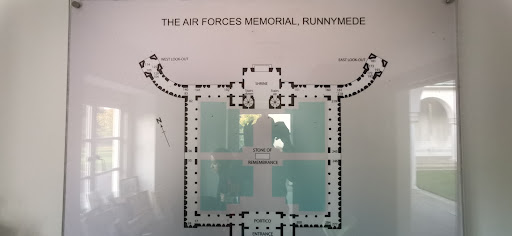
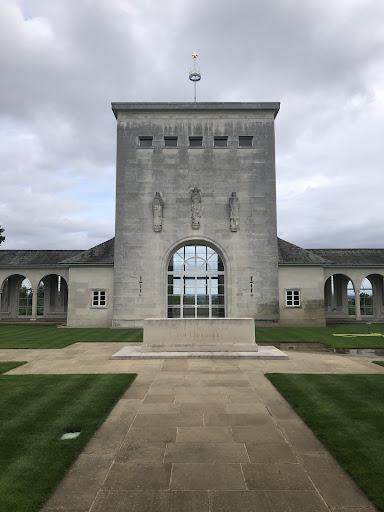
The Air Forces Memorial, or Runnymede Memorial, in Englefield Green, near Egham, Surrey, England is a memorial dedicated to some 20,456 men and women from air forces of the British Empire who were lost in air and other operations during World War II.
Cultural
Scenic
Accessibility
Family friendly
attractions: National Trust - Runnymede, Magna Carta Memorial, Englefield Green, John F Kennedy Memorial, National Trust - Ankerwycke Yew, restaurants: Langton's at Cooper's Hill, The Barley Mow, A Heartwood Inn, The Beehive, Egham, The Barley Mow, Cafe Rendez Vous, local businesses:
 Learn more insights from Wanderboat AI.
Phone
+44 1784 433329
Website
cwgc.org
Open hoursSee all hours
Sat10 AM - 4 PMClosed
Plan your stay

Pet-friendly Hotels in Borough of Runnymede
Find a cozy hotel nearby and make it a full experience.

Affordable Hotels in Borough of Runnymede
Find a cozy hotel nearby and make it a full experience.

The Coolest Hotels You Haven't Heard Of (Yet)
Find a cozy hotel nearby and make it a full experience.

Trending Stays Worth the Hype in Borough of Runnymede
Find a cozy hotel nearby and make it a full experience.
Reviews
Live events

Explore India’s culture on a North London walk
Sat, Jan 31 • 10:00 AM
Greater London, HA0 4LL, United Kingdom
View details

London Pottery Workshop
Sat, Jan 31 • 11:00 AM
Greater London, HA0 1RQ, United Kingdom
View details
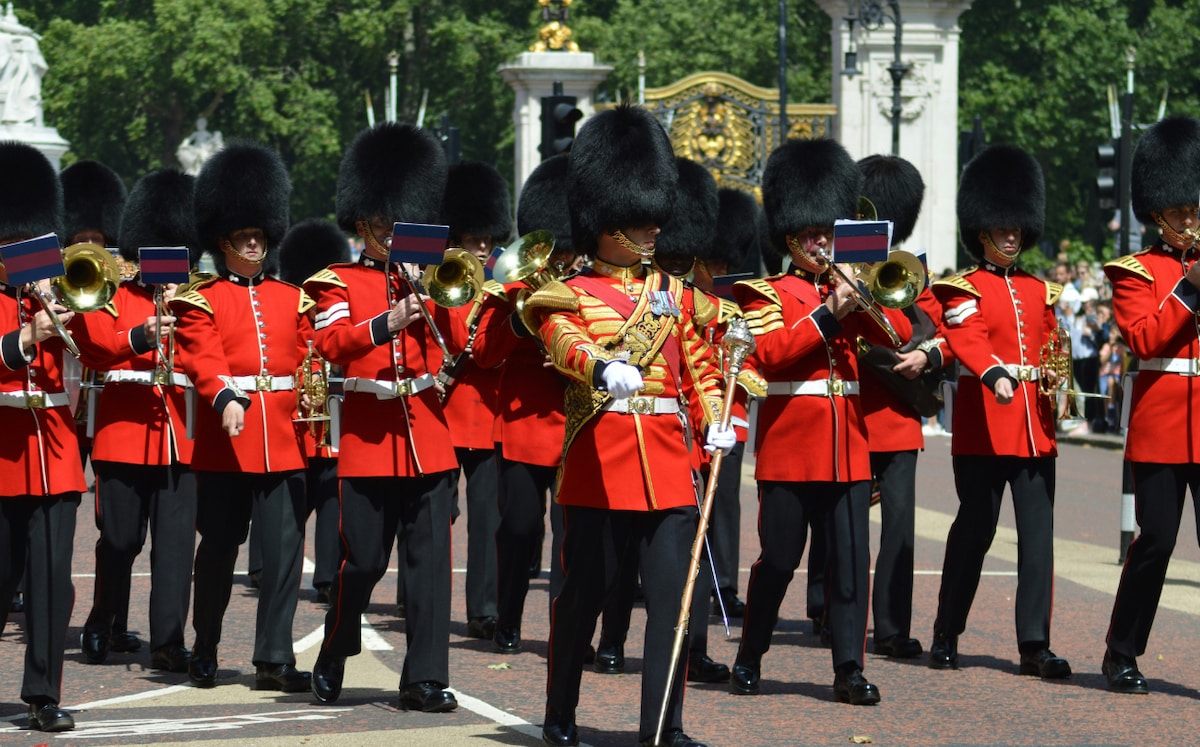
Changing of the Guard Walking Tour
Mon, Feb 2 • 10:00 AM
Greater London, SW1E 5EA, United Kingdom
View details
Nearby attractions of Runnymede Air Forces Memorial
National Trust - Runnymede
Magna Carta Memorial
Englefield Green
John F Kennedy Memorial
National Trust - Ankerwycke Yew

National Trust - Runnymede
4.5
(716)
Closed
Click for details
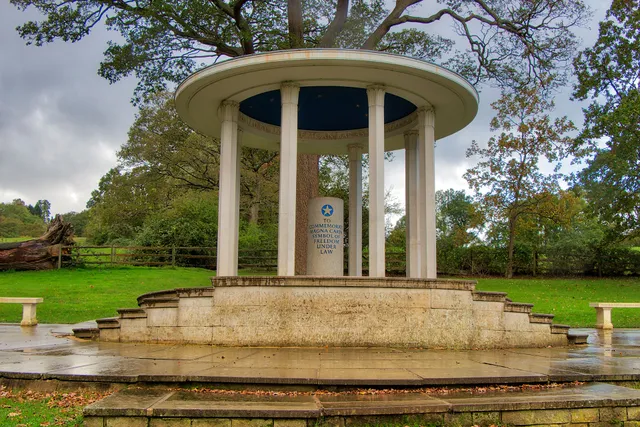
Magna Carta Memorial
4.5
(543)
Open until 12:00 AM
Click for details
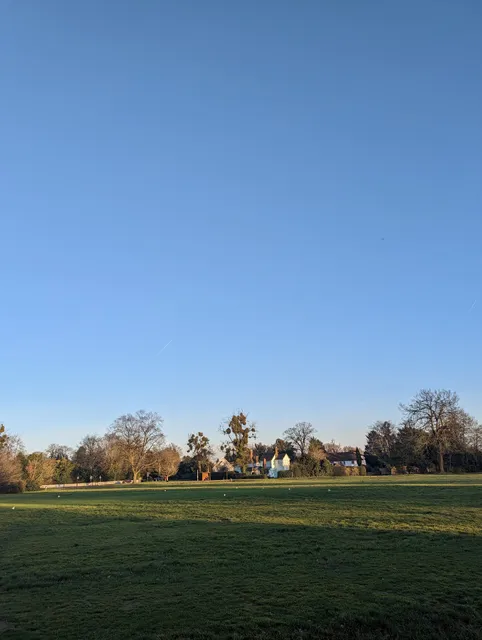
Englefield Green
4.5
(147)
Open until 12:00 AM
Click for details
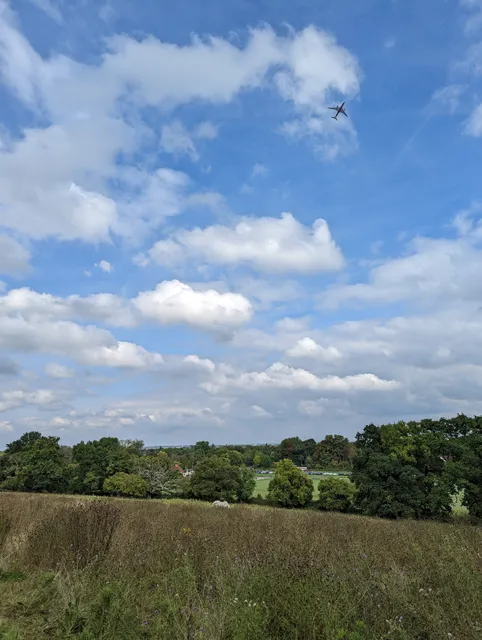
John F Kennedy Memorial
4.4
(82)
Open 24 hours
Click for details
Nearby restaurants of Runnymede Air Forces Memorial
Langton's at Cooper's Hill
The Barley Mow, A Heartwood Inn
The Beehive, Egham
The Barley Mow
Cafe Rendez Vous

Langton's at Cooper's Hill
4.2
(56)
Closed
Click for details

The Barley Mow, A Heartwood Inn
4.5
(621)
Closed
Click for details

The Beehive, Egham
4.6
(310)
Closed
Click for details
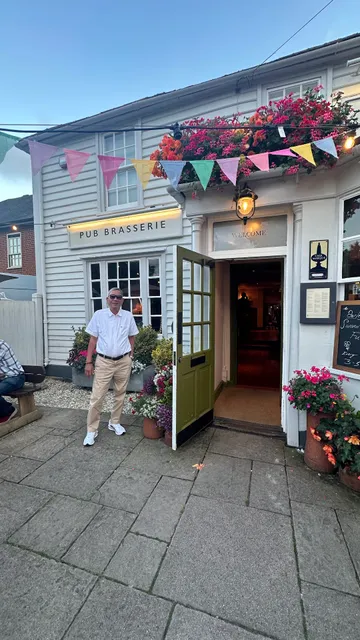
The Barley Mow
4.6
(16)
Click for details