National Trust - Ankerwycke Yew things to do, attractions, restaurants, events info and trip planning
Basic Info
National Trust - Ankerwycke Yew
Wraysbury, Staines TW19 5AD, United Kingdom
4.5(123)$$$$
Open until 12:00 AM
Save
spot
spot
Ratings & Description
Info
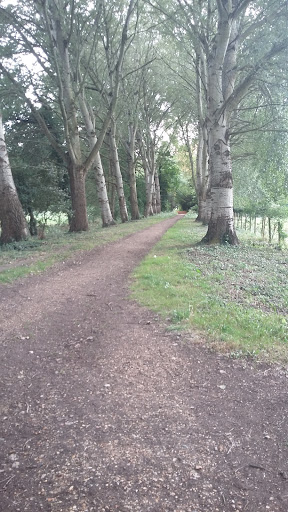
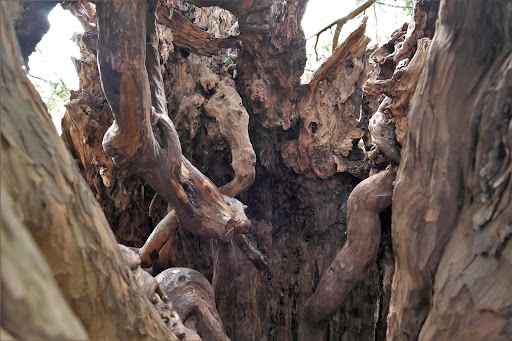
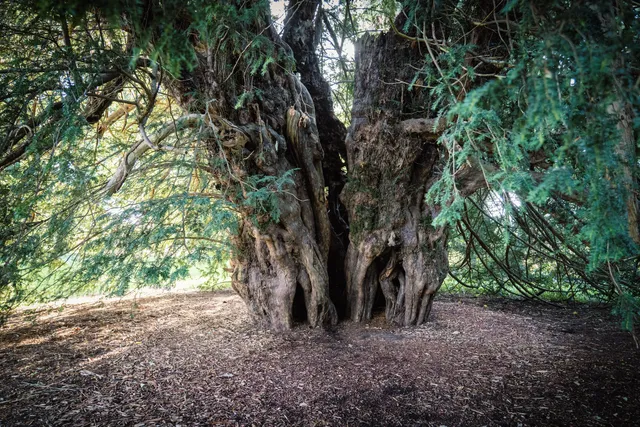
The Ankerwycke Yew is an ancient yew tree close to the ruins of St Mary's Priory, the site of a Benedictine nunnery built in the 12th century, near Wraysbury in Berkshire, England. It is a male tree with a girth of 8 metres at 0.3 metres. The tree is at least 1,400 years old, and could be as old as 2,500 years.
Outdoor
Cultural
Scenic
Family friendly
Off the beaten path
attractions: Runnymede Pleasure Ground, National Trust - Runnymede, Magna Carta Memorial, The Jurors, John F Kennedy Memorial, Runnymede Air Forces Memorial, Runnymede Boatyard, restaurants: Runnymede Cafe, Italian Concept Restaurant, Magna Carta Tea Room, Runnymede Tearoom And Shop, local businesses:
 Learn more insights from Wanderboat AI.
Phone
+44 1784 432891
Website
nationaltrust.org.uk
Open hoursSee all hours
WedOpen 24 hoursOpen
Plan your stay

Pet-friendly Hotels in Wraysbury
Find a cozy hotel nearby and make it a full experience.

Affordable Hotels in Wraysbury
Find a cozy hotel nearby and make it a full experience.

The Coolest Hotels You Haven't Heard Of (Yet)
Find a cozy hotel nearby and make it a full experience.

Trending Stays Worth the Hype in Wraysbury
Find a cozy hotel nearby and make it a full experience.
Reviews
Live events

Explore 30+ London sights
Wed, Jan 28 • 10:00 AM
Greater London, W1J 9BR, United Kingdom
View details

A Speakeasy Social Tour: New Friends & Hidden Bars
Sat, Jan 31 • 7:00 PM
Greater London, W1B 5PD, United Kingdom
View details

Make bean-to-bar chocolate in Notting Hill
Thu, Jan 29 • 4:00 PM
Greater London, W11 2AA, United Kingdom
View details
Nearby attractions of National Trust - Ankerwycke Yew
Runnymede Pleasure Ground
National Trust - Runnymede
Magna Carta Memorial
The Jurors
John F Kennedy Memorial
Runnymede Air Forces Memorial
Runnymede Boatyard
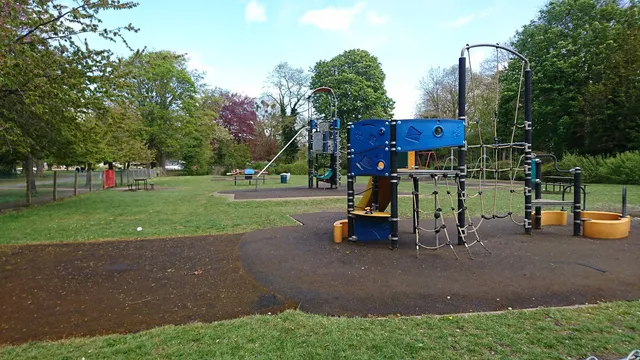
Runnymede Pleasure Ground
4.5
(1.2K)
Open until 4:00 PM
Click for details

National Trust - Runnymede
4.5
(716)
Open until 5:00 PM
Click for details
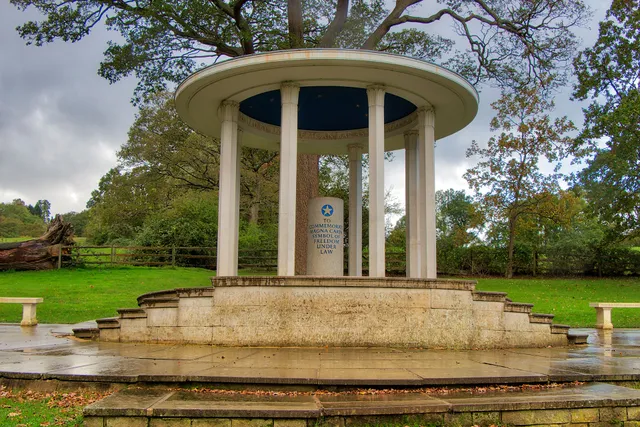
Magna Carta Memorial
4.5
(543)
Open until 12:00 AM
Click for details

The Jurors
4.5
(33)
Open until 12:00 AM
Click for details
Nearby restaurants of National Trust - Ankerwycke Yew
Runnymede Cafe
Italian Concept Restaurant
Magna Carta Tea Room
Runnymede Tearoom And Shop
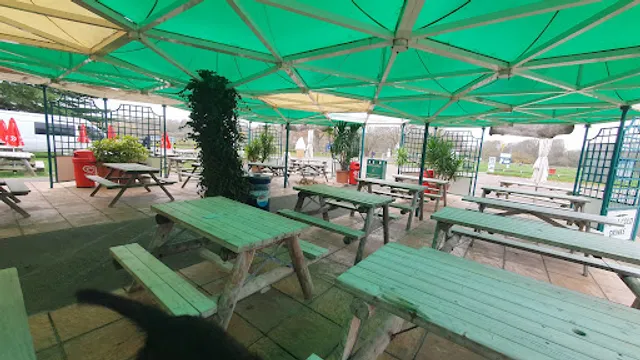
Runnymede Cafe
4.1
(335)
Closed
Click for details

Italian Concept Restaurant
4.6
(438)
$$
Closed
Click for details
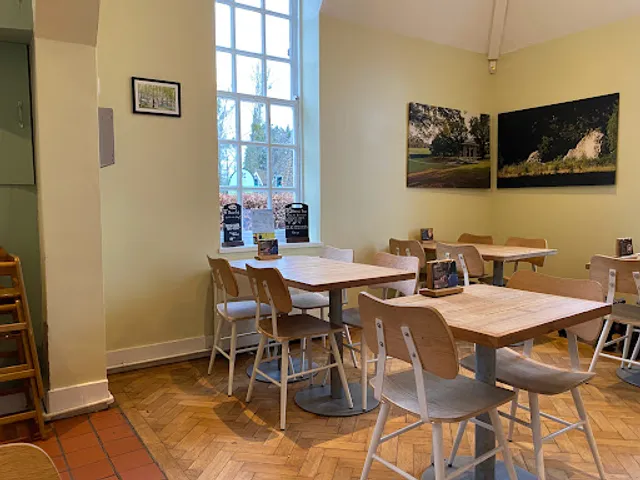
Magna Carta Tea Room
4.0
(75)
Open until 4:00 PM
Click for details

Runnymede Tearoom And Shop
4.0
(1)
Click for details