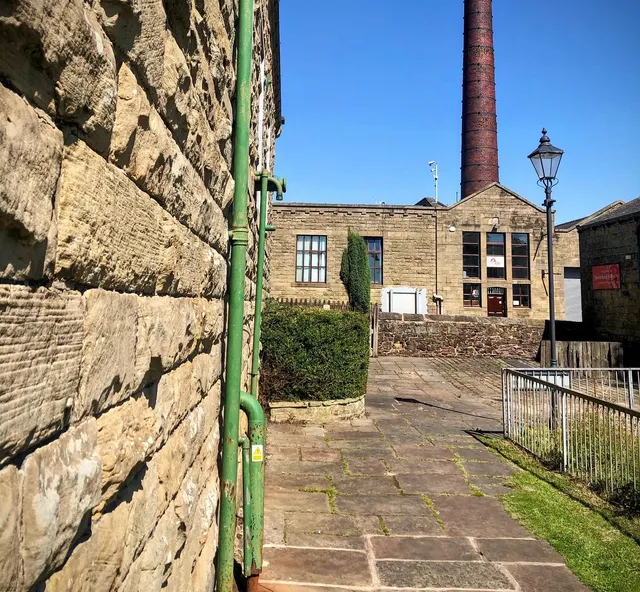
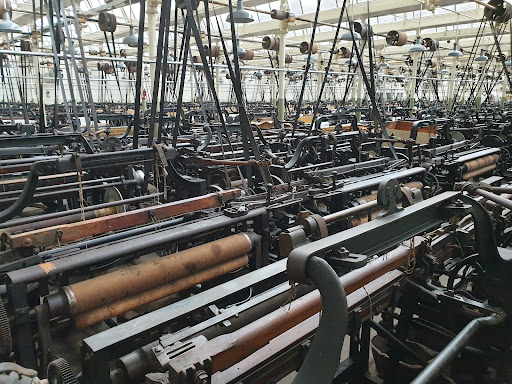
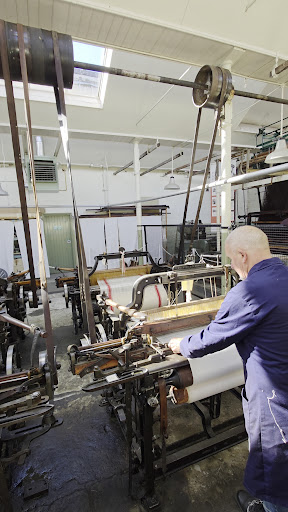
Well worth a half a day’s visit to this preserved Lancashire calico cotton weaving mill. You will be amazed at ingenuity of British engineers who designed such complicated machinery run on steam power, without any electricity. For the weavers it was a hard life and a long day with industrial health hazards aplenty but they were paid piece rate and became experts in operating these forbidding machines.
Although you can make the tour by yourself reading the various signs and posters, it will be much more informative to join a guided tour which will explain how each stage of the mill operated. The volunteer staff are a mine of incredible detail and anecdotes from the old weaving days.
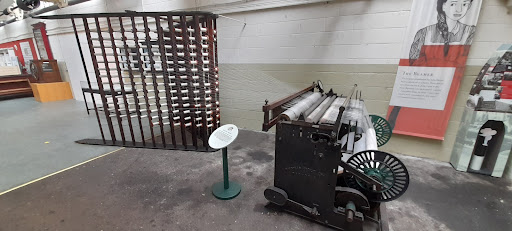
Although we’ve visited before, some years ago, our group visit and guided tour was a very rewarding experience. Volunteers Janet, Julie and Richard each took a group around the various sections of this preserved Lancashire Calico cotton weaving mill. It once held 1,000 looms powered by steam engines. Interestingly, it was cooperatively owned with employees able to buy a share for £5. We learnt about each stage of the operation from transferring spun cotton to pirns that go inside the shuttles which are then flung from one side of the warp threads to the other. I have ancestors who we cotton weavers but before today I never knew what a winder or a tackler was.
We thoroughly enjoyed the afternoon and would highly...
Read moreThis was a wonderful last minute visit as we were in the area and I'm so glad we went. The mill is beautifully preserved and still functional, and the looms are occasionally used to make linen tea towels etc which can be bought in the small gift shop. The team who work there are exceptional - polite, kind and extremely knowledgeable. Because we had not planned the visit in advance we did not have time to wait for one of the numerous tours that are run each day, but Robin served as our tour guide anyway, insisting that it would make more sense if he took us round and explained the machines, and taking time to answer all our questions. And he was absolutely right, it brought an extra depth and understanding of the process and the experience of the people who would have worked there that would have been lost on us otherwise. I cannot recommend this place highly enough. We only spent a few hours here but it was enough to deeply enrich my understanding of how life was when these cotton mills were in constant use and appreciate how they have shaped the local community and the country's industry. Even my teenage son enjoyed his visit (and his takeaway chocolate cake from the small cafe), and that is high praise indeed! Thank you to all the team - you were all a credit to the museum and a reason for us to come back if we're ever in...
Read moreThis should be on everyone's "Things to see before I die".
What overpowers you is just how close together the looms are in the main hall. NOTE: This is a textile factory that was still running only 40 years ago! Safety measures? (= didn't exist!)
The fantastic staff/volunteers are extremely knowledgable, friendly and will answer straight away anything you ask. They tell you first-hand accounts of what the workers had to put up with and how, for example, they communicated despite the noise of the looms.
For the £3 entrance fee (= "nothing") a full guided tour is included - Unbelievable value for money! I have been before, but learn something new each time and will go again soon!
Remember, this is the LAST worldwide remaining example of a fully-equipped steam-powered textile mill and is Grade 1 listed. This is what the industrial revolution really was about. In my opinion it belongs permanently fully-funded and must never be allowed to close to the public. It is a national treasure.
I just hope that the people "up there" and in charge of funding know this! New roads, railways, airports - all not important compared to making sure this stays open.
P.S. For film fans, the mill features in several films e.g. The Kings Speech...
Read more