HTML SitemapExplore
logo
Find Things to DoFind The Best Restaurants

Carew Castle & Tidal Mill — Attraction in Carew

Name
Carew Castle & Tidal Mill
Description
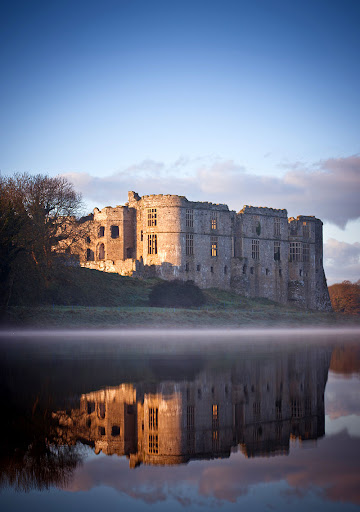
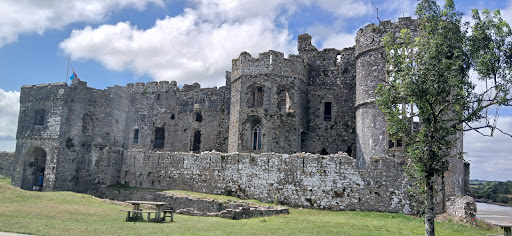
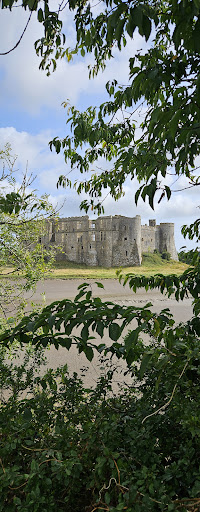
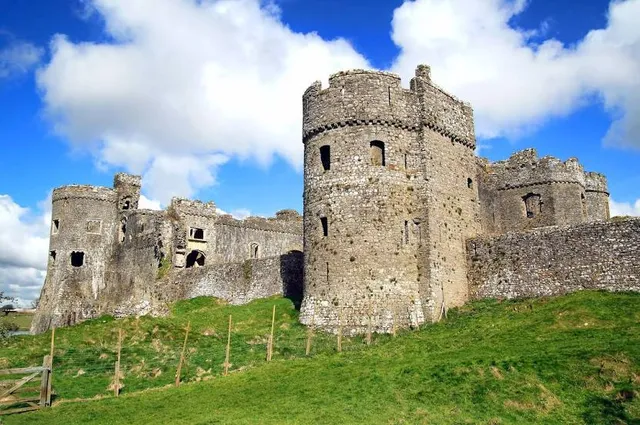
Carew Castle is a castle in the civil parish of Carew in Pembrokeshire, Wales. The Carew family take their name from this site and have owned the castle for more than 900 years. It is leased to the Pembrokeshire Coast National Park for administration purposes .
Nearby attractions
Carew Tidal Mill
River,, Carew, United Kingdom
Carew Cross
A4075, Tenby SA70 8SL, United Kingdom
Nearby restaurants
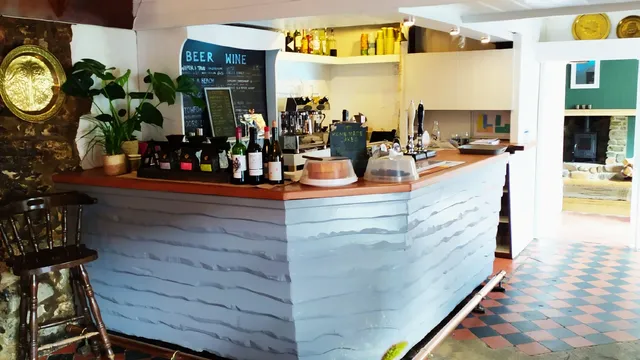
Carew Inn Ltd
Picton Terrace, Tenby SA70 8SL, United Kingdom
Nearby hotels
Milton Bridge
Milton, Tenby SA70 8PH, United Kingdom
Related posts
Keywords
Carew Castle & Tidal Mill tourism.Carew Castle & Tidal Mill hotels.Carew Castle & Tidal Mill bed and breakfast. flights to Carew Castle & Tidal Mill.Carew Castle & Tidal Mill attractions.Carew Castle & Tidal Mill restaurants.Carew Castle & Tidal Mill travel.Carew Castle & Tidal Mill travel guide.Carew Castle & Tidal Mill travel blog.Carew Castle & Tidal Mill pictures.Carew Castle & Tidal Mill photos.Carew Castle & Tidal Mill travel tips.Carew Castle & Tidal Mill maps.Carew Castle & Tidal Mill things to do.
Carew Castle & Tidal Mill things to do, attractions, restaurants, events info and trip planning
Carew Castle & Tidal Mill
United KingdomWalesCarewCarew Castle & Tidal Mill

Basic Info

Carew Castle & Tidal Mill

Castle Ln, Carew, Tenby SA70 8SL, United Kingdom
4.7(1.4K)
Open 24 hours
Save
spot

Ratings & Description

Info

Carew Castle is a castle in the civil parish of Carew in Pembrokeshire, Wales. The Carew family take their name from this site and have owned the castle for more than 900 years. It is leased to the Pembrokeshire Coast National Park for administration purposes .

Cultural
Outdoor
Family friendly
attractions: Carew Tidal Mill, Carew Cross, restaurants: Carew Inn Ltd
logoLearn more insights from Wanderboat AI.
Phone
+44 1646 651782
Website
carewcastle.com

Plan your stay

hotel
Pet-friendly Hotels in Carew
Find a cozy hotel nearby and make it a full experience.

hotel
Affordable Hotels in Carew
Find a cozy hotel nearby and make it a full experience.

hotel
The Coolest Hotels You Haven't Heard Of (Yet)
Find a cozy hotel nearby and make it a full experience.

hotel
Trending Stays Worth the Hype in Carew
Find a cozy hotel nearby and make it a full experience.

Reviews

Nearby attractions of Carew Castle & Tidal Mill

Carew Tidal Mill

Carew Cross
Carew Tidal Mill

Carew Tidal Mill

4.6

(240)

Open 24 hours
Click for details
Carew Cross

Carew Cross

4.7

(10)

Open 24 hours
Click for details

Nearby restaurants of Carew Castle & Tidal Mill

Carew Inn Ltd

Carew Inn Ltd

Carew Inn Ltd

4.5

(460)

$$

Click for details
Get the Appoverlay
Get the AppOne tap to find yournext favorite spots!
Wanderboat LogoWanderboat

Your everyday Al companion for getaway ideas

CompanyAbout Us
InformationAI Trip PlannerSitemap
SocialXInstagramTiktokLinkedin
LegalTerms of ServicePrivacy Policy

Get the app

© 2025 Wanderboat. All rights reserved.
logo

Reviews of Carew Castle & Tidal Mill

4.7
(1,415)
avatar
5.0
6y

Carew Castle (Welsh: Castell Caeriw) is a castle in the civil parish of Carew in Pembrokeshire, Wales. The famous Carew family, who take their name from this site, still own the castle and lease it to the Pembrokeshire Coast National Park for administration.

The present castle, which replaced an earlier stone keep, is constructed almost entirely from the local Carboniferous limestone, except for some of the Tudor architectural features such as window frames, which are made from imported Cotswold stone. Although originally a Norman stronghold the castle maintains a mixture of architectural styles as modifications were made to the structure over successive centuries.

Entry to the inner ward is across a dry moat that had a barbican and gatehouse. The front of the castle had three D-shaped towers and crenelated walls. The rear of the castle has two large round towers. In the 16th century the northern defensive wall was converted into a Tudor range with ornate windows and long gallery. The outer ward has earthworks that were built by Royalist defenders during the English Civil War in the 1640s.

The castle stands on a limestone bluff overlooking the Carew inlet, part of the tidal estuary that makes up the Milford Haven Waterway. The site must have been recognised as strategically useful from the earliest times, and recent excavations in the outer ward have discovered multiple defensive walls of an Iron Age fort.

The Norman castle has its origins in a stone keep built by Gerald de Windsor around the year 1100. Gerald was made castellan of Pembroke Castle by Arnulf of Montgomery in the first Norman invasion of Pembrokeshire. He married Nest, princess of Deheubarth around 1095. Nest brought the manor of Carew as part of her dowry, and Gerald cleared the existing fort to build his own castle on Norman lines. The original outer walls were timber, and only the keep was of stone. This still exists in the later structure as the "Old Tower".

The de Carews fell on hard times in the post-Black Death period and mortgaged the castle. It fell into the hands of Rhys ap Thomas, who made his fortune by strategically changing sides and backing Henry Tudor just before the battle of Bosworth.

Rewarded with lands and a knighthood, he extended the castle with luxurious apartments with many Tudor features in the late 15th century. An inner doorway is decorated with three coats of arms: those of Henry VII, his son Arthur and Arthur's wife Catherine of Aragon. This allegiance turned sour. Rhys' grandson Rhys ap Gruffudd fell out of favour and was executed by Henry VIII for treason in 1531. The castle thus reverted to the crown and was leased to various tenants. In 1558 it was acquired by Sir John Perrot, a Lord Deputy of Ireland, who completed the final substantial modifications of the castle. The Elizabethan plutocrat reconstructed the north walls to build a long range of domestic rooms.

Perrot subsequently fell out of favour and died imprisoned in the Tower of London in 1592. The castle reverted to the crown and was finally re-purchased by the de Carew family in 1607. In the Civil War, the castle was refortified by Royalists although south Pembrokeshire was strongly Parliamentarian. After changing hands three times, the south wall was pulled down to render the castle indefensible to Royalists. At the Restoration the castle was returned to the de Carews, who continued to occupy the eastern wing until 1686.

The castle was then abandoned and allowed to decay. Much of the structure was looted for building stone and for lime burning. Since 1984 Cadw has funded a substantial amount of restoration performed by the Pembrokeshire National...

   Read more
avatar
5.0
1y

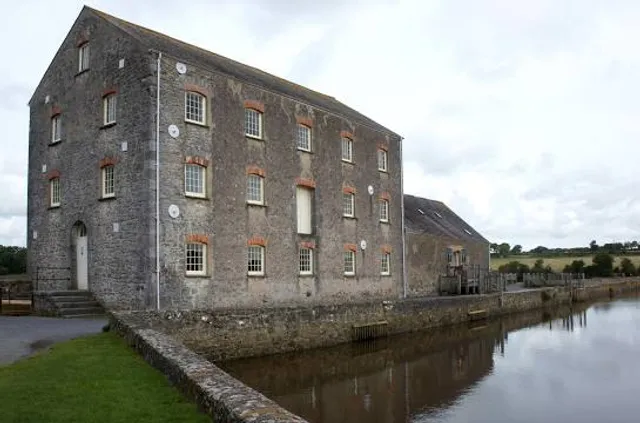
This is a spectacular and romantic Castle Ruin coupled with a lovely Tidal Mill and the fact that both are situated next to a riverside location make it all the more special and memorable. There is a cost to enter both places which is £8 for Adults which is more than reasonable and both sites are excellent. The Castle itself is a marvellous and a magnificent ruin with the Elizabethan Wing of the Castle the particular stand out feature and blends in well with the rest of the Castle. There are some other interesting features such as The Undercroft where is a nice brief history about the Castle, which is very insightful and interesting and you can see Kitchen with a brilliant complete fireplace and table giving a great idea of how food was prepared, cooked & served in the Medieval Period, Another great feature is the the Chapel where you can see a great stained glass window and other furniture giving you a great idea how religious services were conducted in the Medieval period. Other areas of interest in the Castle is the South West Tower where you can learn about the resident bat colony and the North West Tower which you can partly climb and enjoy wonderful views of the Tidal Mill, The river and the surrounding area. One great aspect of the Tour Castle is the Audio Tour Guide which is very informative and interesting detailing the history of the Castle and the people that lived there and to access the Audio guide there are numbered points at the different features of the Castle where you can scan the QR Code and listen to it from there. The architecture of the Castle is also very breathtaking and as earlier there is a great blend between the early parts of the buildings and the later parts with the introduction of the Elizabethan Wing. The Tidal Mill is a short walk away from the Castle and makes for a pleasant stroll taking in more beautiful views of The Castle in its riverside location. The Tidal Mill is from the victorian period and the building is in great condition considering its age and inside the Tidal Mill you can visit three floors where you can see the tools and machinery used to making flour and how its was milled and on the upper floor there is a nice informative exhibition about the history of the mill and flour is milled and how the mill is powered by water and on each of the floors there is an audio to hear which is very informative about the use of the floor you are on, the machinery and how it assists in the process of milling the flour and all of which is very interesting with useful facts to learn about. All of the machinery in the mill is in brilliant condition and gives you a great idea of how they assist in the process of milling the flour. Once you have finished your visit you can further wonderful scenery of the riverside location and there is a lovely circular walk back towards the Castle where you can take in further picturesque views of the Castle in its great riverside location. The staff at both sites are very helpful, welcoming and friendly making the visit all the more enjoyable. There is a cafe at the site selling a variety of food and drink at reasonable prices and there is a shop at the Castle and The Tidal Mall with a decent selection of souvenirs at reasonable prices. Overall this an enjoyable, excellent and pleasant place to visit which makes for a fun, pleasurable and memorable day out. Definitely well worth a visit whilst in...

   Read more
avatar
5.0
18w

Beautiful little castle set in the beautiful county of Pembrokeshire, perhaps one of South Wales' best castles. Much cleaner than most Cadw sites, lots of history to learn, stunning views from the tops of towers and windows, some rather entertaining signs and exhibits, and plenty of replica rooms that really transport you back in time! The castle is set in quiet, blissful and remote surroundings, and the front of it is characterised by a stained glass window designed by a youth group. Very very dog friendly, during my visit I saw lots of four legged friends exploring the castle alongside their owners, including steep and compact areas. Optional audio tour available via QR code points. During the holidays, there are plenty of regular events on the keep kids entertained, the event staff are good at their jobs and the events do not cause much disruption at all for regular visitors. I even tried the archery myself, the staff member in charge of that was good at explaining how to use the bow and arrow safely. We paid for 5 arrows, but when they could see I was struggling, they gave me 3 extra arrows free of charge! The staff in general were very kind, friendly and conversational, always on hand and happy to help. Also on site is a nice little tearoom on the grounds, and a tidal mill nearby, which is a nice walk to get to if you fancy. Plenty of parking available on site. Definitely worth the visit if you're in...

   Read more
Page 1 of 7
Previous
Next

Posts

Me 1974Me 1974
Carew Castle (Welsh: Castell Caeriw) is a castle in the civil parish of Carew in Pembrokeshire, Wales. The famous Carew family, who take their name from this site, still own the castle and lease it to the Pembrokeshire Coast National Park for administration. The present castle, which replaced an earlier stone keep, is constructed almost entirely from the local Carboniferous limestone, except for some of the Tudor architectural features such as window frames, which are made from imported Cotswold stone. Although originally a Norman stronghold the castle maintains a mixture of architectural styles as modifications were made to the structure over successive centuries. Entry to the inner ward is across a dry moat that had a barbican and gatehouse. The front of the castle had three D-shaped towers and crenelated walls. The rear of the castle has two large round towers. In the 16th century the northern defensive wall was converted into a Tudor range with ornate windows and long gallery. The outer ward has earthworks that were built by Royalist defenders during the English Civil War in the 1640s. The castle stands on a limestone bluff overlooking the Carew inlet, part of the tidal estuary that makes up the Milford Haven Waterway. The site must have been recognised as strategically useful from the earliest times, and recent excavations in the outer ward have discovered multiple defensive walls of an Iron Age fort. The Norman castle has its origins in a stone keep built by Gerald de Windsor around the year 1100. Gerald was made castellan of Pembroke Castle by Arnulf of Montgomery in the first Norman invasion of Pembrokeshire. He married Nest, princess of Deheubarth around 1095. Nest brought the manor of Carew as part of her dowry, and Gerald cleared the existing fort to build his own castle on Norman lines. The original outer walls were timber, and only the keep was of stone. This still exists in the later structure as the "Old Tower". The de Carews fell on hard times in the post-Black Death period and mortgaged the castle. It fell into the hands of Rhys ap Thomas, who made his fortune by strategically changing sides and backing Henry Tudor just before the battle of Bosworth. Rewarded with lands and a knighthood, he extended the castle with luxurious apartments with many Tudor features in the late 15th century. An inner doorway is decorated with three coats of arms: those of Henry VII, his son Arthur and Arthur's wife Catherine of Aragon. This allegiance turned sour. Rhys' grandson Rhys ap Gruffudd fell out of favour and was executed by Henry VIII for treason in 1531. The castle thus reverted to the crown and was leased to various tenants. In 1558 it was acquired by Sir John Perrot, a Lord Deputy of Ireland, who completed the final substantial modifications of the castle. The Elizabethan plutocrat reconstructed the north walls to build a long range of domestic rooms. Perrot subsequently fell out of favour and died imprisoned in the Tower of London in 1592. The castle reverted to the crown and was finally re-purchased by the de Carew family in 1607. In the Civil War, the castle was refortified by Royalists although south Pembrokeshire was strongly Parliamentarian. After changing hands three times, the south wall was pulled down to render the castle indefensible to Royalists. At the Restoration the castle was returned to the de Carews, who continued to occupy the eastern wing until 1686. The castle was then abandoned and allowed to decay. Much of the structure was looted for building stone and for lime burning. Since 1984 Cadw has funded a substantial amount of restoration performed by the Pembrokeshire National Park Authority.
Natalie EvansNatalie Evans
We loved our time at Carew castle. It is so beautiful, as is the surroundings. We went on a Thursday, so a few people around but didn't seem crowded. We bought the treasure trail (£2) which is all through your phone via QR code and would definitely recommend it. Gets the kids involved, and we found we were looking for more details and great conversation starters with the kids about the history. We also purchased a go of archery (5 arrows for £4 pp, could do 3 arrows for £3 or 10arrows for £6 i believe) the staff instructing were great, very friendly and talked the kids through step by step, also looked great in costume. When walking around, there are QR codes you can scan for an audio tour, which was brilliant, it gave that bit more to what we were looking and imagining what it was like all thoes years ago. Cafe onsite it nice although a bit pricey, can take your own food and drink. Staff are friendly and helpful. Gift shop before you enter/leave. Free parking near by. Nice places to sit for a picnic around the castle. I think this castle has sparked an interest for all of us as a family in castles and their history. Would definitely recommend.
Talon KonkelTalon Konkel
My girlfriend and I visited Carew Castle as part of our short stay in Wales. There is plenty of parking near the castle and is quite easy to get to. Tickets were between 5 and 6 pounds per adult, and can be bought from the shop near the castle, which also has a tea house/cafe and gift shop within it. The tickets include a pamphlet/guide you can follow as you walk in and around the castle. The castle itself looks great from a distance but is quite impressive from the inside, and you can visit over a dozen separate rooms or areas in the castle, and windy stairs in one section will take you up multiple levels, which offer great views of the surrounding area. One of the main rooms had a wood fire going in a fireplace, which added a lovely touch to our stroll through the castle. We visited when the weather had been very cold, so the tidal area was iced over, which added to the already fantastic views. The castle took between 30 and 45 minutes to visit each room or area, and it took maybe another 20 minutes to walk the loop to tidal mill, across the river, then around the tidal pond. Definitely loved this place!
See more posts
See more posts
hotel
Find your stay

Pet-friendly Hotels in Carew

Find a cozy hotel nearby and make it a full experience.

Carew Castle (Welsh: Castell Caeriw) is a castle in the civil parish of Carew in Pembrokeshire, Wales. The famous Carew family, who take their name from this site, still own the castle and lease it to the Pembrokeshire Coast National Park for administration. The present castle, which replaced an earlier stone keep, is constructed almost entirely from the local Carboniferous limestone, except for some of the Tudor architectural features such as window frames, which are made from imported Cotswold stone. Although originally a Norman stronghold the castle maintains a mixture of architectural styles as modifications were made to the structure over successive centuries. Entry to the inner ward is across a dry moat that had a barbican and gatehouse. The front of the castle had three D-shaped towers and crenelated walls. The rear of the castle has two large round towers. In the 16th century the northern defensive wall was converted into a Tudor range with ornate windows and long gallery. The outer ward has earthworks that were built by Royalist defenders during the English Civil War in the 1640s. The castle stands on a limestone bluff overlooking the Carew inlet, part of the tidal estuary that makes up the Milford Haven Waterway. The site must have been recognised as strategically useful from the earliest times, and recent excavations in the outer ward have discovered multiple defensive walls of an Iron Age fort. The Norman castle has its origins in a stone keep built by Gerald de Windsor around the year 1100. Gerald was made castellan of Pembroke Castle by Arnulf of Montgomery in the first Norman invasion of Pembrokeshire. He married Nest, princess of Deheubarth around 1095. Nest brought the manor of Carew as part of her dowry, and Gerald cleared the existing fort to build his own castle on Norman lines. The original outer walls were timber, and only the keep was of stone. This still exists in the later structure as the "Old Tower". The de Carews fell on hard times in the post-Black Death period and mortgaged the castle. It fell into the hands of Rhys ap Thomas, who made his fortune by strategically changing sides and backing Henry Tudor just before the battle of Bosworth. Rewarded with lands and a knighthood, he extended the castle with luxurious apartments with many Tudor features in the late 15th century. An inner doorway is decorated with three coats of arms: those of Henry VII, his son Arthur and Arthur's wife Catherine of Aragon. This allegiance turned sour. Rhys' grandson Rhys ap Gruffudd fell out of favour and was executed by Henry VIII for treason in 1531. The castle thus reverted to the crown and was leased to various tenants. In 1558 it was acquired by Sir John Perrot, a Lord Deputy of Ireland, who completed the final substantial modifications of the castle. The Elizabethan plutocrat reconstructed the north walls to build a long range of domestic rooms. Perrot subsequently fell out of favour and died imprisoned in the Tower of London in 1592. The castle reverted to the crown and was finally re-purchased by the de Carew family in 1607. In the Civil War, the castle was refortified by Royalists although south Pembrokeshire was strongly Parliamentarian. After changing hands three times, the south wall was pulled down to render the castle indefensible to Royalists. At the Restoration the castle was returned to the de Carews, who continued to occupy the eastern wing until 1686. The castle was then abandoned and allowed to decay. Much of the structure was looted for building stone and for lime burning. Since 1984 Cadw has funded a substantial amount of restoration performed by the Pembrokeshire National Park Authority.
Me 1974

Me 1974

hotel
Find your stay

Affordable Hotels in Carew

Find a cozy hotel nearby and make it a full experience.

Get the Appoverlay
Get the AppOne tap to find yournext favorite spots!
We loved our time at Carew castle. It is so beautiful, as is the surroundings. We went on a Thursday, so a few people around but didn't seem crowded. We bought the treasure trail (£2) which is all through your phone via QR code and would definitely recommend it. Gets the kids involved, and we found we were looking for more details and great conversation starters with the kids about the history. We also purchased a go of archery (5 arrows for £4 pp, could do 3 arrows for £3 or 10arrows for £6 i believe) the staff instructing were great, very friendly and talked the kids through step by step, also looked great in costume. When walking around, there are QR codes you can scan for an audio tour, which was brilliant, it gave that bit more to what we were looking and imagining what it was like all thoes years ago. Cafe onsite it nice although a bit pricey, can take your own food and drink. Staff are friendly and helpful. Gift shop before you enter/leave. Free parking near by. Nice places to sit for a picnic around the castle. I think this castle has sparked an interest for all of us as a family in castles and their history. Would definitely recommend.
Natalie Evans

Natalie Evans

hotel
Find your stay

The Coolest Hotels You Haven't Heard Of (Yet)

Find a cozy hotel nearby and make it a full experience.

hotel
Find your stay

Trending Stays Worth the Hype in Carew

Find a cozy hotel nearby and make it a full experience.

My girlfriend and I visited Carew Castle as part of our short stay in Wales. There is plenty of parking near the castle and is quite easy to get to. Tickets were between 5 and 6 pounds per adult, and can be bought from the shop near the castle, which also has a tea house/cafe and gift shop within it. The tickets include a pamphlet/guide you can follow as you walk in and around the castle. The castle itself looks great from a distance but is quite impressive from the inside, and you can visit over a dozen separate rooms or areas in the castle, and windy stairs in one section will take you up multiple levels, which offer great views of the surrounding area. One of the main rooms had a wood fire going in a fireplace, which added a lovely touch to our stroll through the castle. We visited when the weather had been very cold, so the tidal area was iced over, which added to the already fantastic views. The castle took between 30 and 45 minutes to visit each room or area, and it took maybe another 20 minutes to walk the loop to tidal mill, across the river, then around the tidal pond. Definitely loved this place!
Talon Konkel

Talon Konkel

See more posts
See more posts