Went on a special 'Lego' day, with a 7yr old.
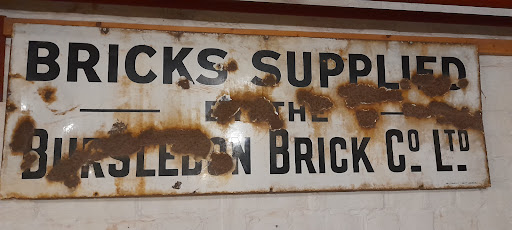
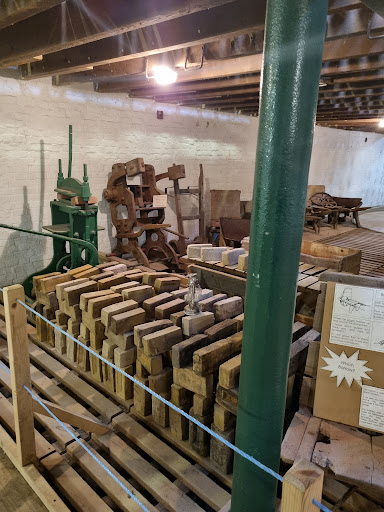
The brickwork itself has a wide range of historic displays, story boards, artifacts, and once-working equipment to view. Plenty of information boards around the site. There are also special 'steam' days when the steam boiler(s?) are working.
There are also dozens of old fairground and seaside pier slot machines (some I believe still working if you purchase some old one penny coins).
We spent 90 minutes touring the main site, in & out of different parts of the brick making processes. On the drying room upper floor there are several interactive tables and displays (including a permanent Lego table) and these were all popular with younger visitors.
When we finally reached the special Lego display room it turned out to be many tables of 'do not touch' models made from Lego and quite a lot of Lego kits or figurines to purchase. There was one small table set out for children to play with a small amount of Lego (it was not being used when we got there). Hundreds of tiny figurines (characters from films and cartoons) were lined up and for sale at £5 and upwards.
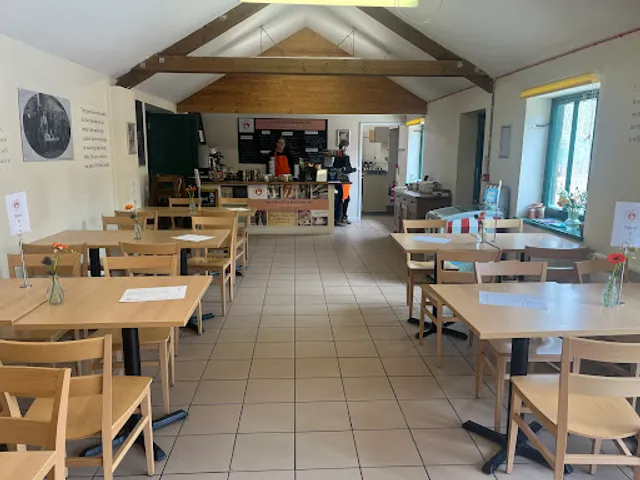
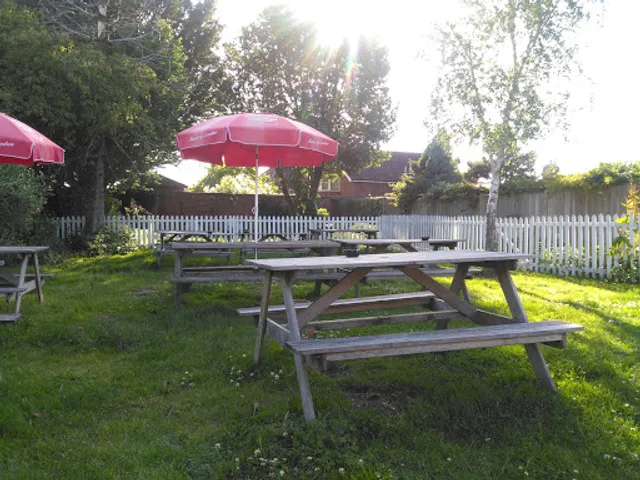
The cafe was very busy (around 1:30) with all tables full, as were the overflow seating & tables outside. There was a very long queue and wait, so we opted to go off to another cafe a short drive away (Warsash). The food we saw looked & smelt appetising, and prices were reasonable.
All in all, the industrial history was pretty interesting and there were enough display models and hands on items to interest my grandson. But the special Lego room was more of a grown-up nerdy Lego specialist event rather than what I expected - a big Lego play experience for children.
A lot of the brickworks structure and exhibits were, understandably given their ages, on the tired side of old. But they were well presented and there were volunteers around to provide more details if asked. There were also indications around the site of ongoing projects to repair work to improve the older items or areas.
A good 2+ hours visit, lots of information and things to see about brick making. The Lego room (put on I believe by an outside group) was a bit dull and only really seemed geared up to...
Read moreIts so much more than the history of bricks.The story starts when clay was formed,and will tell you how.The romans possibly started making bricks first but who knows? The museum explains how handmade bricks are made,and when the power of steam was discovered in this country,and why it led the industrial revolution how machines made the process so much more efficient.You will see the tools used,how the people lived throughout the life of the factory until it closed in the 1970's,and the reasons why it closed.The museum encompasses a lot more than how bricks were made.The steam engines work and this place shows how the modern manufacturing processes really improved and took us from hand made to machine made and the beginning of modern engineering and manufacturing.Im single but i could see the museum is child and wheelchair friendly.If you can time your visit when the steam engines are operating grab the chance.im of an age i recognise the smell of hot metal and steam power.well worth the visit.Take your time to read the information on the displays and you will walk away a little bit wiser,and appreciate how hard people had to work.Great effort brickwork museum and it's staff which i think are much more than that.To Burseldon Brickworks.thanks for replying to my review.I really enjoyed my visit.an easy 5* thanks.original visit...
Read moreThe Brickworks Museum, Bursledon – A Quiet Triumph of Industrial Memory
Tucked behind Swanwick Lane, The Brickworks Museum offers a rare and dignified glimpse into Victorian industrial life—without performance, without gloss. It honours the labour, engineering, and quiet ingenuity that shaped the region’s built environment, and does so with restraint and clarity.
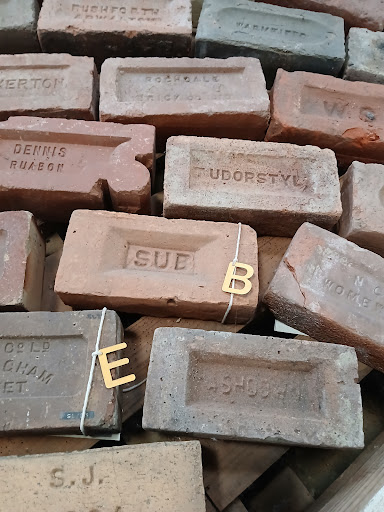
The museum’s strength lies in its authenticity. The preserved machinery, brick presses, and drying sheds speak for themselves. Interpretive panels avoid sentimentality, focusing instead on process, material, and the people who worked the kilns. The display of regional bricks is quietly astonishing—each stamped with its own history, each a fragment of forgotten trade.
Volunteers are present but unobtrusive, offering practical help and genuine knowledge. The café is modest, with good coffee and cake, and the site is clean, accessible, and well-maintained. Hands-on exhibits and play areas are available, but they don’t overwhelm the core narrative.
This is not a museum that demands attention—it earns it. For those interested in local history, industrial heritage, or the dignity of ordinary labour, it’s worth the visit. Recommended for all ages, especially those who prefer substance...
Read more