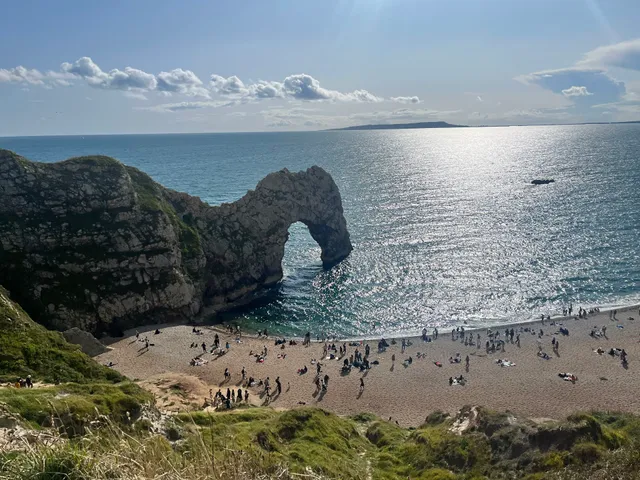
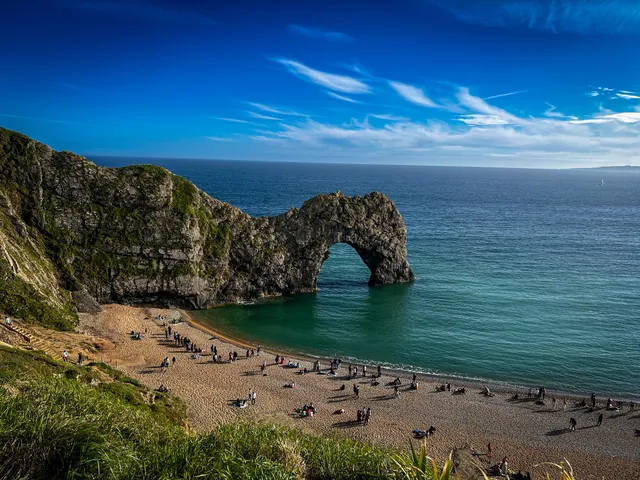
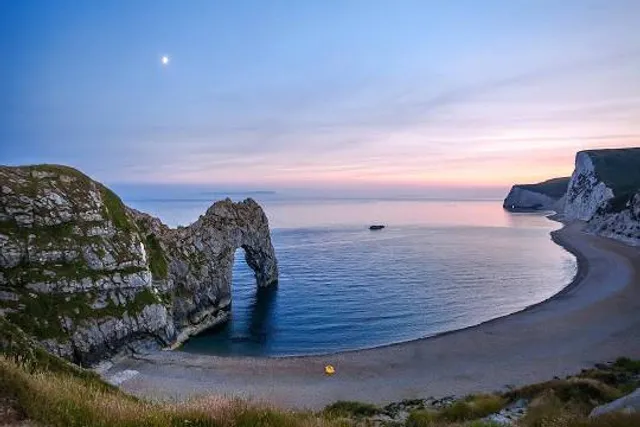
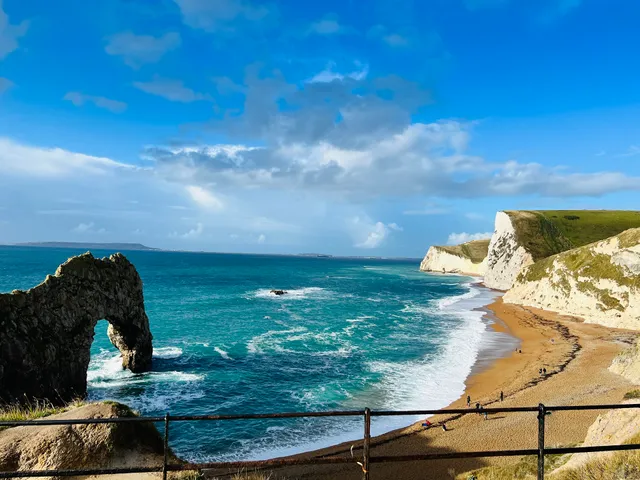
Alright, map enthusiasts and beach lovers, gather 'round for the scoop on Durdle Door – one of the crown jewels of England's Jurassic Coast!
Location: You'll find this natural wonder along the Dorset coastline, about 10 miles east of Weymouth. It's part of the Lulworth Estate and sits pretty on the Jurassic Coast World Heritage Site.
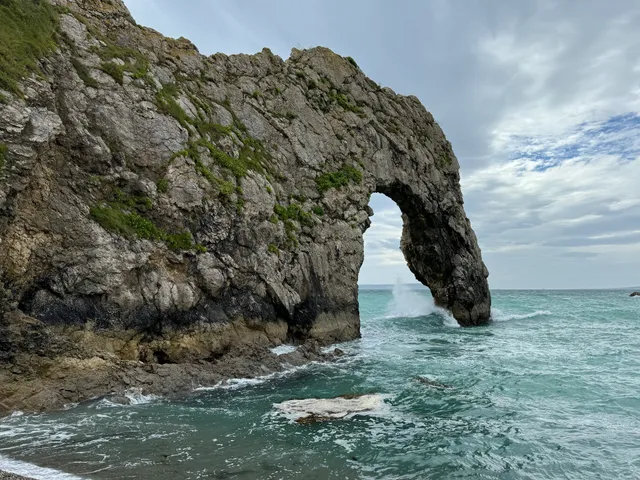
The Basics: That iconic limestone arch? It's been shaped by the relentless waves over millions of years. Talk about patience! The beach is a mix of pebbles and sand, perfect for lounging or a bit of rock pooling. Swimming is allowed, but there's no lifeguard on duty, so stay safe, folks!
Getting There: Park up at Lulworth Cove car park and take the scenic 20-minute walk over the cliff. Trust me, the views are worth every step!
Now, here's that juicy tidbit I promised earlier: During spring low tides (usually March or April), keep your eyes peeled for the remains of the 'Giorgis,' a Venetian ship that ran aground in 1917. It's like a little treasure hunt right under the famous arch!
But wait, there's more! Here are some lesser-known facts to impress your travel buddies:
The name "Durdle" comes from the Old English 'thirl,' meaning to pierce or drill. Fitting, right?
Geologist's Paradise: The rocks here span three geological periods – Triassic, Jurassic, and Cretaceous. It's like a time machine in stone!
Movie Star: Durdle Door has made cameos in music videos (Cliff Richard's "Saviour's Day") and films (Nanny McPhee, Wilde).
Stargazing Hotspot: On clear nights, this spot offers some of the darkest skies in England. Perfect for catching the Milky Way!
Wildlife Watch: Keep an eye out for guillemots and razorbills nesting on the cliffs in spring and early summer.
Pro Tips: Visit early morning or late afternoon to dodge the crowds and catch the best light for photos. Pack water shoes – those pebbles can be tough on bare feet! Bring a picnic. There are no facilities on the beach, but that just adds to the unspoiled charm.
Remember, while it's tempting to get the perfect shot of that shipwreck or climb the arch, safety first! The tides can change quickly, and the cliffs are unstable. Admire from a safe distance and leave only footprints.
So there you have it, folks – Durdle Door in all its glory, with a sprinkle of hidden history. Whether you're a geology buff, a history nerd, or just in need of some serious beach therapy, this spot's got you covered. Happy exploring, and don't forget to share your Durdle Door adventures on the map!
#DurdleDoorMagic #JurassicCoastGems...
Read moreDurdle Door is a natural limestone arch on the Jurassic Coast in Dorset, England, and is one of the most photographed landmarks in the UK. My visit to Durdle Door was truly memorable, offering a mix of breathtaking natural beauty and a sense of geological wonder.
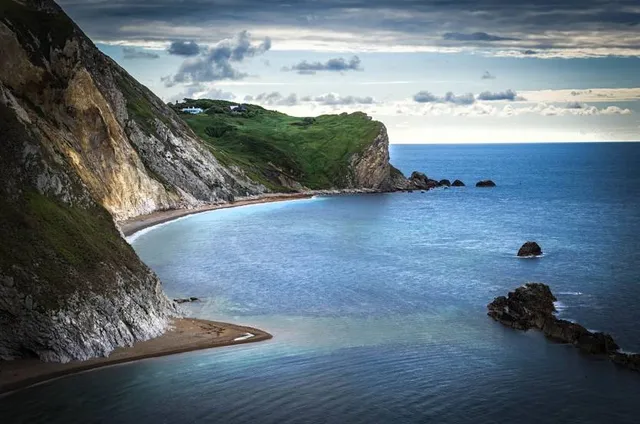
Scenic Beauty The scenery at Durdle Door is stunning. The arch itself is an impressive sight, framed against the backdrop of the azure sea. The coastline is rugged and dramatic, with cliffs that provide panoramic views of the surrounding landscape. The clear waters and the natural rock formations make it a perfect spot for photography and simply enjoying the marvels of nature.
Accessibility Accessing Durdle Door involves a bit of a hike, which can be challenging but is certainly worth the effort. The path down to the beach is steep and can be slippery, so good walking shoes are recommended. However, the walk offers its own rewards, with views that grow more spectacular as you approach the shore.
Activities Visitors can enjoy a variety of activities at Durdle Door. Swimming and snorkeling in the sheltered waters are popular during the warmer months. The beach is a mix of sand and pebbles, providing a great place to relax and take in the surroundings. Hiking along the coastal paths is also a fantastic way to explore the area, with several trails offering different perspectives of the arch and the coastline.
Historical and Geological Significance Durdle Door is part of the Jurassic Coast, a UNESCO World Heritage Site, and it holds significant geological importance. The area provides insight into 185 million years of Earth's history, making it a fascinating destination for geology enthusiasts. Information boards along the trails offer educational tidbits about the area's formation and its historical context.
Amenities While Durdle Door is somewhat remote, basic amenities are available. There are car parks at the top of the cliffs, though they can fill up quickly during peak times. Nearby Lulworth Cove offers additional facilities, including cafes, restaurants, and shops where visitors can refresh and refuel after their visit.
Overall Experience Overall, Durdle Door is a must-visit for anyone traveling to the south coast of England. Its natural beauty, combined with its geological and historical significance, makes it a unique and enriching destination. Whether you're there to hike, swim, or simply take in the views, Durdle Door promises an experience that is both awe-inspiring and...
Read moreWhat a place, mate! The beauty honestly speaks for itself.
From London Waterloo, you can take a direct train to Weymouth. Make sure to book in advance with a Railcard (well worth it if you travel more than once a year). As soon as you step off the train, the beach is literally right next to the station – and it looks like something straight out of a film set. Absolutely stunning.
From Weymouth seafront, you can catch a bus to Durdle Door. Services run fairly often, though it can get quite busy at peak times. The ride takes around 35 minutes, winding along the coast and through little towns – a really scenic journey that I’d highly recommend.
Once you get off at the Durdle Door stop, it’s about a 25-minute walk down to the site itself. Cross the road and you’ll spot a steel stairway next to some farmland. Keep going, and after a short but steep walk you’ll reach the car park area, where you’ll find toilets and bins. There are shops around too, but they’re a bit pricey – so better to stock up on snacks and drinks in Weymouth before heading out.
The walk down to the beach is steep, with loose soil and stones, so take care on the way. Midway down, you can choose whether to head towards Lulworth Cove or Durdle Door – both are gorgeous and quite manageable if you’re fairly active.
At the bottom, there aren’t any facilities, but you can enjoy a swim or a relaxing sunbathe on the beach. The water isn’t too deep, but don’t go more than 5 metres out. In July, the weather is usually fantastic, which makes it even better.
One important note: please don’t leave litter. Keep it in your bag and take it back up to the top where the bins are. Let’s help keep the place as beautiful as it is.
Travel Tip: SWR (South Western Railway) generally runs a bit more reliably – around 65–68% of trains on time with about 2–3% cancellations. GWR (Great Western Railway) is a touch less reliable, with about 60–64% on time and 3–5% cancellations. If you’re using GWR, it’s worth double-checking for delays or cancellations before you travel.
Buses for the return journey do run, but not constantly, so it’s worth checking the times in advance.
All in all – a fantastic day out, with amazing views, a bit of adventure, and plenty of beauty along the way. Enjoy...
Read more