Back Tor: A Geological and Cultural Landmark of the Peak District
Introduction
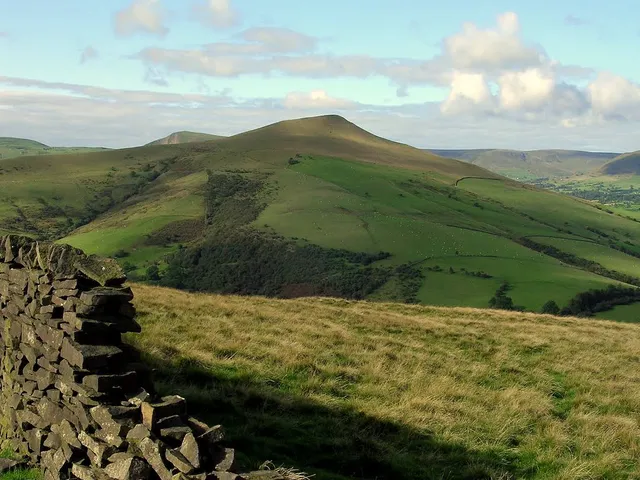
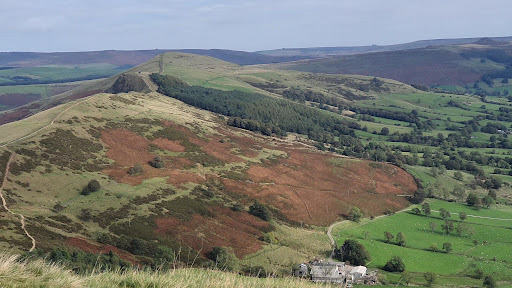
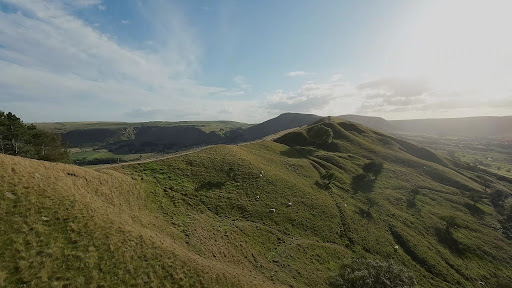
Back Tor is one of the prominent gritstone outcrops on the Great Ridge, which connects Lose Hill to Mam Tor in the Peak District National Park. Standing at 538 metres above sea level, it provides sweeping views over the Hope Valley and Edale, making it a popular destination for walkers and geographers alike. While often overshadowed by the more famous Mam Tor, Back Tor has its own geological, ecological, and cultural significance that illustrates the interaction between natural processes and human use of upland landscapes.
Geological Characteristics
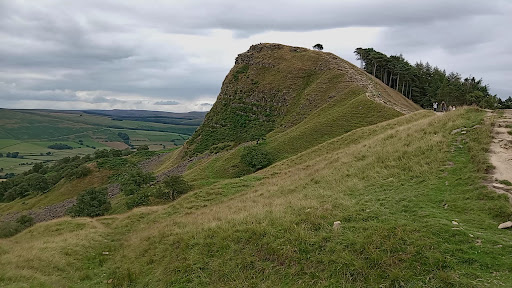
Back Tor is formed of millstone grit, a coarse sandstone that originated during the Carboniferous period approximately 320 million years ago. This rock was deposited in river deltas and shallow seas, later compacted into the tough gritstone we see today. Unlike Mam Tor, which is characterised by unstable shale layers, Back Tor is more resistant to erosion, leading to its rugged outcrop and craggy summit.
The tor itself is an example of differential erosion. Softer surrounding rocks have weathered away more quickly, leaving the harder gritstone exposed as a prominent feature on the ridge. This geology contributes not only to the striking appearance of Back Tor but also to the ecosystems that thrive in the thin, acidic soils derived from gritstone weathering.
Ecological and Environmental Importance
The upland habitats around Back Tor support moorland vegetation such as heather, bilberry, and coarse grasses, which are adapted to nutrient-poor soils. These areas provide breeding grounds for bird species including grouse, skylarks, and curlews. The ridge is also an important corridor for walkers and wildlife, connecting habitats across the Dark Peak landscape.
However, heavy foot traffic has caused erosion on the steep approaches to Back Tor, particularly on the narrow paths leading to its summit. Conservation organisations such as the National Trust and Moors for the Future Partnership have worked to stabilise paths, replant heather, and manage grazing pressure to preserve the fragile upland environment.
Historical and Cultural Significance
While Back Tor itself does not host the archaeological remains found at nearby Mam Tor, its strategic position on the ridge has long made it an important vantage point. The ridge path linking Lose Hill, Back Tor, and Mam Tor has been used for centuries as a natural routeway across the landscape. Local folklore also attaches meaning to the Great Ridge, with stories linking the hills to ancient boundaries and battles.
In modern culture, Back Tor has become a symbol of the Peak District’s wild and untamed character. Its rugged outcrop features in photography, walking guides, and literature that celebrates the Peak District as one of Britain’s most accessible yet dramatic upland areas.
Recreation and Tourism
Back Tor is a popular waypoint on the Great Ridge walk, one of the best-known routes in the Peak District. Walkers are drawn to its challenging ascent and panoramic views across Edale and the Hope Valley. Its proximity to Castleton and Edale makes it accessible for both day visitors and long-distance hikers, especially those on the Pennine Way.
Tourism brings economic benefits to the region but also environmental pressures. The steep slopes leading up to Back Tor are particularly vulnerable to erosion, and ongoing management is required to balance visitor access with landscape protection. The challenge of conserving Back Tor mirrors broader issues of sustainable tourism in...
Read more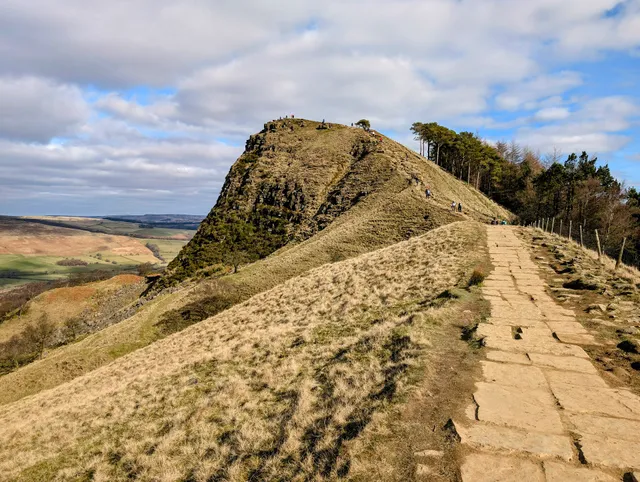
 Learn more insights from Wanderboat AI.