Mam Tor: The Shivering Mountain of the Peak District
Introduction
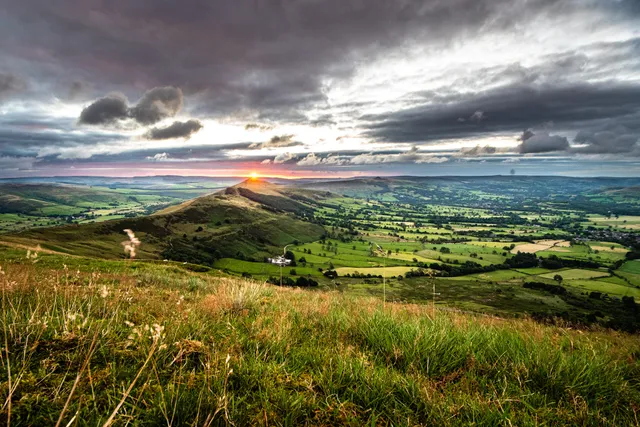
Mam Tor, often referred to as the “Shivering Mountain,” is one of the most iconic hills in the Peak District National Park, England. Rising to 517 metres, it dominates the landscape near Castleton and has long been a site of geological interest, human settlement, and natural beauty. This essay examines Mam Tor’s geological features, historical significance, and its modern role as a site of recreation and study, highlighting how it represents the interplay between natural processes and human activity.
Geological Significance
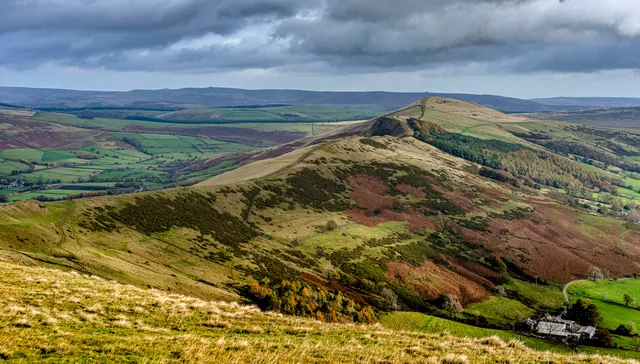
Mam Tor is particularly famous for its unstable slopes, which have given rise to its nickname, the “Shivering Mountain.” The hill is composed of alternating layers of shale and gritstone, formed during the Carboniferous period around 320 million years ago. The shale layers are prone to landslides, as they weaken easily when saturated with water. In contrast, the gritstone layers are more resistant, creating a striking stepped profile along the hillside.
One of the most dramatic geological events associated with Mam Tor was the series of massive landslides that occurred over the last 3,000 years. The most notable occurred in 1979, when the A625 road at the base of Mam Tor was finally abandoned after repeated damage from continual slope movement. Today, the scarred remains of the road provide a clear visual example of mass movement processes in action, making Mam Tor an important case study for students of physical geography.
Archaeological and Historical Context
Mam Tor is not only a geological landmark but also a site of significant archaeological value. At its summit lies the remains of a large Iron Age hillfort, believed to have been constructed around 1200 BC and later occupied by Celtic tribes. The fort’s earthworks, consisting of defensive ditches and ramparts, still encircle the summit plateau. Archaeological excavations have uncovered evidence of roundhouses and artifacts, indicating that Mam Tor was once a thriving settlement and a strategic defensive site.
In medieval times, the area surrounding Mam Tor was exploited for its mineral resources, particularly lead. The Peak District has a long history of lead mining, and evidence of old mine workings can still be found nearby. This highlights the way in which Mam Tor and its surrounding landscape have continually shaped, and been shaped by, human activity.
Tourism and Recreation
Today, Mam Tor is one of the most popular walking destinations in the Peak District. Its accessibility, combined with panoramic views over the Edale and Hope Valleys, attracts thousands of visitors each year. The Great Ridge, which runs from Mam Tor to Lose Hill, is widely regarded as one of the finest ridge walks in the country.
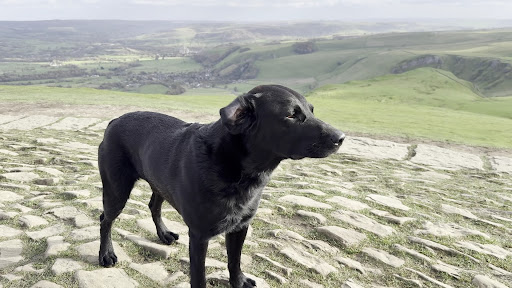
Tourism, however, presents challenges. High footfall contributes to erosion of footpaths and damage to the fragile upland environment. Conservation bodies such as the National Trust have introduced management strategies, including the use of stone paving and controlled access, to mitigate environmental impacts while ensuring public enjoyment of the landscape.
Symbolism and Cultural Significance
Beyond its physical and historical importance, Mam Tor holds symbolic value. Its striking landslides serve as a reminder of the power of natural processes and the impermanence of human structures. The abandoned A625 road has become a symbol of humanity’s struggle to control nature, illustrating how landscapes can resist human engineering. Mam Tor also features in local folklore and literature, further cementing its role in the cultural identity of the...
Read more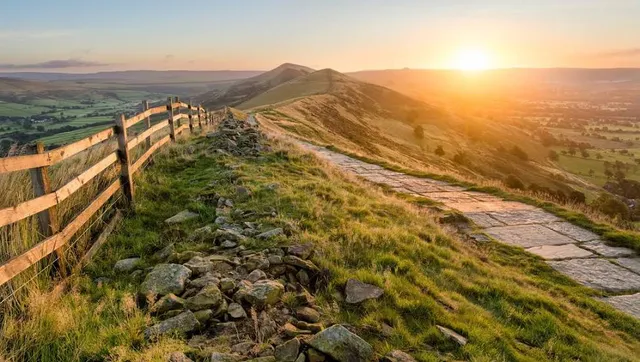
 Learn more insights from Wanderboat AI.