HTML SitemapExplore

Saint Dyfnog's Well — Attraction in Llanrhaeadr-yng-Nghinmeirch

Name
Saint Dyfnog's Well
Description
Nearby attractions
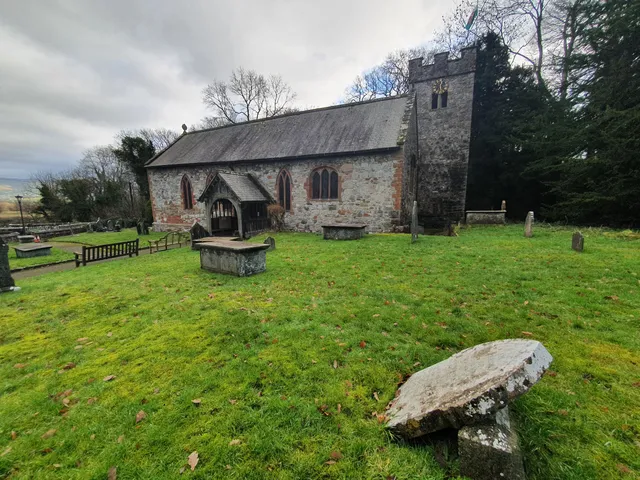
St Dyfnog Parish Church
Bryn Llan, Llanrhaeadr, Denbigh LL16 4NN, United Kingdom
Nearby restaurants
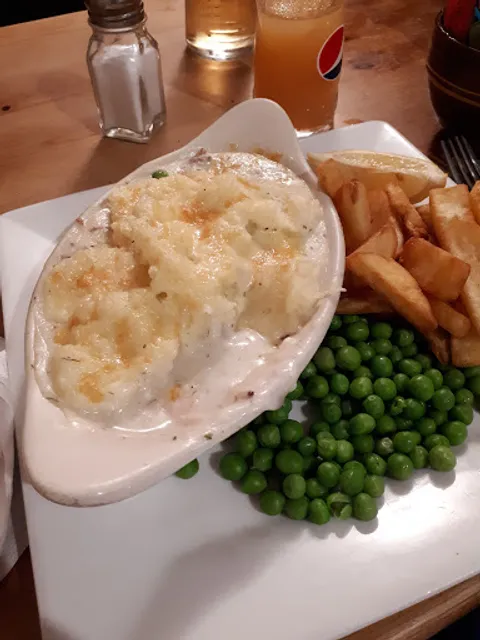
The Kings Head
A525, Llanrhaeadr, Denbigh LL16 4NL, United Kingdom
Nant Y Felin Restaurant
Nant y Felin Restaurant, Pentre Llanrhaeadr, Denbigh LL16 4NT, United Kingdom
Nearby local services
Nearby hotels
The Laundry Retreat
The Laundry, Llanrhaeadr, Denbigh LL16 4NL, United Kingdom
Related posts
Keywords
Saint Dyfnog's Well tourism.Saint Dyfnog's Well hotels.Saint Dyfnog's Well bed and breakfast. flights to Saint Dyfnog's Well.Saint Dyfnog's Well attractions.Saint Dyfnog's Well restaurants.Saint Dyfnog's Well local services.Saint Dyfnog's Well travel.Saint Dyfnog's Well travel guide.Saint Dyfnog's Well travel blog.Saint Dyfnog's Well pictures.Saint Dyfnog's Well photos.Saint Dyfnog's Well travel tips.Saint Dyfnog's Well maps.Saint Dyfnog's Well things to do.
Saint Dyfnog's Well things to do, attractions, restaurants, events info and trip planning
Saint Dyfnog's Well
United KingdomWalesLlanrhaeadr-yng-NghinmeirchSaint Dyfnog's Well

Basic Info

Saint Dyfnog's Well

5J5F+M2, Denbigh LL16 4NL, United Kingdom
4.8(58)
Open 24 hours
Save
spot

Ratings & Description

Info

Cultural
Outdoor
Off the beaten path
attractions: St Dyfnog Parish Church, restaurants: The Kings Head, Nant Y Felin Restaurant, local businesses:
logoLearn more insights from Wanderboat AI.
Website
stdyfnogswell.org.uk

Plan your stay

hotel
Pet-friendly Hotels in Llanrhaeadr-yng-Nghinmeirch
Find a cozy hotel nearby and make it a full experience.
hotel
Affordable Hotels in Llanrhaeadr-yng-Nghinmeirch
Find a cozy hotel nearby and make it a full experience.
hotel
The Coolest Hotels You Haven't Heard Of (Yet)
Find a cozy hotel nearby and make it a full experience.
hotel
Trending Stays Worth the Hype in Llanrhaeadr-yng-Nghinmeirch
Find a cozy hotel nearby and make it a full experience.

Reviews

Nearby attractions of Saint Dyfnog's Well

St Dyfnog Parish Church

St Dyfnog Parish Church

St Dyfnog Parish Church

4.9

(45)

Open 24 hours
Click for details

Nearby restaurants of Saint Dyfnog's Well

The Kings Head

Nant Y Felin Restaurant

The Kings Head

The Kings Head

4.1

(35)

Closed
Click for details
Nant Y Felin Restaurant

Nant Y Felin Restaurant

4.8

(150)

$$

Closed
Click for details
Get the Appoverlay
Get the AppOne tap to find yournext favorite spots!
Wanderboat LogoWanderboat

Your everyday Al companion for getaway ideas

CompanyAbout Us
InformationAI Trip PlannerSitemap
SocialXInstagramTiktokLinkedin
LegalTerms of ServicePrivacy Policy

Get the app

© 2025 Wanderboat. All rights reserved.

Reviews of Saint Dyfnog's Well

4.8
(58)
avatar
3.0
44w

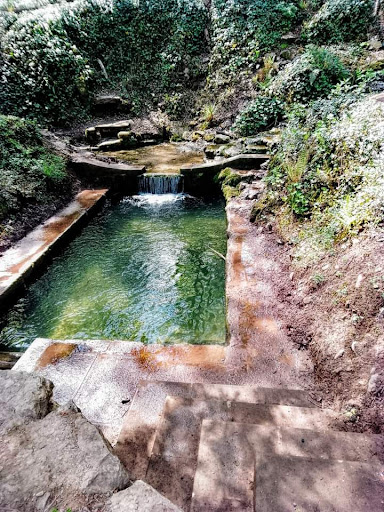
Thursday 20th March 2025 It was a really warm and sunny day 😎 Saint Dyfnog chose to settle in an isolated wooded area with a spring-fed stream. The stream had a waterfall; legend has it that because Saint Dyfnog would stand in the cold waters for extended periods doing penance, clad in a hairshirt with a chain belt of iron; this was the reasoning for its curative powers. Over time, the stream became known as Ffynnon Dyfnog or Dyfnog's well. As devotion to the saint increased, the waters became known for their healing powers. Many pilgrims came to bathe in the waters and pray, hoping to be cured of their ailments. The waters of the well were reputed to be especially effective for skin conditions, arthritis and rheumatism. Those seeking relief for their illnesses would leave a donation to be used for the upkeep of the well and the church. Saint Dyfnog's Well was one of the most visited holy wells; because of the offerings from the well, St. Dyfnog's was able to buy the elaborate 16th-century Tree of Jesse window. The site appears to have been at the height of its popularity from the 16th to the 18th century. The sunken stone bath dates from the 16th or 17th century. The bottom of the stone bath is said to have been lined with marble at one time. During this time, various structures were built around the well and bath to accommodate the many pilgrims. Browne Willis wrote in 1721 that there were rooms for changing into bathing clothing and other buildings; one was said to be a chapel that had images of the 12 Apostles in its lower half. Thomas Pennant said the fountain was "inclosed in an angular wall decorated with human figures, and before it is the well for the use of the pious bathers." In later times, the well and its surroundings fell into neglect. Richard Fenton's 1808 visit to the well found that the building which formerly enclosed the bath had fallen in and was ruined with the "bath choaked up." By 1880, little evidence of the former buildings on the site remained. Attempts were made to revitalise the site; some bridges were built over the stream, and small statues were again brought to the area surrounding the well. The well remains a popular place for pilgrims; some churches have visited the well to conduct baptisms using the water of the well. The site of the well was named a Grade II Listed Building in the National Historic Assets of Wales on 29 November 1999. I had a dip in the holy waters, which was incredibly cold 🥶. However, afterwards I felt about ten years younger and some people even said that I looked ten years younger 😳. I would recommend a visit to St. Dyfnog's well, but please be very careful if you have any type of heart condition as the water is...

   Read more

avatar
5.0
1y

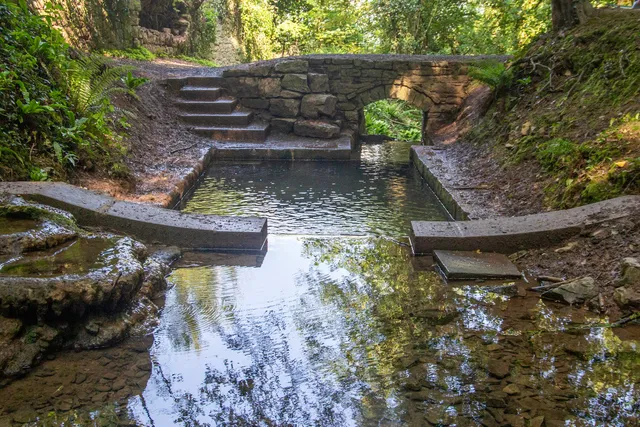
This really is an amazing hidden gem. The well is near the church on an unassuming footpath. Follow the stream. A lovely, fairly flat (wheelchair accessible) picturesque woodland walk. The well is said to have healing properties which pilgrims have visited for hundreds of years,the place does feel tranquil and holy. There are (quite steep) steps with no handrail leading into the water itself....so if you are taking a dip, it may be good to take someone with you to steady you. Wild swimmers were there when we were. They were a...

   Read more
avatar
4.0
26w

Lovely little spot. I parked right by the church but it wasn’t ideal - not sure where is better. Anyway, you can walk up from either the right or the left of the church (route is clearer on the left) and find the magical little forest dell with the well. Someone has been in before me so the water was stirred up, but there’s a checkerboard tiled floor down there. Had a little dip,...

   Read more
Page 1 of 7
Previous
Next

Posts

Robert xXxXRobert xXxX
Thursday 20th March 2025 It was a really warm and sunny day 😎 Saint Dyfnog chose to settle in an isolated wooded area with a spring-fed stream. The stream had a waterfall; legend has it that because Saint Dyfnog would stand in the cold waters for extended periods doing penance, clad in a hairshirt with a chain belt of iron; this was the reasoning for its curative powers. Over time, the stream became known as Ffynnon Dyfnog or Dyfnog's well. As devotion to the saint increased, the waters became known for their healing powers. Many pilgrims came to bathe in the waters and pray, hoping to be cured of their ailments. The waters of the well were reputed to be especially effective for skin conditions, arthritis and rheumatism. Those seeking relief for their illnesses would leave a donation to be used for the upkeep of the well and the church. Saint Dyfnog's Well was one of the most visited holy wells; because of the offerings from the well, St. Dyfnog's was able to buy the elaborate 16th-century Tree of Jesse window. The site appears to have been at the height of its popularity from the 16th to the 18th century. The sunken stone bath dates from the 16th or 17th century. The bottom of the stone bath is said to have been lined with marble at one time. During this time, various structures were built around the well and bath to accommodate the many pilgrims. Browne Willis wrote in 1721 that there were rooms for changing into bathing clothing and other buildings; one was said to be a chapel that had images of the 12 Apostles in its lower half. Thomas Pennant said the fountain was "inclosed in an angular wall decorated with human figures, and before it is the well for the use of the pious bathers." In later times, the well and its surroundings fell into neglect. Richard Fenton's 1808 visit to the well found that the building which formerly enclosed the bath had fallen in and was ruined with the "bath choaked up." By 1880, little evidence of the former buildings on the site remained. Attempts were made to revitalise the site; some bridges were built over the stream, and small statues were again brought to the area surrounding the well. The well remains a popular place for pilgrims; some churches have visited the well to conduct baptisms using the water of the well. The site of the well was named a Grade II Listed Building in the National Historic Assets of Wales on 29 November 1999. I had a dip in the holy waters, which was incredibly cold 🥶. However, afterwards I felt about ten years younger and some people even said that I looked ten years younger 😳. I would recommend a visit to St. Dyfnog's well, but please be very careful if you have any type of heart condition as the water is very cold 🥶.
Your browser does not support the video tag.
Carl NortonCarl Norton
Unbelievable very beautiful
Natalie EdwardsNatalie Edwards
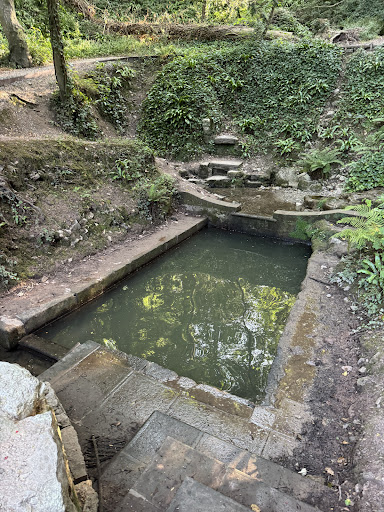
This really is an amazing hidden gem. The well is near the church on an unassuming footpath. Follow the stream. A lovely, fairly flat (wheelchair accessible) picturesque woodland walk. The well is said to have healing properties which pilgrims have visited for hundreds of years,the place does feel tranquil and holy. There are (quite steep) steps with no handrail leading into the water itself....so if you are taking a dip, it may be good to take someone with you to steady you. Wild swimmers were there when we were. They were a great bunch.
See more posts
See more posts
hotel
Find your stay

Pet-friendly Hotels in Llanrhaeadr-yng-Nghinmeirch

Find a cozy hotel nearby and make it a full experience.

Thursday 20th March 2025 It was a really warm and sunny day 😎 Saint Dyfnog chose to settle in an isolated wooded area with a spring-fed stream. The stream had a waterfall; legend has it that because Saint Dyfnog would stand in the cold waters for extended periods doing penance, clad in a hairshirt with a chain belt of iron; this was the reasoning for its curative powers. Over time, the stream became known as Ffynnon Dyfnog or Dyfnog's well. As devotion to the saint increased, the waters became known for their healing powers. Many pilgrims came to bathe in the waters and pray, hoping to be cured of their ailments. The waters of the well were reputed to be especially effective for skin conditions, arthritis and rheumatism. Those seeking relief for their illnesses would leave a donation to be used for the upkeep of the well and the church. Saint Dyfnog's Well was one of the most visited holy wells; because of the offerings from the well, St. Dyfnog's was able to buy the elaborate 16th-century Tree of Jesse window. The site appears to have been at the height of its popularity from the 16th to the 18th century. The sunken stone bath dates from the 16th or 17th century. The bottom of the stone bath is said to have been lined with marble at one time. During this time, various structures were built around the well and bath to accommodate the many pilgrims. Browne Willis wrote in 1721 that there were rooms for changing into bathing clothing and other buildings; one was said to be a chapel that had images of the 12 Apostles in its lower half. Thomas Pennant said the fountain was "inclosed in an angular wall decorated with human figures, and before it is the well for the use of the pious bathers." In later times, the well and its surroundings fell into neglect. Richard Fenton's 1808 visit to the well found that the building which formerly enclosed the bath had fallen in and was ruined with the "bath choaked up." By 1880, little evidence of the former buildings on the site remained. Attempts were made to revitalise the site; some bridges were built over the stream, and small statues were again brought to the area surrounding the well. The well remains a popular place for pilgrims; some churches have visited the well to conduct baptisms using the water of the well. The site of the well was named a Grade II Listed Building in the National Historic Assets of Wales on 29 November 1999. I had a dip in the holy waters, which was incredibly cold 🥶. However, afterwards I felt about ten years younger and some people even said that I looked ten years younger 😳. I would recommend a visit to St. Dyfnog's well, but please be very careful if you have any type of heart condition as the water is very cold 🥶.
Robert xXxX

Robert xXxX

hotel
Find your stay

Affordable Hotels in Llanrhaeadr-yng-Nghinmeirch

Find a cozy hotel nearby and make it a full experience.

Get the Appoverlay
Get the AppOne tap to find yournext favorite spots!
Unbelievable very beautiful
Carl Norton

Carl Norton

hotel
Find your stay

The Coolest Hotels You Haven't Heard Of (Yet)

Find a cozy hotel nearby and make it a full experience.

hotel
Find your stay

Trending Stays Worth the Hype in Llanrhaeadr-yng-Nghinmeirch

Find a cozy hotel nearby and make it a full experience.

This really is an amazing hidden gem. The well is near the church on an unassuming footpath. Follow the stream. A lovely, fairly flat (wheelchair accessible) picturesque woodland walk. The well is said to have healing properties which pilgrims have visited for hundreds of years,the place does feel tranquil and holy. There are (quite steep) steps with no handrail leading into the water itself....so if you are taking a dip, it may be good to take someone with you to steady you. Wild swimmers were there when we were. They were a great bunch.
Natalie Edwards

Natalie Edwards

See more posts
See more posts