Abney Park Cemetery Trust things to do, attractions, restaurants, events info and trip planning
Basic Info
Abney Park Cemetery Trust
Stoke Newington High St, London N16 0LH, United Kingdom
4.7(142)
Open until 4:30 PM
Save
spot
spot
Ratings & Description
Info
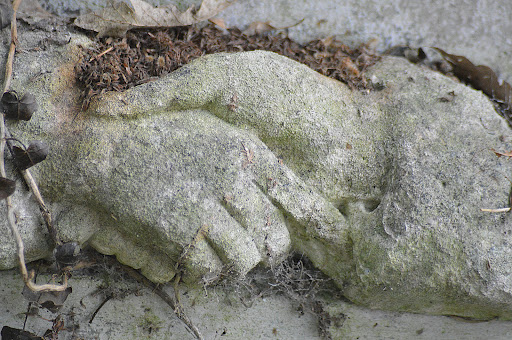
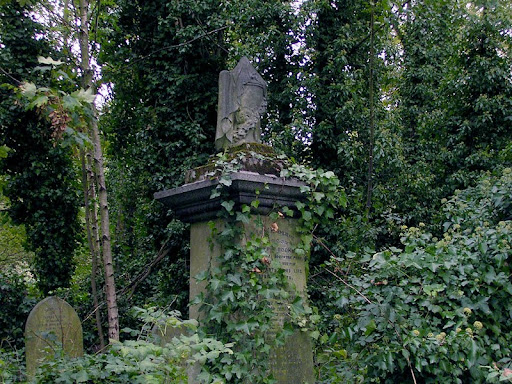
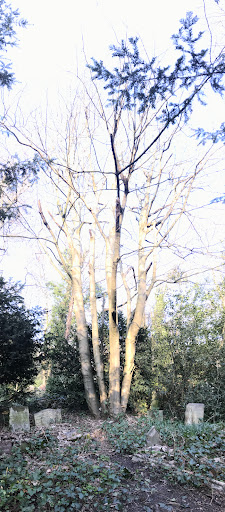
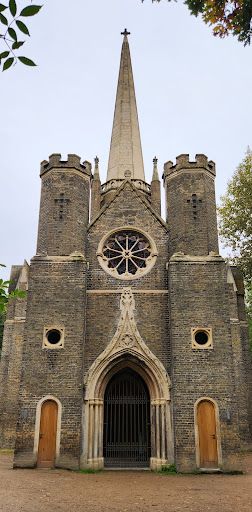
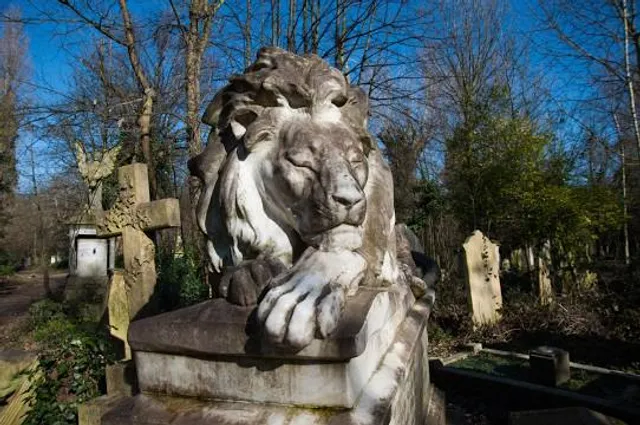
Abney Park cemetery is one of the "Magnificent Seven" cemeteries in London, England. Abney Park in Stoke Newington in the London Borough of Hackney is a historic parkland originally laid out in the early 18th century by Lady Mary Abney, Dr. Isaac Watts and the neighbouring Hartopp family.
Cultural
Scenic
Outdoor
attractions: Arun's Roof, London, Admiral Casino: Stoke Newington, Allen's Gardens, The Garden Gallery, The Old Church, Clissold House, The Chocolate Factory N16, restaurants: 215 Hackney | Cafe & Brunch, Sonora Taquería, Thai Restaurant YumYum, The Jolly Butchers, FINJ Juice Bar, Itto, Yellow Warbler, Three Crowns, Stoke Newington, Pizza Hut Stoke Newington, The Axe, local businesses: Flats & Houses, Metal Crumble Jewellery, Abney Funeral Services, Lucky mobile, Glyn Hopkin Nissan North London, The Discount Store, WisdomWise, Independent Kitchen Fitter & Refurbishment - Urban Refurb Co, The Cookery, Cut and Run Hair
 Learn more insights from Wanderboat AI.
Phone
+44 20 7275 7557
Website
abneypark.org
Open hoursSee all hours
Sun8 AM - 4:30 PMOpen
Plan your stay

Pet-friendly Hotels in London
Find a cozy hotel nearby and make it a full experience.

Affordable Hotels in London
Find a cozy hotel nearby and make it a full experience.

The Coolest Hotels You Haven't Heard Of (Yet)
Find a cozy hotel nearby and make it a full experience.

Trending Stays Worth the Hype in London
Find a cozy hotel nearby and make it a full experience.
Reviews
Live events

Explore the hidden pubs of London
Sun, Feb 22 • 2:00 PM
Greater London, EC2V 6AA, United Kingdom
View details
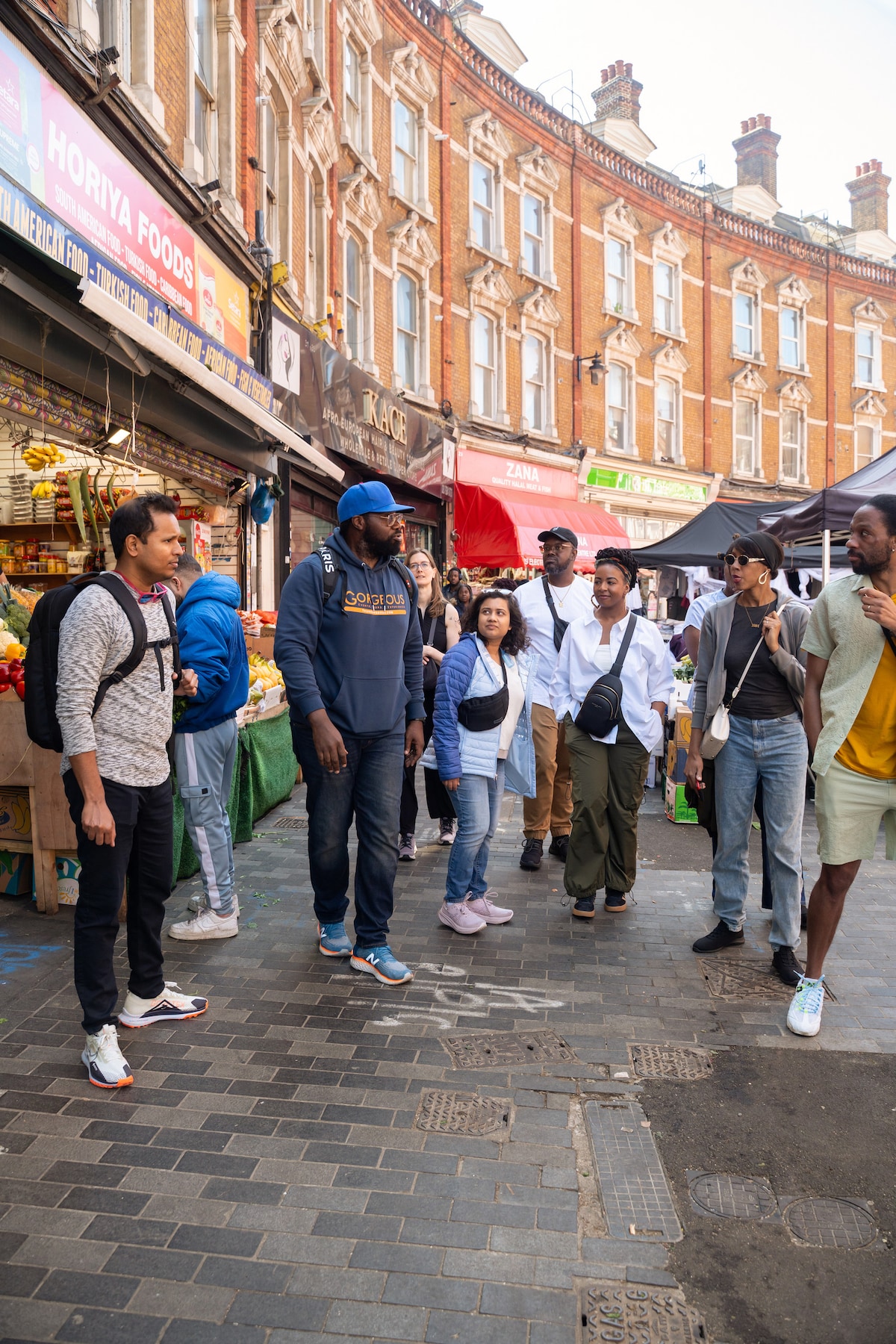
Obis African and Caribbean Food Tour in Brixton
Mon, Feb 23 • 12:00 PM
Greater London, SW9 8EA, United Kingdom
View details
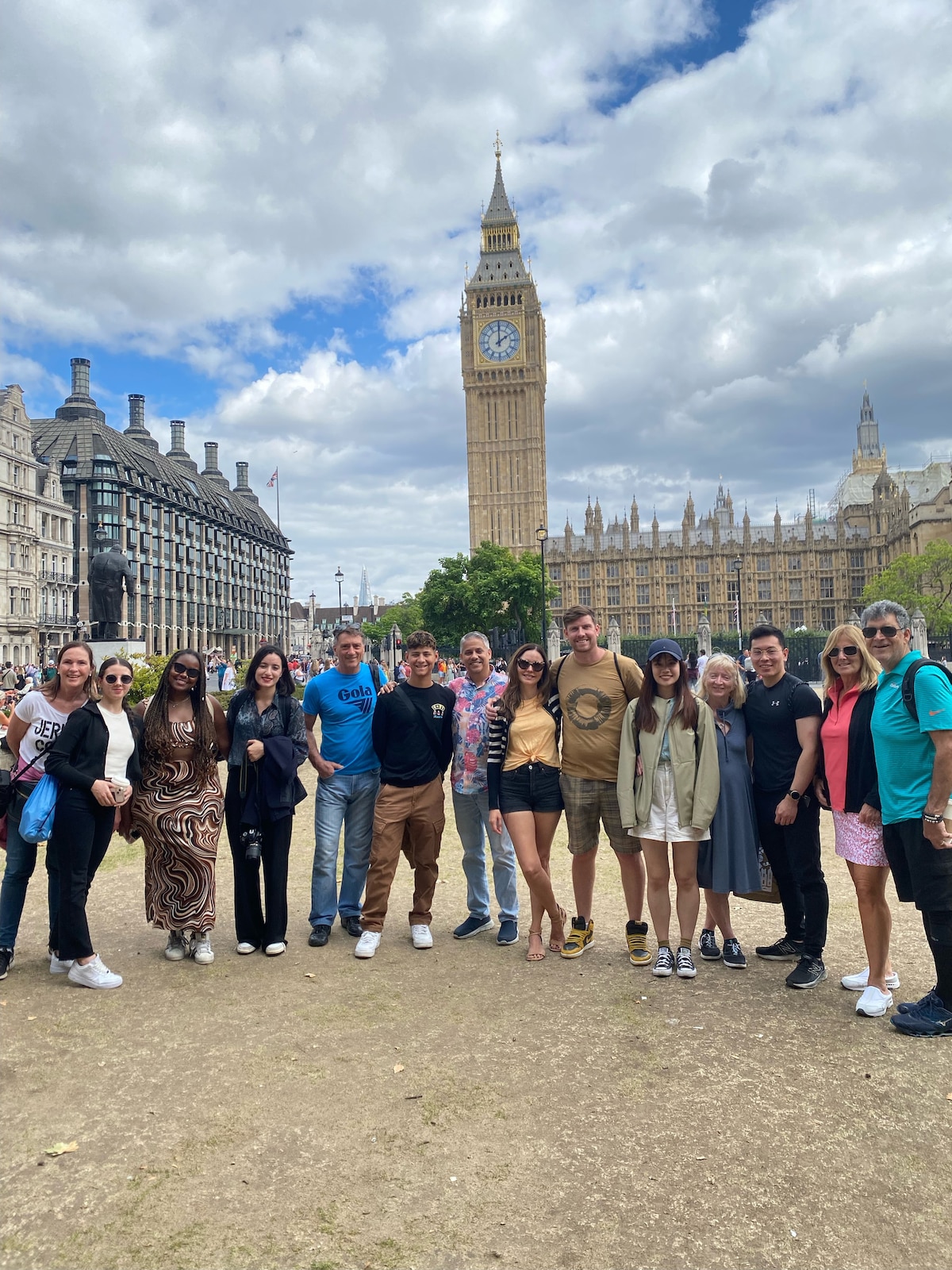
London sightseeing walking tour with 30 sights
Wed, Feb 25 • 10:00 AM
Greater London, SW1E 5EA, United Kingdom
View details
Nearby attractions of Abney Park Cemetery Trust
Arun's Roof, London
Admiral Casino: Stoke Newington
Allen's Gardens
The Garden Gallery
The Old Church
Clissold House
The Chocolate Factory N16

Arun's Roof, London
5.0
(65)
Open 24 hours
Click for details
Admiral Casino: Stoke Newington
3.9
(8)
Open until 12:00 AM
Click for details
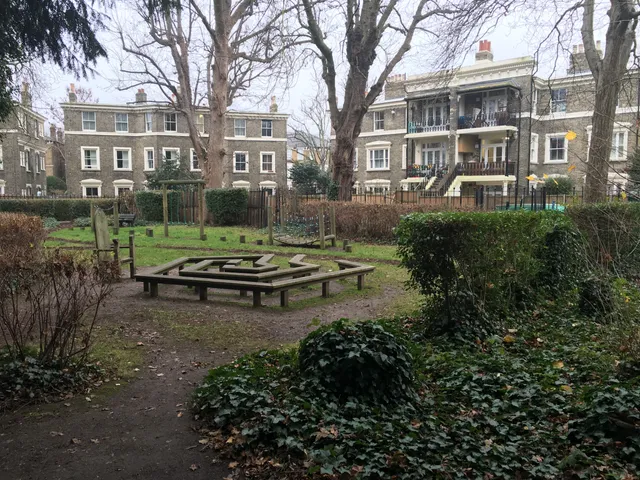
Allen's Gardens
4.2
(124)
Open until 4:30 PM
Click for details

The Garden Gallery
4.9
(9)
Open until 12:00 AM
Click for details
Nearby restaurants of Abney Park Cemetery Trust
215 Hackney | Cafe & Brunch
Sonora Taquería
Thai Restaurant YumYum
The Jolly Butchers
FINJ Juice Bar
Itto
Yellow Warbler
Three Crowns, Stoke Newington
Pizza Hut Stoke Newington
The Axe
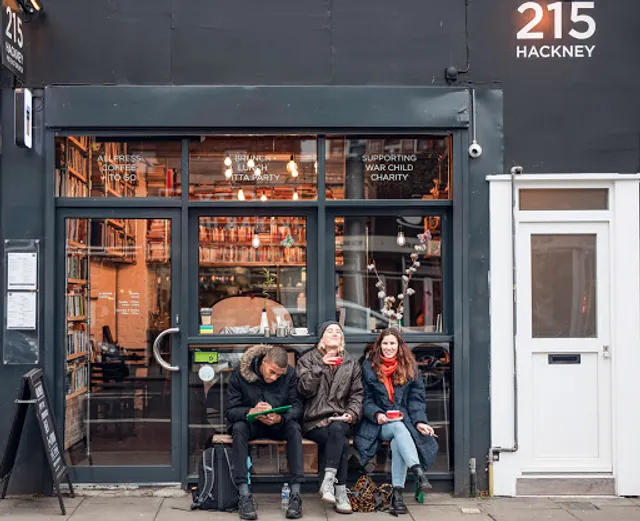
215 Hackney | Cafe & Brunch
4.9
(799)
Open until 5:00 PM
Click for details
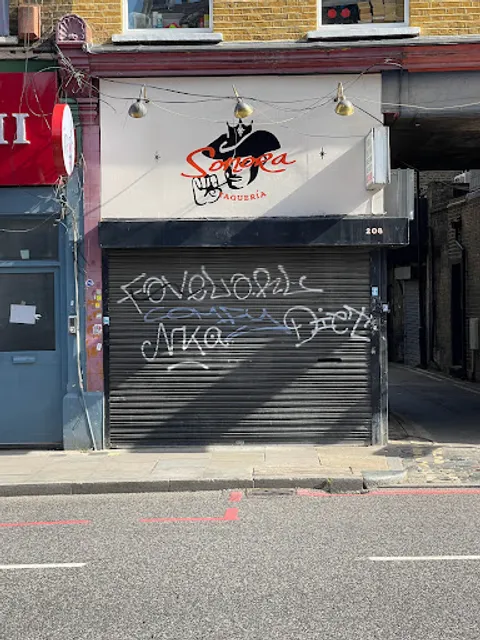
Sonora Taquería
4.8
(522)
Open until 5:00 PM
Click for details
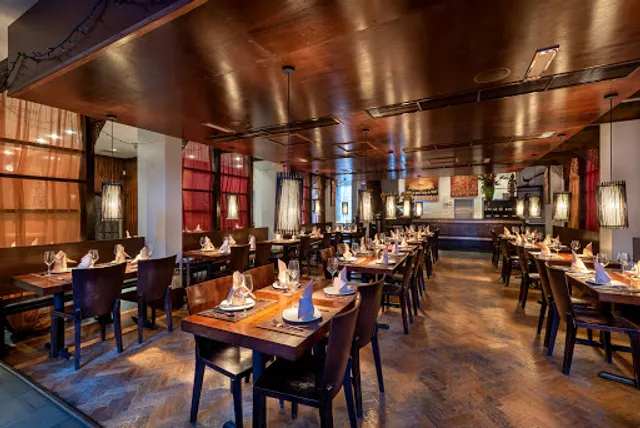
Thai Restaurant YumYum
4.2
(714)
$$
Open until 11:00 PM
Click for details
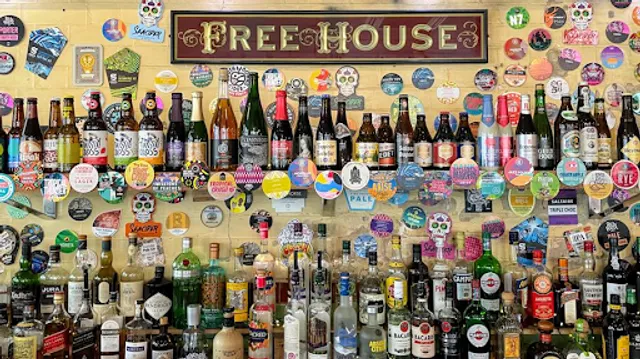
The Jolly Butchers
4.4
(531)
Open until 11:00 PM
Click for details
Nearby local services of Abney Park Cemetery Trust
Flats & Houses
Metal Crumble Jewellery
Abney Funeral Services
Lucky mobile
Glyn Hopkin Nissan North London
The Discount Store
WisdomWise
Independent Kitchen Fitter & Refurbishment - Urban Refurb Co
The Cookery
Cut and Run Hair
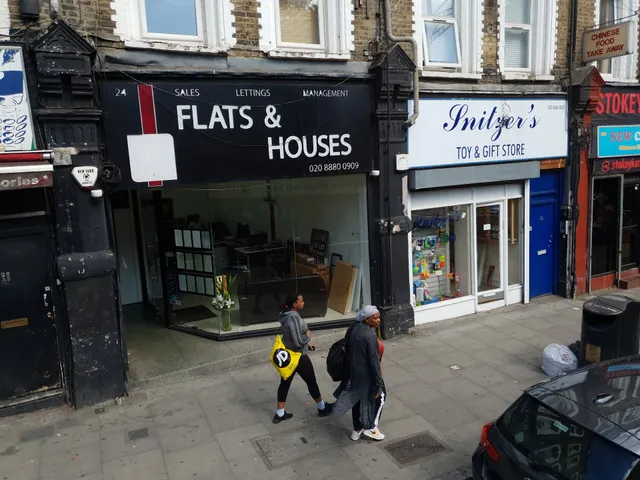
Flats & Houses
4.9
(170)
Click for details

Metal Crumble Jewellery
4.9
(150)
Click for details

Abney Funeral Services
4.9
(89)
Click for details

Lucky mobile
4.8
(102)
Click for details


The hit list


Plan your trip with Wanderboat
Welcome to Wanderboat AI, your AI search for local Eats and Fun, designed to help you explore your city and the world with ease.
Powered by Wanderboat AI trip planner.