This lonely spot is key to English history. Here's why.
After the Romans had quit our shores in the 5C, Angles, Saxons and Jutes invaded and settled the fertile, flat lands of Great Britain and, in due course, developed a new "Anglo-Saxon" culture whilst maintaining links with their homelands. The country was a patchwork of small kingdoms, some still remembered today in county and regional names: Essex (the East Saxons); Sussex (the South Saxons); Wessex (the West Saxons); Norfolk (the North Folk); and Mercia (today's Midlands, "Mercia" is still used eg by the Police). These became Christian lands while most of northern Europe remained pagan. In due course, England resolved itself into four kingdoms: Northumbria; East Anglia; Mercia; and Wessex.
In 870 the Danes invaded East Anglia then marched on Wessex. At the end of the year, they captured Reading. Despite an Anglo-Saxon victory at Ashdown, the Danes then won two further battles including one at Basing (near Baskngstoke, Hampshire).
A Saxon hero now takes the stage. Alfred was born in Wantage, Oxfordshire in 849, the youngest son of King Aethelwulf of Wessex. There are statues of him there in Wantage and also in Winchester. In the spring of 871, Alfred became king of Wessex. The Saxons and the Danes fought several battles during 871 but the Danes were unable to break Saxon resistance so they made a peace treaty and the Danes turned their attention to the other parts of England. In 873 they attacked part of Mercia. The Mercian king fled and was replaced by a man who was compliant with the Danes. Then it was Northumbria's turn to fall. Afterward, Wessex remained the only independent Saxon kingdom.
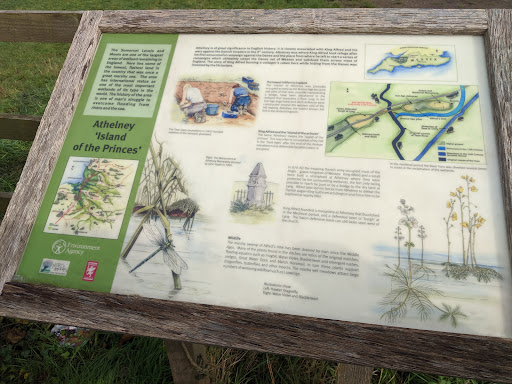
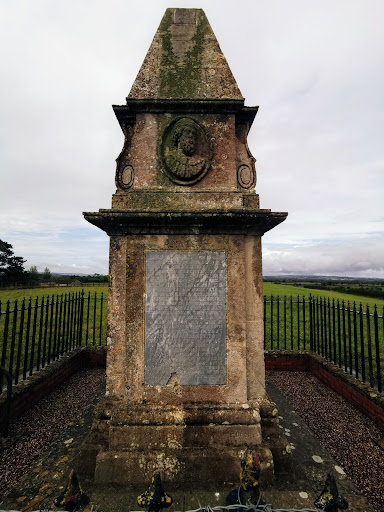
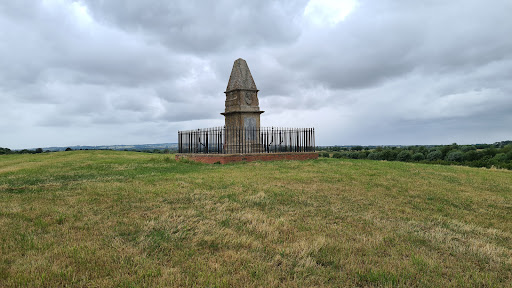
In 875, the Danes invaded Wessex again but failed once more. Then in 878 the Danes launched a surprise attack on Chippenham. King Alfred was forced to flee and hide in the marshes of Athelney where you now stand. From here he waged a guerrilla war for some months. At the nearby Church of St Bartholomew in Lyng church you'll see a big defensive ditch of Alfred's time.
Alfred then took on the Danes in battle, defeating them at the battle of Edington. Afterward, Guthrum, the Danish leader, and his men were baptized and made a treaty with Alfred under which southern and central England was split between them. Guthrum took London, East Anglia, and all territory east of Watling Street. Later this Danish kingdom became known as the Danelaw. Alfred took the land west of Watling Street and southern England.
But Alfred saw the treaty as a mere pause. In 886 he captured London. But battles with the Danes continued. In 892 Danes attacked Kent but were defeated. Similarly, in 893 another group of Danes sailed to Devon and laid siege to Exeter but withdrew in 894. A Danish landing near Chichester was also crushed. War with the Danes continued in 895-896.There then followed a few years of peace.
During his reign, Alfred reorganized the defense of his kingdom. He created a fleet to fight the Danes at sea, the first English navy and built forts across his kingdom. Alfred died in 899, aged only 50, and was succeeded by his son, Edward.
So, as the 10C dawned, most of England was Danish territory. Modern research has revealed that up to 35,000 Danes settled in England. They were gradually assimilated into the English nation. But the preservation of the Anglo-Saxon core culture was ensured by Alfred's resurgence from here...
Read more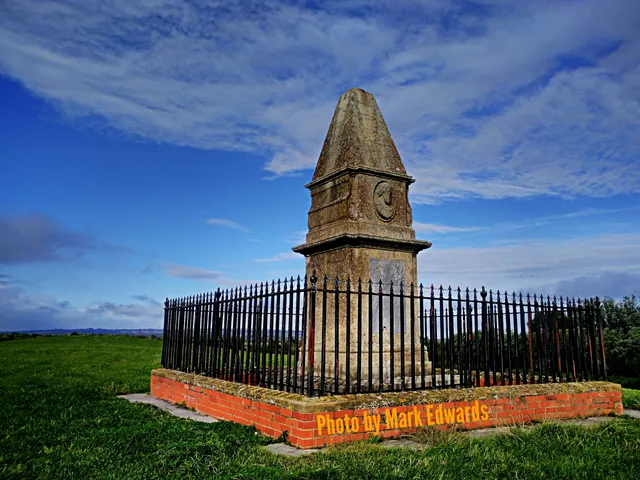
 Learn more insights from Wanderboat AI.