Men Scryfa things to do, attractions, restaurants, events info and trip planning
Basic Info
Men Scryfa
Madron, Penzance TR20 8NX, United Kingdom
4.6(21)
Open 24 hours
Save
spot
spot
Ratings & Description
Info
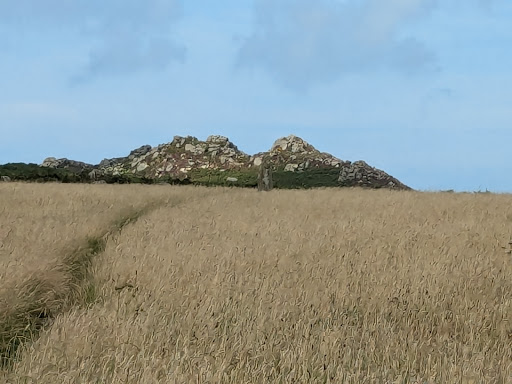
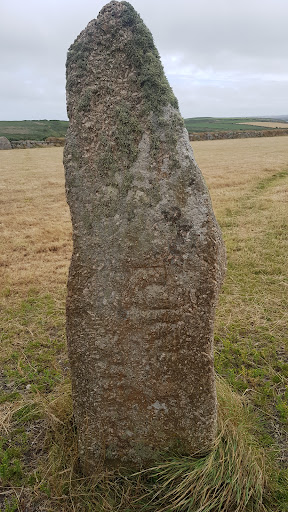
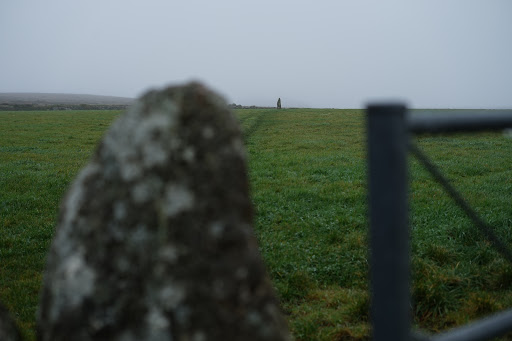
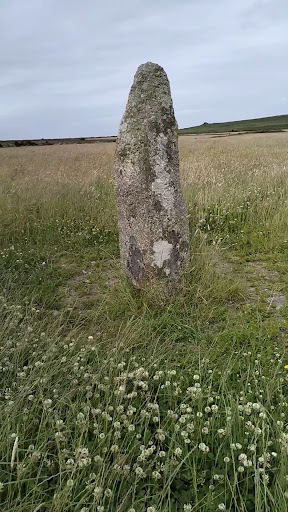
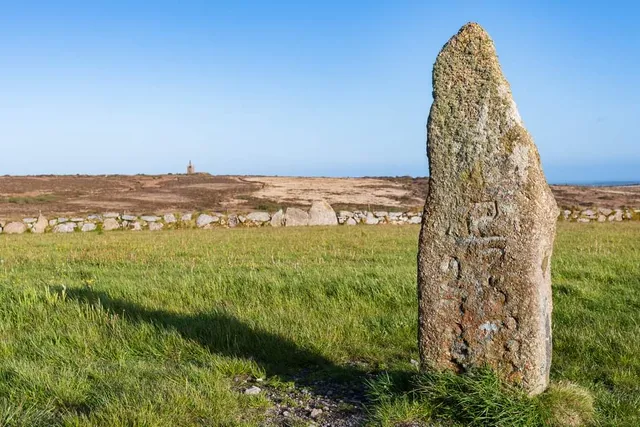
Mên Scryfa is an inscribed standing stone in Cornwall, England, United Kingdom. The inscription, dating to the early medieval period, commemorates "Rialobranus son of Cunovalus."
Cultural
Outdoor
Scenic
Pet friendly
attractions: Mên-an-Tol, Boskednan Stone Circle, restaurants: , local businesses:
 Learn more insights from Wanderboat AI.
Plan your stay

Pet-friendly Hotels in Madron
Find a cozy hotel nearby and make it a full experience.

Affordable Hotels in Madron
Find a cozy hotel nearby and make it a full experience.

The Coolest Hotels You Haven't Heard Of (Yet)
Find a cozy hotel nearby and make it a full experience.

Trending Stays Worth the Hype in Madron
Find a cozy hotel nearby and make it a full experience.
Reviews
Live events

Explore print making
Mon, Feb 16 • 10:30 AM
St Ives, TR26 1LS, United Kingdom
View details

Screen print in Cornwall
Mon, Feb 16 • 2:30 PM
Cornwall, TR14 7RY, United Kingdom
View details
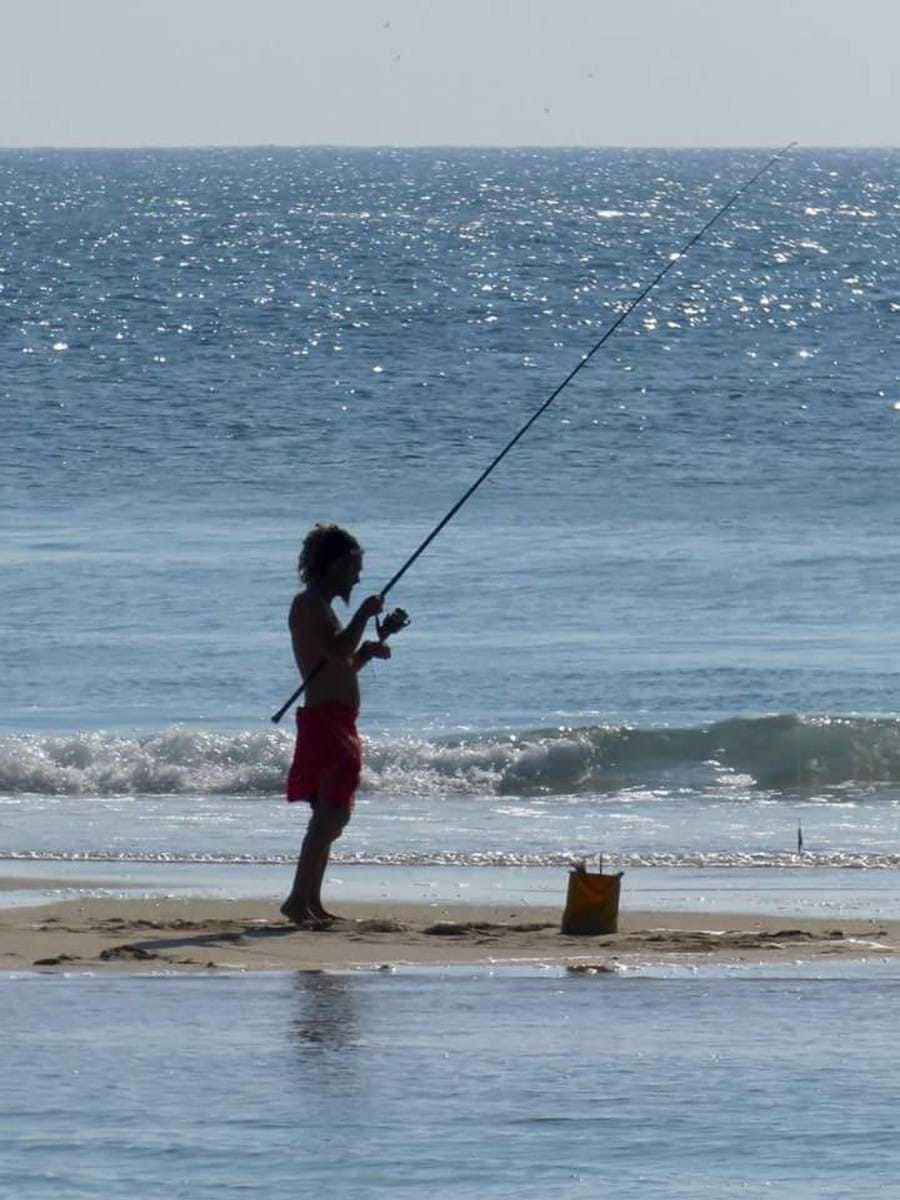
Cornish foraging walks and wildlife spotting
Sat, Feb 14 • 11:00 AM
Saint Levan, TR19 6LF, United Kingdom
View details
Nearby attractions of Men Scryfa
Mên-an-Tol
Boskednan Stone Circle

Mên-an-Tol
4.7
(264)
Open until 12:00 AM
Click for details

Boskednan Stone Circle
4.8
(20)
Open until 12:00 AM
Click for details