HTML SitemapExplore
logo
Find Things to DoFind The Best Restaurants

Aberlemno Pictish Stones — Attraction in Scotland

Name
Aberlemno Pictish Stones
Description
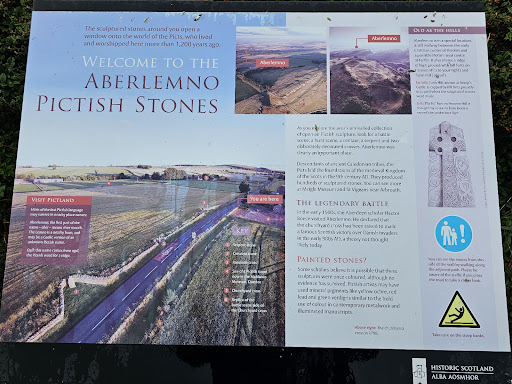
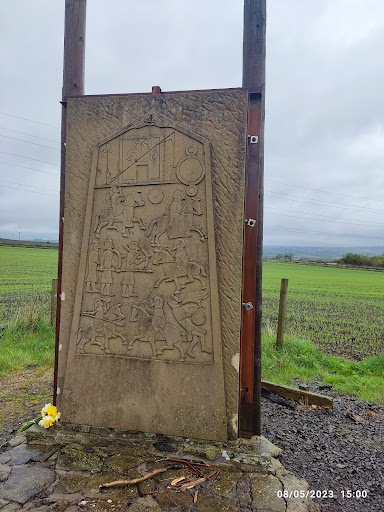
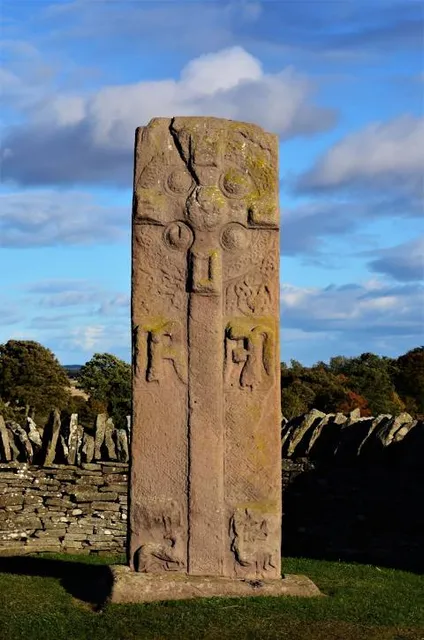
The Aberlemno Sculptured Stones are a series of Pictish standing stones originating in and around the village of Aberlemno, Angus, Scotland. Three are located in the village and a fourth, found in 1962, is on display in The McManus in Dundee. They date from the Early Medieval period.
Nearby attractions
Nearby restaurants
Nearby hotels
Balbinny
Aberlemno, Forfar DD8 3PF, United Kingdom
Related posts
Keywords
Aberlemno Pictish Stones tourism.Aberlemno Pictish Stones hotels.Aberlemno Pictish Stones bed and breakfast. flights to Aberlemno Pictish Stones.Aberlemno Pictish Stones attractions.Aberlemno Pictish Stones restaurants.Aberlemno Pictish Stones travel.Aberlemno Pictish Stones travel guide.Aberlemno Pictish Stones travel blog.Aberlemno Pictish Stones pictures.Aberlemno Pictish Stones photos.Aberlemno Pictish Stones travel tips.Aberlemno Pictish Stones maps.Aberlemno Pictish Stones things to do.
Aberlemno Pictish Stones things to do, attractions, restaurants, events info and trip planning
Aberlemno Pictish Stones
United KingdomScotlandAberlemno Pictish Stones

Basic Info

Aberlemno Pictish Stones

School Ln, Forfar DD8 3TE, United Kingdom
4.4(143)
Open until 12:00 AM
Save
spot

Ratings & Description

Info

The Aberlemno Sculptured Stones are a series of Pictish standing stones originating in and around the village of Aberlemno, Angus, Scotland. Three are located in the village and a fourth, found in 1962, is on display in The McManus in Dundee. They date from the Early Medieval period.

Cultural
Outdoor
Scenic
Family friendly
Off the beaten path
attractions: , restaurants:
logoLearn more insights from Wanderboat AI.
Website
historicenvironment.scot
Open hoursSee all hours
FriOpen 24 hoursOpen

Plan your stay

hotel
Pet-friendly Hotels in Scotland
Find a cozy hotel nearby and make it a full experience.
hotel
Affordable Hotels in Scotland
Find a cozy hotel nearby and make it a full experience.
hotel
The Coolest Hotels You Haven't Heard Of (Yet)
Find a cozy hotel nearby and make it a full experience.
hotel
Trending Stays Worth the Hype in Scotland
Find a cozy hotel nearby and make it a full experience.

Reviews

Things to do nearby

Candlelight: Christmas Movie Soundtracks
Wed, Dec 17 • 6:30 PM
West Henderson's Wynd, Dundee, DD1 5BT
View details
Dundee Murder Mystery: Death in the Shadows
Mon, Dec 1 • 12:00 AM
Courier Place, Dundee, DD1 1DD
View details
Made in Dundee: A Self-Guided Audio Tour
Fri, Dec 12 • 12:00 AM
High Street, Dundee, DD1 1SG
View details
Get the Appoverlay
Get the AppOne tap to find yournext favorite spots!
Wanderboat LogoWanderboat

Your everyday Al companion for getaway ideas

CompanyAbout Us
InformationAI Trip PlannerSitemap
SocialXInstagramTiktokLinkedin
LegalTerms of ServicePrivacy Policy

Get the app

© 2025 Wanderboat. All rights reserved.
logo

Posts

Sarah TakahashiSarah Takahashi
Aberlemno 1: The Serpent Stone, is a Class I Pictish symbol stone aged around 300-600 (pre Christianity in Scotland). The Serpent Stone is decorated with a Serpent, Double Disc and Z-Rod, and Mirror with Comb. On the back of the Serpent Stone are cup marks from Neolithic times, the stone was reused by the Picts, making the Serpent Stone around 4,000 years old, and the symbols 1,400 years old. Aberlemno 2: The Crescent Stone, is a Class I Pictish symbol stone aged around 300-600 (pre Christianity in Scotland). The Crescent stone has faint markings of Crescent shapes, possibly the Crescent Moon or Mirrors. Aberlemno 3: The Roadside Cross, is a Class II Pictish symbol stone aged around 600-843 (after Christianity was introduced in Scotland). The Roadside Cross is decorated with an elaborate Celtic Cross adorning one side, angels, deer and Celtic Knots, and on the other features a Double-Disc and Z-Rod, Crescent Moon with V-Rod, a ceremonial hunting scene, and a centaur gathering medical plants. Aberlemno 5; The Churchyard Cross, is a Class II Pictish symbol stone aged around 600-843 (after Christianity was introduced in Scotland). Aberlemno 5 has a celtic cross design on one side, and on the other features a war scene believed to be the battle of Dún Nechtain led by King Bridei III on the 20th May, 685AD
Warren BairdWarren Baird
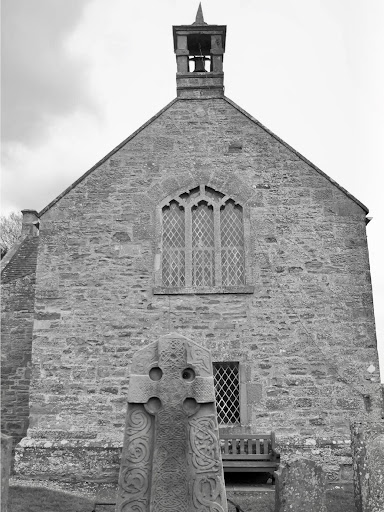
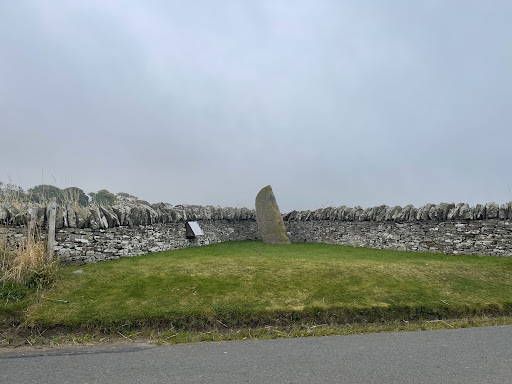
these were wonderful to see basicly sitting on the side of the road but a safe parking area nearby ...doesnt take long to get around them all so doesn't long out of your day... There are four stones with Pictish carvings in the village of Aberlemno, variously dating between about AD 500 and 800. Three stand on a roadside, while one stands in the village churchyard. They comprise: a leaning, reused prehistoric standing stone an unshaped boulder bearing traces of two symbols a magnificent cross-slab a sandstone cross-slab in the churchyard The stones show a range of carvings, from characteristic Pictish symbols to overtly Christian iconography.
Jen ChanJen Chan
Nice stroll in this off the beaten track sight with ancient rocks and friendly people. We parked at the village hall and was greeted by happy and confident kids who also did up the tourist guide for Aberlamno. We took a stroll around the perimeter of the field to see the Pictish stones and visited the church and cemetery. Had a quick meal overlooking greenery and a good break for the legs before a long drive for the day. We were looking for the toilet in the church premise and chanced upon the unique church and I thought it was beautiful and cosy.
See more posts
See more posts
hotel
Find your stay

Pet-friendly Hotels in Scotland

Find a cozy hotel nearby and make it a full experience.

Aberlemno 1: The Serpent Stone, is a Class I Pictish symbol stone aged around 300-600 (pre Christianity in Scotland). The Serpent Stone is decorated with a Serpent, Double Disc and Z-Rod, and Mirror with Comb. On the back of the Serpent Stone are cup marks from Neolithic times, the stone was reused by the Picts, making the Serpent Stone around 4,000 years old, and the symbols 1,400 years old. Aberlemno 2: The Crescent Stone, is a Class I Pictish symbol stone aged around 300-600 (pre Christianity in Scotland). The Crescent stone has faint markings of Crescent shapes, possibly the Crescent Moon or Mirrors. Aberlemno 3: The Roadside Cross, is a Class II Pictish symbol stone aged around 600-843 (after Christianity was introduced in Scotland). The Roadside Cross is decorated with an elaborate Celtic Cross adorning one side, angels, deer and Celtic Knots, and on the other features a Double-Disc and Z-Rod, Crescent Moon with V-Rod, a ceremonial hunting scene, and a centaur gathering medical plants. Aberlemno 5; The Churchyard Cross, is a Class II Pictish symbol stone aged around 600-843 (after Christianity was introduced in Scotland). Aberlemno 5 has a celtic cross design on one side, and on the other features a war scene believed to be the battle of Dún Nechtain led by King Bridei III on the 20th May, 685AD
Sarah Takahashi

Sarah Takahashi

hotel
Find your stay

Affordable Hotels in Scotland

Find a cozy hotel nearby and make it a full experience.

Get the Appoverlay
Get the AppOne tap to find yournext favorite spots!
these were wonderful to see basicly sitting on the side of the road but a safe parking area nearby ...doesnt take long to get around them all so doesn't long out of your day... There are four stones with Pictish carvings in the village of Aberlemno, variously dating between about AD 500 and 800. Three stand on a roadside, while one stands in the village churchyard. They comprise: a leaning, reused prehistoric standing stone an unshaped boulder bearing traces of two symbols a magnificent cross-slab a sandstone cross-slab in the churchyard The stones show a range of carvings, from characteristic Pictish symbols to overtly Christian iconography.
Warren Baird

Warren Baird

hotel
Find your stay

The Coolest Hotels You Haven't Heard Of (Yet)

Find a cozy hotel nearby and make it a full experience.

hotel
Find your stay

Trending Stays Worth the Hype in Scotland

Find a cozy hotel nearby and make it a full experience.

Nice stroll in this off the beaten track sight with ancient rocks and friendly people. We parked at the village hall and was greeted by happy and confident kids who also did up the tourist guide for Aberlamno. We took a stroll around the perimeter of the field to see the Pictish stones and visited the church and cemetery. Had a quick meal overlooking greenery and a good break for the legs before a long drive for the day. We were looking for the toilet in the church premise and chanced upon the unique church and I thought it was beautiful and cosy.
Jen Chan

Jen Chan

See more posts
See more posts

Reviews of Aberlemno Pictish Stones

4.4
(143)
avatar
5.0
5y

Aberlemno 1: The Serpent Stone, is a Class I Pictish symbol stone aged around 300-600 (pre Christianity in Scotland). The Serpent Stone is decorated with a Serpent, Double Disc and Z-Rod, and Mirror with Comb. On the back of the Serpent Stone are cup marks from Neolithic times, the stone was reused by the Picts, making the Serpent Stone around 4,000 years old, and the symbols 1,400 years old.

Aberlemno 2: The Crescent Stone, is a Class I Pictish symbol stone aged around 300-600 (pre Christianity in Scotland). The Crescent stone has faint markings of Crescent shapes, possibly the Crescent Moon or Mirrors.

Aberlemno 3: The Roadside Cross, is a Class II Pictish symbol stone aged around 600-843 (after Christianity was introduced in Scotland). The Roadside Cross is decorated with an elaborate Celtic Cross adorning one side, angels, deer and Celtic Knots, and on the other features a Double-Disc and Z-Rod, Crescent Moon with V-Rod, a ceremonial hunting scene, and a centaur gathering medical plants.

Aberlemno 5; The Churchyard Cross, is a Class II Pictish symbol stone aged around 600-843 (after Christianity was introduced in Scotland). Aberlemno 5 has a celtic cross design on one side, and on the other features a war scene believed to be the battle of Dún Nechtain led by King Bridei III on the...

   Read more
avatar
4.0
8y

If you don't know what these are you won't find them interesting but telling people not to bother only shows your lack of knowledge. Please, read about Picts and their stones! These are stones carved by the ancestral people of the Scots back in the 6th to 9th centuries. If that doesn't impress you, think harder. It's the year 500. What type of tools could you use to carve a piece of stone so intricately? What story are you going to tell? Even more fascinating - other Pictish stones show signs of being painted! I took a star off because there is no warning they are coming up on the side of the road, they are easy to miss and it's difficult to turn around on these narrow roads. Although parking is marked it is confusing. Also, please note two of the stones are on the side of the main road. They make for a dangerous walk for children of any age and the elderly. I saw a sign that stated a printed guide to the stones was for sale in the small building but I didn't query. Perhaps better organization would...

   Read more
avatar
5.0
7y

Aberlemno stone is NOT a "pictish" stone, but a Kellydd, hence Caledonia in Latin, stele, Alas half destroyed, you ought to compare to Hilton stele. The theme of that stele is the typical Kellydd theme: the Thunder-Father, symbolized by its lightning, sends his two twins and fireballs to the search after their sister "Helene" in Greece, which has been raped by a sad guy, equivalent to the God of Underground, and Helene is coming home due to her rescue by her brothers, in the form of a comb and mirror, coming out of the ground. You will find later those two symbols in Melusine. This scene is the VERY identity of "Picts", you can find it on many stones. It is a pity a rascal cut it in half for his own use. GT

And some more pics from Graeme Davidson and G-Street, where you can see the famous Kelt Cross with its two horses, of apotropaic significance. A very...

   Read more
Page 1 of 7
Previous
Next