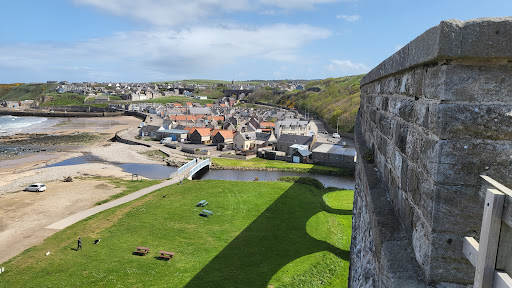
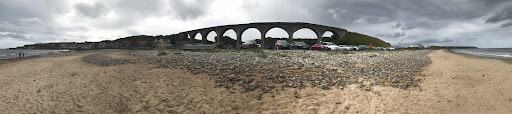
The Great North of Scotland Railway opened its through line along the Moray coast in April 1886, connecting Portsoy with Elgin. The central section included a number of significant structures including the impressive Cullen Viaduct which looks out to sea over the rooftops of Seatown.
The Grade B listed structure is formed of bullfaced rubble with eight rusticated ashlar arch rings and brick soffits. Work on it started in 1884 under the auspices of engineer P M Barnett. It was necessitated by the Seafield Estate’s refusal to allow the railway to encroach onto its land further south near Cullen House.
Further east are three more structures – a single span over steps connecting North Deskford Street with the main road, a four-arch viaduct across North Castle Street and another four-arched bridge, with separate accommodate for those on foot, at the bottom of Seafield Street. All these structures were built for a single track.
The line closed on 6th May 1968 but the parts of the line have since been reopened as part of the Moray Firth Trail.
Beautifully situated at the eastern end of Cullen Bay, the attractive seaside village of Cullen is famous for its dish.
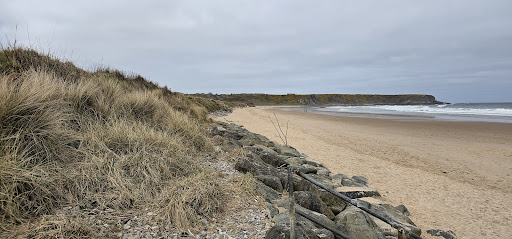
This fishing village on the Moray Firth is a popular tourist destination and a relaxing seaside holiday resort that is ideally situated for walking and playing golf. There is a harbour and a long stretch of sandy beach with excellent coastal walks to Sunnyside Beach as well as the ruins of Findlater Castle. The beautiful waters surrounding the village make an excellent spot for swimming.
Cullen Skink is a traditional Scottish delicacy that has found its way onto menus across the globe. It is a creamy potato and smoked haddock soup, using fish fresh from the North Sea by which Cullen rests.
Cullen: Your Gateway to Aberdeenshire's Coastal Charm
Nestled on Aberdeenshire's north-facing coast, Cullen is the perfect starting point for exploring the wonders of the Northeast.
Highlights of Cullen:
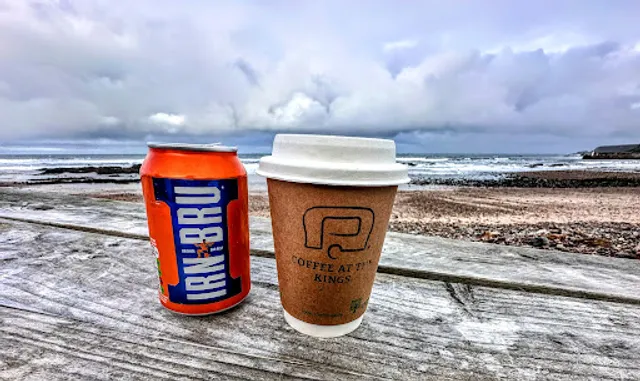
Indulge in a captivating beach experience and capture stunning photos at the iconic Three Kings rock stack, steeped in Norse legend and local lore.
Explore the scenic remnants of the old Cullen railway, now transformed into a picturesque walking and cycling route offering panoramic views of Cullen Bay.
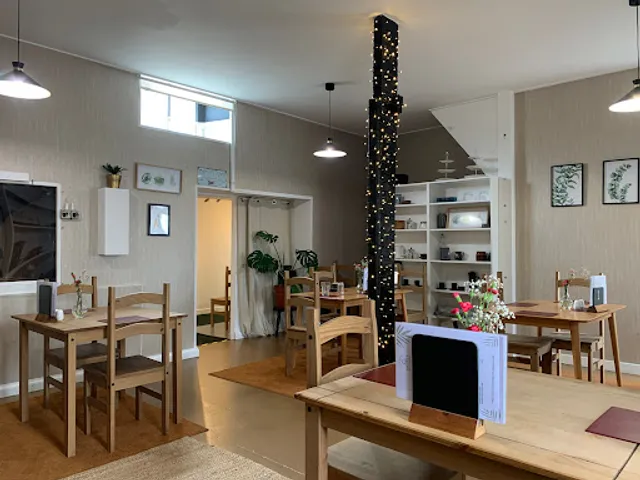
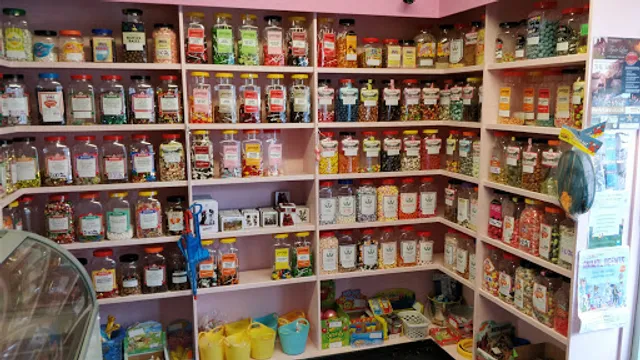
Discover the charm of Cullen's shops and cafes, where you can savour the world-famous delicacy, Cullen Skink, known for its rich flavour and heritage.
Historic Treasures:
Uncover the history of Cullen at the Cullen Auld Kirk, where the organs of Robert The Bruce's wife rest. Witness a piece of medieval history and explore the fascinating stories behind this ancient landmark.
Immerse yourself in the unique blend of coastal beauty and historical intrigue that Cullen has to offer, making it an essential stop on your Aberdeenshire itinerary.
Cullen is a village and former royal burgh in Moray but historically in Banffshire, Scotland, on the North Sea coast. The village had a population of 1,327 in 2001. The organs of the wife of Robert the Bruce are said to have been buried in its old kirk after her death in Cullen Castle. Robert made an annual payment to the village in gratitude for the treatment of his wife's body and its return south for burial. In 2000, the recent non-payment of this sum by the government was challenged and settled to the...
Read more
 Learn more insights from Wanderboat AI.