Eynsford Castle things to do, attractions, restaurants, events info and trip planning
Basic Info
Eynsford Castle
Eynsford DA4 0AA, United Kingdom
4.3(330)
Open until 5:00 PM
Save
spot
spot
Ratings & Description
Info
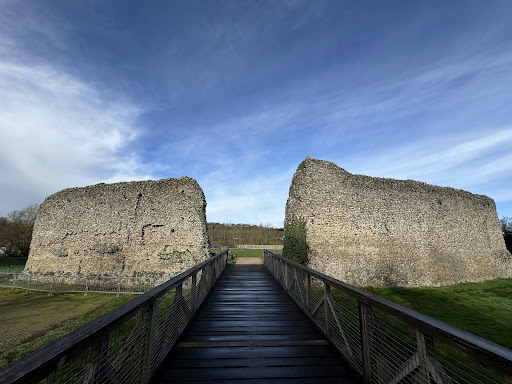
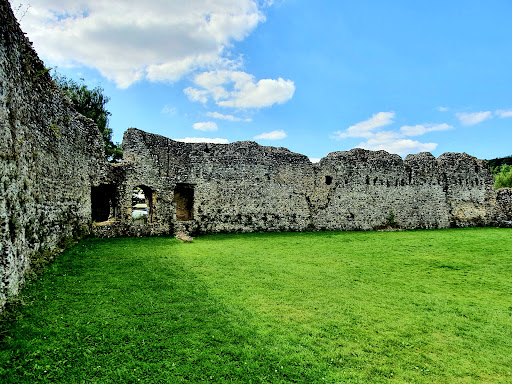
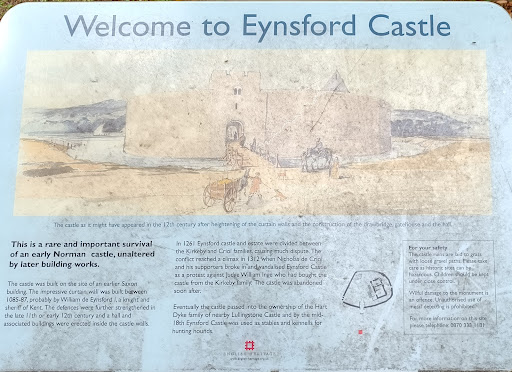
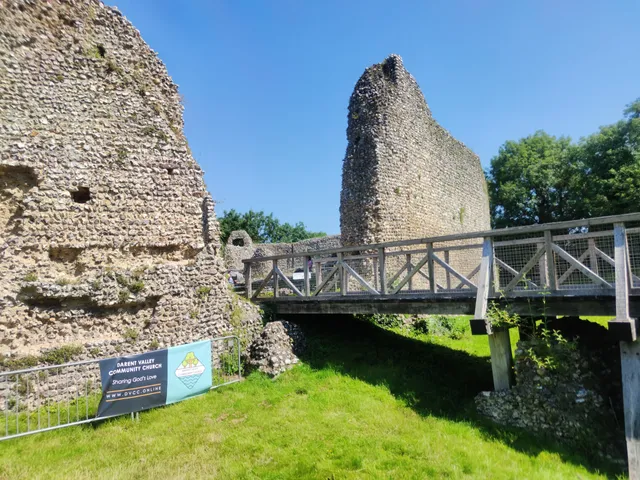
Eynsford Castle is a ruined medieval fortification in Eynsford, Kent. Built on the site of an earlier Anglo-Saxon stone burh, the castle was constructed by William de Enysford, probably between 1085 and 1087, to protect the lands of Lanfranc, the Archbishop of Canterbury, from Odo, the Bishop of Bayeux.
Cultural
Outdoor
Scenic
Family friendly
Pet friendly
attractions: , restaurants: Castle Hotel, Plough Inn Eynsford, The Malt Shovel, local businesses: Eynsford Viaduct
 Learn more insights from Wanderboat AI.
Phone
+44 370 333 1181
Website
english-heritage.org.uk
Open hoursSee all hours
Tue10 AM - 5 PMOpen
Plan your stay

Pet-friendly Hotels in Sevenoaks
Find a cozy hotel nearby and make it a full experience.

Affordable Hotels in Sevenoaks
Find a cozy hotel nearby and make it a full experience.

The Coolest Hotels You Haven't Heard Of (Yet)
Find a cozy hotel nearby and make it a full experience.

Trending Stays Worth the Hype in Sevenoaks
Find a cozy hotel nearby and make it a full experience.
Reviews
Live events

Explore 30+ London sights
Tue, Feb 10 • 1:00 PM
Greater London, W1J 9BR, United Kingdom
View details

The Last Days of Pompeii: The Immersive Exhibition
Tue, Feb 10 • 3:00 PM
Royal Victoria Dock 1 Western Gateway, E16 1XL
View details

Paradox Museum London
Tue, Feb 10 • 3:00 PM
90 Brompton Road, London, SW3 1JJ
View details
Nearby restaurants of Eynsford Castle
Castle Hotel
Plough Inn Eynsford
The Malt Shovel
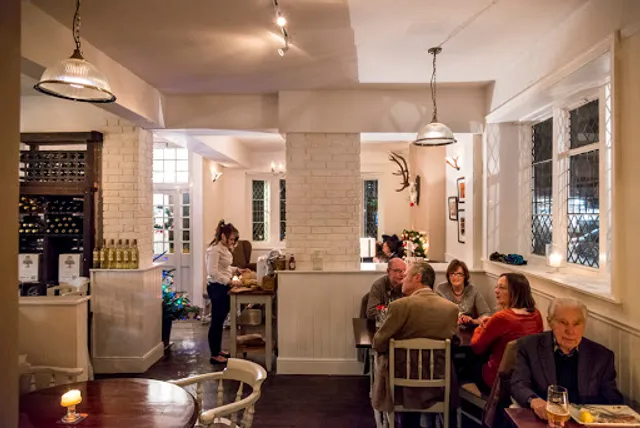
Castle Hotel
4.4
(326)
$$
Open until 11:00 PM
Click for details
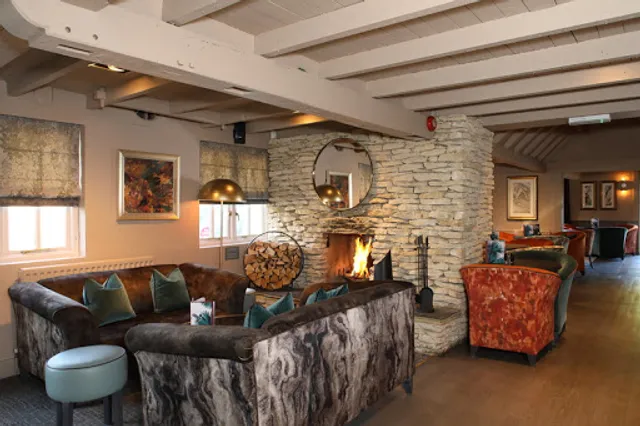
Plough Inn Eynsford
4.3
(1.5K)
Open until 11:00 PM
Click for details
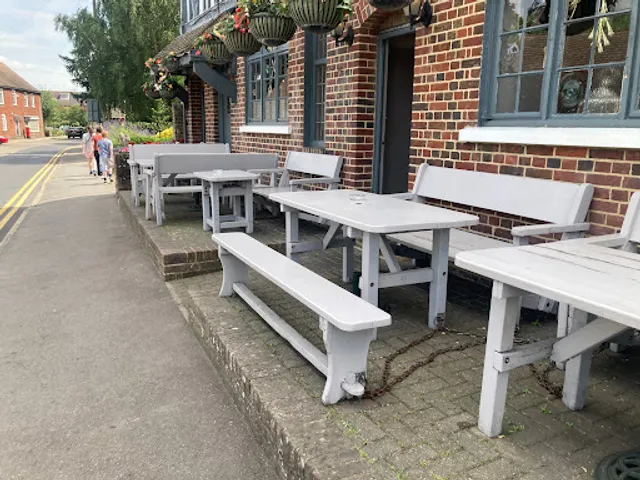
The Malt Shovel
4.3
(359)
Open until 11:00 PM
Click for details
Nearby local services of Eynsford Castle
Eynsford Viaduct
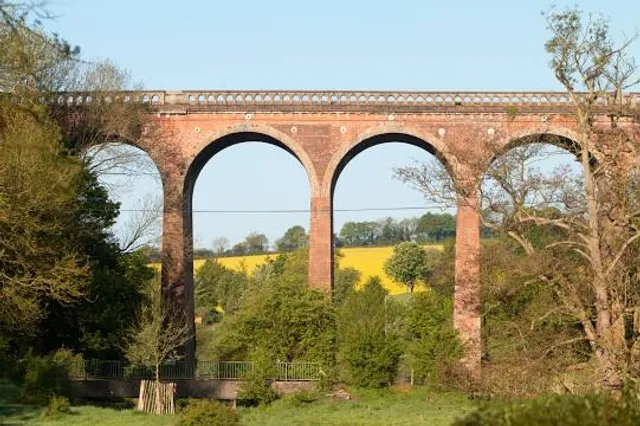
Eynsford Viaduct
4.8
(52)
Click for details