Palladian Bridge things to do, attractions, restaurants, events info and trip planning
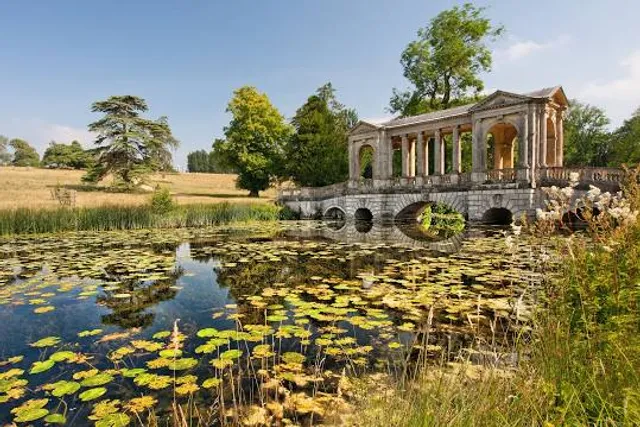
Basic Info
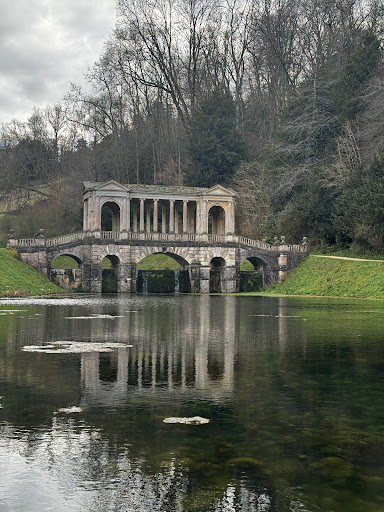
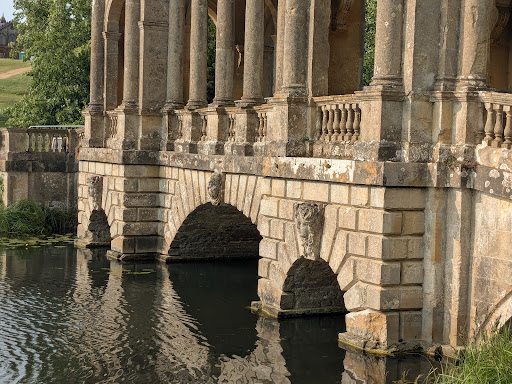
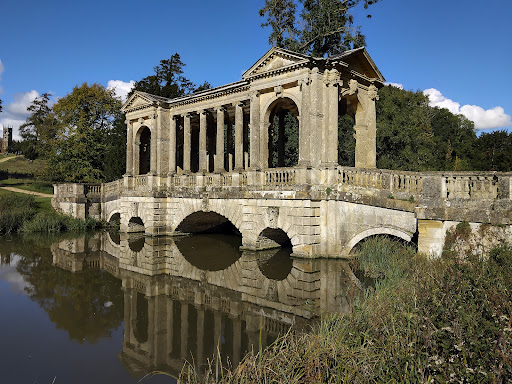
Palladian Bridge
Stowe Castle Rd, Buckingham MK18 5ED, United Kingdom
4.9(30)$$$$
Open until 5:00 PM
Save
spot
spot
Ratings & Description
Info
Cultural
Scenic
Accessibility
attractions: Gothic Temple, National Trust - Stowe Gardens, Temple of Concord and Victory, Corinthian Arch, restaurants: , local businesses: National Trust - Stowe, Stowe House, The Skin Specialist Nurse
 Learn more insights from Wanderboat AI.
Open hoursSee all hours
Sun10 AM - 5 PMOpen
Plan your stay

Pet-friendly Hotels in Stowe
Find a cozy hotel nearby and make it a full experience.

Affordable Hotels in Stowe
Find a cozy hotel nearby and make it a full experience.

The Coolest Hotels You Haven't Heard Of (Yet)
Find a cozy hotel nearby and make it a full experience.

Trending Stays Worth the Hype in Stowe
Find a cozy hotel nearby and make it a full experience.
Reviews
Live events

Secret Society of Northampton: A Detective City Game
Sun, Feb 1 • 12:00 AM
4-5 St Giles' Square, Northampton, NN1 1DA
View details

Northampton Murder Mystery: Death in the Shadows
Sun, Feb 1 • 12:00 AM
The Guildhall, Saint Giles' Square, Northampton, NN1 1DE
View details

Faulty Towers The Dining Experience @ Northampton
Tue, Feb 17 • 7:30 PM
Mercure Northampton, Silver Street, Northampton, United Kingdom
View details
Nearby attractions of Palladian Bridge
Gothic Temple
National Trust - Stowe Gardens
Temple of Concord and Victory
Corinthian Arch

Gothic Temple
4.8
(30)
Open until 12:00 AM
Click for details
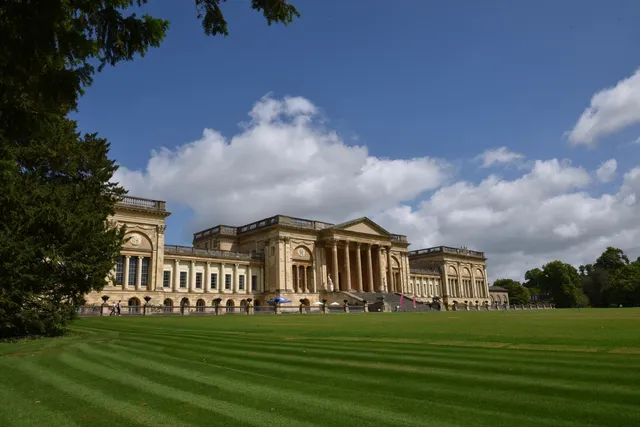
National Trust - Stowe Gardens
4.7
(1.7K)
Open until 5:00 PM
Click for details
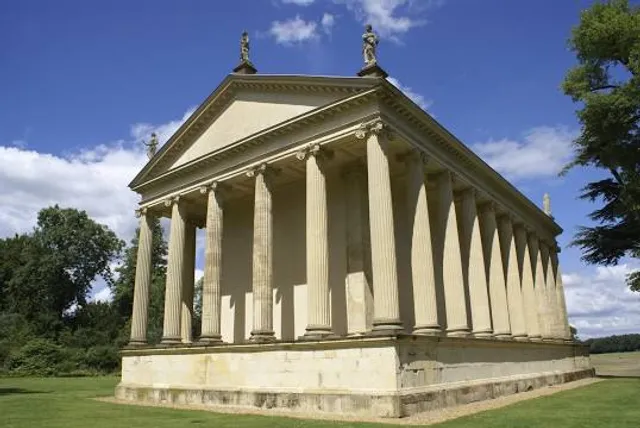
Temple of Concord and Victory
4.9
(12)
Open until 12:00 AM
Click for details
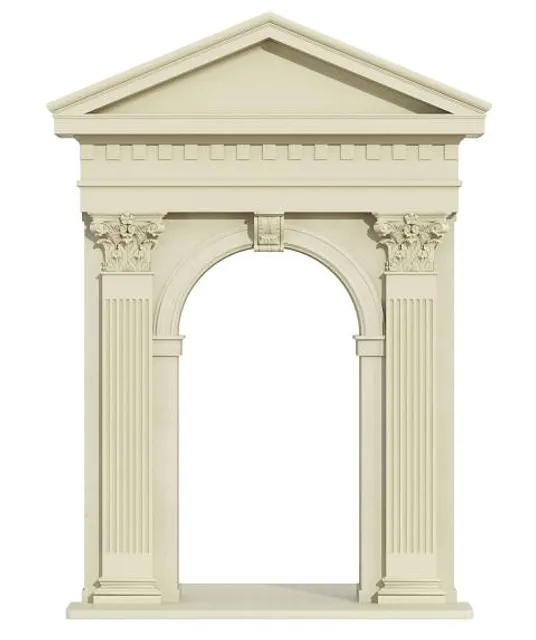
Corinthian Arch
4.6
(133)
Open 24 hours
Click for details
Nearby local services of Palladian Bridge
National Trust - Stowe
Stowe House
The Skin Specialist Nurse
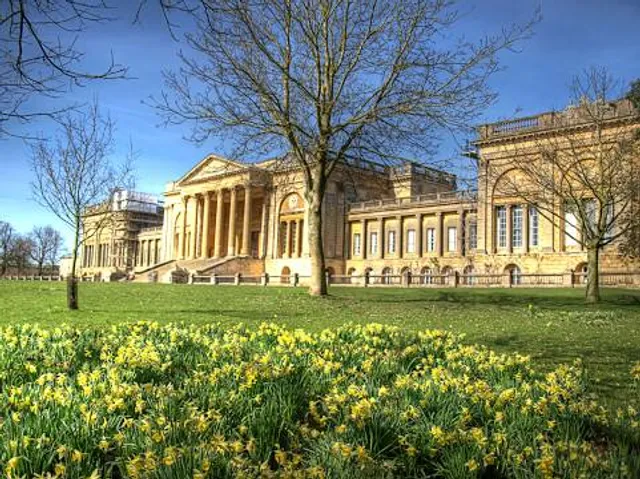
National Trust - Stowe
4.7
(1.5K)
Click for details
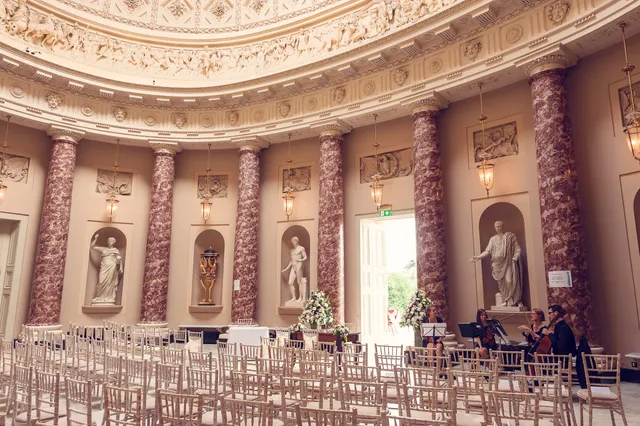
Stowe House
4.8
(19)
Click for details

The Skin Specialist Nurse
5.0
(76)
Click for details