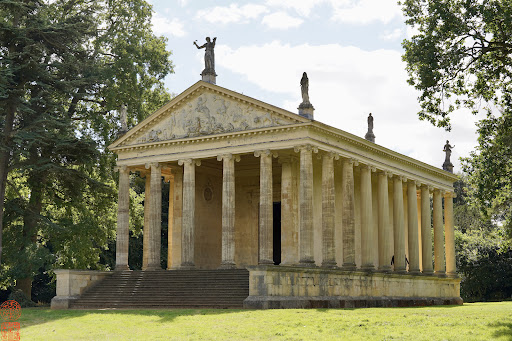
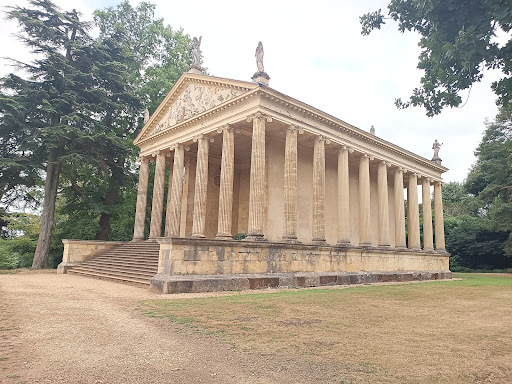
Temple of Concord and Victory things to do, attractions, restaurants, events info and trip planning
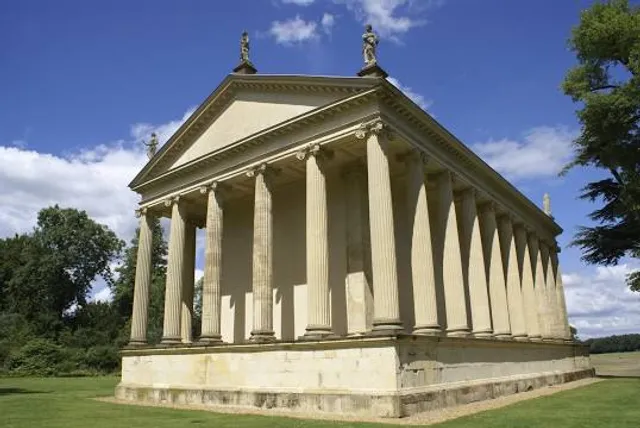
Basic Info
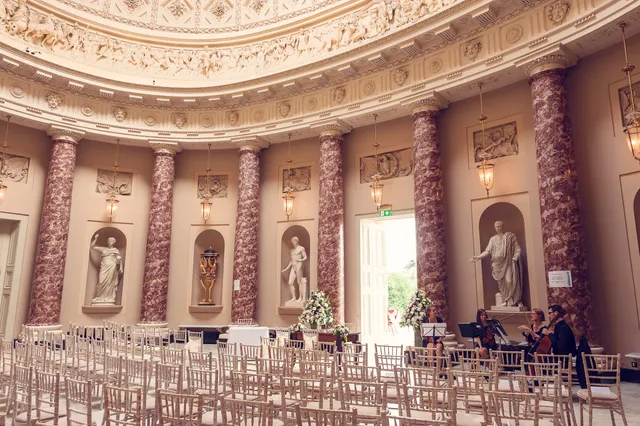
Temple of Concord and Victory
Buckingham MK18 5EE, United Kingdom
4.9(12)
Open until 12:00 AM
Save
spot
spot
Ratings & Description
Info
Cultural
Scenic
Family friendly
Accessibility
attractions: Gothic Temple, Palladian Bridge, restaurants: , local businesses: National Trust - Stowe, Stowe House
 Learn more insights from Wanderboat AI.
Open hoursSee all hours
MonOpen 24 hoursOpen
Plan your stay

Pet-friendly Hotels in Stowe
Find a cozy hotel nearby and make it a full experience.

Affordable Hotels in Stowe
Find a cozy hotel nearby and make it a full experience.

The Coolest Hotels You Haven't Heard Of (Yet)
Find a cozy hotel nearby and make it a full experience.

Trending Stays Worth the Hype in Stowe
Find a cozy hotel nearby and make it a full experience.
Reviews
Live events

Secret Society of Northampton: A Detective City Game
Sun, Feb 1 • 12:00 AM
4-5 St Giles' Square, Northampton, NN1 1DA
View details

Northampton Murder Mystery: Death in the Shadows
Sun, Feb 1 • 12:00 AM
The Guildhall, Saint Giles' Square, Northampton, NN1 1DE
View details

ACCREDITED CRYSTAL THERAPY FOUNDATION COURSE
Mon, Feb 23 • 10:00 AM
Northampton, England, UK, United Kingdom
View details
Nearby attractions of Temple of Concord and Victory
Gothic Temple
Palladian Bridge

Gothic Temple
4.8
(30)
Open until 12:00 AM
Click for details
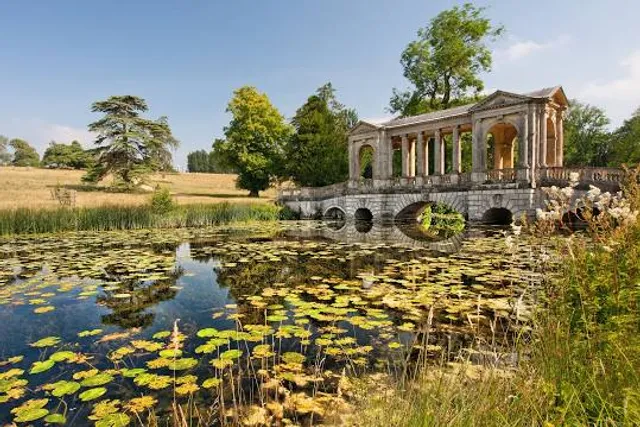
Palladian Bridge
4.9
(30)
Closed
Click for details
Nearby local services of Temple of Concord and Victory
National Trust - Stowe
Stowe House

National Trust - Stowe
4.7
(1.5K)
Click for details
Stowe House
4.8
(19)
Click for details