HTML SitemapExplore
logo
Find Things to DoFind The Best Restaurants

Din Lligwy — Attraction in Wales

Name
Din Lligwy
Description
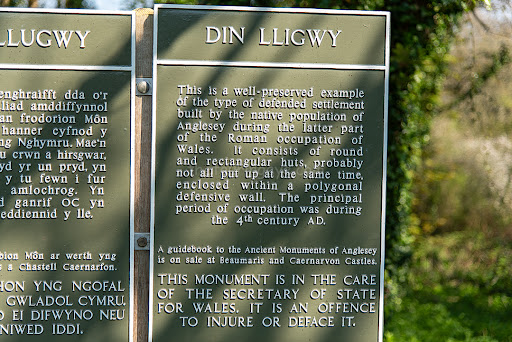
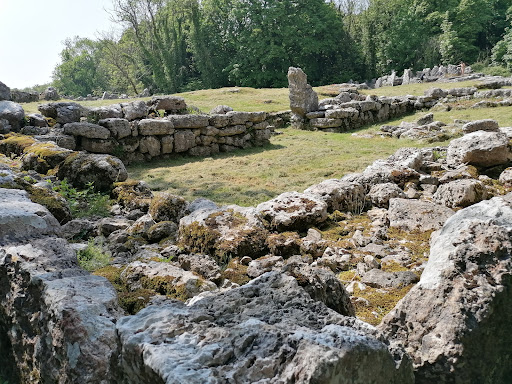
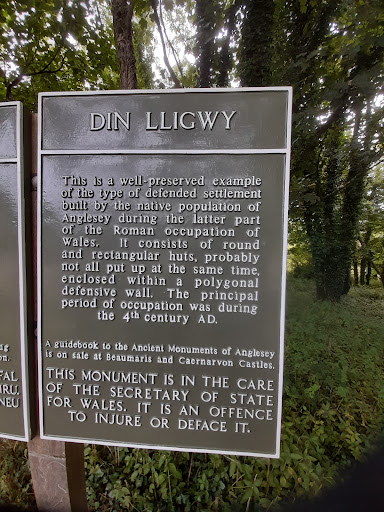
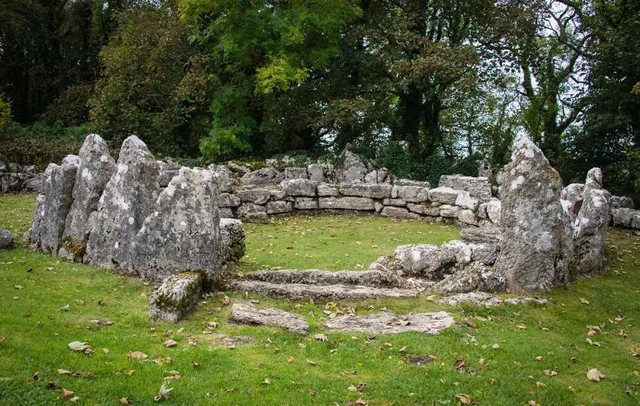
Din Lligwy hut circle is an ancient village site near the east coast of Anglesey, close to the village of Moelfre, North Wales. Excavations in 1905–1907 produced hundreds of Roman-period pot sherds of the 3rd and 4th centuries CE, many repaired with iron clamps.
Nearby attractions
Capel Lligwy
Moelfre LL70 9HQ, United Kingdom
Lligwy Burial Chamber
8PXW+XR, Moelfre LL72 8NH, United Kingdom
Nearby restaurants
Nearby hotels
Plas Lligwy Holiday Cottages
Moelfre LL72 8NH, United Kingdom
Tyn Rhos Caravan Park (Lligwy Bay)
Rhoslligwy, Lligwy LL72 8NL, United Kingdom
Tŷ Dderw Country Inn Book Direct to Save
Llanallgo, Moelfre LL72 8HB, United Kingdom
Bryn Awelon
Llanallgo, Moelfre LL72 8NG, United Kingdom
Minffordd Caravan Park
Penrhoslligwy, Dulas LL70 9PZ, United Kingdom
Related posts
Keywords
Din Lligwy tourism.Din Lligwy hotels.Din Lligwy bed and breakfast. flights to Din Lligwy.Din Lligwy attractions.Din Lligwy restaurants.Din Lligwy travel.Din Lligwy travel guide.Din Lligwy travel blog.Din Lligwy pictures.Din Lligwy photos.Din Lligwy travel tips.Din Lligwy maps.Din Lligwy things to do.
Din Lligwy things to do, attractions, restaurants, events info and trip planning
Din Lligwy
United KingdomWalesDin Lligwy

Basic Info

Din Lligwy

9P2R+76, Moelfre LL70 9HQ, United Kingdom
4.8(57)
Open 24 hours
Save
spot

Ratings & Description

Info

Din Lligwy hut circle is an ancient village site near the east coast of Anglesey, close to the village of Moelfre, North Wales. Excavations in 1905–1907 produced hundreds of Roman-period pot sherds of the 3rd and 4th centuries CE, many repaired with iron clamps.

Cultural
Outdoor
Scenic
Family friendly
Off the beaten path
attractions: Capel Lligwy, Lligwy Burial Chamber, restaurants:
logoLearn more insights from Wanderboat AI.
Website
cadw.gov.wales

Plan your stay

hotel
Pet-friendly Hotels in Wales
Find a cozy hotel nearby and make it a full experience.

hotel
Affordable Hotels in Wales
Find a cozy hotel nearby and make it a full experience.

hotel
The Coolest Hotels You Haven't Heard Of (Yet)
Find a cozy hotel nearby and make it a full experience.

hotel
Trending Stays Worth the Hype in Wales
Find a cozy hotel nearby and make it a full experience.

Reviews

Nearby attractions of Din Lligwy

Capel Lligwy

Lligwy Burial Chamber
Capel Lligwy

Capel Lligwy

4.6

(134)

Closed
Click for details
Lligwy Burial Chamber

Lligwy Burial Chamber

4.7

(35)

Open 24 hours
Click for details
Things to do nearby

Navigate SAORI freestyle weaving
Wed, Dec 10 • 10:00 AM
Gwynedd, LL55 2AB, United Kingdom
View details
Get the Appoverlay
Get the AppOne tap to find yournext favorite spots!
Wanderboat LogoWanderboat

Your everyday Al companion for getaway ideas

CompanyAbout Us
InformationAI Trip PlannerSitemap
SocialXInstagramTiktokLinkedin
LegalTerms of ServicePrivacy Policy

Get the app

© 2025 Wanderboat. All rights reserved.
logo

Reviews of Din Lligwy

4.8
(57)
avatar
4.0
9w

Din Lligwy is one of Anglesey’s most fascinating archaeological sites – a remarkably well-preserved Romano-British farmstead tucked away near Moelfre. Hidden within a quiet grove above the sea, it offers an incredible glimpse into life in Wales around 1,600 years ago.

The stone walls of the settlement still stand nearly two metres high in places, enclosing two roundhouses and several rectangular workshops. Excavations revealed iron-working hearths, Roman coins from the time of Constantine (early 4th century AD), fragments of pottery and even a small silver ingot. It seems this was once a prosperous little community – a farmstead where families lived, tended animals and worked metal on site.

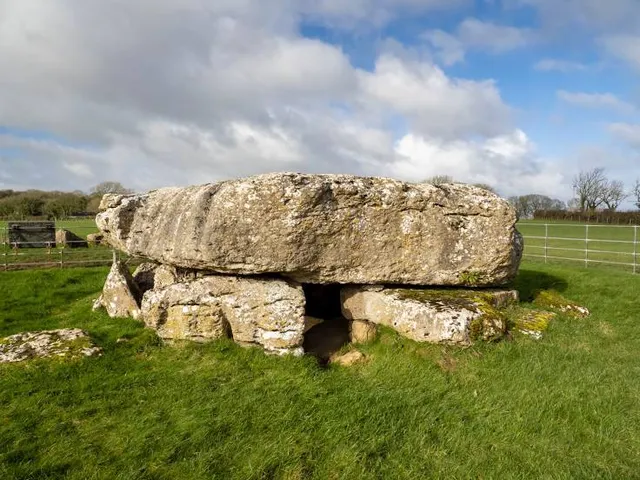
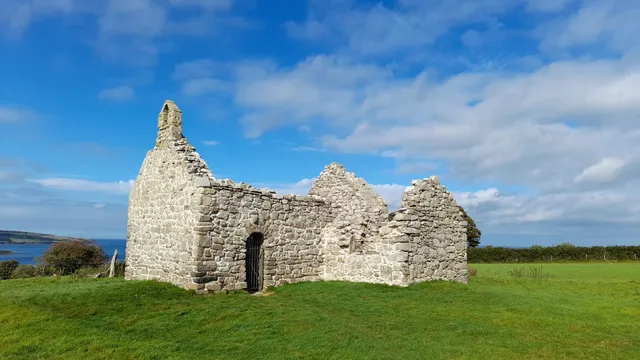
What makes Din Lligwy even more special is its setting. Within a few minutes’ walk you’ll also find Lligwy Burial Chamber, a Neolithic tomb capped by a 25-ton stone slab, and Capel Lligwy, a roofless 12th-century chapel. Together they represent over 4,000 years of continuous human activity in this small corner of Anglesey.

The site is managed by Cadw and free to enter. Parking is along a country lane, followed by a short, slightly uneven walk – sturdy shoes are sensible, especially after rain. There are information boards explaining the layout, but it’s best enjoyed slowly, imagining the clang of iron tools and the smoke rising from hearths long gone.

Quiet, atmospheric, and steeped in history, Din Lligwy is a must-visit for anyone exploring Anglesey’s ancient past. You’ll leave with muddy boots, windswept hair, and a real sense of standing where generations once lived, worked and worshipped.

⭐ 5/5 – an unforgettable step through...

   Read more
avatar
5.0
3y

This surprisingly well preserved stone settlement dates back to at least the 4th Century close to the end of the Roman occupation. It is lightly defended and probably would not have withstood a full on attack. The surrounding woodland would not have been present when the settlement was active and the settlement would have looked down upon the beautiful Dulas Bay. The settlement was made by Anglesey farmers with animals kept inside one of the rectangular huts. The Roman design influences of the settlement are there to see as are the thick strong walls. This settlement was built to last which it certainly has. Layby parking for about seven cars. The settlement cannot be seen from the road but directions to it are easy to follow from the entrance gate at the parking area but there is certainly no...

   Read more
avatar
5.0
2y

Stumbled across din lligwy by sheer chance whilst out and about one day, it's a fantastic settlement mIntained by CADW from the 4th century occupied by the native population of Anglesey. I've lived on Anglesey all my life and didn't know this was here, it's such a peaceful wonderful place where you walk through a field to the the trees and up a small amount of stone steps and a really small incline to reach the ruins You can also visit the ruins of lligwy chapel dating back to the 12th century. Its all free and you can just sit or walk around as much as you like. If you're on Anglesey I really...

   Read more
Page 1 of 7
Previous
Next

Posts

EmC PhotographyEmC Photography
Din Lligwy is one of Anglesey’s most fascinating archaeological sites – a remarkably well-preserved Romano-British farmstead tucked away near Moelfre. Hidden within a quiet grove above the sea, it offers an incredible glimpse into life in Wales around 1,600 years ago. The stone walls of the settlement still stand nearly two metres high in places, enclosing two roundhouses and several rectangular workshops. Excavations revealed iron-working hearths, Roman coins from the time of Constantine (early 4th century AD), fragments of pottery and even a small silver ingot. It seems this was once a prosperous little community – a farmstead where families lived, tended animals and worked metal on site. What makes Din Lligwy even more special is its setting. Within a few minutes’ walk you’ll also find Lligwy Burial Chamber, a Neolithic tomb capped by a 25-ton stone slab, and Capel Lligwy, a roofless 12th-century chapel. Together they represent over 4,000 years of continuous human activity in this small corner of Anglesey. The site is managed by Cadw and free to enter. Parking is along a country lane, followed by a short, slightly uneven walk – sturdy shoes are sensible, especially after rain. There are information boards explaining the layout, but it’s best enjoyed slowly, imagining the clang of iron tools and the smoke rising from hearths long gone. Quiet, atmospheric, and steeped in history, Din Lligwy is a must-visit for anyone exploring Anglesey’s ancient past. You’ll leave with muddy boots, windswept hair, and a real sense of standing where generations once lived, worked and worshipped. ⭐ 5/5 – an unforgettable step through Welsh history.
sarg_1975sarg_1975
Stumbled across din lligwy by sheer chance whilst out and about one day, it's a fantastic settlement mIntained by CADW from the 4th century occupied by the native population of Anglesey. I've lived on Anglesey all my life and didn't know this was here, it's such a peaceful wonderful place where you walk through a field to the the trees and up a small amount of stone steps and a really small incline to reach the ruins You can also visit the ruins of lligwy chapel dating back to the 12th century. Its all free and you can just sit or walk around as much as you like. If you're on Anglesey I really recommend a visit
Dr WatDr Wat
A lovely walk across a small part of Anglesey, across some cliffs, through some fields ending in a settlement from way back in time. Climb the small hill and the view of the settlement is impressive. I wonder how much of our house will be left after 1500 years! This is the remains of a small 4th century settlement just as the Romans were about to leave this country! Worth a visit.
See more posts
See more posts
hotel
Find your stay

Pet-friendly Hotels in Wales

Find a cozy hotel nearby and make it a full experience.

Din Lligwy is one of Anglesey’s most fascinating archaeological sites – a remarkably well-preserved Romano-British farmstead tucked away near Moelfre. Hidden within a quiet grove above the sea, it offers an incredible glimpse into life in Wales around 1,600 years ago. The stone walls of the settlement still stand nearly two metres high in places, enclosing two roundhouses and several rectangular workshops. Excavations revealed iron-working hearths, Roman coins from the time of Constantine (early 4th century AD), fragments of pottery and even a small silver ingot. It seems this was once a prosperous little community – a farmstead where families lived, tended animals and worked metal on site. What makes Din Lligwy even more special is its setting. Within a few minutes’ walk you’ll also find Lligwy Burial Chamber, a Neolithic tomb capped by a 25-ton stone slab, and Capel Lligwy, a roofless 12th-century chapel. Together they represent over 4,000 years of continuous human activity in this small corner of Anglesey. The site is managed by Cadw and free to enter. Parking is along a country lane, followed by a short, slightly uneven walk – sturdy shoes are sensible, especially after rain. There are information boards explaining the layout, but it’s best enjoyed slowly, imagining the clang of iron tools and the smoke rising from hearths long gone. Quiet, atmospheric, and steeped in history, Din Lligwy is a must-visit for anyone exploring Anglesey’s ancient past. You’ll leave with muddy boots, windswept hair, and a real sense of standing where generations once lived, worked and worshipped. ⭐ 5/5 – an unforgettable step through Welsh history.
EmC Photography

EmC Photography

hotel
Find your stay

Affordable Hotels in Wales

Find a cozy hotel nearby and make it a full experience.

Get the Appoverlay
Get the AppOne tap to find yournext favorite spots!
Stumbled across din lligwy by sheer chance whilst out and about one day, it's a fantastic settlement mIntained by CADW from the 4th century occupied by the native population of Anglesey. I've lived on Anglesey all my life and didn't know this was here, it's such a peaceful wonderful place where you walk through a field to the the trees and up a small amount of stone steps and a really small incline to reach the ruins You can also visit the ruins of lligwy chapel dating back to the 12th century. Its all free and you can just sit or walk around as much as you like. If you're on Anglesey I really recommend a visit
sarg_1975

sarg_1975

hotel
Find your stay

The Coolest Hotels You Haven't Heard Of (Yet)

Find a cozy hotel nearby and make it a full experience.

hotel
Find your stay

Trending Stays Worth the Hype in Wales

Find a cozy hotel nearby and make it a full experience.

A lovely walk across a small part of Anglesey, across some cliffs, through some fields ending in a settlement from way back in time. Climb the small hill and the view of the settlement is impressive. I wonder how much of our house will be left after 1500 years! This is the remains of a small 4th century settlement just as the Romans were about to leave this country! Worth a visit.
Dr Wat

Dr Wat

See more posts
See more posts