Museum of the North things to do, attractions, restaurants, events info and trip planning
Basic Info
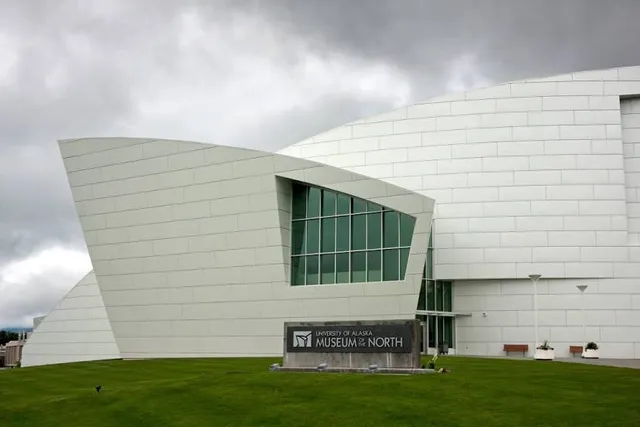
Museum of the North
1962 Yukon Dr, Fairbanks, AK 99775
4.6(952)
Open until 5:30 PM

tickets
Save
spot
spot
Ratings & Description
Info
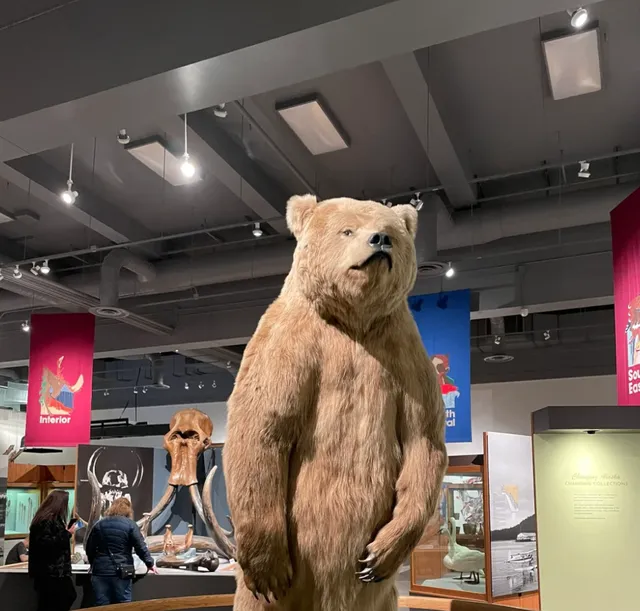
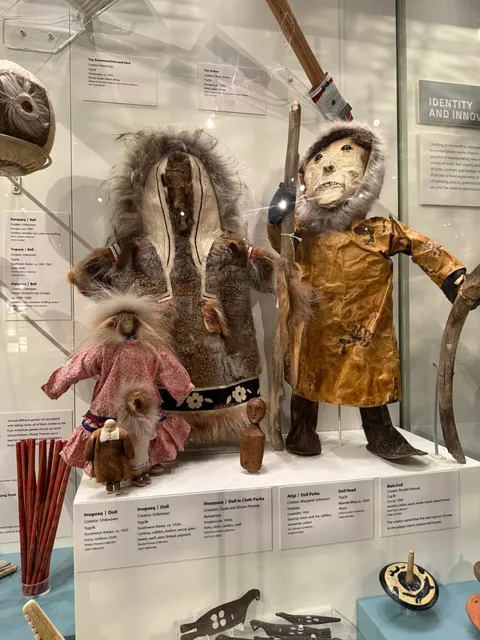
The University of Alaska Museum of the North is a cultural and historical museum on the University of Alaska Fairbanks campus.
Cultural
Scenic
Family friendly
Accessibility
attractions: UAF Trail System, Georgeson Botanical Garden, restaurants: Nanook Bagel Co., Subway, Arctic Java, The Pub - UAF, Dine 49, Fuse, local businesses: Alaska Range Overlook, William Ransom Wood Campus Center, 2160 N Koyukuk Dr
 Learn more insights from Wanderboat AI.
Phone
(907) 474-7505
Website
uaf.edu
Open hoursSee all hours
Thu9 AM - 5:30 PMOpen
Plan your stay

Pet-friendly Hotels in Alaska
Find a cozy hotel nearby and make it a full experience.

Affordable Hotels in Alaska
Find a cozy hotel nearby and make it a full experience.

The Coolest Hotels You Haven't Heard Of (Yet)
Find a cozy hotel nearby and make it a full experience.

Trending Stays Worth the Hype in Alaska
Find a cozy hotel nearby and make it a full experience.
Reviews
Live events

A Community Concert Featuring David Banner
Fri, Feb 20 • 8:00 PM
1485 30th Avenue Fairbanks, AK 99701
View details

WINTER EDITION: Steel Pans
Mon, Feb 16 • 5:00 PM
Music Room, 407 1st Ave, Fairbanks, AK 99701-4722, United States
View details

Galentines Sugar Cookie Decorating Class x Forever Linked
Thu, Feb 19 • 6:00 PM
771 Badger Road North Pole, AK 99705
View details
Nearby attractions of Museum of the North
UAF Trail System
Georgeson Botanical Garden
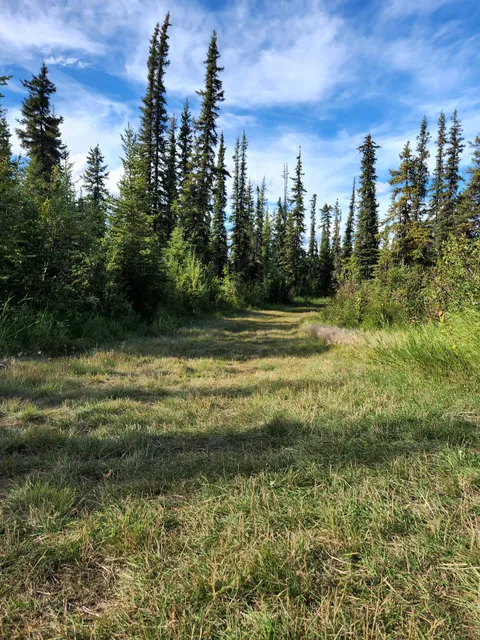
UAF Trail System
4.8
(43)
Closed
Click for details
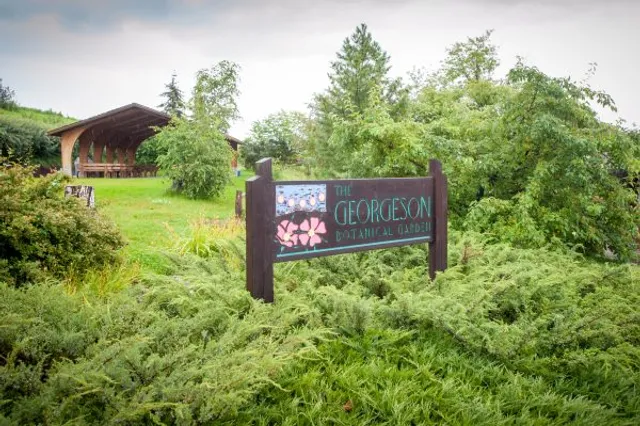
Georgeson Botanical Garden
4.7
(335)
Open until 8:00 PM
Click for details
Nearby restaurants of Museum of the North
Nanook Bagel Co.
Subway
Arctic Java
The Pub - UAF
Dine 49
Fuse

Nanook Bagel Co.
4.0
(1)
Closed
Click for details

Subway
3.8
(25)
$
Open until 10:00 PM
Click for details
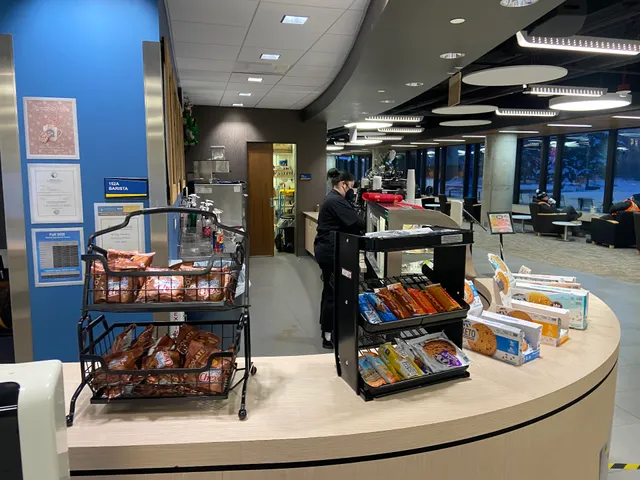
Arctic Java
4.0
(51)
$
Open until 6:00 PM
Click for details
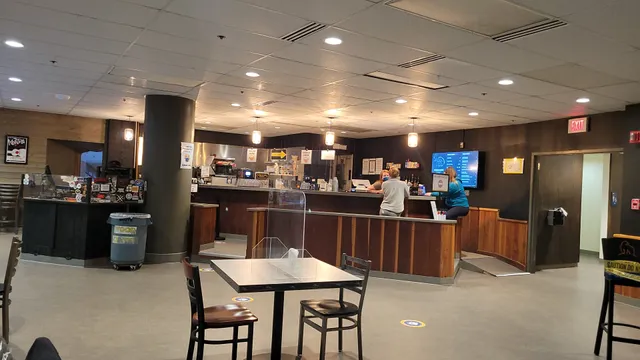
The Pub - UAF
4.6
(20)
$
Open until 11:00 PM
Click for details
Nearby local services of Museum of the North
Alaska Range Overlook
William Ransom Wood Campus Center
2160 N Koyukuk Dr
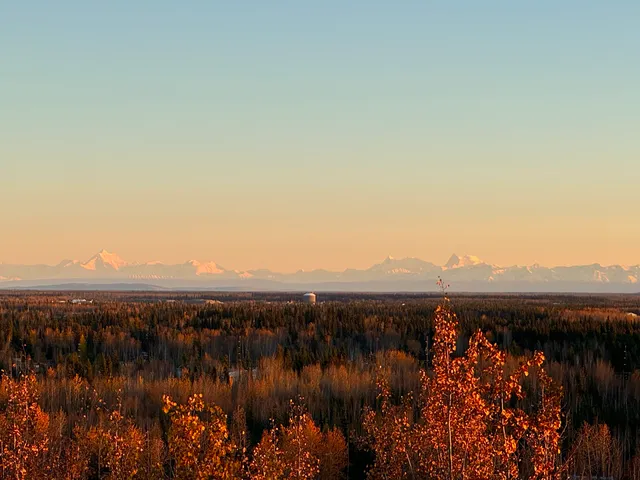
Alaska Range Overlook
4.7
(28)
Click for details
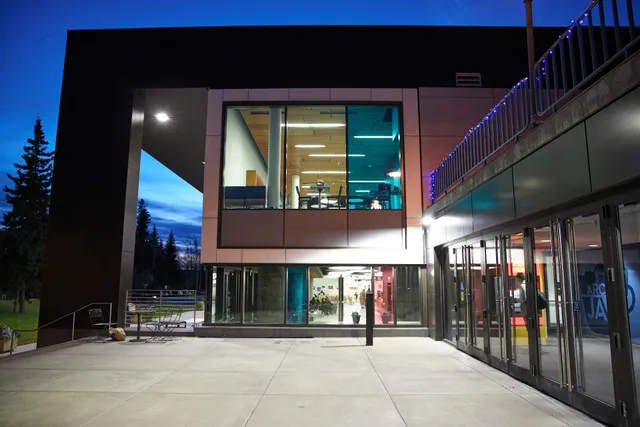
William Ransom Wood Campus Center
4.0
(67)
Click for details

2160 N Koyukuk Dr
4.3
(12)
Click for details