Jefferson Davis Presidential Library things to do, attractions, restaurants, events info and trip planning
Basic Info
Jefferson Davis Presidential Library
2244 Beach Blvd, Biloxi, MS 39531
4.6(699)
Closed

tickets
Save
spot
spot
Ratings & Description
Info
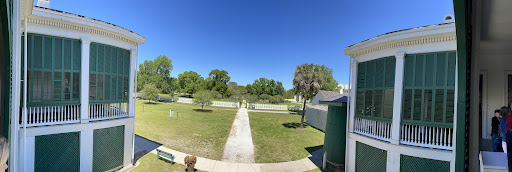
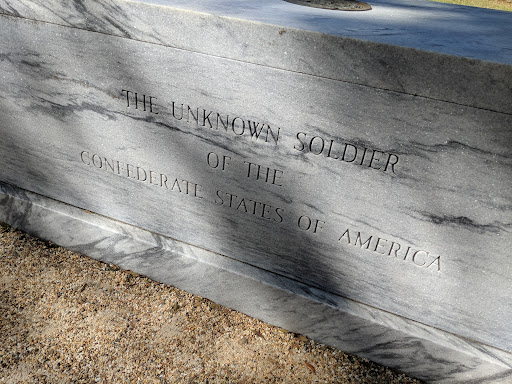
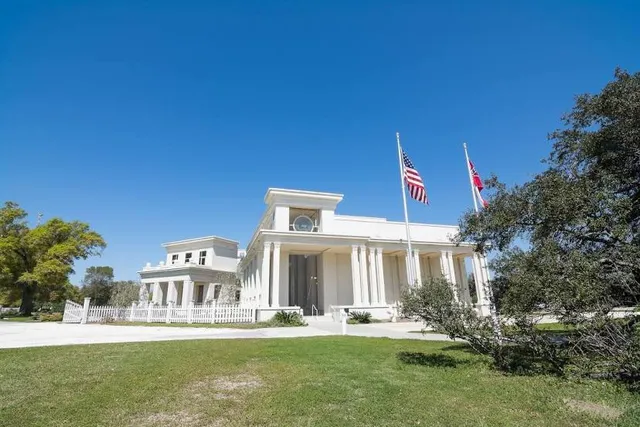
The Jefferson Davis Presidential Library and Museum is the library of Jefferson Davis, President of the Confederate States of America from 1861 to 1865. Designed by Larry Albert of Albert & Associates Architects, the library is located within the Beauvoir historical site in Biloxi, Mississippi, United States.
Cultural
Accessibility
attractions: Beauvoir, Mississippi Coast Coliseum and Convention Center, Coastal Mississippi, Escape This (Escape Rooms), Broadwater Beach Marina Light, Get Wet Inc., restaurants: Waffle House, Taco Bell, local businesses: Beauvoir (Biloxi, Mississippi), Coliseum Pier, The Lighthouse, Maison D'Orleans Apartment Homes, Furniture Galore & More, BattleBox Games
 Learn more insights from Wanderboat AI.
Phone
(228) 388-4400
Website
visitbeauvoir.org
Open hoursSee all hours
Wed9 AM - 5 PMClosed
Plan your stay

Pet-friendly Hotels in Biloxi
Find a cozy hotel nearby and make it a full experience.

Affordable Hotels in Biloxi
Find a cozy hotel nearby and make it a full experience.

The Coolest Hotels You Haven't Heard Of (Yet)
Find a cozy hotel nearby and make it a full experience.

Trending Stays Worth the Hype in Biloxi
Find a cozy hotel nearby and make it a full experience.
Reviews
Live events

Gulfport-Biloxi FIND YOUR VALENTINE SPEED DATING Singles 30s/40s ♥ MS
Fri, Feb 13 • 7:00 PM
2711 14th St. Gulfport, MS 39501
View details

You were made for me
Sat, Feb 14 • 7:00 PM
100 Perry Street Gulfport, MS 39507
View details
Candlelight: Tribute to Fleetwood Mac
Sat, Feb 14 • 6:45 PM
246 Dolan Avenue, Gulfport, 39507
View details
Nearby attractions of Jefferson Davis Presidential Library
Beauvoir
Mississippi Coast Coliseum and Convention Center
Coastal Mississippi
Escape This (Escape Rooms)
Broadwater Beach Marina Light
Get Wet Inc.
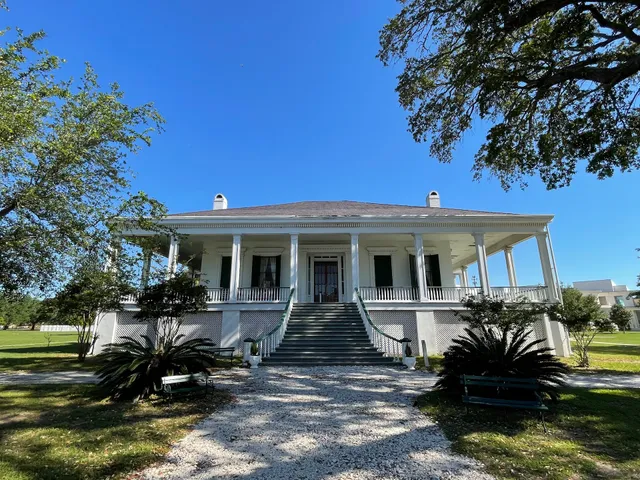
Beauvoir
4.6
(329)
Closed
Click for details
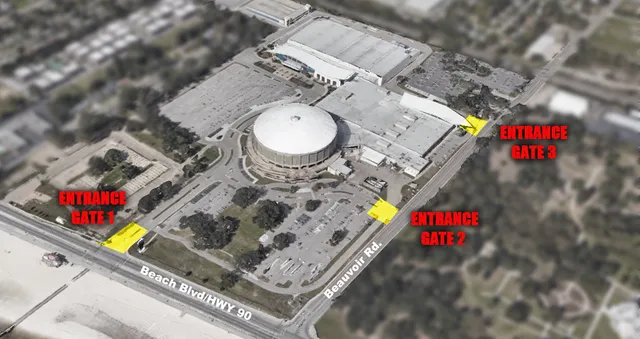
Mississippi Coast Coliseum and Convention Center
4.4
(1.8K)
Closed
Click for details
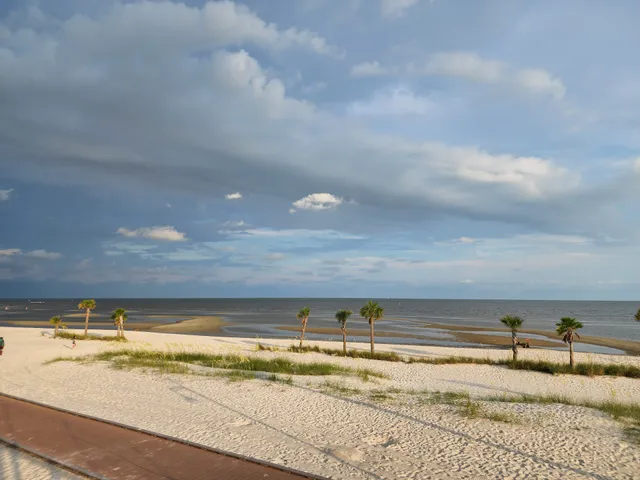
Coastal Mississippi
4.5
(45)
Closed
Click for details
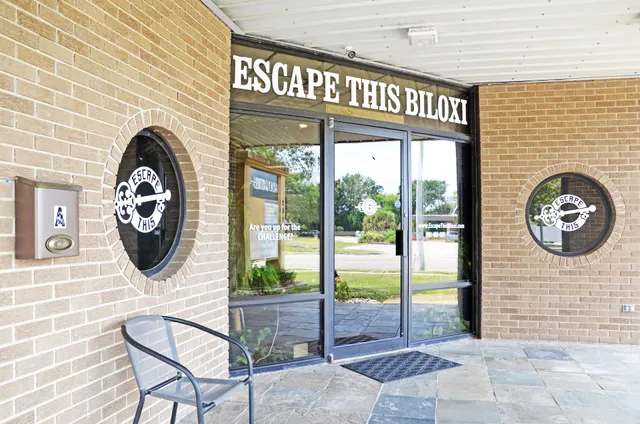
Escape This (Escape Rooms)
4.8
(298)
Open 24 hours
Click for details
Nearby restaurants of Jefferson Davis Presidential Library
Waffle House
Taco Bell
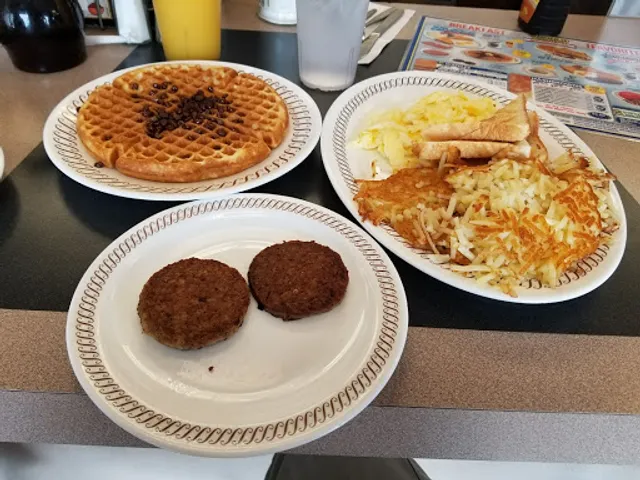
Waffle House
4.3
(445)
$
Open until 12:00 AM
Click for details
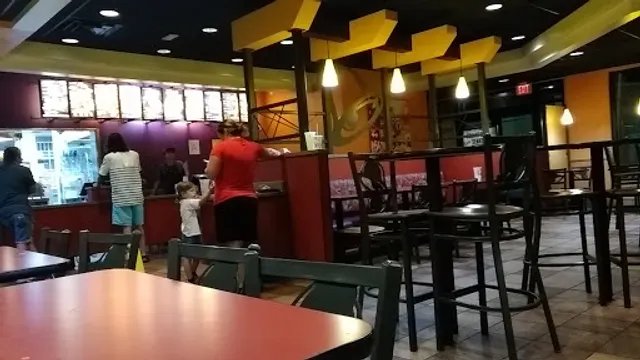
Taco Bell
3.5
(599)
$
Closed
Click for details
Nearby local services of Jefferson Davis Presidential Library
Beauvoir (Biloxi, Mississippi)
Coliseum Pier
The Lighthouse
Maison D'Orleans Apartment Homes
Furniture Galore & More
BattleBox Games
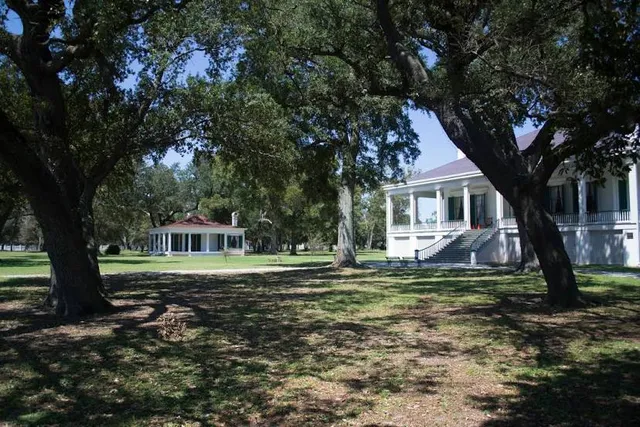
Beauvoir (Biloxi, Mississippi)
4.7
(228)
Click for details
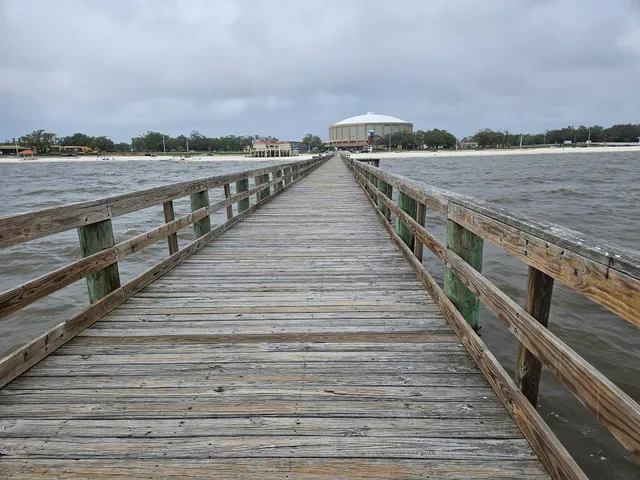
Coliseum Pier
4.1
(12)
Click for details
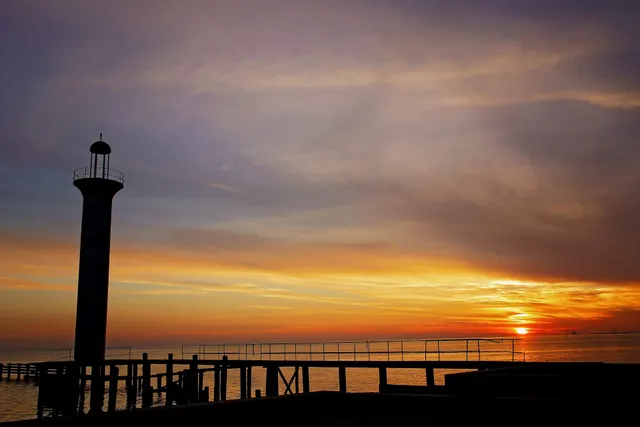
The Lighthouse
4.4
(110)
Click for details
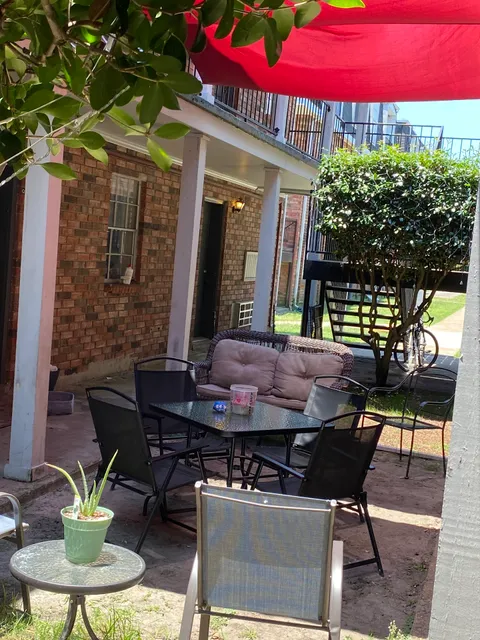
Maison D'Orleans Apartment Homes
3.0
(100)
Click for details