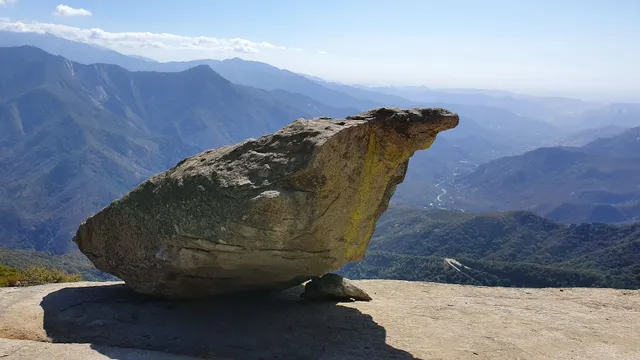
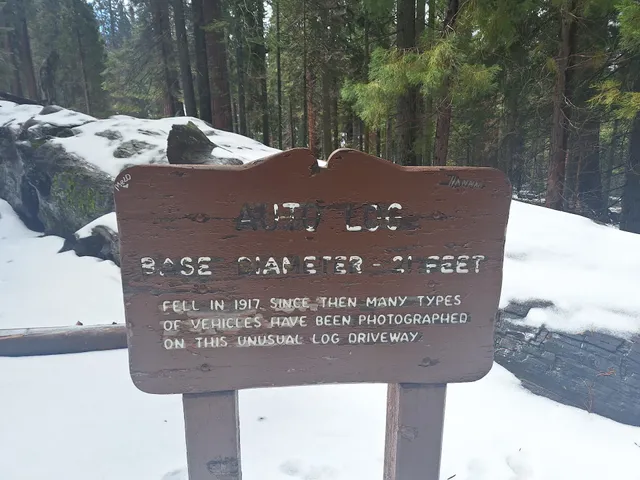
Moro Rock offers an important overlook of Sequoia National Park and the surroundings. Considering the roadway to this location features many instances of dead and dying forests, with so much of the vegetation having been burned and deprived of rain in recent years, it is obvious everything around is thirsting and struggling for life. This photographed information board attempts to dishonestly explain away the blatant particulate pollution suffocating this formerly beautiful location in California, as there is zero mention of the orchestrated climate engineering causing and exacerbating the drought, wildfires, and contamination of all living organisms in this area. Even while visiting, we humans can feel the dryness of the air, and feel our respiratory systems affected, yet very few seem to care or wonder why.
When we have a complex system of radio transmitters and ionospheric heaters at supposed atmospheric and meteorological stations and military bases all along the Pacific Ocean coastline, actively microwaving and denying precipitation from reaching southern California, we have a serious problem. When we have countless commercial and military aircraft polluting everything in our environment, while releasing numerous different chemicals and metals into our breathable air column, that also serve as surfactants and desiccants, and eventually reach the surface and water sources, we again have a serious problem. This board's messaging is a disservice to mankind - it is not truthful, and it serves only to further socially engineer the uninformed Americans and other visitors to this location, failing to provide an honest explanation of what they and the surrounding, dying forests are experiencing.
Being someone who has traveled to dozens of different countries, exactly as someone else reading this might also be aspiring for, we should all be attentive to the natural world that enables life on this planet. We need to take note of what is happening, and why, while putting aside our biases and programming, and instead question any narrative we're expected to believe in, by the individuals, organizations, and institutions that do not care about our well-being. Our forests, our health, our food supply, and so much more are being intentionally destroyed; we will all suffer the consequences, and we will all be to blame, if we do not make the effort to investigate what is happening, help alert others, and actually try to stop this insanity once...
Read moreMoro Rock Trail in Sequoia National Park is a short but exhilarating hike that delivers some of the most dramatic views in California’s Sierra Nevada.
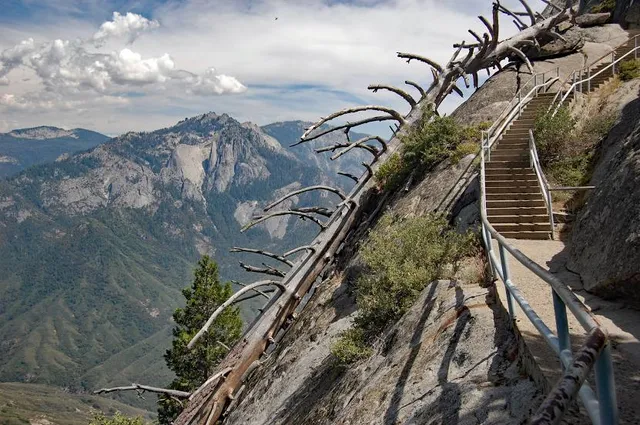
The trail itself is a concrete and stone stairway, climbing over 350 steps up the face of a massive granite dome. Though the distance is less than half a kilometer, the rapid elevation gain-about 250 to 300 feet-means the climb can be strenuous, especially at high altitude. The stairway is narrow in places and can become congested, so patience is needed as you ascend.
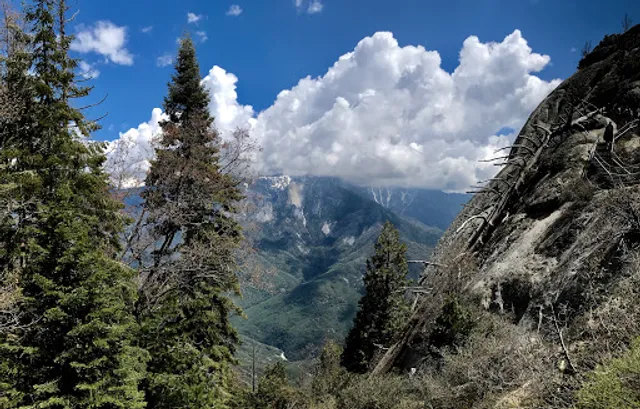
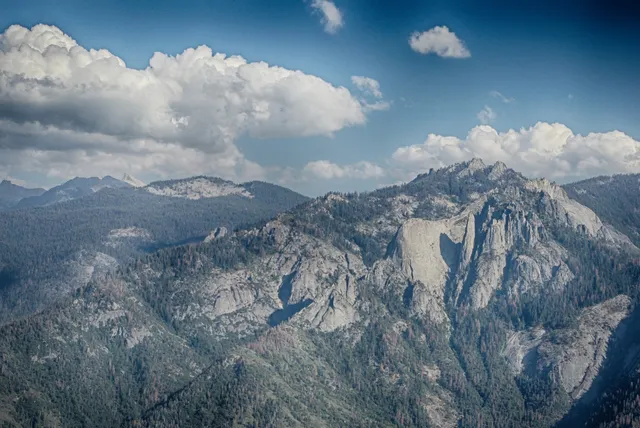
The journey up is marked by a series of switchbacks and viewing platforms, each offering increasingly expansive vistas. Early on, the forest canopy falls away, revealing the peaks of the Great Western Divide and the San Joaquin Valley stretching out to the west. As you climb higher, the views become truly panoramic, culminating at the summit, which stands at 6,725 feet above sea level. On a clear day, you can see deep into the wilderness to the east and, if you know where to look, even spot the summit of Mt. Whitney.
Around Moro Rock in Sequoia National Park and the nearby Morro Bay area, visitors can spot a diverse range of wildlife. On land near Moro Rock, animals like gray foxes, bobcats, skunks, black bears, and various small mammals such as woodrats and pocket gophers inhabit the region. Birdlife is notable, with peregrine falcons nesting on the rock itself, along with other birds of prey like hawks and eagles soaring nearby.
Safety is a consideration throughout the hike. Handrails line the stairway, but the trail is exposed with steep drop-offs, so close supervision of children is essential. The steps can be slippery when wet, and the trail is closed in winter due to snow and ice hazards. During peak summer weekends, access is by free shuttle from the Giant Forest Museum, as the road closes to private vehicles and parking is limited.
The best times to visit are early morning or late afternoon to avoid crowds and to experience the magical light of sunrise or sunset. The summit rewards the effort with 360-degree views that are among the finest in the park, making the Moro Rock Trail a must-do for visitors seeking both adventure and...
Read moreOne of the attractions that we enjoyed must in Sequoia National Park was Moro Rock, located in the Giant Forest Grove.
This is a granite dome rock formation that you can visit by way of a short loop trail from the Crescent Meadow Road. The trail starts 1.7 miles from the Giant Forest Museum and large carpark there.
Upon reaching Moro Rock, there is a 350 staircase designed by the Civilian Conservation Corps (CCC) in the 1930s. The Moro Rock Stairway cuts into the rock and winds its way upward skirtings the sides and zigzagging its way until you reach the top of Moro Rock. There are side rails so it is plenty safe as long as you climb responsibly. Do take much caution when this trail and staircase is wet or has ice.
Interestingly, the Moro Rock Stairway is so unique and genuinely effective that it was formally recognised as a Historic Landmark and added to the National Register of Historic Places in the United States in 1978.
Once you reach the top of Moro Rock, you are afforded remarkable views of the valley and foothills below. If sky conditions are good, you'll see numerous peaks of the Sierra Nevadas to the east. Not much room at the top if there are many tourists but most seem to only stay for a few minutes before making their way back down so if patient, you'll have plenty opportunity for unobstructed photos that you want from atop Moro Rock.
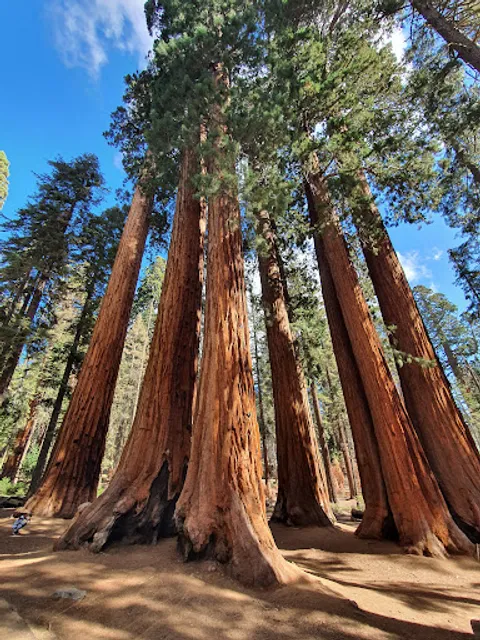
Other interesting things to see if you plan to take the Moro Rock Trail is Auto Log, the felled sequoia that cars were driven upon for pictures in the early 20th century, the Parker Group of Sequoias and the famous Tunnel Log, a bit further down Crescent Meadow Drive. This is the famous log that you can drive your...
Read more