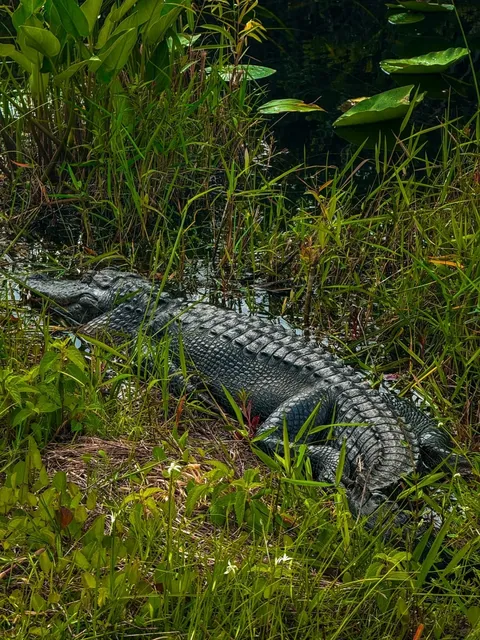
Everglades National Park, The River of Grass, is one of the most significant ecosystems not only in the United States but the whole world. There are many that don’t see the beauty or simply drive over the park on US 41 and don’t see the beauty that is beholding them as they glide by to Miami or Naples.
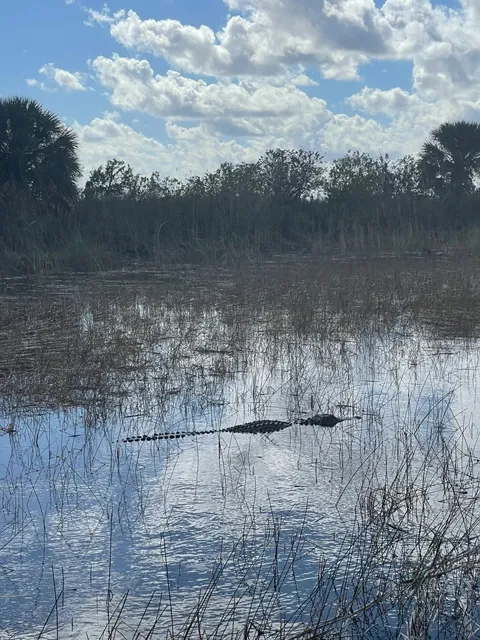
The river of grass is indeed what this park is, a almost still like river that is always flowing ever so slowly to reach it’s point into the Gulf of Mexico. Take a look even from US 41 while driving what you see is miles of grass and water. With Hammocks (Which are little islands in the middle of the glades) that are rich tropical forests that are deep in history, but also of some many species that come together to live in this mysterious place of the world.
A lot of this park is hard to fully explore as seeing these Hammocks would require a canoe in the wet season or traveling by foot in the dry season. However, there are three true entrances into the park for the public to fully enjoy.
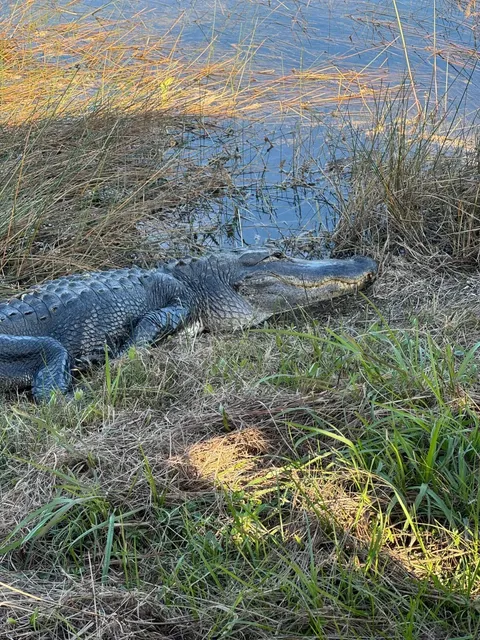
The main entrance resides in Homestead. Called State Highway 9336 this road is a nearly 40 miles long that goes from the main entrance all the way to the tip of Florida called Flamingo where there is a small visitor center. At the main entrance is a decent size visitor center that shows the species that live in this place and also a short video of the Everglades. With a decent size gift shop. Off this road you can drive to the Royal Palm Hammock that is the easiest and best example that makes these Hammocks so special. A short mile trail, as well as a boardwalk that overlooks the river of grass, is a good place to see alligators and the occasional Crocodile. Off 9336 as well is many small trails that are all great examples of many different small ecosystem that are in this park from the pine forest, to the grass/glades themselves and also of small river that run through the park. You can also rent a boat or kayak at Flamingo to go deeper in the glades to explore the true wilderness this place is.
The second entrance is called Shark Valley which has a Miami address is a small visitor center with bike rentals and a shuttle to take a long 15 paved loop to the overlook of the Everglades. This wonderful small entrance that while limited is worth it for people that want to see the vastness of the Everglades from afar.
The third entrance is located in Everglades City called Gulf Coast is a canoe/kayak/boat launch point to explore the ten thousand islands side of the Everglades. There is also boat tours that the National Park gives from this entrance as well. A small visitor center is located here as well. This side is more water based but also very much worth it if you are a water person or an adventurous person that wants to take in the park with fewer people and also explore the labyrinth that is the ten thousand islands. This area of the park is maze like, possibly more mysterious than the other areas of the park, but also is a true tropical wilderness that seems to go for miles. Also recommended on this side of the park is the local airboat rides in town that will glide you through this area of the park to truly see how vast this maze is.
There is much to say about the Everglades National Park and why i believe this is one of the true special places of the world. But when i realized i was in a one of a kind place was when i pulled off randomly at a boardwalk stopping point off of 9336. I walk a little and simply looked into the still water. In this water was all kinds of small species, fish and the river of grass itself. I was left amazed and moved that this is possibly the most alive place that i had ever been or have seen. This is a must for National Park fanatics, nature fans and is a true world class destination for outdoor lovers at least once...
Read moreType II Fun (recreation that might not seem like fun while its happening, but in retrospect was the time of your life).
Everglades National Park is wholly underrated. Most of its vastness is inaccessible, but that shouldn't prevent you from exploring what you can, whether that be on foot along myriad natural trails (some of which are wholly submerged in crystal clear ankle deep water), from the comfort of a back-country tour boat, or on a kayak (rent one or bring your own).
My adventure this time around called for a three day kayak tour along the southern coastline. You'll need a $25 permit to camp on any of the "campsites" in the back-country (a one time fee, not per night). I chose to launch from the old walk-up campground, next to the Eco (glamping) tents at Flamingo. Plenty of free parking and there are toilets and solar heated showers close by.
I had planned the first night at East Clubhouse Beach which should have been an easy 3 mile paddle, but an exceptionally low spring tide left only inches of water over the mud flats just west of Flamingo (marina), which put me way behind schedule. Patience for the rising tide was rewarded with a rare visit from two flamingos who were masquerading as spoonbills.
By sunset, I had not made it to East Clubhouse. Camping away from designated campsites is not allowed under park rules, but I was out of options. Curry Key offered a tiny sanctuary - a narrow beach with barely enough room to sling a hammock above the tide line (certainly not enough room for even the smallest of tents). Sleeping in a hammock under the stars and awaking to ocean vistas on both sides did not suck. The tide had risen almost 4 feet during the night, but my little spit of heaven remained high and dry.
Mosquitoes can get really bad on the Everglades coast, especially if the wind is light, or if it blows out of the North. I experimented with repellent sticks (rather than a Thermacell) on this trip; I was pleasantly surprised.
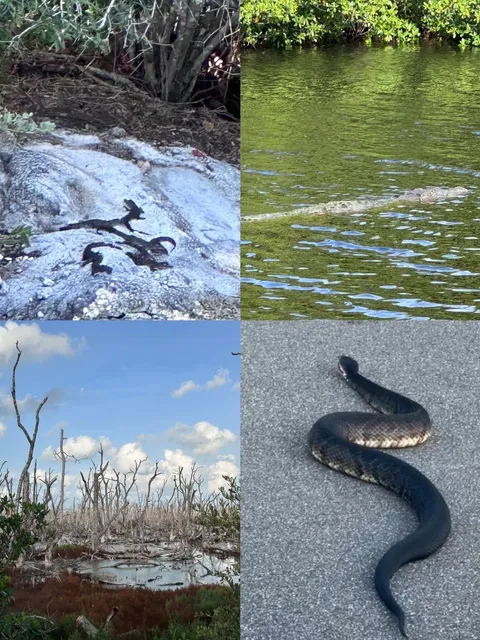
Day two was a leisurely paddle along the coast to Cape Sable, with the occasional detour inland on a quest to find the American Crocodiles; THEY found me. Encountering these surprisingly timid beasts (from a kayak) was a highlight of the trip.
Cape Sable was bleak and unimpressive; it was covered in tidal trash, mostly old rope, fishing nets and broken crab pots. The beach above the tide line was mostly sharp shells with very little sand. I had intended to pitch a tent, but the shell rock combined with obvious evidence of crocodile trails out of the northern swampland persuaded me to again opt for my hammock. Mosquitoes were not a problem in the evening, but the stillness of the morning air brought out the biting sand flies.
Beware: A spring tide with a westerly wind will push the ocean over the top of the beach crest, which can flood some of the flat camping areas.
Sunburned (in spite of generous applications of sunscreen) and sore, but exhilarated -...
Read moreEmbracing Nature's Symphony: Everglades National Park at Flamingo, Florida
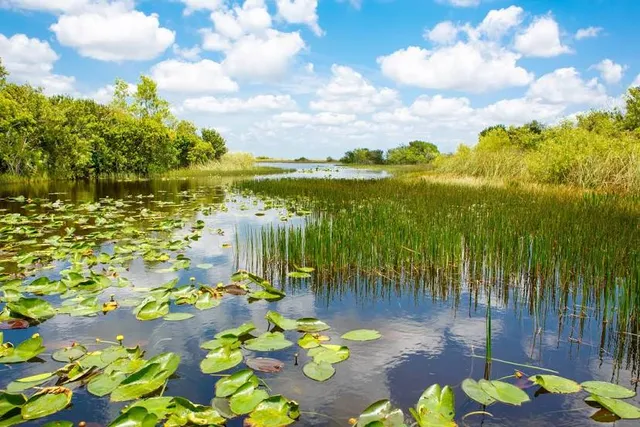
Our journey into the heart of Everglades National Park was a captivating exploration of one of Florida's most iconic landscapes. Setting foot at the Flamingo Marina and the Guy Bradley Visitor Center, we eagerly embarked on an adventure that would immerse us in the park's rich biodiversity.
Guided by Ranger J Ehlers, who recently joined the park from another Western reserve, we set out on a bird-watching stroll, eager to discover the avian treasures of the Everglades. While Ranger Ehlers was still acquainting himself with Florida's native species, his dedicated team of experts seamlessly filled the gaps, enriching our experience with their knowledge and passion for birding.
From the vibrant cardinals and mockingbirds to the graceful ibis and plovers, every sighting was a testament to the park's ecological richness. Even the elusive Lil Blue heron, playing hide and seek amidst the mangroves, couldn't evade the keen eyes of our experienced guides.
As we ventured further into the park, the harbor revealed a heartwarming scene of osprey nurturing their triplet chicks. It was a glimpse into the circle of life in the Everglades, where parental care and natural instincts harmonized in perfect balance.
Our journey continued with a backcountry cruise through the mangrove canals, where we marveled at the diversity of life thriving in these brackish waters. Despite recent challenges, such as the temporary closure of kayak tours due to safety concerns, our guides ensured a safe and enriching experience, highlighting the resilience of both the park and its dedicated staff.
Leaving the Everglades behind was bittersweet, but our hearts were filled with memories of an unforgettable adventure. Our visit wasn't just a birding expedition; it was a journey into the soul of a unique ecosystem, where every moment was a celebration of nature's wonders.
For fellow travelers seeking an immersive experience in one of America's most cherished national parks, Everglades National Park offers a symphony of sights and sounds that will leave you enchanted and inspired.
Thomas Corrao Stray...
Read more