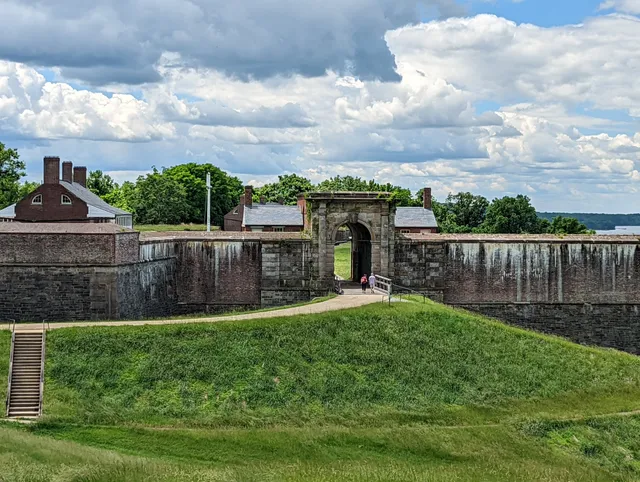
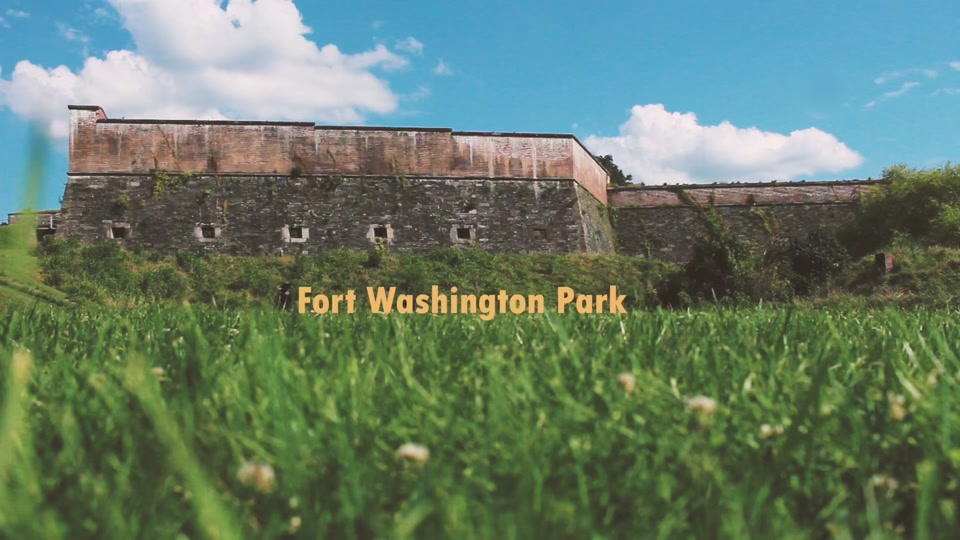
I am a writer and photographer for National Park Planner and I visited Fort Washington Park in May 2016. The park is located in Fort Washington, Maryland, just south of Alexandria on the Potomac River. It preserves the site of a brick fort that was constructed between 1814 and 1824, plus a number of concrete artillery batteries built in the 1890s. The fort is open to the public for self-exploration, and Ranger-guided tours are given throughout the year, though the schedule varies per season. A few of the batteries are also open, though some require a hike to reach.
Fort Washington Park was actually created by Congress in 1930 for the purpose of becoming the terminus for the George Washington Parkway, but that never happened. No public grounds were available until after World War II. Throughout the 1930s the fort and grounds were used as housing for the 12th Infantry, the honor guard for Washington D. C. It wasn’t until 1939 that the fort was turned over to the Department of Interior, but it was pressed back into action during World War II. After the war it was decommissioned for good and transferred back to the National Park Service, at which time the grounds were opened to the public. Since 1965, Fort Washington Park has been a unit of the National Capital Parks-East, a collection of National Park properties extending from the US Capitol to the suburbs of Maryland.
While the park draws tourists coming to the Washington D. C. area who are interested in history, the large majority of visitors each year are local residents who use the park for recreational activities. Only a small percentage of visitors ever set foot in Fort Washington. By far the most popular activity is picnicking, and the park is home to eight large picnic areas that accommodate more than 100,000 people each year who come for family reunions, corporate outings, and church functions. A survey showed that most people think of Fort Washington Park only as a picnic facility and don’t even know that it is part of the National Park system or that it is significant to the history of the United States.
Other recreational activities include hiking, biking, and fishing. There are also a number of large, nondescript fields throughout the park that are open to field sports of any type—soccer, softball, volleyball, football, etc. No need to reserve them; if they are open, start playing. At nearly 350 acres, Fort Washington Park is one of the largest public green spaces in Prince George’s County.
For complete information about visiting Fort Washington Park and plenty of photos, see National Park...
Read moreOn a simmering summer day, my boyfriend and I were driving along GW Parkway when we stopped at an overlook and saw Fort Washington across the river. Neither of us knew there was a fort so close to DC, and we decided to venture over to Maryland to check it out.
Fort Washington was the only permanent fortification built to defend the river approach to DC. It was destroyed by its own garrison in the War of 1812 to prevent the British from capturing and occupying it, and the fort was rebuilt 10 years later. Now it's one of the few seacoast forts in its original design.
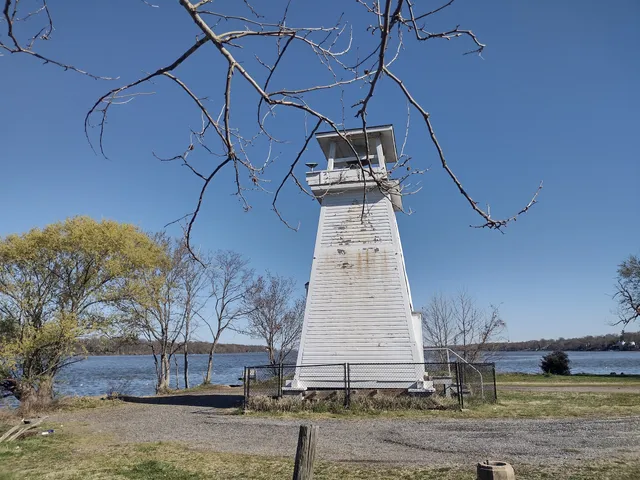
You can walk around the historic fort and the visitor center. The views are spectacular from the top, as you can see the Potomac River, the Wilson Bridge, and some of DC. There is also 3-mile trail that follows the perimeter of the park. There's quite the deer population in the park, and I actually saw a family of them on the way out. There are also groundhogs, turtles, and birds roaming around. In front of the fort is Fort Washington Lighthouse, which is actually still in use today. Each year the Chesapeake Chapter of the United States Lighthouse Society host the Maryland Lighthouse Challenge and the interior of the lighthouse is opened up to visitors. There are also historic reenactments at the fort, like artillery demos, which give you a more-in-depth glimpse into Fort Washington's history.
After visiting the fort, a lot of folks will picnic in the park. You can reserve picnic areas online or by phone. You can also go fishing by the water. All in all, it's a relatively unknown historic area with fantastic views of the Potomac, trails for walking/running, and picnic areas for gatherings.
$5 per vehicle for a 3-day pass or $20 annual pass. Great spot for...
Read moreWe were really excited to take our daughters here for the Junior Ranger program but we were a little turned off by the care of the park. This is one of two National Parks we've visited that seemed to not be taken care of well at all. The first one was also in Prince George's County, Maryland and I'm wondering if National Parks in that area do not have good funding?
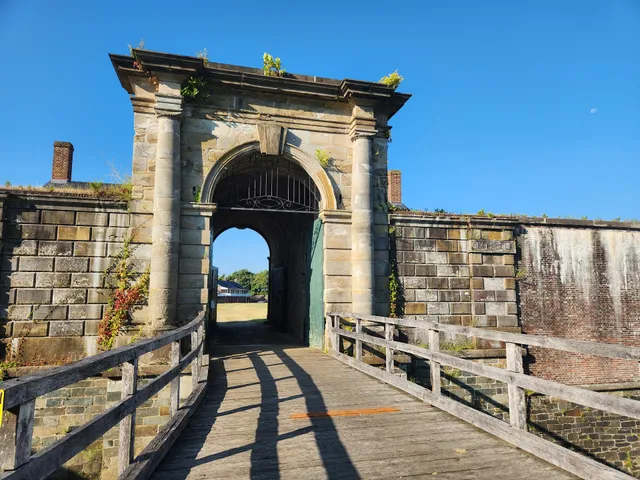
The grass was overgrown and trash bins were overflowing with trash laying on the ground. The fort itself is a gorgeous testament to the history of America and there is a beautiful view of the river from the top. The location is just amazing! What was sad was that this amazing piece of history is so badly taken care of. It looks like it's in complete disrepair. The gate to the fort is overgrown with vines, weeds, and mildew. There are two parts inside the fort where you can walk down and explore multiple stone casement bunks. The cement stairs leading to them are fully overgrown with weeds as high as my hips (I'm 5'7). The bunks beds are completely destroyed and look more like trash. In the fort gates are two rooms that are infested with bugs and spiders. One of the ceilings in one of the rooms has a huge hole and is falling a part. This place is in bad need of repair and refurbishment. It's really sad to see a National Park, much less a piece of American history so close to Washington DC, in such bad shape. I've never been to a National Park in this bad of shape. We went on a weekend and never saw a ranger anywhere. It is worth the visit because it's such a fascinating piece of American history and the view is gorgeous. Really wishing the NPS gets some funding to restore this place to the magnificent place...
Read more