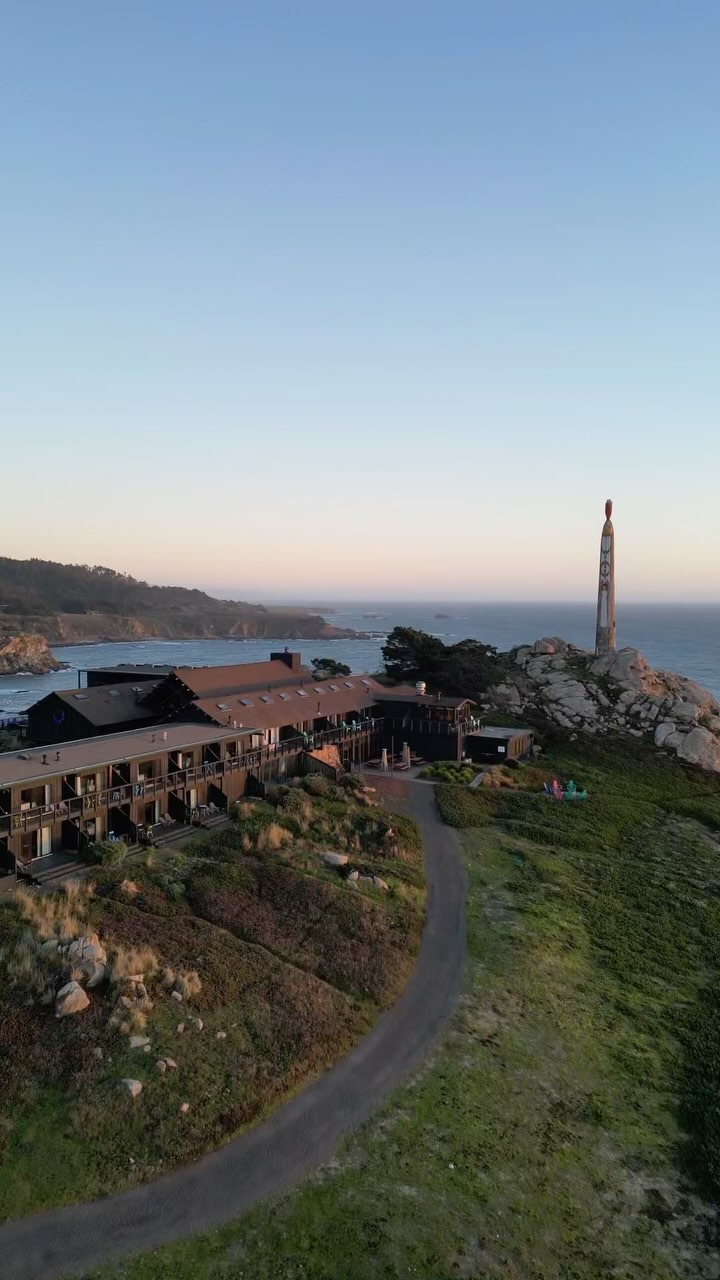
Fort Ross, situated along the picturesque coastline of northern California, holds a significant place in the region's history as a testament to early Russian-American colonization and the cultural exchange between Russia and Native American communities.
Established in 1812 by the Russian-American Company, Fort Ross served as a trading outpost and agricultural settlement. The site's strategic location allowed for the trade of goods between Russia, Alaska, and the Spanish colonies in California. The fort played a pivotal role in the fur trade, with sea otter pelts being a valuable commodity.
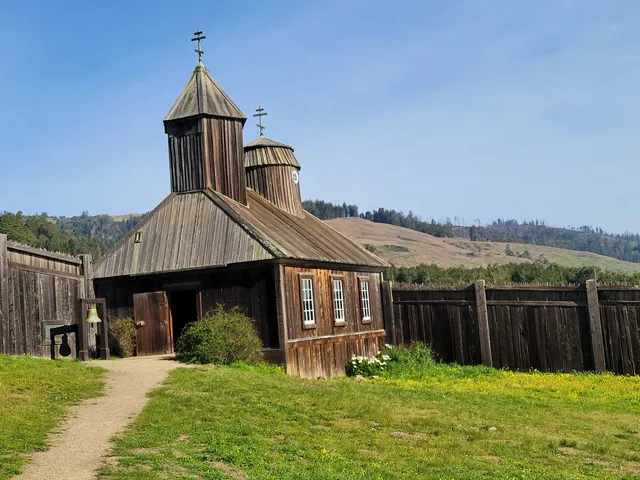
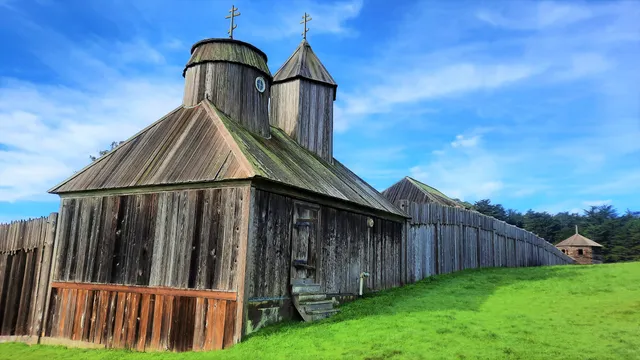
The fort's architecture reflects a blend of Russian and indigenous design elements, with distinctive log structures and a wooden stockade surrounding the settlement. Within the fort's walls, various buildings served as living quarters, storage facilities, and workshops.
Beyond its economic significance, Fort Ross became a site of cultural interaction and exchange. The Russian settlers interacted with the local Kashaya Pomo people, fostering relationships and sharing knowledge in areas such as agriculture, language, and crafts. This cultural fusion is evident in the art and artifacts displayed at the Fort Ross State Historic Park today.
Fort Ross stands as a testament to the resilience of early settlers and their ability to adapt to new environments. It provides a glimpse into the complex history of California and the diverse cultures that shaped it. Today, visitors can explore the reconstructed fort, walk along the scenic coastal trails, and learn about the intertwined histories of Russia, Native Americans,...
Read moreWe all enjoyed our visit to this 200 year old, well preserved Russian military and civilian fort and outpost.
The complex - large bare wood and imposing buildings surround by heavy, tall fences - fits perfectly with the setting: a huge windswept prominence perched along the rocky, winding north California coastline.
I was surprised how it remained so well maintained and learned it was because the property had been purchased by a single dedicated family over a hundred years ago. Fortunately they kept it in good enough repair that it survives till today.
It seems on the face of it to be not worth seeing. What could be so interesting about an old abandoned wood fort? Well let me tell you: the thing I liked the most was the way it seemed to be a living place. It felt as though the inhabitants had just stepped away from their kitchens and rooms, barracks and horse liveries, ammunition depots and lookouts.
The site is scrupulously clean and austere. The grounds and surrounding gardens and trails are kept up in a first rate manner.
Probably the cleanliness and orderliness comes from the fact that you can't buy food or tourist paraphernalia. We had a need to eat food and buy chatchkees (Russian tourist memoribilia) and satisfied that by stopping at a...
Read moreFort Ross was a highlight of our recent day trip from Bodega Bay. The drive along Highway 1 was breathtaking, with stunning coastal views and winding roads that made for an adventure in itself.
The fort itself is rich in history, offering a glimpse into the Russian settlement that once thrived along this stretch of California’s coast. Walking through the reconstructed buildings, including the chapel and wooden stockade, gave us a real sense of life in the early 1800s. The visitor center had excellent exhibits on Russian exploration, trade, and interactions with the local Kashia Pomo people.
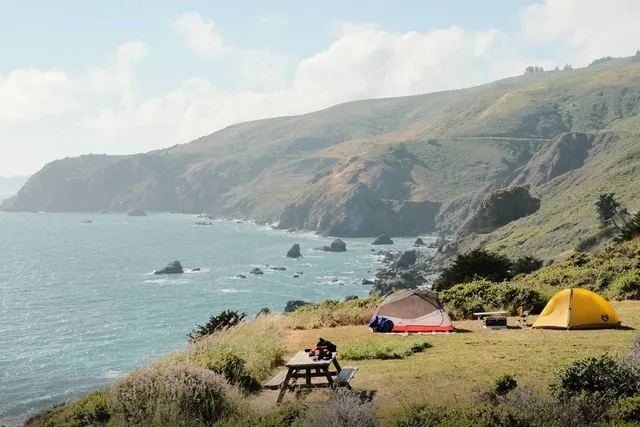
One of our favorite parts was the beautiful walk down to the ocean. The trail winds through lush coastal terrain and opens up to a stunning view of the Pacific. We spotted seals lounging on the rocks and enjoyed the peaceful, rugged beauty of the shoreline. The weather was cool and breezy—perfect for exploring.
If you’re in the Bodega Bay area, Fort Ross is well worth the visit. It’s a great mix of history, nature, and incredible scenery, making for a...
Read more