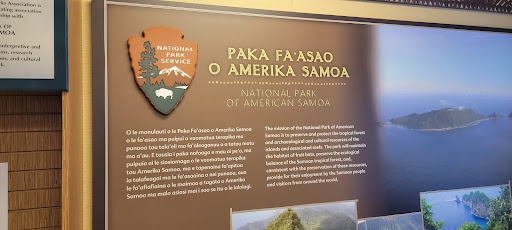
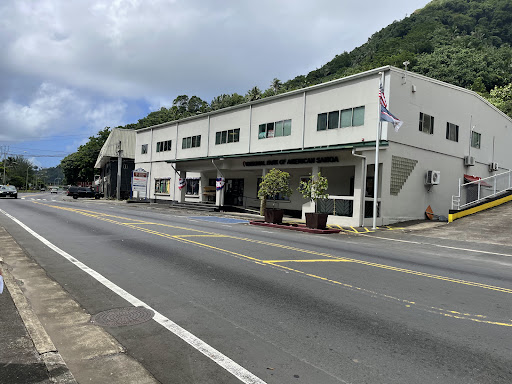
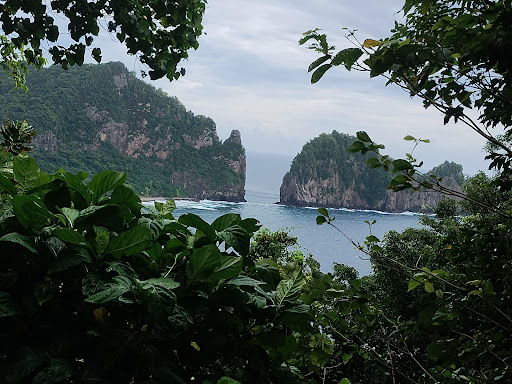
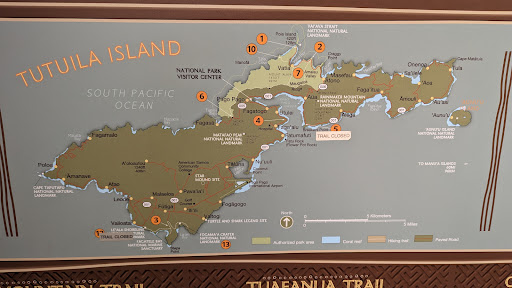
National Park of American Samoa Visitor Center things to do, attractions, restaurants, events info and trip planning
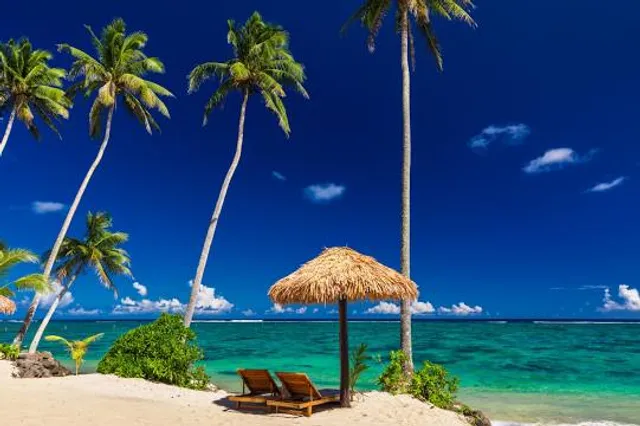
Basic Info
National Park of American Samoa Visitor Center
P8G3+66M, Rte 001, Fagatogo, Eastern District 96799, American Samoa
4.8(52)
Closed
Save
spot
spot
Ratings & Description
Info
Cultural
Outdoor
Family friendly
Accessibility
attractions: American Samoa Visitors Bureau (ASVB), restaurants: Paradise Pizza, Emelio's Restaurant, Billy's Burgers Beer, Matai Restaurant, Tumu's Fale Coffee, local businesses: Pago Plaza, Super M, Fagatogo Square
 Learn more insights from Wanderboat AI.
Phone
+1 684-633-7082
Website
nps.gov
Open hoursSee all hours
Wed8 a.m. - 3 p.m.Closed
Plan your stay

Pet-friendly Hotels in Maʻopūtasi County
Find a cozy hotel nearby and make it a full experience.

Affordable Hotels in Maʻopūtasi County
Find a cozy hotel nearby and make it a full experience.

The Coolest Hotels You Haven't Heard Of (Yet)
Find a cozy hotel nearby and make it a full experience.

Trending Stays Worth the Hype in Maʻopūtasi County
Find a cozy hotel nearby and make it a full experience.
Reviews
Nearby attractions of National Park of American Samoa Visitor Center
American Samoa Visitors Bureau (ASVB)
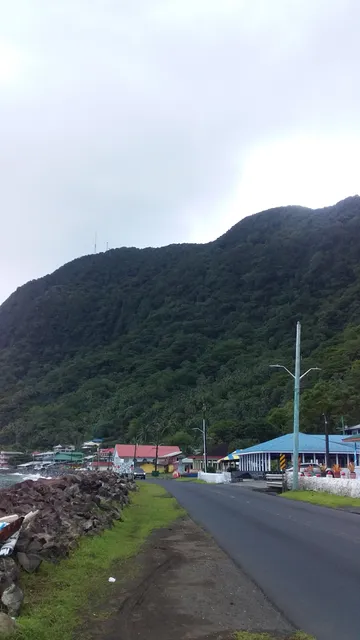
American Samoa Visitors Bureau (ASVB)
4.4
(25)
Closed
Click for details
Nearby restaurants of National Park of American Samoa Visitor Center
Paradise Pizza
Emelio's Restaurant
Billy's Burgers Beer
Matai Restaurant
Tumu's Fale Coffee
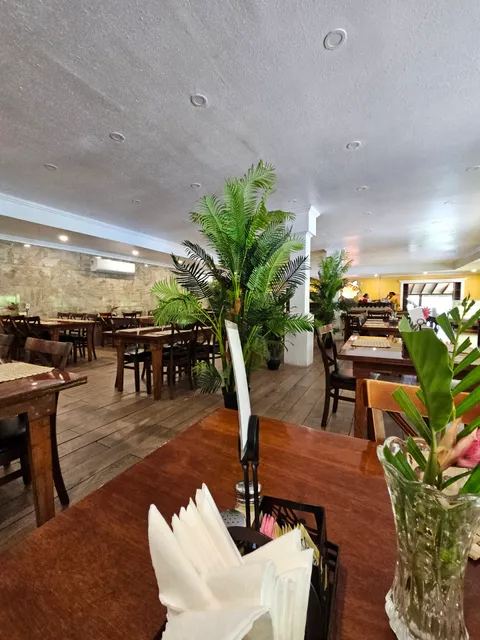
Paradise Pizza
4.3
(37)
Closed
Click for details
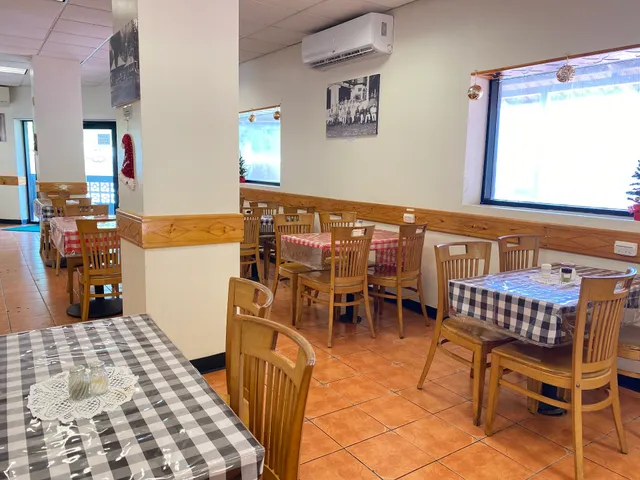
Emelio's Restaurant
4.4
(12)
Closed
Click for details

Billy's Burgers Beer
5.0
(7)
Closed
Click for details
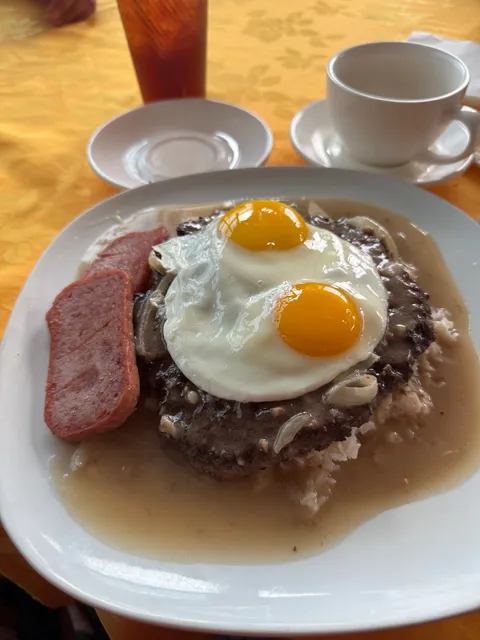
Matai Restaurant
4.1
(5)
Click for details
Nearby local services of National Park of American Samoa Visitor Center
Pago Plaza
Super M
Fagatogo Square
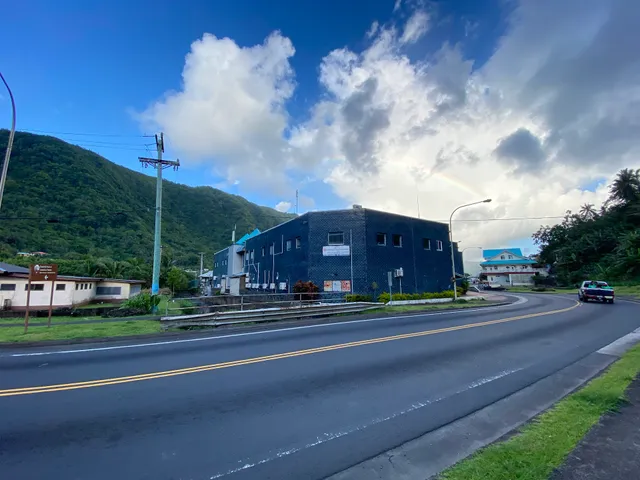
Pago Plaza
4.5
(8)
Click for details
Super M
3.9
(11)
Click for details
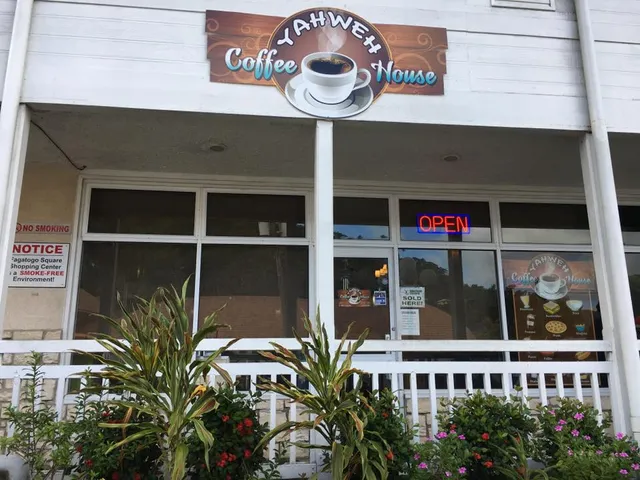
Fagatogo Square
3.8
(24)
Click for details