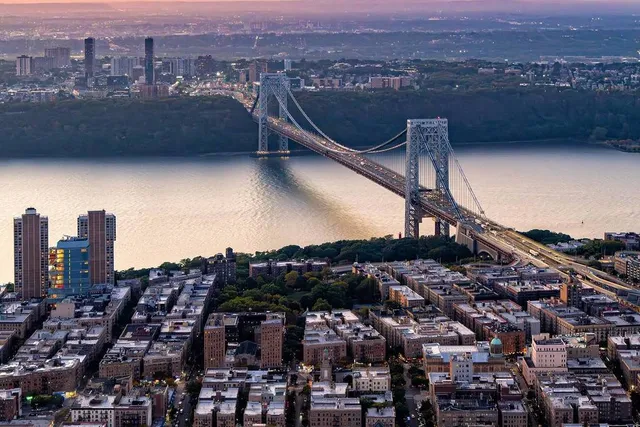
George Washington Bridge things to do, attractions, restaurants, events info and trip planning
Basic Info
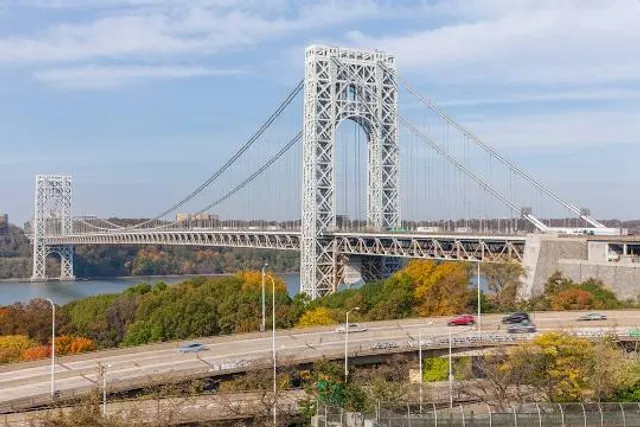
George Washington Bridge
George Washington Brg, Fort Lee, NJ 07024
4.1(2.9K)
Open until 12:00 AM
Save
spot
spot
Ratings & Description
Info
Outdoor
Cultural
Pet friendly
attractions: The Little Red Lighthouse, Fort Washington Park, Hazard Beach, Fort Lee Historic Park, Palisades Interstate Park Commission, Ross Dock Picnic Area, Carpenters Grove, Palisades Interstate Park Commission, Beach In Fort Washington Park, Carpenters Grove, Sisyphus Stones, Carpenter's Loop Fort Lee, restaurants: Kuba, Kuba Bakery, local businesses: Palisades Interstate Park Commission: Hazard’s Ramp, George Washington Bridge Viewing Platform, George Washington Bridge – Palisades Interstate Parkway, Riverside Dr, Riverside Drive
 Learn more insights from Wanderboat AI.
Website
panynj.gov
Open hoursSee all hours
SunOpen 24 hoursOpen
Plan your stay

Pet-friendly Hotels in New York
Find a cozy hotel nearby and make it a full experience.

Affordable Hotels in New York
Find a cozy hotel nearby and make it a full experience.

The Coolest Hotels You Haven't Heard Of (Yet)
Find a cozy hotel nearby and make it a full experience.

Trending Stays Worth the Hype in New York
Find a cozy hotel nearby and make it a full experience.
Reviews
Live events
ARTE MUSEUM: An Immersive Media Art Exhibition
Mon, Feb 23 • 10:00 AM
61 Chelsea Piers, New York, 10011
View details
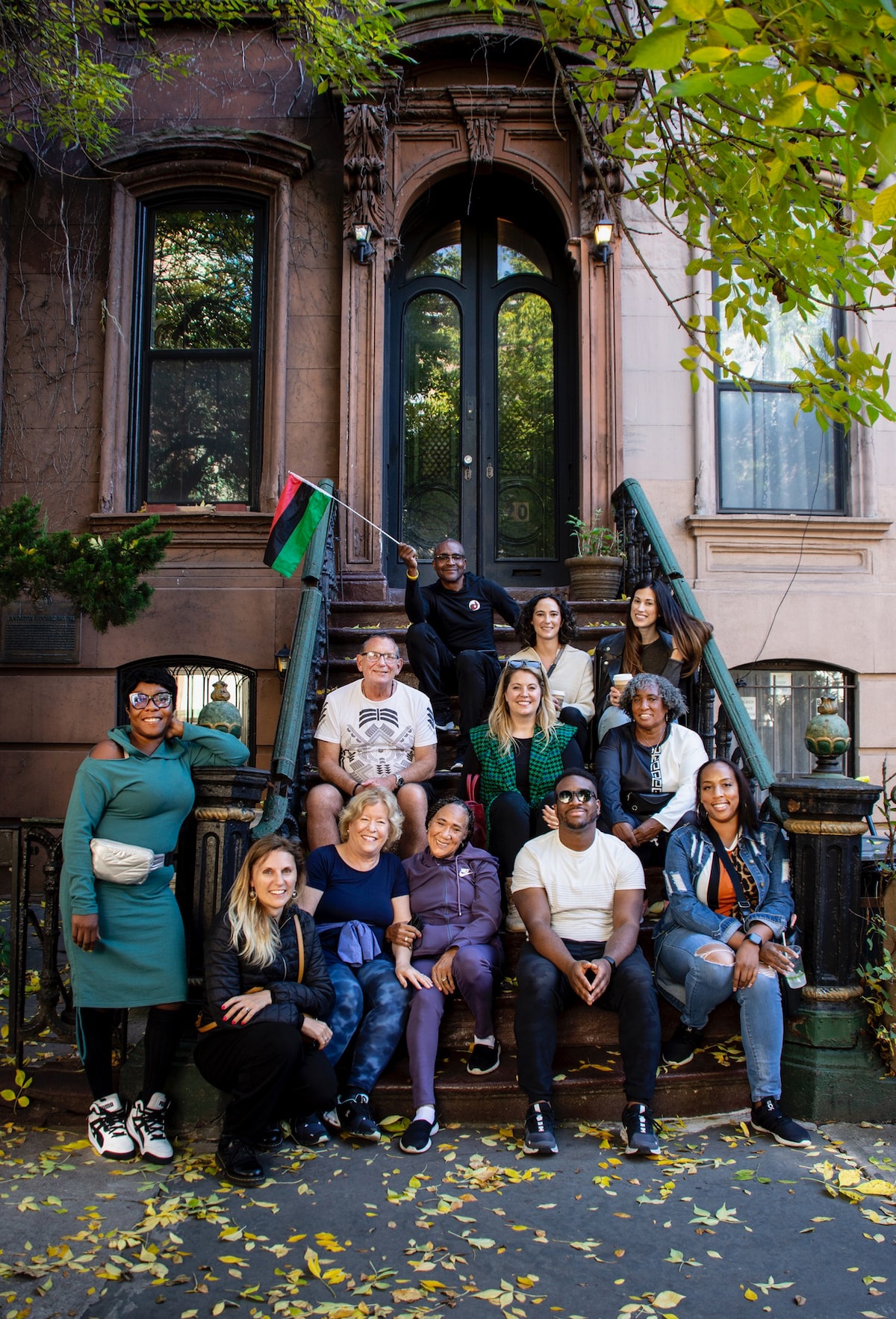
The Soul of Harlem Walking Tour
Tue, Feb 24 • 10:00 AM
New York, New York, 10035, United States
View details

Don Julio Paint & Sip
Thu, Feb 26 • 7:00 PM
142 Outwater Lane Garfield, NJ 07026
View details
Nearby attractions of George Washington Bridge
The Little Red Lighthouse
Fort Washington Park
Hazard Beach
Fort Lee Historic Park, Palisades Interstate Park Commission
Ross Dock Picnic Area
Carpenters Grove, Palisades Interstate Park Commission
Beach In Fort Washington Park
Carpenters Grove
Sisyphus Stones
Carpenter's Loop Fort Lee
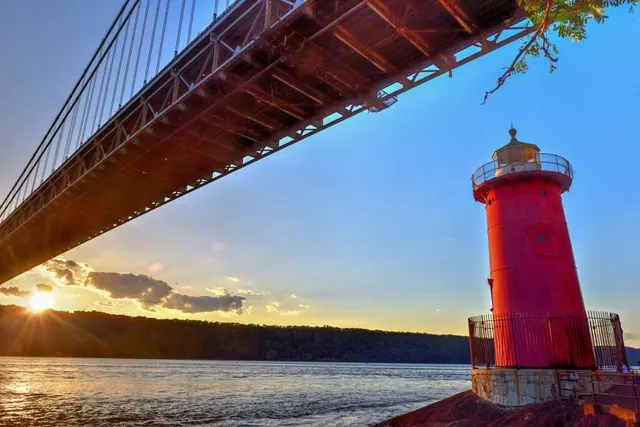
The Little Red Lighthouse
4.7
(387)
Open 24 hours
Click for details
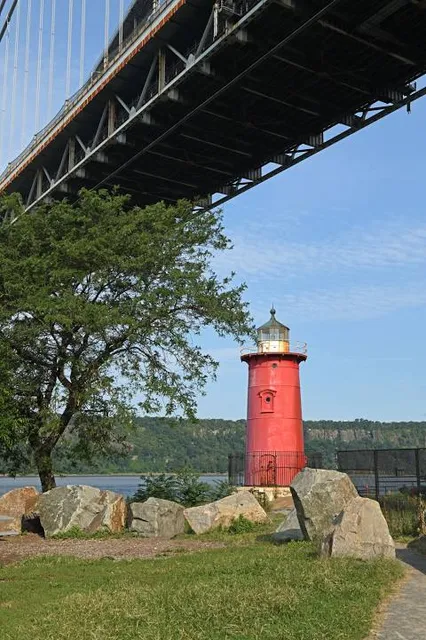
Fort Washington Park
4.6
(1.2K)
Open until 1:00 AM
Click for details
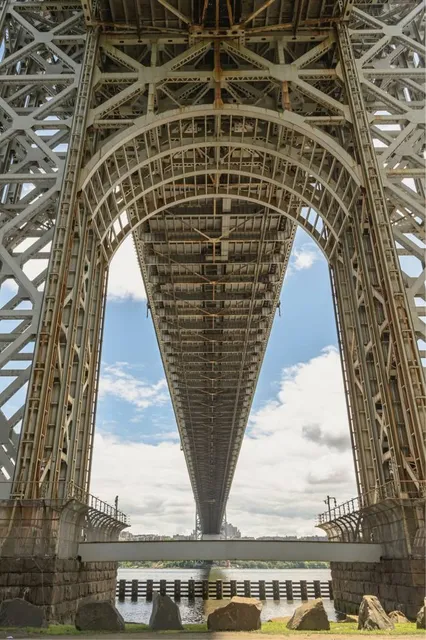
Hazard Beach
4.3
(24)
Open 24 hours
Click for details
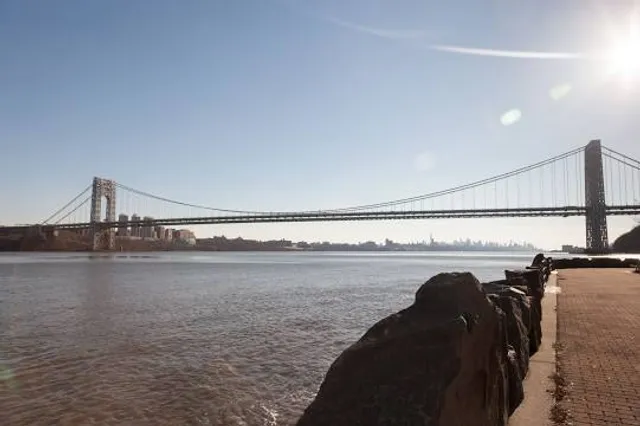
Fort Lee Historic Park, Palisades Interstate Park Commission
4.6
(494)
Closed
Click for details
Nearby restaurants of George Washington Bridge
Kuba
Kuba Bakery
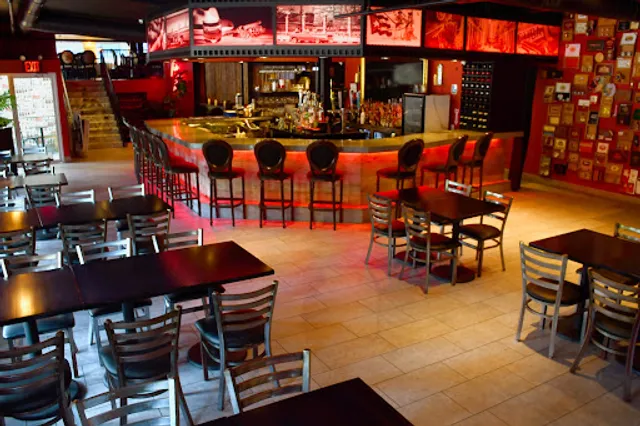
Kuba
4.4
(479)
$$
Closed
Click for details

Kuba Bakery
4.3
(5)
Open until 12:00 AM
Click for details
Nearby local services of George Washington Bridge
Palisades Interstate Park Commission: Hazard’s Ramp
George Washington Bridge Viewing Platform
George Washington Bridge – Palisades Interstate Parkway
Riverside Dr
Riverside Drive
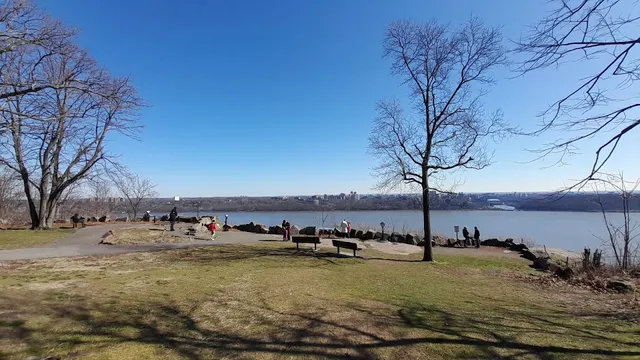
Palisades Interstate Park Commission: Hazard’s Ramp
4.5
(29)
Click for details
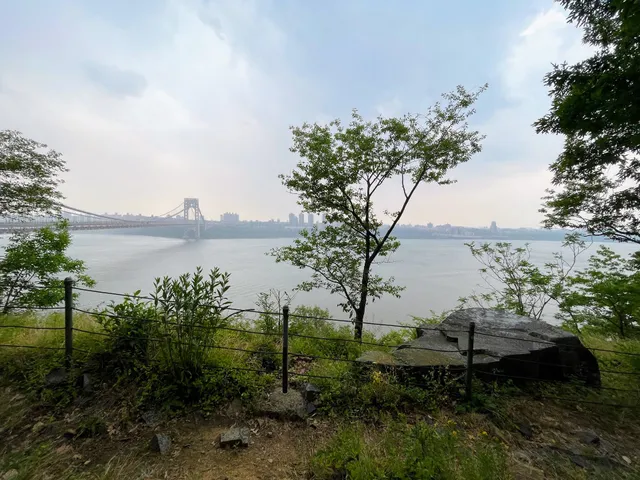
George Washington Bridge Viewing Platform
4.8
(54)
Click for details
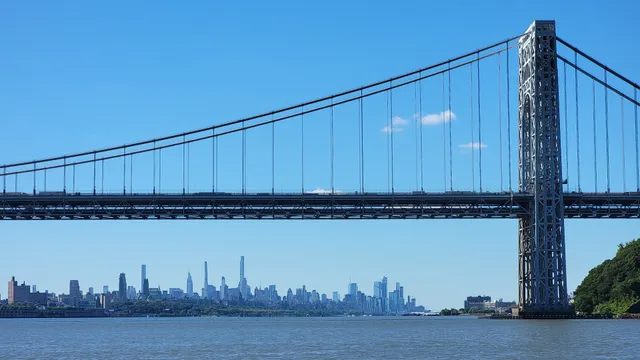
George Washington Bridge – Palisades Interstate Parkway
3.7
(69)
Click for details
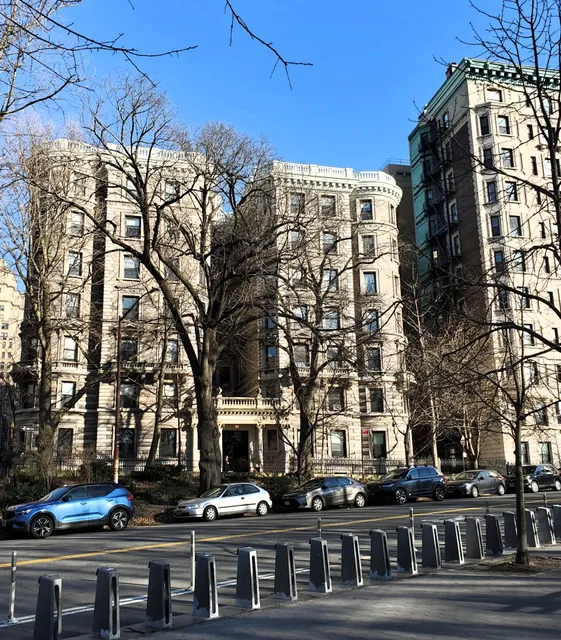
Riverside Dr
4.5
(22)
Click for details