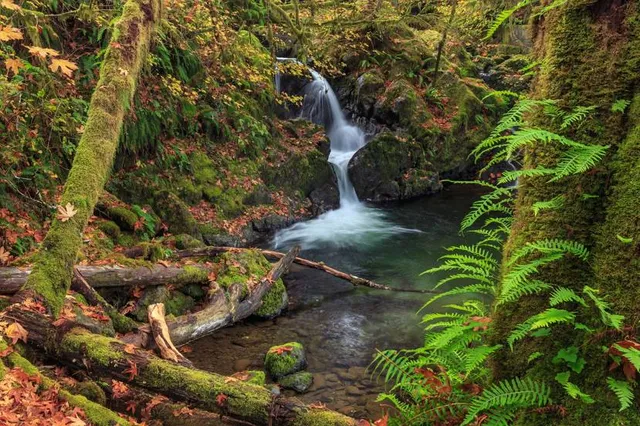
Oh, what a symphony of nature's grandeur awaits those who dare to tread the Whispering Pines Trail! This isn't merely a hike; it's an epic pilgrimage through the heart of the wilderness, where every step echoes with the ancient whispers of towering evergreens and the untamed spirit of the earth. From the moment I laced up my boots and embarked on this verdant quest, I was enveloped in a realm of sublime beauty that rivals the legends of old. The trail itself is a masterpiece of natural engineering—a great, winding path that beckons adventurers with its gentle inclines and thrilling descents, perfectly suited for both seasoned explorers and those seeking a soul-stirring introduction to the wild. As I traversed its lengths, I was greeted by an abundance of wildlife that transformed the journey into a living tapestry. Majestic deer grazed serenely in sun-dappled clearings, their eyes gleaming with quiet wisdom, while squirrels chattered like mischievous heralds from the branches above. Birds of every hue—vibrant cardinals, elusive hawks soaring on thermal winds—filled the air with their melodic calls, and once, I caught a glimpse of a sly fox darting through the underbrush, a fleeting ambassador from the forest's hidden depths. It's as if the trail is a sanctuary, alive and pulsating with creatures that remind us of our place in the grand web of life. But the true crown jewel of this odyssey lies in its breathtaking views, each one unfolding like chapters in a divine epic. The path begins with lush, emerald meadows that stretch out like velvet carpets underfoot, framed by wildflowers in a riot of colors—purples, yellows, and reds that dance in the breeze. As you ascend, the terrain reveals panoramic vistas of rolling hills cloaked in mist, where the morning sun paints the landscape in golden hues, casting long shadows that whisper secrets of the dawn. Midway, a crystalline stream cascades over moss-covered rocks, its waters sparkling like liquid diamonds, offering a serene spot to pause and reflect. Higher still, the trail crests to reveal jagged mountain peaks piercing the azure sky, their snow-capped summits standing as eternal sentinels against the horizon. From these lofty perches, the world below unfurls in a mosaic of greens and blues—valleys carved by ancient rivers, distant lakes mirroring the clouds, and the occasional glimpse of a thundering waterfall plunging into misty abysses. Each viewpoint is a revelation, a moment where time stands still, and the soul expands to embrace the infinite. Practicalities, too, elevate this experience to regal heights. The bathrooms along the trail are impeccably clean—spotless havens of respite with fresh amenities that speak to the thoughtful stewardship of this natural wonder. No detail is overlooked, ensuring that even the most basic needs are met with dignity and care. And then, the pinnacle: reaching the end of the trail. As I emerged from the final stretch of shaded canopy, stepping onto the summit overlook, a profound wave of accomplishment washed over me like a triumphant crescendo. My muscles ached with the sweet fatigue of victory, my breath came in exhilarated gasps, and my spirit soared higher than the eagles circling above. There, with the wind whipping through my hair and the vast expanse laid bare before me, I felt super accomplished—not just for conquering the physical miles, but for the inner journey it ignited. It was a moment of pure majesty, where the trials of the path melted away, leaving only the radiant glow of achievement and a deep, abiding connection to the wild heart of the world. If you seek not just a trail, but a transformative saga, Whispering Pines awaits. Five stars, without hesitation—nay, a...
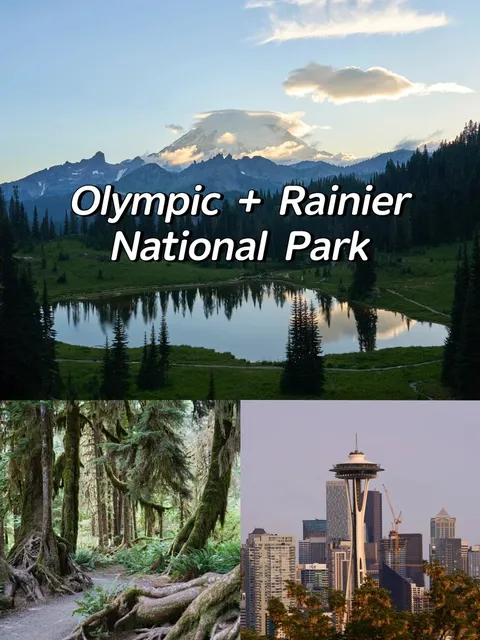
Read moreOlympic National Park is a United States national park located in the state of Washington, on the Olympic Peninsula. The park is renowned for its diverse ecosystems, which include glacier-capped mountains, old-growth temperate rainforests, and over 70 miles of wild coastline. Here are some key features and facts about Olympic National Park:
Diverse Ecosystems: The park is divided into four main regions: the Pacific coastline, alpine areas, the temperate rainforest, and the drier forests of the east side. This diversity allows for a wide range of recreational activities and wildlife viewing opportunities.
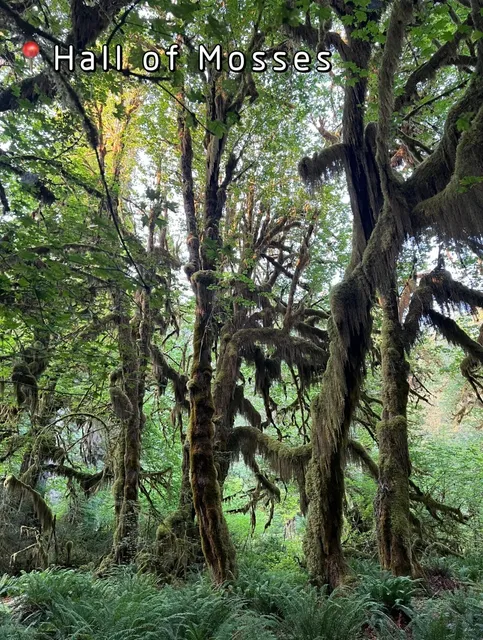
Hoh Rainforest: One of the most famous parts of the park, the Hoh Rainforest, receives an average of almost 12 feet of rain per year, making it one of the wettest areas in the continental United States. It is home to towering Sitka spruce and western hemlock trees, some of which are hundreds of years old.
Mount Olympus: The centerpiece of the park, Mount Olympus, stands at 7,980 feet and is home to several glaciers. It is a popular destination for climbers and offers challenging terrain.
Wildlife: The park is home to a variety of wildlife, including Roosevelt elk, black bears, mountain goats, and a wide range of bird species. The coastal areas are also known for their tide pools, which are teeming with marine life.
Recreational Activities: Visitors to Olympic National Park can enjoy a wide range of activities, including hiking, camping, fishing, kayaking, and wildlife watching. The park has over 600 miles of trails, ranging from easy walks to strenuous backcountry hikes.
Cultural History: The park has a rich cultural history, with evidence of human habitation dating back thousands of years. The Olympic Peninsula is home to several Native American tribes, including the Quileute, Hoh, and Makah, who have lived in the area for centuries and continue to maintain their cultural traditions.
UNESCO World Heritage Site: Olympic National Park was designated a UNESCO World Heritage Site in 1981 due to its exceptional natural beauty and ecological significance.
Visitor Centers: The park has several visitor centers, including the Hurricane Ridge Visitor Center, the Hoh Rain Forest Visitor Center, and the Kalaloch Ranger Station, where visitors can obtain information, maps, and permits.
Olympic National Park offers a unique and diverse experience for nature lovers, adventurers, and those seeking to connect with the natural world. Whether you're exploring the lush rainforests, hiking to alpine meadows, or walking along rugged coastlines, the park provides endless opportunities for discovery...
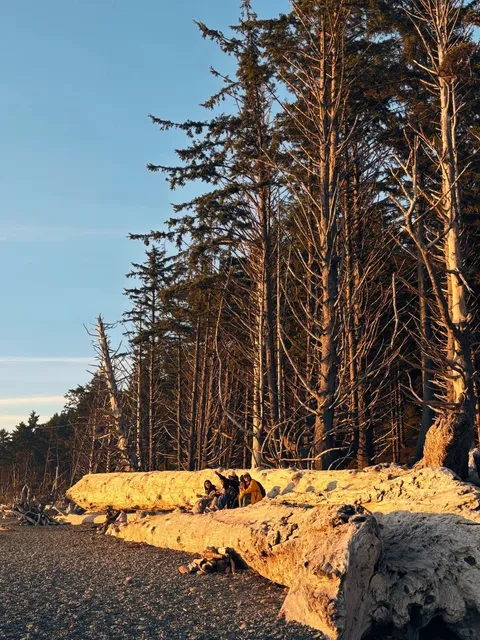
Read moreLoved our trip to Olympic National Park! We went at the beginning of June and tent camped there 4 days. Our favorite part was tide pooling and climbing over the rocks on Rialto Beach and Beach 4 (where there is a short attached rope to help you scramble down over a large boulder down to beach level). You can check at ranger kiosks for low tide times to see as many tide pools as possible. We saw tons of anenomes, sea stars, and crabs. Lots of interesting barnacles and shellfish on all the rocks by the water. The waves are very powerful and mesmerizing to watch. There are many large tree trunks washed up above high tide level and you will pass little streams running from the woods into the ocean. We saw a racoon who had probably been eating shellfish heading back to the woods. The weather was great when you are out in the sun on the beach- not too hot, not too cold. My teenager didn't mind playing in the water near shore- it's cold but not so cold you can't get in. I wouldn't swim in the ocean though- too rough. We also loved the Hoh Rainforest area. It's just a little wetter than the forest around the Mora Campground on the coast. That valley gets over 110 inches of rain per year. We walked the Trail of Moss and enjoyed all the views- very well laid out. We drove up to Hurricane Ridge. Gorgeous views! We saw lots of deer and a marmot- it was evening. And yes there are bathrooms up there even though the old visitor's center burned down. Nice trail you can hike along the mountain ridge. You're generally going to see people wherever you go in the more popular areas, but there's not so many that you can't enjoy it and have some time off by yourselves. If you camp there, expect cold temperatures at night- it was in the low 40's at night in June. Also expect frequent rain- it rained twice during our 4 days. Ponchos were helpful. If you need to take a ferry to get on to the Olympic Peninsula, factor in some extra hours and do a little research. We found out the smaller ferry to the north requires a pre reservation for a certain time. The larger ferries don't have set ticket times, but you get on first come first serve so you may have to wait for the next ferry. Also don't expect to have cell service one you get past Port Angeles. Definitely a wonderful...
Read more