HTML SitemapExplore

Annaberg Sugar Plantation — Attraction in Saint John

Name
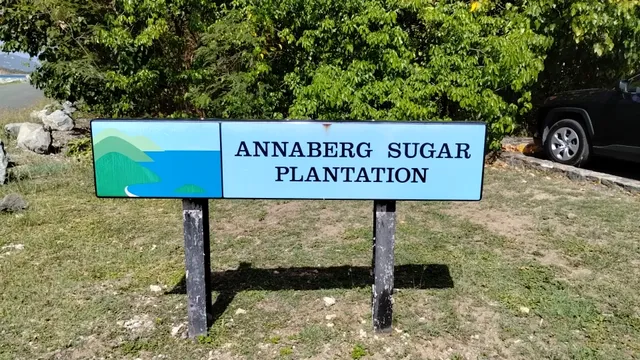
Annaberg Sugar Plantation
Description
Nearby attractions
Annaberg Area Trail
St John 00830, U.S. Virgin Islands
Nearby restaurants
Nearby hotels
Related posts
Keywords
Annaberg Sugar Plantation tourism.Annaberg Sugar Plantation hotels.Annaberg Sugar Plantation bed and breakfast. flights to Annaberg Sugar Plantation.Annaberg Sugar Plantation attractions.Annaberg Sugar Plantation restaurants.Annaberg Sugar Plantation travel.Annaberg Sugar Plantation travel guide.Annaberg Sugar Plantation travel blog.Annaberg Sugar Plantation pictures.Annaberg Sugar Plantation photos.Annaberg Sugar Plantation travel tips.Annaberg Sugar Plantation maps.Annaberg Sugar Plantation things to do.
Annaberg Sugar Plantation things to do, attractions, restaurants, events info and trip planning
Annaberg Sugar Plantation
United StatesUnited States Virgin IslandsSaint JohnAnnaberg Sugar Plantation

Basic Info

Annaberg Sugar Plantation

977C+34J, St John 00830, U.S. Virgin Islands
4.7(297)
Open 24 hours
Save
spot

Ratings & Description

Info

Cultural
Scenic
Outdoor
Family friendly
attractions: Annaberg Area Trail, restaurants:
logoLearn more insights from Wanderboat AI.
Phone
+1 340-776-6201
Website
nps.gov

Plan your stay

hotel
Pet-friendly Hotels in Saint John
Find a cozy hotel nearby and make it a full experience.
hotel
Affordable Hotels in Saint John
Find a cozy hotel nearby and make it a full experience.
hotel
The Coolest Hotels You Haven't Heard Of (Yet)
Find a cozy hotel nearby and make it a full experience.
hotel
Trending Stays Worth the Hype in Saint John
Find a cozy hotel nearby and make it a full experience.

Reviews

Nearby attractions of Annaberg Sugar Plantation

Annaberg Area Trail

Annaberg Area Trail

Annaberg Area Trail

4.8

(8)

Open 24 hours
Click for details

Things to do nearby

THE FINAL POUR
THE FINAL POUR
Wed, Dec 31 • 6:00 PM
3077 Kronprindsens Gade, Charlotte Amalie, St Thomas 00802
View details
A WHOLE VIBE!! @ The Pie Whole (Frenchtown, S. Thomas USVI)
Sat, Jan 3 • 6:00 PM
Honduras, Charlotte Amalie, St Thomas 00802
View details
⛵️✨ FREE Sunset Sail
Mon, Jan 5 • 4:00 PM
5316 Yacht Haven Grande, Charlotte Amalie, St Thomas 00802
View details
Get the Appoverlay
Get the AppOne tap to find yournext favorite spots!
Wanderboat LogoWanderboat

Your everyday Al companion for getaway ideas

CompanyAbout Us
InformationAI Trip PlannerSitemap
SocialXInstagramTiktokLinkedin
LegalTerms of ServicePrivacy Policy

Get the app

© 2025 Wanderboat. All rights reserved.

Reviews of Annaberg Sugar Plantation

4.7
(297)
avatar
5.0
2y

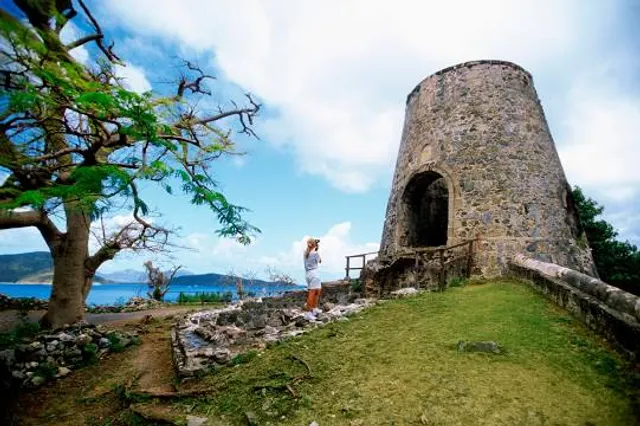
The Annaberg Sugar Plantation, located in the Virgin Islands National Park on St. John, holds significant historical value. It served as one of the largest and most productive sugar plantations on the island throughout the 18th and 19th centuries.

Established in 1779 by William Gottschalk, a Danish merchant, the plantation relied on the labor of enslaved individuals to clear the land and cultivate sugarcane. Alongside the main plantation, there existed a windmill, animal mill, and sugar factory.

The Annaberg Plantation generated considerable profits, contributing to the wealth of St. John and the Caribbean region. However, it is important to acknowledge that the success of the plantation was built upon the exploitation and mistreatment of enslaved people. These individuals endured harsh living conditions and suffered physical and emotional abuse.

Various factors, such as the abolition of slavery, the emergence of beet sugar, and the destructive impact of hurricanes, caused the decline of the sugar industry in St. John during the late 19th century. Consequently, the Annaberg Plantation was abandoned in the early 20th century.

Presently, the Annaberg Sugar Plantation stands as a National Historic Landmark, open to the public for tours. It provides visitors with an opportunity to gain insight into the history of sugar production and the legacy of slavery in the Caribbean.

Here are some additional details regarding the plantation's history:

The plantation derived its name from Anna, the daughter of William Gottschalk. The plantation included approximately 16 slave cabins constructed using woven branches, lime, and a mud mixture. Enslaved individuals working on the plantation were responsible for tasks such as land clearance, planting, harvesting sugarcane, and processing it into sugar and molasses. The plantation's profitability contributed significantly to St. John's status as one of the wealthiest islands in the Caribbean. The sugar industry in St. John experienced a decline in the late 19th century due to multiple factors, including the abolition of slavery, the introduction of beet sugar, and the devastating impact of hurricanes. The Annaberg Sugar Plantation was abandoned in the early 20th century. Today, the Annaberg Sugar Plantation is designated as a National Historic Landmark, offering public tours and providing a valuable window into the history of sugar production and slavery in...

   Read more
avatar
5.0
1y

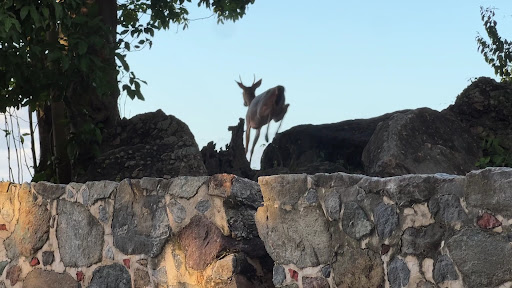
What an interesting piece of history. The people enslaved to run these mills were tortured, and seeing the hole they punished them in brought tears to my eyes. Just imagining how hot and what hard work in a bug infested environment it must have been gave the place a solemn feeling for me. The view from the sugar mill is spectacular. We saw deer, and it was good learning about the history of St John. It's a short walk up a hill or on stairs to get to the site. We did not meet the volunteer that gives information about the site and is knowledgeable about the plants that surround the area. Recommend sturdy shoes, bug spray and sunscreen. There was some shade and breezes off the ocean. There are also picnic tables. The donkey signs were obvious also. We...

   Read more
avatar
4.0
6y

Pretty cool stop on the St John island excusion offered through the cruise ship.

Quite a demanding hike for elderly, plus the weather made it difficult for many on the tour (even younger ones) so make sure you know what you are getting yourself into.

The self-guided tour was nice - able to choose your own pace - and the signs provided a decent amount of info. No one on staff to answer questions or provide insight.

The walls have obviously been repaired in some areas and you can see there is recent damage (not visible in the picture provided by previous reviewer) that they quickly shored up. Some of the paths are closed - the sign showing the path to take isn't valid anymore, as at least two paths had closed...

   Read more
Page 1 of 7
Previous
Next

Posts

Mr. UnslackableMr. Unslackable
The Annaberg Sugar Plantation, located in the Virgin Islands National Park on St. John, holds significant historical value. It served as one of the largest and most productive sugar plantations on the island throughout the 18th and 19th centuries. Established in 1779 by William Gottschalk, a Danish merchant, the plantation relied on the labor of enslaved individuals to clear the land and cultivate sugarcane. Alongside the main plantation, there existed a windmill, animal mill, and sugar factory. The Annaberg Plantation generated considerable profits, contributing to the wealth of St. John and the Caribbean region. However, it is important to acknowledge that the success of the plantation was built upon the exploitation and mistreatment of enslaved people. These individuals endured harsh living conditions and suffered physical and emotional abuse. Various factors, such as the abolition of slavery, the emergence of beet sugar, and the destructive impact of hurricanes, caused the decline of the sugar industry in St. John during the late 19th century. Consequently, the Annaberg Plantation was abandoned in the early 20th century. Presently, the Annaberg Sugar Plantation stands as a National Historic Landmark, open to the public for tours. It provides visitors with an opportunity to gain insight into the history of sugar production and the legacy of slavery in the Caribbean. Here are some additional details regarding the plantation's history: * The plantation derived its name from Anna, the daughter of William Gottschalk. * The plantation included approximately 16 slave cabins constructed using woven branches, lime, and a mud mixture. * Enslaved individuals working on the plantation were responsible for tasks such as land clearance, planting, harvesting sugarcane, and processing it into sugar and molasses. * The plantation's profitability contributed significantly to St. John's status as one of the wealthiest islands in the Caribbean. * The sugar industry in St. John experienced a decline in the late 19th century due to multiple factors, including the abolition of slavery, the introduction of beet sugar, and the devastating impact of hurricanes. * The Annaberg Sugar Plantation was abandoned in the early 20th century. * Today, the Annaberg Sugar Plantation is designated as a National Historic Landmark, offering public tours and providing a valuable window into the history of sugar production and slavery in the Caribbean.
Beth AnctilBeth Anctil
What an interesting piece of history. The people enslaved to run these mills were tortured, and seeing the hole they punished them in brought tears to my eyes. Just imagining how hot and what hard work in a bug infested environment it must have been gave the place a solemn feeling for me. The view from the sugar mill is spectacular. We saw deer, and it was good learning about the history of St John. It's a short walk up a hill or on stairs to get to the site. We did not meet the volunteer that gives information about the site and is knowledgeable about the plants that surround the area. Recommend sturdy shoes, bug spray and sunscreen. There was some shade and breezes off the ocean. There are also picnic tables. The donkey signs were obvious also. We enjoyed our visit.
brush firetbrush firet
Pretty cool stop on the St John island excusion offered through the cruise ship. Quite a demanding hike for elderly, plus the weather made it difficult for many on the tour (even younger ones) so make sure you know what you are getting yourself into. The self-guided tour was nice - able to choose your own pace - and the signs provided a decent amount of info. No one on staff to answer questions or provide insight. The walls have obviously been repaired in some areas and you can see there is recent damage (not visible in the picture provided by previous reviewer) that they quickly shored up. Some of the paths are closed - the sign showing the path to take isn't valid anymore, as at least two paths had closed signs on them.
See more posts
See more posts
hotel
Find your stay

Pet-friendly Hotels in Saint John

Find a cozy hotel nearby and make it a full experience.

The Annaberg Sugar Plantation, located in the Virgin Islands National Park on St. John, holds significant historical value. It served as one of the largest and most productive sugar plantations on the island throughout the 18th and 19th centuries. Established in 1779 by William Gottschalk, a Danish merchant, the plantation relied on the labor of enslaved individuals to clear the land and cultivate sugarcane. Alongside the main plantation, there existed a windmill, animal mill, and sugar factory. The Annaberg Plantation generated considerable profits, contributing to the wealth of St. John and the Caribbean region. However, it is important to acknowledge that the success of the plantation was built upon the exploitation and mistreatment of enslaved people. These individuals endured harsh living conditions and suffered physical and emotional abuse. Various factors, such as the abolition of slavery, the emergence of beet sugar, and the destructive impact of hurricanes, caused the decline of the sugar industry in St. John during the late 19th century. Consequently, the Annaberg Plantation was abandoned in the early 20th century. Presently, the Annaberg Sugar Plantation stands as a National Historic Landmark, open to the public for tours. It provides visitors with an opportunity to gain insight into the history of sugar production and the legacy of slavery in the Caribbean. Here are some additional details regarding the plantation's history: * The plantation derived its name from Anna, the daughter of William Gottschalk. * The plantation included approximately 16 slave cabins constructed using woven branches, lime, and a mud mixture. * Enslaved individuals working on the plantation were responsible for tasks such as land clearance, planting, harvesting sugarcane, and processing it into sugar and molasses. * The plantation's profitability contributed significantly to St. John's status as one of the wealthiest islands in the Caribbean. * The sugar industry in St. John experienced a decline in the late 19th century due to multiple factors, including the abolition of slavery, the introduction of beet sugar, and the devastating impact of hurricanes. * The Annaberg Sugar Plantation was abandoned in the early 20th century. * Today, the Annaberg Sugar Plantation is designated as a National Historic Landmark, offering public tours and providing a valuable window into the history of sugar production and slavery in the Caribbean.
Mr. Unslackable

Mr. Unslackable

hotel
Find your stay

Affordable Hotels in Saint John

Find a cozy hotel nearby and make it a full experience.

Get the Appoverlay
Get the AppOne tap to find yournext favorite spots!
What an interesting piece of history. The people enslaved to run these mills were tortured, and seeing the hole they punished them in brought tears to my eyes. Just imagining how hot and what hard work in a bug infested environment it must have been gave the place a solemn feeling for me. The view from the sugar mill is spectacular. We saw deer, and it was good learning about the history of St John. It's a short walk up a hill or on stairs to get to the site. We did not meet the volunteer that gives information about the site and is knowledgeable about the plants that surround the area. Recommend sturdy shoes, bug spray and sunscreen. There was some shade and breezes off the ocean. There are also picnic tables. The donkey signs were obvious also. We enjoyed our visit.
Beth Anctil

Beth Anctil

hotel
Find your stay

The Coolest Hotels You Haven't Heard Of (Yet)

Find a cozy hotel nearby and make it a full experience.

hotel
Find your stay

Trending Stays Worth the Hype in Saint John

Find a cozy hotel nearby and make it a full experience.

Pretty cool stop on the St John island excusion offered through the cruise ship. Quite a demanding hike for elderly, plus the weather made it difficult for many on the tour (even younger ones) so make sure you know what you are getting yourself into. The self-guided tour was nice - able to choose your own pace - and the signs provided a decent amount of info. No one on staff to answer questions or provide insight. The walls have obviously been repaired in some areas and you can see there is recent damage (not visible in the picture provided by previous reviewer) that they quickly shored up. Some of the paths are closed - the sign showing the path to take isn't valid anymore, as at least two paths had closed signs on them.
brush firet

brush firet

See more posts
See more posts