HTML SitemapExplore
logo
Find Things to DoFind The Best Restaurants

Temple of Literature — Attraction in Hue City

Name
Temple of Literature
Description
Văn Miếu, literally translated as Temple of Literature, is a temple dedicated to Confucius in Hanoi, northern Vietnam. The temple was built in 1070 at the time of Emperor Lý Thánh Tông, and it hosted the Imperial Academy, Vietnam's first national university, from 1076 to 1779.
Nearby attractions
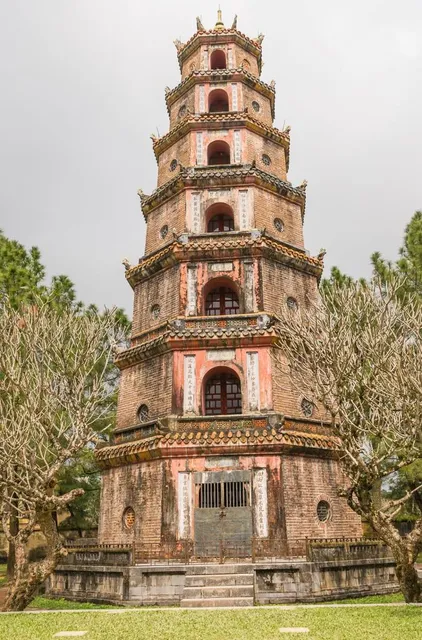
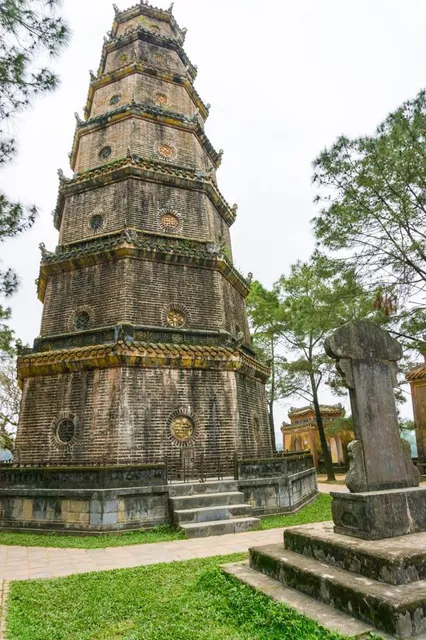
Thien Mu Pagoda
Hương Hòa, Huế, Hue City, Vietnam
Nearby restaurants
Nearby hotels
De Hué space
586E Bùi Thị Xuân, Thủy Biều, Huế, Thành phố Huế, Vietnam
NGUYỆT BIỀU GARDEN RIVERSIDE
5/604, Bùi Thị Xuân, Thủy Biều, Huế, Thành phố Huế 49000, Vietnam
Hachi Homestay & Spa
16/18 Thân Văn Nhiếp, Thủy Biều, Huế, Thành phố Huế 49132, Vietnam
Tam Tinh Vien Homestay
Impass 23, Nguyễn Trọng Nhân, street, Long Hồ, Thành phố Huế 530000, Vietnam
Related posts
Keywords
Temple of Literature tourism.Temple of Literature hotels.Temple of Literature bed and breakfast. flights to Temple of Literature.Temple of Literature attractions.Temple of Literature restaurants.Temple of Literature travel.Temple of Literature travel guide.Temple of Literature travel blog.Temple of Literature pictures.Temple of Literature photos.Temple of Literature travel tips.Temple of Literature maps.Temple of Literature things to do.
Temple of Literature things to do, attractions, restaurants, events info and trip planning
Temple of Literature
VietnamThừa Thiên Huế ProvinceHue CityTemple of Literature

Basic Info

Temple of Literature

FG3Q+3H9, Đường Văn Thánh, Long Hồ, Huế, Thành phố Huế, Vietnam
4.4(250)
Open 24 hours
Save
spot

Ratings & Description

Info

Văn Miếu, literally translated as Temple of Literature, is a temple dedicated to Confucius in Hanoi, northern Vietnam. The temple was built in 1070 at the time of Emperor Lý Thánh Tông, and it hosted the Imperial Academy, Vietnam's first national university, from 1076 to 1779.

Cultural
Family friendly
Accessibility
attractions: Thien Mu Pagoda, restaurants:
logoLearn more insights from Wanderboat AI.

Plan your stay

hotel
Pet-friendly Hotels in Hue City
Find a cozy hotel nearby and make it a full experience.
hotel
Affordable Hotels in Hue City
Find a cozy hotel nearby and make it a full experience.
hotel
The Coolest Hotels You Haven't Heard Of (Yet)
Find a cozy hotel nearby and make it a full experience.
hotel
Trending Stays Worth the Hype in Hue City
Find a cozy hotel nearby and make it a full experience.

Reviews

Nearby attractions of Temple of Literature

Thien Mu Pagoda

Thien Mu Pagoda

Thien Mu Pagoda

4.5

(6.8K)

Open 24 hours
Click for details

Things to do nearby

Boat Tour Dinner Cruise on the Perfume River
Wed, Dec 10 • 6:45 PM
Hue, Hue City, Vietnam
View details
Hue Imperial and Forbidden City Walking Tour
Wed, Dec 10 • 8:15 AM
Thị xã Hương Trà, Thành phố Huế, 530000, Vietnam
View details
Hue Food walking tour and nightlife
Wed, Dec 10 • 5:30 PM
Hue, Thua Thien Hue, 530000, Vietnam
View details
Get the Appoverlay
Get the AppOne tap to find yournext favorite spots!
Wanderboat LogoWanderboat

Your everyday Al companion for getaway ideas

CompanyAbout Us
InformationAI Trip PlannerSitemap
SocialXInstagramTiktokLinkedin
LegalTerms of ServicePrivacy Policy

Get the app

© 2025 Wanderboat. All rights reserved.
logo

Posts

Martin ŠtofiraMartin Štofira
When I visited, I was completely alone, which made the experience even more special. Just a few hundred meters away, the nearby pagoda was overflowing with tourists, yet here it was quiet, calm, and beautifully serene. This temple may not appear in every guidebook, but it truly deserves more attention. The grounds are modest but meaningful, with traditional architecture and a dignified atmosphere that invites reflection. There’s no flashy design or tourist buzz – just a quiet reverence that speaks to the historical and cultural depth of the place. What really stood out was the silence. In a city like Hue, known for its rich imperial past, it’s easy to be overwhelmed by the grandeur of palaces and citadels. But the Temple of Literature offers something else – stillness. A kind of space where you can just be present. No rush, no noise, no pressure to take a hundred photos. Just quiet history. I especially recommend visiting alone if you can. The solitude added a whole new dimension to the experience – peaceful, personal, and deeply grounding. It became one of the most memorable moments of my trip through Vietnam. If you’re in Hue and want to see something off the beaten path, this temple is absolutely worth your time. Don’t expect large crowds or dramatic landmarks – instead, come for a quiet corner of history that will stay with you long after you leave
Hoang Loc Ngo (Jaden Ngo)Hoang Loc Ngo (Jaden Ngo)
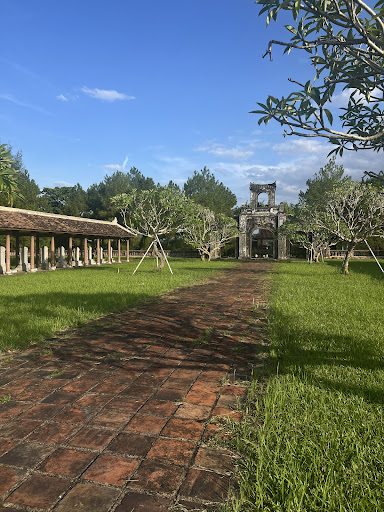
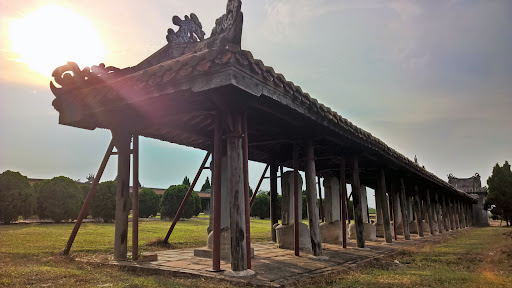
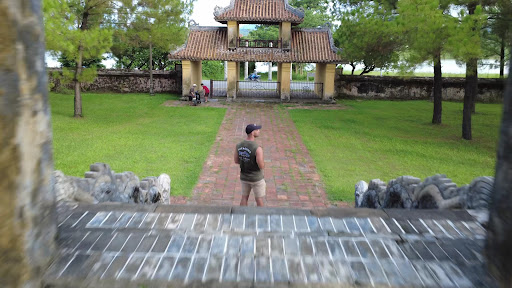
The remaining of the complex consists of about 50 architectural works, the biggest of which is the worshiping hall of Confucius. Outside at the main gate of the Temple, by the riverside, there are four tall and majestic pillars. There are a large sign hung high above, with the words “Dao Tai Luong Gian” (The principles in the world) and “Trac Viet Thien Co” (Higher than ever before) written. After going past the gate, we would see several small houses where kings and mandarins would stop by to prepare their outfits before going inside to attend the ceremony. At the front there are two rows of 32 preserved steles bearing the names of 239 successful candidates in National Examinations organized through the Nguyen Dynasty. Although the monument has been damaged during the war as French troops once used it as barrack, main temple and especially the steles still remain. You can see a unique symbol of Vietnam educational system during the feudal times. The construction of the temple as well as the placement of the doctors' steles shows everlasting respect to the country’s talented people and invaluable traditions of culture and education.
Do CuongDo Cuong
Hue’s Temple of Literature (Van Mieu) sits just about a kilometer west of Thien Mu Pagoda, facing the Perfume River. Built in 1808 by Emperor Gia Long, it was first dedicated to Confucius and his disciples. Later, it became a memorial for scholars who passed the imperial examinations, with their names carved on stone stelae. The stelae begin in 1822 and end in 1919, right when the Confucian exams faded away under French rule. Although war and neglect destroyed much of the site, 32 stelae and several structures remain, now carefully restored. Though much smaller now, the temple still feels peaceful and dignified, a reminder of Vietnam’s long tradition of learning. Note: This temple should not be confused with Hanoi’s much larger Temple of Literature, which served as the nation’s main Confucian academy.
See more posts
See more posts
hotel
Find your stay

Pet-friendly Hotels in Hue City

Find a cozy hotel nearby and make it a full experience.

When I visited, I was completely alone, which made the experience even more special. Just a few hundred meters away, the nearby pagoda was overflowing with tourists, yet here it was quiet, calm, and beautifully serene. This temple may not appear in every guidebook, but it truly deserves more attention. The grounds are modest but meaningful, with traditional architecture and a dignified atmosphere that invites reflection. There’s no flashy design or tourist buzz – just a quiet reverence that speaks to the historical and cultural depth of the place. What really stood out was the silence. In a city like Hue, known for its rich imperial past, it’s easy to be overwhelmed by the grandeur of palaces and citadels. But the Temple of Literature offers something else – stillness. A kind of space where you can just be present. No rush, no noise, no pressure to take a hundred photos. Just quiet history. I especially recommend visiting alone if you can. The solitude added a whole new dimension to the experience – peaceful, personal, and deeply grounding. It became one of the most memorable moments of my trip through Vietnam. If you’re in Hue and want to see something off the beaten path, this temple is absolutely worth your time. Don’t expect large crowds or dramatic landmarks – instead, come for a quiet corner of history that will stay with you long after you leave
Martin Štofira

Martin Štofira

hotel
Find your stay

Affordable Hotels in Hue City

Find a cozy hotel nearby and make it a full experience.

Get the Appoverlay
Get the AppOne tap to find yournext favorite spots!
The remaining of the complex consists of about 50 architectural works, the biggest of which is the worshiping hall of Confucius. Outside at the main gate of the Temple, by the riverside, there are four tall and majestic pillars. There are a large sign hung high above, with the words “Dao Tai Luong Gian” (The principles in the world) and “Trac Viet Thien Co” (Higher than ever before) written. After going past the gate, we would see several small houses where kings and mandarins would stop by to prepare their outfits before going inside to attend the ceremony. At the front there are two rows of 32 preserved steles bearing the names of 239 successful candidates in National Examinations organized through the Nguyen Dynasty. Although the monument has been damaged during the war as French troops once used it as barrack, main temple and especially the steles still remain. You can see a unique symbol of Vietnam educational system during the feudal times. The construction of the temple as well as the placement of the doctors' steles shows everlasting respect to the country’s talented people and invaluable traditions of culture and education.
Hoang Loc Ngo (Jaden Ngo)

Hoang Loc Ngo (Jaden Ngo)

hotel
Find your stay

The Coolest Hotels You Haven't Heard Of (Yet)

Find a cozy hotel nearby and make it a full experience.

hotel
Find your stay

Trending Stays Worth the Hype in Hue City

Find a cozy hotel nearby and make it a full experience.

Hue’s Temple of Literature (Van Mieu) sits just about a kilometer west of Thien Mu Pagoda, facing the Perfume River. Built in 1808 by Emperor Gia Long, it was first dedicated to Confucius and his disciples. Later, it became a memorial for scholars who passed the imperial examinations, with their names carved on stone stelae. The stelae begin in 1822 and end in 1919, right when the Confucian exams faded away under French rule. Although war and neglect destroyed much of the site, 32 stelae and several structures remain, now carefully restored. Though much smaller now, the temple still feels peaceful and dignified, a reminder of Vietnam’s long tradition of learning. Note: This temple should not be confused with Hanoi’s much larger Temple of Literature, which served as the nation’s main Confucian academy.
Do Cuong

Do Cuong

See more posts
See more posts

Reviews of Temple of Literature

4.4
(250)
avatar
5.0
21w

When I visited, I was completely alone, which made the experience even more special. Just a few hundred meters away, the nearby pagoda was overflowing with tourists, yet here it was quiet, calm, and beautifully serene.

This temple may not appear in every guidebook, but it truly deserves more attention. The grounds are modest but meaningful, with traditional architecture and a dignified atmosphere that invites reflection. There’s no flashy design or tourist buzz – just a quiet reverence that speaks to the historical and cultural depth of the place.

What really stood out was the silence. In a city like Hue, known for its rich imperial past, it’s easy to be overwhelmed by the grandeur of palaces and citadels. But the Temple of Literature offers something else – stillness. A kind of space where you can just be present. No rush, no noise, no pressure to take a hundred photos. Just quiet history.

I especially recommend visiting alone if you can. The solitude added a whole new dimension to the experience – peaceful, personal, and deeply grounding. It became one of the most memorable moments of my trip through Vietnam.

If you’re in Hue and want to see something off the beaten path, this temple is absolutely worth your time. Don’t expect large crowds or dramatic landmarks – instead, come for a quiet corner of history that will stay with you long...

   Read more
avatar
5.0
7y

Văn miếu tại bài Văn miếu (định hướng) Dưới triều nhà Nguyễn, Văn Miếu của cả triều đại và cũng là của toàn quốc được chính thức xây dựng vào năm 1808 dưới triều vua Gia Long. Miếu được xây dựng uy nghi đồ sộ, nằm bên bờ sông Hương, thuộc địa phận thôn An Bình, làng An Ninh, phía Tây Kinh thành Huế. Văn Miếu Huế hay Văn Thánh Huế là cách gọi tắt của Văn Thánh Miếu được xây dựng tại Huế

Văn bia đề danh Tiến sĩ nho học Việt Nam, khoa thi năm Mậu Tuất (1838) đặt tại Văn Thánh Miếu Huế, bia thứ 6 nhà bia Hữu vu. Khi các chúa Nguyễn mở mang khai phá phương Nam, Văn Miếu được thiết lập ở Phú Xuân, tại làng Triều Sơn và được xem như Văn Miếu riêng của Đàng Trong, nhưng không rõ thời điểm xây dựng. Đến năm Canh Dần (1770) dưới triều của Định Vương Nguyễn Phúc Khoát, Văn Miếu được dời đến xã Long Hồ. Đến thời nhà Nguyễn, Văn Miếu được xây dựng dưới triều vua Gia Long, ngôi miếu cũ được giữ lại để làm Khải Thánh Từ, tức miếu thờ cha mẹ của Khổng Tử.

Việc xây dựng Văn Miếu được tiến hành từ ngày 17 tháng 4 đến ngày 18 tháng 9 năm 1808, vua Gia Long ra lệnh làm các đồ tự khí mới để thờ, thay thế các đồ cũ và tượng thánh hiền được thay bằng bài vị.

Suốt thời Gia Long trị vì, triều đình nhà Nguyễn chỉ mở các khoa thi hương nên không có tấm bia tiến sĩ nào được dựng ở Văn Miếu. Đến thời Minh Mạng mới mở các khoa thi hội, nên bia tiến sĩ cũng bắt đầu được dựng. Các "tiến sĩ đề danh bi" được lần lượt dựng lên ở sân Văn Miếu từ năm 1831 đến năm 1919, năm có khoa thi Hội cuối cùng dưới thời vua Khải Ðịnh.

Văn Miếu Huế đã được tu sửa, làm mới một số đồ thờ và xây dựng thêm một số công trình phụ vào các năm 1818 (thời Gia Long); 1820, 1822, 1830, 1840 (thời Minh Mạng); 1895, 1903 (thời Thành Thái). Đến năm 1947, khi quân đội Pháp tái chiếm Huế và đồn trú tại đây đã gây thiệt hại cho di tích này. Lúc đó, các bài vị thờ ở Văn Thánh được đưa về bảo quản tại chùa Thiên Mụ [1].

Khuôn viên toàn cảnh Văn miếu Huế (bên phải hình tức bên trái Văn miếu là khuôn viên Võ miếu Huế). Tranh vẽ do Bộ Công nhà Nguyễn vẽ năm 1844, niên hiệu Thiệu Trị.

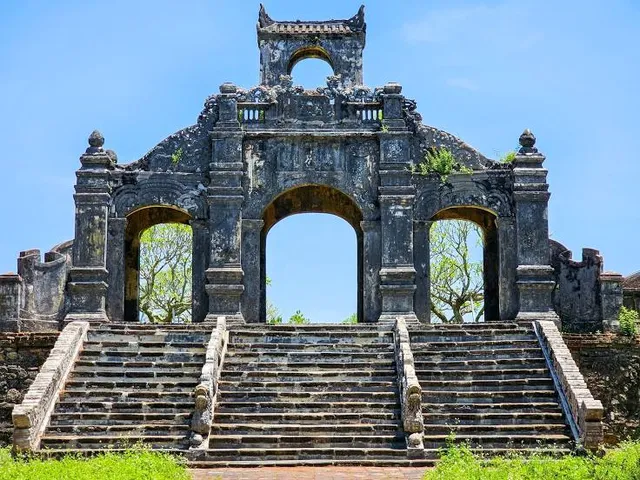
Đại Thành Môn, Văn Thánh Huế Khi còn nguyên vẹn, nơi đây có gần 20 công trình lớn như: Văn Miếu (điện thờ), Đông vu, Tây vu, Thần trù, Thần khố, Hữu Văn Đường, Duỵ Lễ Đường, nhà Thổ Công, Đại Thành Môn, Văn Miếu Môn, quan Đức Môn, Linh Tinh Môn, la thành, bến vua ngự...

Từ Đại Thành Môn nhìn vào phía trong, ngay chính giữa có ngôi đại điện thờ Khổng Tử gọi là Đại Thành Điện. Đây là kiến trúc trọng yếu của Văn Miếu, toàn bộ được dựng trên một nền cao, dài chừng 32m, rộng 25m. Cấu trúc của ngôi đại điện theo lối trùng thiềm điệp ốc truyền thống của Huế. Ở hai bên trước điện Đại Thành, dựng hai ngôi nhà đối diện nhau là Đông Vu và Tây Vu đều bảy gian.

Trước sân miếu, có hai nhà bia, bên phải có tấm bia khắc bài văn bia "Thánh Tổ Nhân Hoàng đế dụ: Cung giám bất đắc liệt tấn thân" (vua Minh Mạng dụ về việc Thái giám không được liệt vào hạng quan lại); bia ở nhà bia bên trái khắc bài văn bia "Hiến Tổ Chương Hoàng đế dụ: Ngoại thích bất đắc thân chính" (vua Thiệu Trị dụ về việc bà con bên ngoại của vua không được tham gia chính quyền). Phía ngoài cổng Đại Thành, bên trái có Hữu Văn Đường; bên phải xây Duỵ Lễ Đường. Đây là những ngôi nhà kiểu một gian hai chái dùng để vua quan nghỉ chân sửa soạn lễ phục trước khi vào tế ở miếu. Phía trước là hai dãy gồm 32 tấm bia, khắc tên 293 vị Tiến sĩ triều Nguyễn, bắt đầu từ khoa thi đầu tiên năm Minh Mạng thứ 3 (1822) đến khoa thi cuối cùng vào năm Khải Định thứ 4 (1919).

Trước cổng Văn Miếu, gần bờ sông có cửa Linh Tinh Môn gồm bốn trụ xây bằng gạch, phần trên trang trí pháp lam. Tấm biển ở giữa phía trước có đề bốn chữ Hán lớn "Đạo Tại Lưỡng Gian" (đạo giữa trời đất); mặt sau đề bốn chữ Hán tương đương "Trác Việt Thiên Cổ" (vượt cao ngàn xưa). Hai bên khu vực trước cổng Văn Miếu có tấm bia...

   Read more

avatar
4.0
4y

The remaining of the complex consists of about 50 architectural works, the biggest of which is the worshiping hall of Confucius.

Outside at the main gate of the Temple, by the riverside, there are four tall and majestic pillars. There are a large sign hung high above, with the words “Dao Tai Luong Gian” (The principles in the world) and “Trac Viet Thien Co” (Higher than ever before) written. After going past the gate, we would see several small houses where kings and mandarins would stop by to prepare their outfits before going inside to attend the ceremony. At the front there are two rows of 32 preserved steles bearing the names of 239 successful candidates in National Examinations organized through the Nguyen Dynasty. Although the monument has been damaged during the war as French troops once used it as barrack, main temple and especially the steles still remain.

You can see a unique symbol of Vietnam educational system during the feudal times. The construction of the temple as well as the placement of the doctors' steles shows everlasting respect to the country’s talented people and invaluable traditions of culture...

   Read more
Page 1 of 7
Previous
Next