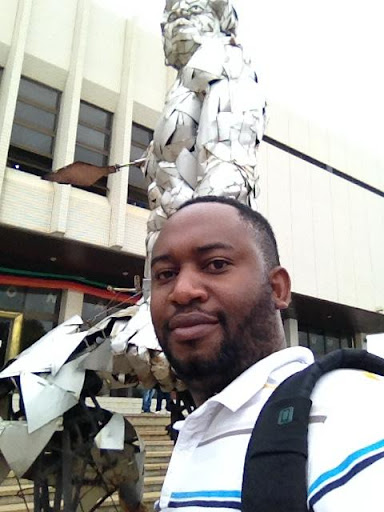
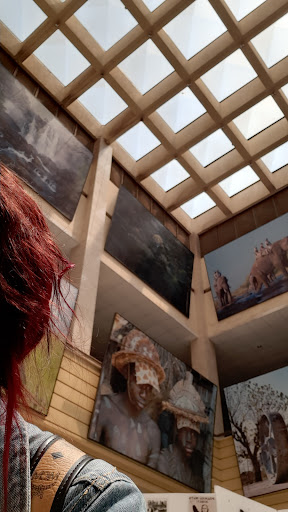
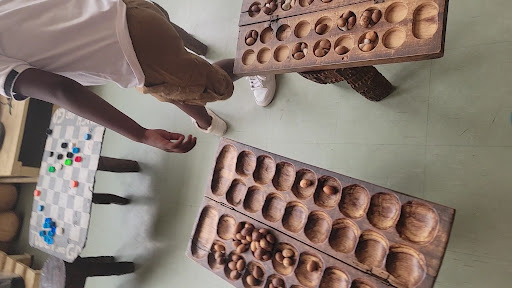
Lusaka National Museum things to do, attractions, restaurants, events info and trip planning
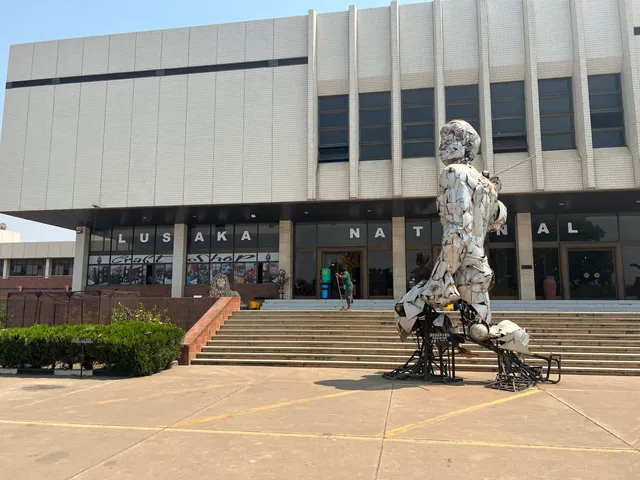
Basic Info
Lusaka National Museum
Independence Ave, Lusaka, Zambia
4.3(342)
Closed
Save
spot
spot
Ratings & Description
Info
The Lusaka National Museum is a museum located in Lusaka, Zambia, covering the history and culture of the nation.
Cultural
Family friendly
Accessibility
attractions: National Heritage Conservation Commission HQ, restaurants: Hungry Lion Intercity, Steers, Hungry Lion Cairo Mall, Zubies, DREAMLINER BAKERY (HALAL), Club Venom /chill and chat, Food kingdom restaurant, Lemon Green Restaurant & sports Cafe-Downtown, Coffeetalk Restaurant & Cafe Zambia, Hungry Lion Downtown Shopping Complex, local businesses: Safiques Trading, Sarah's Kitchen, Mr B's, Regional Trade Village, Kamwala Market
 Learn more insights from Wanderboat AI.
Phone
+260 97 7760293
Website
facebook.com
Open hoursSee all hours
Fri9 AM - 4:30 PMClosed
Plan your stay

Pet-friendly Hotels in Lusaka Province
Find a cozy hotel nearby and make it a full experience.

Affordable Hotels in Lusaka Province
Find a cozy hotel nearby and make it a full experience.

The Coolest Hotels You Haven't Heard Of (Yet)
Find a cozy hotel nearby and make it a full experience.

Trending Stays Worth the Hype in Lusaka Province
Find a cozy hotel nearby and make it a full experience.
Reviews
Nearby attractions of Lusaka National Museum
National Heritage Conservation Commission HQ
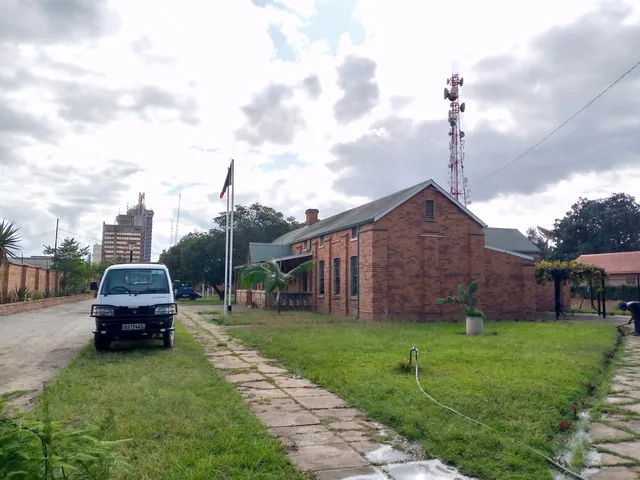
National Heritage Conservation Commission HQ
4.1
(51)
Open until 6:00 PM
Click for details
Nearby restaurants of Lusaka National Museum
Hungry Lion Intercity
Steers
Hungry Lion Cairo Mall
Zubies
DREAMLINER BAKERY (HALAL)
Club Venom /chill and chat
Food kingdom restaurant
Lemon Green Restaurant & sports Cafe-Downtown
Coffeetalk Restaurant & Cafe Zambia
Hungry Lion Downtown Shopping Complex
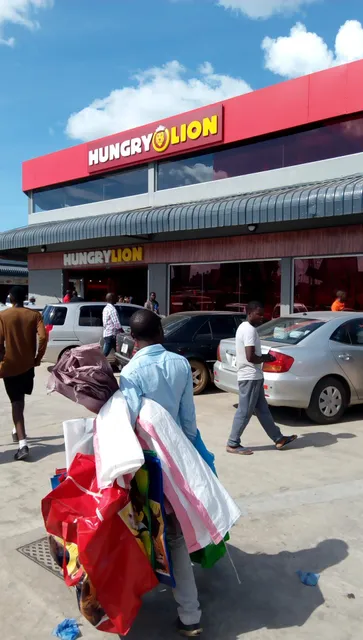
Hungry Lion Intercity
3.9
(515)
$$
Open until 9:00 PM
Click for details

Steers
4.9
(233)
Closed
Click for details
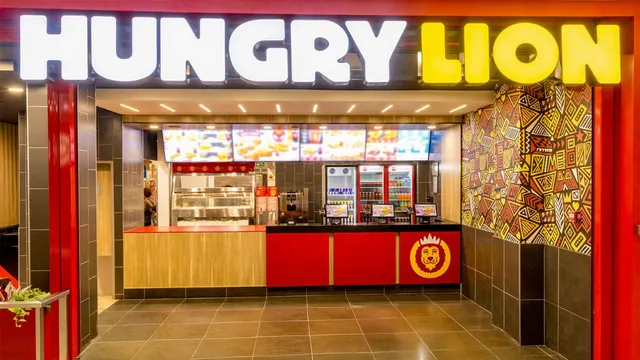
Hungry Lion Cairo Mall
3.8
(230)
$$
Closed
Click for details
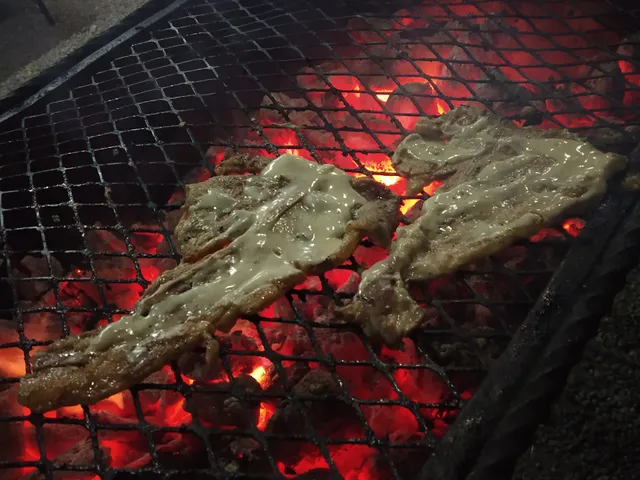
Zubies
4.1
(59)
Open until 12:00 AM
Click for details
Nearby local services of Lusaka National Museum
Safiques Trading
Sarah's Kitchen
Mr B's
Regional Trade Village
Kamwala Market
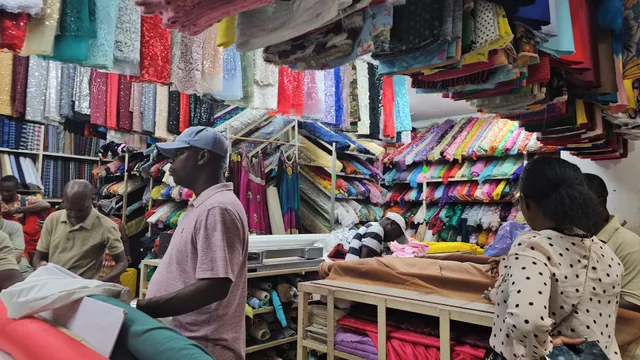
Safiques Trading
4.1
(303)
Click for details
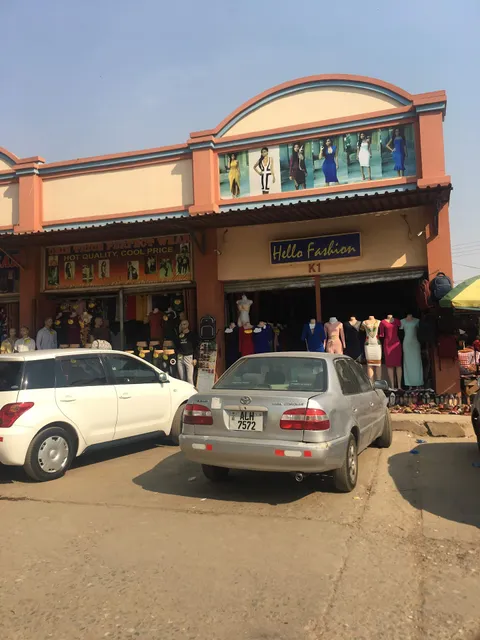
Sarah's Kitchen
3.9
(452)
Click for details
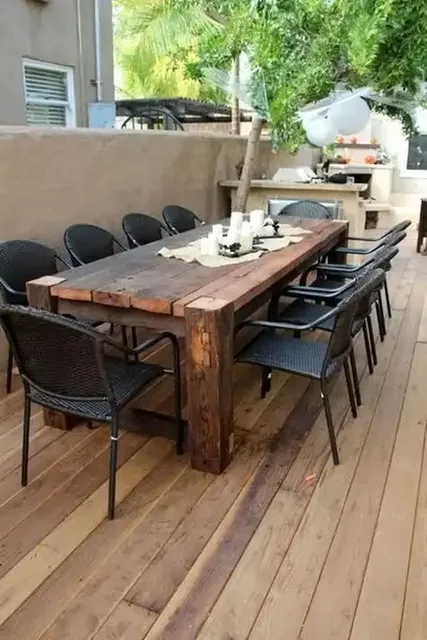
Mr B's
4.2
(124)
Click for details

Regional Trade Village
4.3
(37)
Click for details