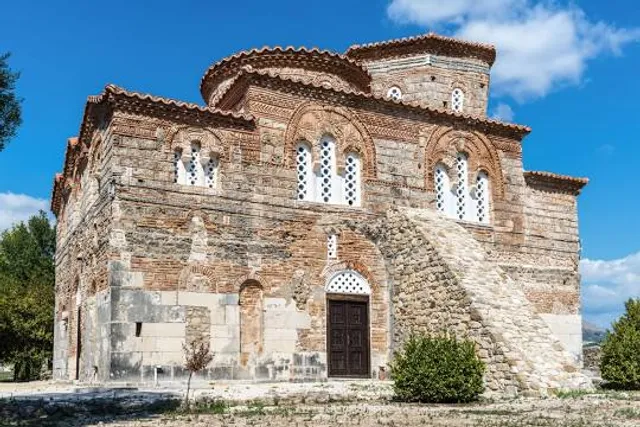
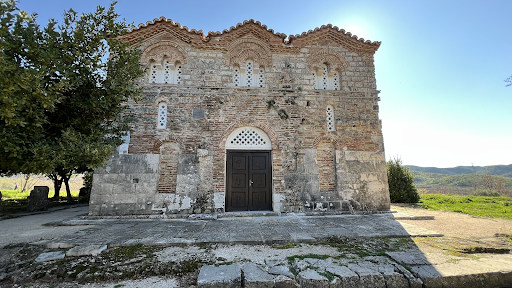
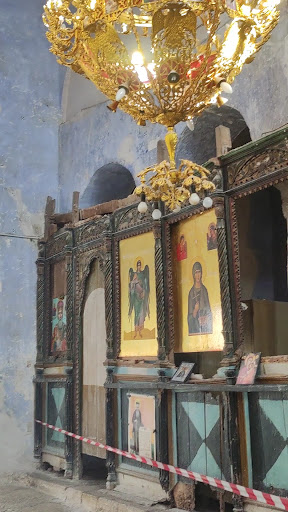
St. Nicholas Church (Shën Kolli) in Mesopotam, Albania, is an extraordinary site with a rich history and several intriguing features. Here are some of the most interesting facts:
Byzantine Architecture: The church was originally built in the 13th century during the Byzantine era and is a prime example of Byzantine architecture in Albania. Its layout and design resemble that of many Orthodox churches from this period.
Monastery Origins: It was once part of a larger monastery complex. Although much of the monastery has disappeared over the centuries, the church remains a significant landmark.
Fortified Structure: Unusually, the church has fortress-like walls, which served as protection against potential invaders during medieval times. This dual function of a religious and defensive structure makes it stand out.
Intricate Frescoes: Inside, the church houses remnants of beautiful frescoes, many of which date back to its original construction. These frescoes are representative of Byzantine religious art, with depictions of saints and biblical scenes.
Restoration by Ali Pasha: In the early 19th century, the famous Albanian ruler Ali Pasha of Tepelena is said to have restored the church. Ali Pasha was known for his efforts to preserve historic religious structures, even though he was a Muslim ruler.
Iconography and Religious Importance: St. Nicholas Church has been an important religious site for Orthodox Christians in the region, with its dedication to St. Nicholas, the patron saint of sailors and travelers, adding to its spiritual significance.
Cultural Heritage Site: It is listed as a Cultural Monument in Albania, which highlights its historical and architectural importance.
These elements make St. Nicholas Church in Mesopotam a fascinating blend of religion, art,...
Read moreWe visited this monastery as part of our day trip around Sarande neighboring towns. What I found absolutely fascinating is that historically, this monastery provided both Catholic and Orthodox rites. How often do you find that? A place that served two different Christian traditions! It speaks volumes about the historical tolerance and cultural mix that existed in Albania. It’s a proper testament to how different communities can coexist.
Then, as history would have it, when the Ottoman empire colonised the country, this place was converted into a mosque. To think, prayers from completely different faiths have echoed within the same building across the centuries. It's a stark reminder of the ever-changing landscape of history and belief.
Now, fair warning, the monastery is a bit... well, let's say it's showing its age. But that’s part of its appeal, in a way. It's a tangible piece of history, worn down by time and the elements. However, just like many things in Albania, this place is thankfully in the process of restoration. It's wonderful to see that efforts are being made to preserve this important part of Albania's cultural heritage. Hopefully, in the future, it will be restored to its former glory, but for now, its rugged charm is undeniably captivating.
It's a reminder of the resilience of Albanian culture and its determination to preserve its history for future generations. Seeing the restoration work in progress gave us a real sense of hope and optimism. If you're looking for a polished, pristine tourist attraction, this might not be for you. But if you're interested in history, culture, and a bit of off-the-beaten-path exploration, then I highly recommend a visit to the Monastery of...
Read more⭐⭐⭐⭐⭐ A Timeless Gem of History and Serenity!
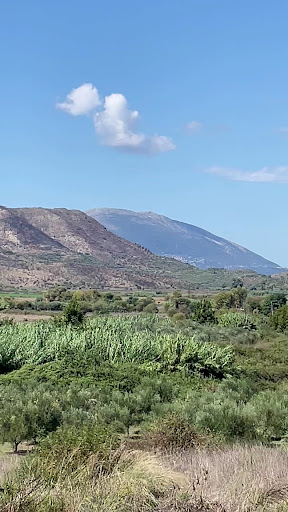
Visiting the Monastery of Saint Nicholas in Mesopotam was an unforgettable journey into Albania’s rich spiritual and cultural past. This 13th-century Byzantine marvel, nestled amid breathtaking landscapes, is a hidden treasure that deserves every traveler’s attention.
The monastery’s architecture is awe-inspiring—its intricate stone carvings, including mythological creatures etched into the walls, spark the imagination and whisper stories of its ancient origins. Inside, fragments of centuries-old frescoes peek through weathered plaster, offering glimpses of vibrant religious art, some bearing scars from the communist era. The weathered woodwork and steel bands reinforcing the walls add to its hauntingly beautiful character, a testament to its resilience through time.
Surrounded by a tranquil garden with ancient trees and a quiet cemetery just beyond the walls, the atmosphere here is deeply peaceful. Though undergoing restoration (which is wonderful to see!), the site retains an authentic, untouched charm. We were lucky to explore the church almost entirely alone, savouring its spiritual ambiance without distraction.
Best of all? This experience is completely free and requires no detour—just a short stop near Sarandë. Whether you’re a history buff, architecture lover, or simply seeking a moment of quiet reflection, this monastery will leave a lasting impression. Don’t miss it—this sacred place is a fragile yet enduring piece of Albania’s soul, and visiting feels like stepping into a living museum. A...
Read more