Fo Guang Shan Chung Tian Temple things to do, attractions, restaurants, events info and trip planning
Basic Info
Fo Guang Shan Chung Tian Temple
1034 Underwood Rd, Priestdale QLD 4127, Australia
4.8(222)
Open until 4:30 PM
Save
spot
spot
Ratings & Description
Info
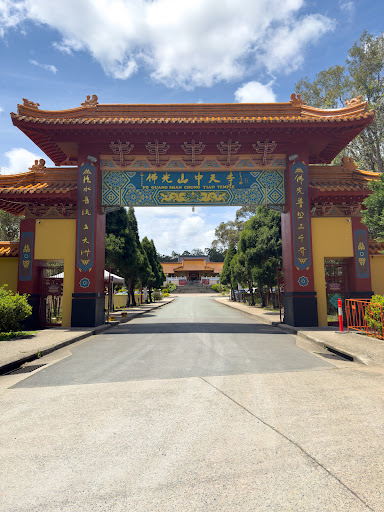
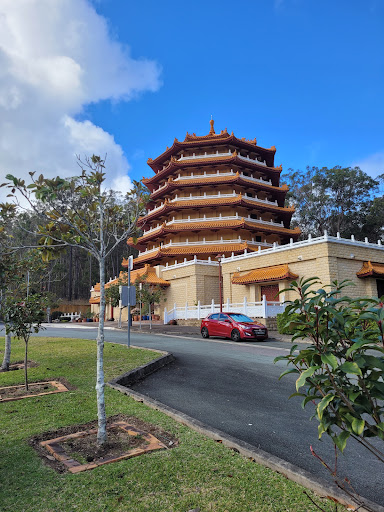
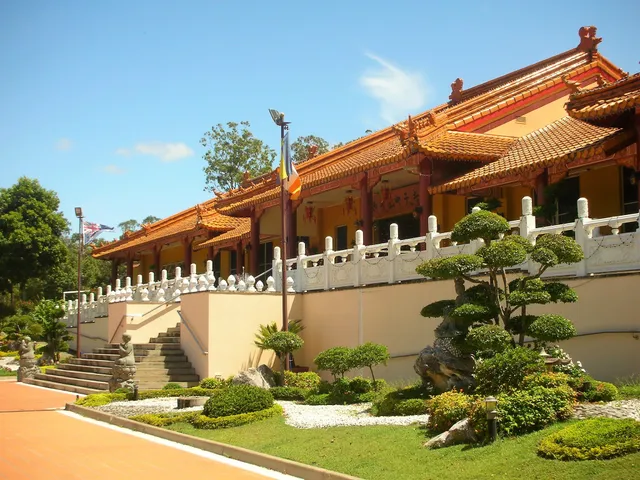
Chung Tian Temple is a Chan Buddhist temple located at 1034 Underwood Road, Priestdale, Queensland. The temple is part of the Fo Guang Shan Buddhist monastic order. Construction of the temple began in January 1991 and it opened in June 1993.
Cultural
Relaxation
Scenic
Family friendly
Accessibility
attractions: Underwood Park Priestdale, Underwood Skatepark, Funderwood Hollow, restaurants: Water drop teahouse, chung tian temple, local businesses:
 Learn more insights from Wanderboat AI.
Phone
+61 7 3841 3511
Website
fgschungtian.org.au
Open hoursSee all hours
Sun9 AM - 4:30 PMOpen
Plan your stay

Pet-friendly Hotels in Logan City
Find a cozy hotel nearby and make it a full experience.

Affordable Hotels in Logan City
Find a cozy hotel nearby and make it a full experience.

The Coolest Hotels You Haven't Heard Of (Yet)
Find a cozy hotel nearby and make it a full experience.

Trending Stays Worth the Hype in Logan City
Find a cozy hotel nearby and make it a full experience.
Reviews
Live events

Dopamine Land: A Multisensory Experience
Sun, Feb 15 • 4:00 PM
91 Queen Street, Brisbane City, 4000
View details
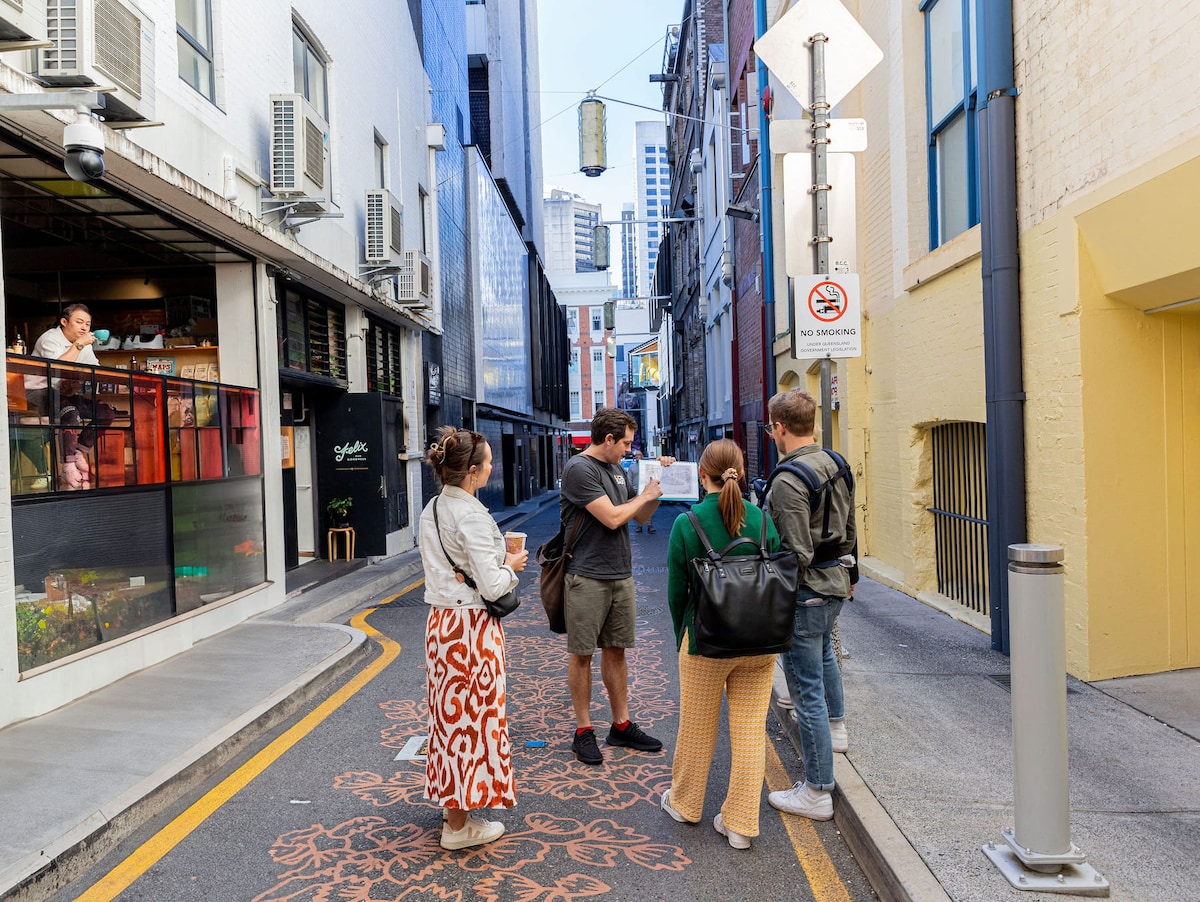
Ultimate Brisbane Walking Tour
Mon, Feb 16 • 11:00 AM
Brisbane City, Queensland, 4000, Australia
View details
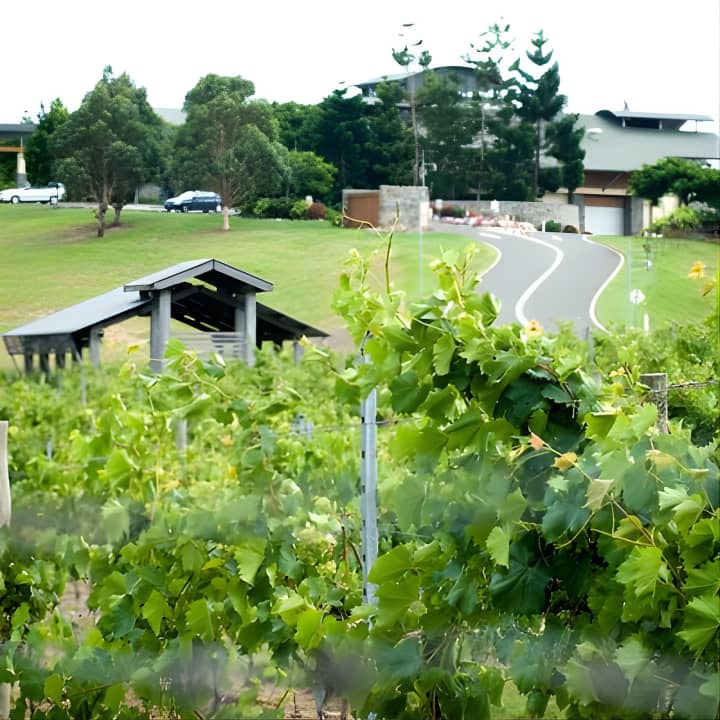
Sirromet Winery Tour and Taste and 2 Course Lunch
Tue, Feb 17 • 12:00 PM
Mount Cotton, 4165
View details
Nearby attractions of Fo Guang Shan Chung Tian Temple
Underwood Park Priestdale
Underwood Skatepark
Funderwood Hollow

Underwood Park Priestdale
4.6
(958)
Open until 9:00 PM
Click for details
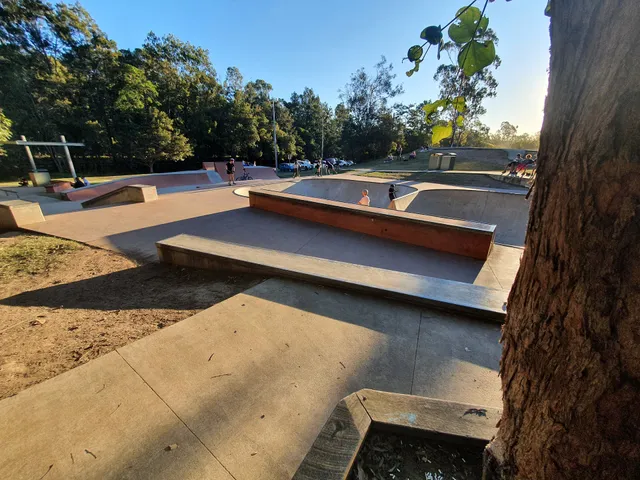
Underwood Skatepark
4.5
(56)
Open until 12:00 AM
Click for details
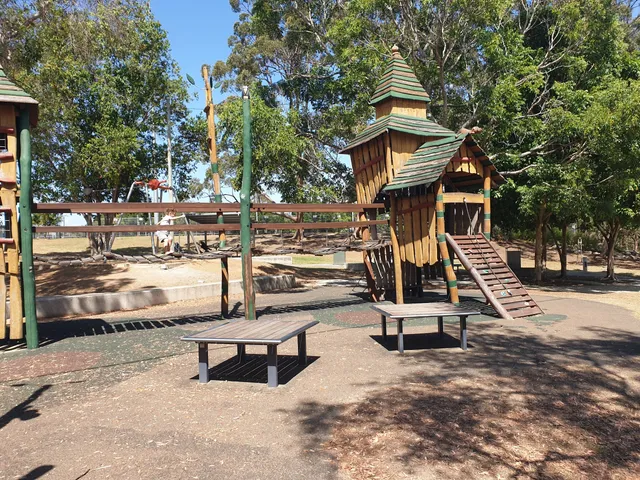
Funderwood Hollow
4.6
(12)
Open until 9:00 PM
Click for details
Nearby restaurants of Fo Guang Shan Chung Tian Temple
Water drop teahouse, chung tian temple
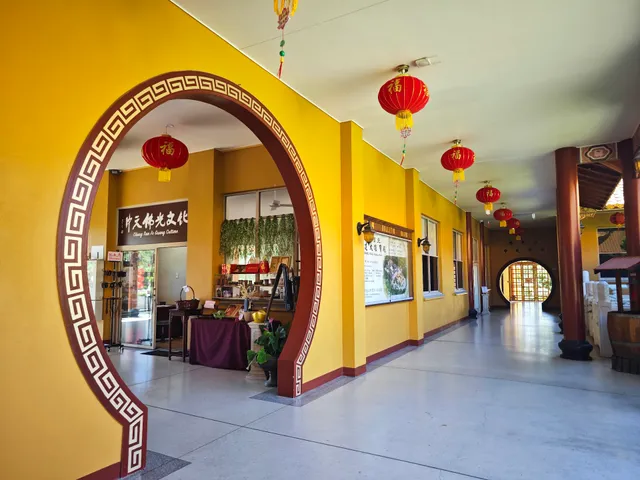
Water drop teahouse, chung tian temple
4.7
(26)
$
Closed
Click for details