HTML SitemapExplore

Lalmai Pahar — Local services in Chattogram Division

Name
Lalmai Pahar
Description
Nearby attractions
Nearby restaurants
Nearby local services
Itakhola Mura
C4QH+GPH, Kotbari, Bangladesh
Nearby hotels
Related posts
Keywords
Lalmai Pahar tourism.Lalmai Pahar hotels.Lalmai Pahar bed and breakfast. flights to Lalmai Pahar.Lalmai Pahar attractions.Lalmai Pahar restaurants.Lalmai Pahar local services.Lalmai Pahar travel.Lalmai Pahar travel guide.Lalmai Pahar travel blog.Lalmai Pahar pictures.Lalmai Pahar photos.Lalmai Pahar travel tips.Lalmai Pahar maps.Lalmai Pahar things to do.
Lalmai Pahar things to do, attractions, restaurants, events info and trip planning
Lalmai Pahar
BangladeshChattogram DivisionLalmai Pahar

Basic Info

Lalmai Pahar

Bangladesh
4.3(274)
Save
spot

Ratings & Description

Info

Outdoor
Scenic
attractions: , restaurants: , local businesses: Itakhola Mura
logoLearn more insights from Wanderboat AI.

Plan your stay

hotel
Pet-friendly Hotels in Chattogram Division
Find a cozy hotel nearby and make it a full experience.
hotel
Affordable Hotels in Chattogram Division
Find a cozy hotel nearby and make it a full experience.
hotel
The Coolest Hotels You Haven't Heard Of (Yet)
Find a cozy hotel nearby and make it a full experience.
hotel
Trending Stays Worth the Hype in Chattogram Division
Find a cozy hotel nearby and make it a full experience.

Reviews

Nearby local services of Lalmai Pahar

Itakhola Mura

Itakhola Mura

Itakhola Mura

4.4

(315)

Click for details
Get the Appoverlay
Get the AppOne tap to find yournext favorite spots!
Wanderboat LogoWanderboat

Your everyday Al companion for getaway ideas

CompanyAbout Us
InformationAI Trip PlannerSitemap
SocialXInstagramTiktokLinkedin
LegalTerms of ServicePrivacy Policy

Get the app

Š 2025 Wanderboat. All rights reserved.

Posts

Tanim Aziz AawviTanim Aziz Aawvi
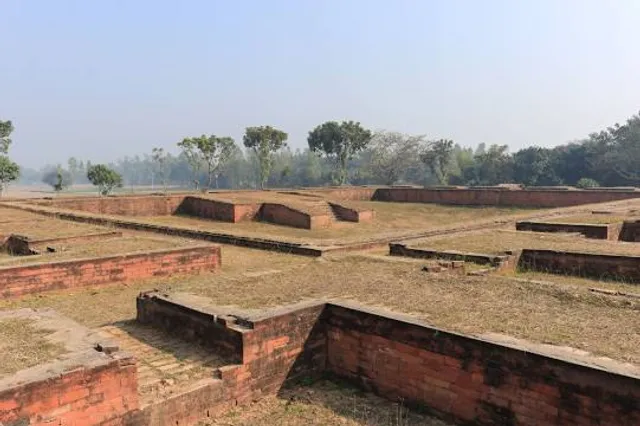
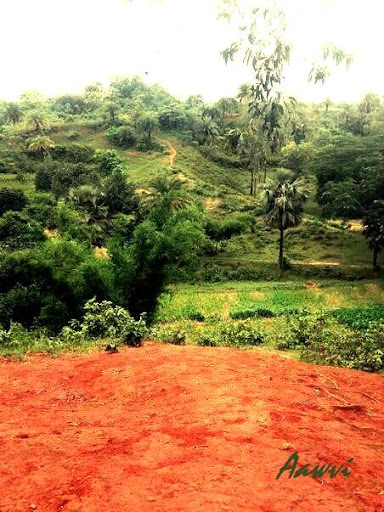
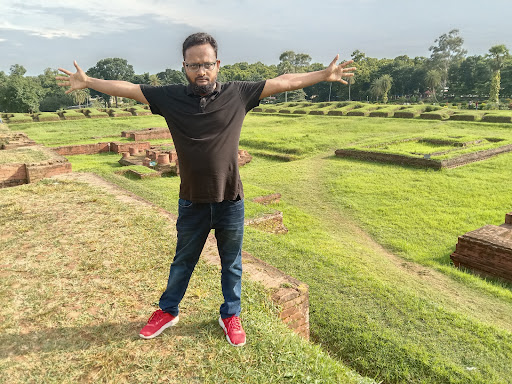
Lalmai Hills: Lalmai Hills (Lalmai Pahar) is an isolated mountain range located in Sadar Dakshin Upazila of Comilla District, Bangladesh. It is estimated that the mountain was formed about 2.5 million years ago during the Pleistocene epoch. As such, it is contemporary with the Barendrabhoomi of Bangladesh and the Madhupur and Bhawal Garhs. The Lalmai Hills, also known as the Lalmai-Mainamati hill range, is an elongated low hill range approximately 17 kilometers (10.6 miles) long and 1-2.4 kilometers (0.6-1.5 miles) wide. It extends from north to south and is located about 8 kilometers (5 miles) west of Comilla city. The northern end is at Ranir Bungalow, while the southern end is at Chandimura. The average elevation is around 22 meters (72 feet) above sea level, with some peaks reaching over 45 meters (148 feet) The northern extremity of the hill ranges is at Ranir Bungalow whereas the southern extremity ends at Chandimura. The northern part of the hill range is locally known as Mainamati, while the southern part is known as Lalmai. The name Lalmai is probably derived from red soil or from the Lalambi forest (well known for medicinal herbs), close to devaparvata, the capital of the Devas of Samatat, was somewhere in the Mainamati hill. It is also said that a king had two daughters. One daughter's name was Lalmati and the other daughter's name was Mainamati. The Lalmai and Mainamati hills have been named after them. The soil of Lalmai Hill is red in color, which is why it is called Lalmai Hill. There is a story about Lalmai Hill in Comilla. When Rama and Ravana fought, Rama's younger brother Lakshman was seriously injured. As per the doctor's instructions, the juice of the leaves of the Vaishalyakarani tree was applied to the wound. According to the doctor, applying the juice of the Vaishalyakarani tree would cure the disease. So Hanuman set off for the Himalayas to bring the Vaishalyakarani tree. However, since Hanuman could not recognize the Vaishalyakarani tree, he lifted the entire Himalayas along with the tree. After the treatment was completed, Hanuman set off to put the mountain in its rightful place. But on the way, some part of the mountain fell into the Lamalam Sea in Comilla. Since then, this place has been known as Lalmai.
Romiz uddin omeRomiz uddin ome
Lalmai hill is a part of historical place in Cumilla District. It is very near to Cumilla Cadet.
kawsar hamidkawsar hamid
Lalmai hill is a part of historical place in Cumilla District. I visit here many times.
See more posts
See more posts
hotel
Find your stay

Pet-friendly Hotels in Chattogram Division

Find a cozy hotel nearby and make it a full experience.

Lalmai Hills: Lalmai Hills (Lalmai Pahar) is an isolated mountain range located in Sadar Dakshin Upazila of Comilla District, Bangladesh. It is estimated that the mountain was formed about 2.5 million years ago during the Pleistocene epoch. As such, it is contemporary with the Barendrabhoomi of Bangladesh and the Madhupur and Bhawal Garhs. The Lalmai Hills, also known as the Lalmai-Mainamati hill range, is an elongated low hill range approximately 17 kilometers (10.6 miles) long and 1-2.4 kilometers (0.6-1.5 miles) wide. It extends from north to south and is located about 8 kilometers (5 miles) west of Comilla city. The northern end is at Ranir Bungalow, while the southern end is at Chandimura. The average elevation is around 22 meters (72 feet) above sea level, with some peaks reaching over 45 meters (148 feet) The northern extremity of the hill ranges is at Ranir Bungalow whereas the southern extremity ends at Chandimura. The northern part of the hill range is locally known as Mainamati, while the southern part is known as Lalmai. The name Lalmai is probably derived from red soil or from the Lalambi forest (well known for medicinal herbs), close to devaparvata, the capital of the Devas of Samatat, was somewhere in the Mainamati hill. It is also said that a king had two daughters. One daughter's name was Lalmati and the other daughter's name was Mainamati. The Lalmai and Mainamati hills have been named after them. The soil of Lalmai Hill is red in color, which is why it is called Lalmai Hill. There is a story about Lalmai Hill in Comilla. When Rama and Ravana fought, Rama's younger brother Lakshman was seriously injured. As per the doctor's instructions, the juice of the leaves of the Vaishalyakarani tree was applied to the wound. According to the doctor, applying the juice of the Vaishalyakarani tree would cure the disease. So Hanuman set off for the Himalayas to bring the Vaishalyakarani tree. However, since Hanuman could not recognize the Vaishalyakarani tree, he lifted the entire Himalayas along with the tree. After the treatment was completed, Hanuman set off to put the mountain in its rightful place. But on the way, some part of the mountain fell into the Lamalam Sea in Comilla. Since then, this place has been known as Lalmai.
Tanim Aziz Aawvi

Tanim Aziz Aawvi

hotel
Find your stay

Affordable Hotels in Chattogram Division

Find a cozy hotel nearby and make it a full experience.

Get the Appoverlay
Get the AppOne tap to find yournext favorite spots!
Lalmai hill is a part of historical place in Cumilla District. It is very near to Cumilla Cadet.
Romiz uddin ome

Romiz uddin ome

hotel
Find your stay

The Coolest Hotels You Haven't Heard Of (Yet)

Find a cozy hotel nearby and make it a full experience.

hotel
Find your stay

Trending Stays Worth the Hype in Chattogram Division

Find a cozy hotel nearby and make it a full experience.

Lalmai hill is a part of historical place in Cumilla District. I visit here many times.
kawsar hamid

kawsar hamid

See more posts
See more posts

Reviews of Lalmai Pahar

4.3
(274)
avatar
3.0
31w

Lalmai Hills: Lalmai Hills (Lalmai Pahar) is an isolated mountain range located in Sadar Dakshin Upazila of Comilla District, Bangladesh. It is estimated that the mountain was formed about 2.5 million years ago during the Pleistocene epoch. As such, it is contemporary with the Barendrabhoomi of Bangladesh and the Madhupur and Bhawal Garhs.

The Lalmai Hills, also known as the Lalmai-Mainamati hill range, is an elongated low hill range approximately 17 kilometers (10.6 miles) long and 1-2.4 kilometers (0.6-1.5 miles) wide. It extends from north to south and is located about 8 kilometers (5 miles) west of Comilla city. The northern end is at Ranir Bungalow, while the southern end is at Chandimura. The average elevation is around 22 meters (72 feet) above sea level, with some peaks reaching over 45 meters (148 feet)

The northern extremity of the hill ranges is at Ranir Bungalow whereas the southern extremity ends at Chandimura. The northern part of the hill range is locally known as Mainamati, while the southern part is known as Lalmai. The name Lalmai is probably derived from red soil or from the Lalambi forest (well known for medicinal herbs), close to devaparvata, the capital of the Devas of Samatat, was somewhere in the Mainamati hill.

It is also said that a king had two daughters. One daughter's name was Lalmati and the other daughter's name was Mainamati. The Lalmai and Mainamati hills have been named after them.

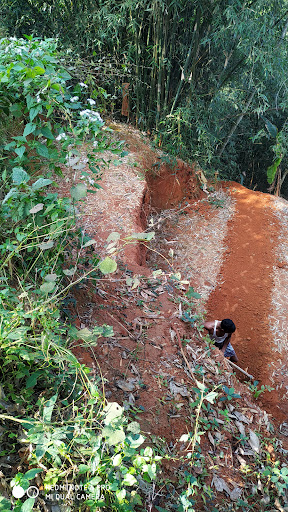
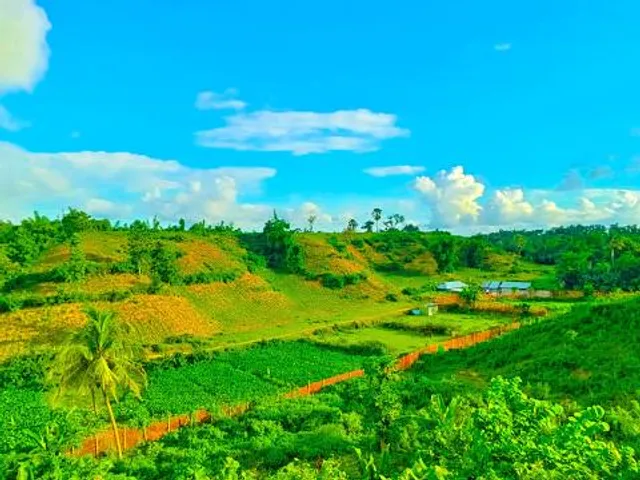
The soil of Lalmai Hill is red in color, which is why it is called Lalmai Hill.

There is a story about Lalmai Hill in Comilla. When Rama and Ravana fought, Rama's younger brother Lakshman was seriously injured. As per the doctor's instructions, the juice of the leaves of the Vaishalyakarani tree was applied to the wound. According to the doctor, applying the juice of the Vaishalyakarani tree would cure the disease. So Hanuman set off for the Himalayas to bring the Vaishalyakarani tree. However, since Hanuman could not recognize the Vaishalyakarani tree, he lifted the entire Himalayas along with the tree. After the treatment was completed, Hanuman set off to put the mountain in its rightful place. But on the way, some part of the mountain fell into the Lamalam Sea in Comilla. Since then, this place has been...

   Read more

avatar
4.0
6y

āϕ⧁āĻŽāĻŋāĻ˛ā§āϞāĻžāϰ āϐāϤāĻŋāĻšā§āϝ āϞāĻžāϞāĻŽāĻžāχ āĻĒāĻžāĻšāĻžā§œ āĻĒā§āϰāĻŋāĻ¨ā§āϟ āϏāĻ‚āĻ¸ā§āĻ•āϰāĻŖāĨĨāĻšāĻžāϏāĻžāύ āφāϰāĻŋāĻĢ | ā§§ā§­:⧧⧍, āĻāĻĒā§āϰāĻŋāϞ ā§Ļā§Ē, ⧍ā§Ļ⧧⧝ AddThis Sharing Buttons Share to FacebookShare to Twitter

āϕ⧁āĻŽāĻŋāĻ˛ā§āϞāĻžāϰ āϐāϤāĻŋāĻšā§āϝ āĻ“ āĻĒā§āϰāĻžāĻ•ā§ƒāϤāĻŋāĻ• āϏ⧌āĻ¨ā§āĻĻāĻ°ā§āϝ⧇āϰ āĻĒā§āϰāϤ⧀āĻ• āϞāĻžāϞāĻŽāĻžāχ āĻĒāĻžāĻšāĻžā§œāĨ¤ āϕ⧁āĻŽāĻŋāĻ˛ā§āϞāĻž āϏāĻĻāϰ, āϏāĻĻāϰ āĻĻāĻ•ā§āώāĻŋāĻŖ āĻ“ āĻŦāϰ⧁⧜āĻž āωāĻĒāĻœā§‡āϞāĻž āĻœā§ā§œā§‡ āĻāχ āϞāĻžāϞāĻŽāĻžāχ āĻĒāĻžāĻšāĻžā§œāϟāĻŋ āĻ…āĻŦāĻ¸ā§āĻĨāĻŋāϤāĨ¤ āĻāϟāĻŋ āωāĻ¤ā§āϤāϰ-āĻĻāĻ•ā§āώāĻŋāϪ⧇ ā§§ā§§ āĻŽāĻžāχāϞ āϞāĻŽā§āĻŦāĻž āĻāĻŦāĻ‚ āĻĒā§‚āĻ°ā§āĻŦ-āĻĒāĻļā§āϚāĻŋāĻŽā§‡ ⧍ āĻŽāĻžāχāϞ āϚāĻ“ā§œāĻžāĨ¤ āĻ āĻĒāĻžāĻšāĻžā§œā§‡āϰ āĻŽāĻžāϟāĻŋ āϞāĻžāϞ āĻšāĻ“ā§ŸāĻžā§Ÿ āĻāϰ āύāĻžāĻŽ āϞāĻžāϞāĻŽāĻžāχāĨ¤ āĻ āĻĒāĻžāĻšāĻžā§œā§‡āϰ āϏāĻ°ā§āĻŦā§‹āĻšā§āϚ āωāĻšā§āϚāϤāĻž ā§Ģā§Ļ āĻĢ⧁āϟāĨ¤ āĻ•āĻĨāĻŋāϤ āφāϛ⧇, āϰāĻžāĻŽ-āϰāĻžāĻŦāϪ⧇āϰ āϝ⧁āĻĻā§āϧ⧇ āϰāĻžāĻŽā§‡āϰ āϛ⧋āϟ āĻ­āĻžāχ āϞāĻ•ā§āώāĻŖ āϗ⧁āϰ⧁āϤāϰ āφāĻšāϤ āĻšāϞ⧇ āĻŦ⧈āĻĻā§āϝ⧇āϰ āύāĻŋāĻ°ā§āĻĻ⧇āĻļ āĻ…āύ⧁āϝāĻžā§Ÿā§€ āĻŦ⧈āĻļāĻ˛ā§āϝāĻ•āϰāĻŖā§€ āĻĒāĻžāϤāĻžāϰ āϰāϏ āĻ•ā§āώāϤāĻ¸ā§āĻĨāĻžāύ⧇ āϞāĻžāĻ—āĻžāϞ⧇ āϞāĻ•ā§āώāĻŖ āĻ­āĻžāϞ⧋ āĻšā§Ÿā§‡ āϝāĻžāĻŦ⧇ āĻŦāϞāĻž āĻšā§ŸāĨ¤ āĻ•āĻŋāĻ¨ā§āϤ⧁ āĻŦ⧇āϚāĻžāϰāĻž āĻšāύ⧁āĻŽāĻžāύ āĻ—āĻžāĻ› āϚāĻŋāύāϤ⧇ āύāĻž āĻĒ⧇āϰ⧇ āĻšāĻŋāĻŽāĻžāϞ⧟ āĻĒāĻ°ā§āĻŦāϤ āĻĒ⧁āϰ⧋āϟāĻž āϤ⧁āϞ⧇ āĻšāĻžāϤ⧇ āĻ•āϰ⧇ āύāĻŋā§Ÿā§‡ āφāϏ⧇āĨ¤ āϚāĻŋāĻ•āĻŋā§ŽāϏāĻžāϰ āĻĒāϰ āφāĻŦāĻžāϰ āĻĒāĻ°ā§āĻŦāϤāϟāĻž āϝāĻĨāĻžāĻ¸ā§āĻĨāĻžāύ⧇ āύāĻŋā§Ÿā§‡ āϝ⧇āϤ⧇ āϰāĻ“ā§ŸāĻžāĻžāύāĻž āĻĻā§‡ā§Ÿ āĻšāύ⧁āĻŽāĻžāύāĨ¤ āĻ•āĻŋāĻ¨ā§āϤ⧁ āĻĒāĻĨ⧇ āĻĒāĻ°ā§āĻŦāϤ⧇āϰ āĻ•āĻŋāϛ⧁ āĻ…āĻ‚āĻļ āϭ⧇āĻ™ā§āϗ⧇ āϕ⧁āĻŽāĻŋāĻ˛ā§āϞāĻž āϏāĻ‚āϞāĻ—ā§āύ āϞāĻŽāϞāĻŽ āϏāĻžāĻ—āϰ⧇ āĻĒā§œā§‡ āϝāĻžā§ŸāĨ¤ āφāϰ āϤāĻ–āύ āĻĨ⧇āϕ⧇āχ āĻ āĻ¸ā§āĻĨāĻžāύ⧇āϰ āύāĻžāĻŽ āϰāĻžāĻ–āĻž āĻšā§Ÿ āϞāĻžāϞāĻŽāĻžāχāĨ¤ āĻāĻ›āĻžā§œāĻž āĻļā§‹āύāĻž āϝāĻžā§Ÿ āĻāĻ• āϰāĻžāϜāĻžāϰ āύāĻžāĻ•āĻŋ āĻĻ⧁āχ āĻŽā§‡ā§Ÿā§‡ āĻ›āĻŋāϞāĨ¤ āĻāĻ•āϜāύ⧇āϰ āύāĻžāĻŽ āĻ›āĻŋāϞ āϞāĻžāϞāĻŽāϤāĻŋ āĻ…āĻ¨ā§āϝāϜāύ⧇āϰ āύāĻžāĻŽ āĻŽā§ŸāύāĻžāĻŽāϤāĻŋāĨ¤ āϤāĻžāĻĻ⧇āϰ āύāĻžāĻŽāĻžāύ⧁āϏāĻžāϰ⧇āχ āύāĻžāĻ•āĻŋ āĻāχ āϞāĻžāϞāĻŽāĻžāχ āĻ“ āĻŽā§ŸāύāĻžāĻŽāϤāĻŋ āĻĒāĻžāĻšāĻžā§œā§‡āϰ āύāĻžāĻŽāĻ•āϰāĻŖ āĻ•āϰāĻž āĻšā§Ÿā§‡āϛ⧇āĨ¤āφāĻŽāĻŋ āĻ…āĻ—ā§āϰāĻ—āĻžāĻŽā§€ āύāĻžāĻŽā§‡ āĻāĻ•āϟāĻž āϏāĻ‚āĻ—āĻ āύ⧇āϰ āϏāĻžāĻĨ⧇ āϝ⧁āĻ•ā§āϤ āĻ›āĻŋāϞāĻžāĻŽāĨ¤ āĻĒā§āϰāϤāĻŋāĻˇā§āĻ āĻžāύāϟāĻŋāϰ āĻĒā§āϰāϧāĻžāύ āϰāĻžāϜ⧁ āĻ­āĻžāχāĨ¤ āφāĻŽāĻŋ āĻĒā§āϰāϤāĻŋāĻĻāĻŋāύ āύāĻžāϰāĻžā§ŸāĻŖāĻ—āĻžā§āϜ āĻĨ⧇āϕ⧇ āĻĸāĻžāĻ•āĻž āφāϏāϤāĻžāĻŽāĨ¤ āϰāĻžāϜ⧁ āĻ­āĻžāχ āϏāĻŋāĻĻā§āϧāĻ¨ā§āϤ āύāĻŋāϞ⧇āύ āϏāĻ‚āĻ—āĻ āύ⧇āϰ āϏāĻŦāĻžāχ āĻŽāĻŋāϞ⧇ āĻĒāĻŋāĻ•āύāĻŋāĻ• āĻ•āϰāĻžāĨ¤ āϟāĻŋāĻ‚āϕ⧁ āĻ­āĻžāχāϕ⧇ āĻĻāĻžā§ŸāĻŋāĻ¤ā§āĻŦ āĻĻ⧇āĻ“ā§ŸāĻž āĻšāϞ⧋ āĻ¸ā§āĻĨāĻžāύ āĻ āĻŋāĻ• āĻ•āϰāĻžāϰ āϜāĻ¨ā§āϝāĨ¤ āϤāĻŋāύāĻŋ āϕ⧁āĻŽāĻŋāĻ˛ā§āϞāĻžāϰ āĻŦāĻžāĻ°ā§āĻĄāϏāĨ¤ āϝ⧇āχ āĻ•āĻĨāĻž āϏ⧇āχ āĻ•āĻžāϜāĨ¤ āφāĻŽāϰāĻž āϏāĻŦāĻžāχ āĻāĻ•āϟāĻž āĻŦāĻžāϏ⧇ āϝāĻžāĻ¤ā§āϰ āĻļ⧁āϰ⧁ āĻ•āϰāĻŋāĨ¤ āϏāĻ•āĻžāϞ⧇āϰ āύāĻžāĻ¸ā§āϤāĻž āĻŦāĻžāϏ⧇āχ āϏāĻžāϰāĻž āĻšā§ŸāĨ¤ āĻāϰāĻĒāϰ āϚāϞ⧇ āĻ—āĻžāύ⧇āϰ āĻ†ā§Ÿā§‹āϜāύāĨ¤ āĻ•āĻŋāĻ¨ā§āϤ⧁ āĻŦāĻžāϏ⧇ āϕ⧋āύ āĻ•ā§āϝāĻžāϏ⧇āϟ āύāĻžāχāĨ¤ āϤāĻžāχ āφāĻŽāĻŋ āωāĻĻā§āϝ⧋āĻ—ā§€ āĻšā§Ÿā§‡ āϏāĻŦāĻžāϰ āĻĨ⧇āϕ⧇ āϚāĻžāĻĻāĻž āϤ⧁āϞ⧇ āĻ•ā§āϝāĻžāϏ⧇āϟ āĻ•āĻŋāύāĻŋāĨ¤ āĻ•ā§āϝāĻžāϏ⧇āϟ āĻŦāĻžāϜāĻžāϤ⧇ āĻ—āĻŋā§Ÿā§‡ āφāϰ⧇āĻ• āĻŦāĻŋāĻĒāĻ¤ā§āϤāĻŋ, āĻŦāĻžāϏ⧇āϰ āĻ•ā§āϝāĻžāϏ⧇āϟ āĻĒā§āĻ˛ā§‡ā§ŸāĻžāϰ āĻ­āĻžāϞ āύāĻžāĨ¤ āϤāĻžāχ āĻ—āĻžāύ āĻļ⧁āύāĻž āφāϰ āĻšāϞ⧋ āύāĻžāĨ¤ āύāĻŋāĻœā§‡āϰāĻžāχ āϚāĻŋāĻ˛ā§āϞāĻžāϚāĻŋāĻ˛ā§āϞāĻŋ āĻ•āϰ⧇ āϝāĻž āϏāĻŽā§āĻ­āĻŦ āϤāĻžāχ āϚāĻžāϞāĻŋā§Ÿā§‡ āύ⧇āĻ“ā§ŸāĻžāĨ¤ āφāĻŽāϰāĻž āĻĻ⧁āĻĒ⧁āϰ⧇āϰ āĻ•āĻŋāϛ⧁ āφāϗ⧇ āĻŦāĻžāĻ°ā§āĻĄā§‡āϏ⧇ āĻĒ⧌āĻ›āĻžāχāĨ¤ āĻāϰāĻĒāϰ āϝ⧇ āϝāĻžāϰ āĻŽāϤ⧋ āĻ•āϰ⧇ āĻŦāĻž āĻĻāϞ āĻŦ⧇āϧ⧇ āϘ⧁āϰ⧇ āĻŦā§‡ā§œāĻžāύ⧋āĨ¤āφāĻŽāϰāĻž āĻāχ āĻĒāĻžāĻšāĻžā§œ āĻĨ⧇āϕ⧇ āĻ“āχ āĻĒāĻžāĻšāĻžā§œā§‡ āϝāĻžāĻšā§āĻ›āĻŋāĨ¤ āϏāĻŦāĻžāϰ āύāĻžāĻŽ āφāĻŽāĻžāϰ āĻŽāύ⧇ āύāĻžāχāĨ¤ āϤāĻŦ⧇ āĻŽāĻžāϏ⧁āĻĻ āĻ“ āĻšā§‚āĻĻā§Ÿā§‡āϰ āϏāĻžāĻĨ⧇ āφāĻŽāĻžāϰ āĻāĻ–āύ⧋ āϝ⧋āĻ—āĻžāϝ⧋āĻ— āφāϛ⧇āĨ¤ āφāĻŽāϰāĻž āĻāĻ• āϏāĻžāĻĨ⧇ āϝāĻ–āύ āĻāχ āĻĒāĻžāĻšāĻžā§œ āϏ⧇āχ āĻĒāĻžāĻšāĻžā§œā§‡ āϝāĻžāĻšā§āĻ›āĻŋ, āϤāĻ–āύ āφāĻŽāĻžāĻĻ⧇āϰ āϏāĻžāĻĨ⧇ āĻĻ⧁āχ āϜāύ āĻŽā§‡ā§Ÿā§‡ āĻ›āĻŋāϞāĨ¤ āϝāĻžāϰāĻž āφāĻĒāύ āĻĻ⧁āχ āĻŦā§‹āύāĨ¤ āĻāĻ• āϏāĻŽā§Ÿ āφāĻŽāϰāĻž āĻĒāĻžāĻšāĻžā§œā§‡āϰ āϚ⧁⧜āĻžā§Ÿ āĻĻāĻžā§œāĻŋā§Ÿā§‡ āĻ—āĻ˛ā§āĻĒ āĻ•āϰāĻ›āĻŋ, āĻāĻŽāύ āϏāĻŽā§Ÿ āĻ“āχ āĻĻ⧁āχ āĻŦā§‹āύ⧇āϰ āĻāĻ• āĻŦā§‹āύ āĻšāĻžāϟāϤ⧇ āĻšāĻžāϟāϤ⧇ āύāĻŋāĻšā§‡āϰ āĻĻāĻŋāϕ⧇ āϝāĻžā§ŸāĨ¤ āφāĻŽāĻžāĻĻ⧇āϰ āϏāĻžāĻĨ⧇ āϏāĻžāĻŦā§āĻŦāĻŋāϰ āĻ›āĻŋāϞāĨ¤ āĻ“ āϤāĻ–āύ āĻ…āύ⧇āĻ• āĻ¸ā§āĻŦāĻžāĻ¸ā§āĻĨāĻŦāĻžāύ āĻāĻŦāĻ‚ āϞāĻŽā§āĻŦāĻž āĻ›āĻŋāϞāĨ¤ āĻŽā§‡ā§Ÿā§‡āϟāĻž āϝāĻ–āύ āωāĻĒāϰ⧇ āωāĻ āϤ⧇ āĻĒāĻžāϰāĻ›āĻŋāϞ āύāĻž, āϤāĻ–āύ āϤāĻžāϕ⧇ āϏāĻžāĻšāĻžāĻ¯ā§āϝ āĻ•āϰāĻžāϰ āϜāĻ¨ā§āϝ āϕ⧇āω āϝāĻžāĻšā§āϛ⧇ āύāĻžāĨ¤ āĻāĻŽāύ āĻ•āĻŋ āϏāĻžāĻŦā§āĻŦāĻŋāϰāĻ“ āύāĻžāĨ¤ āϤāĻ–āύ āφāĻŽāĻŋ āϤāĻžāϕ⧇ āϏāĻžāĻšāĻžāĻ¯ā§āϝ⧇āϰ āĻšāĻžāϤ āĻŦāĻžā§œāĻŋā§Ÿā§‡ āĻĻ⧇āχāĨ¤ āφāĻŽāĻŋ āϝāĻ–āύ āϤāĻžāϰ āĻšāĻžāϤ āϧāϰ⧇ āωāĻĒāϰ⧇ āωāϠ⧇ āφāϏāĻ›āĻŋāĨ¤ āĻĒā§āϰāĻžā§Ÿ āĻ•āĻžāĻ›āĻž āĻ•āĻžāĻ›āĻŋ āϚāϞ⧇ āφāϏāĻžāϰ āĻĒāϰ āĻŽā§‡ā§Ÿā§‡āϟāĻž āĻĒāĻž āĻĒāĻŋāĻ›āϞ⧇ āĻĒā§œā§‡ āϝāĻžā§Ÿ, āϤāĻžāϰ āϟāĻžāύ⧇ āφāĻŽāĻŋāĻ“ āĻĒā§œā§‡ āϝāĻžāχāĨ¤ āĻĻ⧁āϜāύ⧇ āĻ—ā§œāĻžāĻ—ā§œāĻŋ āĻ–ā§‡ā§Ÿā§‡ āĻĒā§āϰāĻžā§Ÿ āύāĻŋāĻšā§‡ āϚāϞ⧇ āϝāĻžāχāĨ¤ āφāĻŽāĻžāĻĻ⧇āϰ āĻāĻŽāύ āĻŦāĻŋāĻĒāĻĻ āĻĻ⧇āϖ⧇ āωāĻĒāϰ āĻĨ⧇āϕ⧇ āϏāĻŦāĻžāχ āĻŽāϜāĻž āύāĻŋāĻšā§āϛ⧇āĨ¤ āύāĻŋāĻšā§‡ āφāĻŦāĻžāϰ āĻļāĻŋ⧟āĻžāϞ⧇āϰ āĻĄāĻžāĻ• āĻļ⧁āύāĻž āϝāĻžāĻšā§āϛ⧇āĨ¤ āĻ“āχ āĻ…āĻŦāĻ¸ā§āĻĨāĻžā§Ÿ āĻĒ⧜āĻŋ āĻŽāϰāĻŋ āĻ•āϰ⧇ āφāĻŦāĻžāϰ⧋ āĻĻ⧁āϜāύ⧇ āωāĻĒāϰ⧇ āϚāϞ⧇ āφāϏāĻŋāĨ¤ āϕ⧇ āĻœā§‡āύ⧋ āĻŦāϞ⧇āĻ›āĻŋāϞ, āϏāĻŋāύ⧇āĻŽāĻžāϰ āĻĻ⧃āĻļā§āϝ āĻĻ⧇āĻ–āϞāĻžāĻŽāĨ¤āĻŦāĻžāĻ°ā§āĻĄāϏ⧇ āφāĻŽāϰāĻž āĻĻ⧁āĻĒ⧁āϰ⧇āϰ āĻ–āĻžāĻŦāĻžāϰ āĻ–āĻžāχāĨ¤ āĻāĻ–āĻžāύ⧇ āϖ⧁āĻŦāχ āϗ⧁āĻ›āĻžāύ⧋ āĻāĻŦāĻ‚ āύāĻŋ⧟āĻŽāĻ¤ā§āϰāĻžāĻ¨ā§āĻ¤ā§āϰāĻŋāĻ• āĻ­āĻžāĻŦ⧇ āĻ–āĻžāĻŦāĻžāϰ āĻĒāϰāĻŋāĻŦ⧇āĻļāύ āĻ•āϰāĻž āĻšā§ŸāĨ¤ āĻŦ⧁āĻĢ⧇ āĻ–āĻžāĻŦāĻžāϰ āύāĻŋāϤ⧇ āĻšā§ŸāĨ¤ āϜāύāĻĒā§āϰāϤāĻŋ āϝāĻž āĻŦāϰāĻžāĻĻā§āĻĻāĻ•ā§ƒāϤ āĻ–āĻžāĻŦāĻžāϰ āϝāĻĻāĻŋ āϕ⧇āω āύāĻž āĻ–āĻžā§Ÿ āĻŦāĻž āĻŦ⧇āĻļāĻŋ āĻšā§Ÿ āϤāĻžāĻšāϞ⧇ āϤāĻž āĻĢ⧇āϰāϤ āύ⧇āĻ“ā§ŸāĻž āĻšā§Ÿ āύāĻžāĨ¤ āĻ­āĻžāϞ āĻ–āĻžāĻŦāĻžāϰāĻ“ āĻĢ⧇āϞ⧇ āĻĻ⧇āĻ“ā§ŸāĻž āĻšā§ŸāĨ¤ āφāĻŽāĻŋ āĻāĻ•āϜāύ āĻŦāϞ⧇āĻ›āĻŋāϞāĻžāĻŽ, āĻ­āĻžāϞāĻ–āĻžāĻŦāĻžāϰ āĻĢ⧇āϞ⧇ āĻĻāĻŋāĻšā§āϛ⧇āύ āϕ⧇āύ⧋? āϤāĻŋāύāĻŋ āωāĻ¤ā§āϤāϰ āĻĻāĻŋā§Ÿā§‡āĻ›āĻŋāϞ⧇āύ, āĻŦāĻŋāĻ•ā§āϰāĻŋ āĻ•āϰāĻž āĻ–āĻžāĻŦāĻžāϰ āĻĢ⧇āϰāϤ āύ⧇āĻ“ā§ŸāĻž āĻšā§Ÿ āύāĻžāĨ¤āϝāĻžāχ āĻšāωāĻ•, āφāĻŽāϰāĻž āĻāĻŦāĻžāϰ āĻāĻ•āϟ⧁ āϏ⧌āĻ¨ā§āĻĻāĻ°ā§āĻ¯ā§āϝ āύāĻŋā§Ÿā§‡ āĻ•āĻĨāĻž āĻŦāϞāĻŋāĨ¤ āϞāĻžāϞāĻŽāĻžāχ āĻĒāĻžāĻšāĻžā§œā§‡āϰ āϝ⧇ āϏ⧌āĻ¨ā§āĻĻāĻ°ā§āĻ¯ā§āϝāϟāĻŋ āĻĒāĻ°ā§āϝāϟāĻ•āĻĻ⧇āϰ āφāĻ•ā§ƒāĻˇā§āϟ āĻ•āϰ⧇ āϤāĻž āĻšāϞ āĻāĻ–āĻžāύāĻ•āĻžāϰ āϞāĻžāϞ āĻŽāĻžāϟāĻŋāĨ¤ āĻāĻ›āĻžā§œāĻžāĻ“ āĻĒāĻ°ā§āĻŦāϤ⧇āϰ āϏāĻŽāĻ¸ā§āϤ āĻŽāĻžāĻĨāĻž āĻœā§ā§œā§‡ āϕ⧋āĻĨāĻžāĻ“ āϘāύ āĻ—āĻžāĻ›āĻĒāĻžāϞāĻž āϕ⧋āĻĨāĻžāĻ“ āφāĻŦāĻžāϰ āĻ¨ā§āϝāĻžā§œāĻž āĻ…āĻ‚āĻļ āϝāĻž āĻĒāĻ°ā§āϝāϟāĻ•āĻĻ⧇āϰ āφāĻ•āĻ°ā§āώāĻŖ āĻ•āϰ⧇āĨ¤ āĻāĻ›āĻžā§œāĻ“ āϞāĻžāϞāĻŽāĻžāχ āĻĒāĻžāĻšāĻžā§œā§‡ āĻ°ā§Ÿā§‡āϛ⧇ āĻ…āĻĒāĻžāϰ āϏāĻŽā§ƒāĻĻā§āϧāĻŋāϰ āĻšāĻžāϤāĻ›āĻžāύāĻŋāĨ¤ āĻŦāĻŋāĻļ⧇āώāĻœā§āĻžāĻĻ⧇āϰ āĻŽāϤ⧇, āĻŽāĻžāϟāĻŋāϰ āĻ—āĻ āύ āĻ…āύ⧁āϝāĻžā§Ÿā§€ āĻĒā§āϰāĻžāĻšā§€āύ āĻ āϜāύāĻĒāĻĻ⧇ āĻ…āύ⧁āϏāĻ¨ā§āϧāĻžāύ⧇ āĻŦ⧇āϰāĻŋā§Ÿā§‡ āφāϏāϤ⧇ āĻĒāĻžāϰ⧇ āϤ⧇āϞ āĻ—ā§āϝāĻžāϏ⧇āϰ āĻŽāϤ⧋ āĻ–āύāĻŋāϜ āϏāĻŽā§āĻĒāĻĻāĨ¤ āĻĒāĻžāĻšāĻžā§œā§‡āϰ āϕ⧋āϞ āĻ˜ā§‡āρāώ⧇ āĻļāĻžāϞāĻŦāύ āĻŦ⧌āĻĻā§āϧ āĻŦāĻŋāĻšāĻžāϰāĨ¤ āĻāĻ›āĻžā§œāĻž āĻĒāĻžāĻšāĻžā§œā§‡āϰ āĻāĻ–āĻžāύ⧇ āϏ⧇āĻ–āĻžāύ⧇ āĻ›ā§œāĻŋā§Ÿā§‡ āφāϛ⧇ āĻĒā§āϰāĻ¤ā§āύāϤāĻ¤ā§āĻ¤ā§āĻŦ āĻ“ āϐāϤāĻŋāĻšāĻžāϏāĻŋāĻ• āĻ¸ā§āĻĨāĻžāĻĒāύāĻžāĨ¤āϞāĻžāϞāĻŽāĻžāχ āĻĒāĻžāĻšāĻžā§œā§‡āϰāχ āĻāĻ•āϟāĻŋ āĻ¸ā§āĻĨāĻžāύ⧇āϰ āύāĻžāĻŽ āϏāĻžāϞāĻŽāĻžāύāĻĒ⧁āϰāĨ¤ āĻāχ āϏāĻžāϞāĻŽāĻžāύāĻĒ⧁āϰ⧇āχ ⧍ā§Ļā§Ļā§Ŧ āϏāĻžāϞ⧇ āϚāĻžāϞ⧁ āĻšā§Ÿ āϐāϤāĻŋāĻšā§āϝāĻŦāĻžāĻšā§€ āϕ⧁āĻŽāĻŋāĻ˛ā§āϞāĻž āĻŦāĻŋāĻļā§āĻŦāĻŦāĻŋāĻĻā§āϝāĻžāϞ⧟āĨ¤ āĻāĻ•āχ āĻāϞāĻžāĻ•āĻžā§Ÿ āĻĒā§āϰāϤāĻŋāĻˇā§āĻ āĻŋāϤ āĻšā§Ÿā§‡āϛ⧇ āϏāĻŋāϏāĻŋāĻāύ āĻĒāϞāĻŋāĻŸā§‡āĻ•āύāĻŋāĻ• āχāύāĻ¸ā§āϟāĻŋāϟāĻŋāωāϟāĻ“āĨ¤ āĻāĻ–āĻžāύ⧇ āĻ°ā§Ÿā§‡āϛ⧇ āĻļāĻžāϞāĻŦāύ āĻŦāĻŋāĻšāĻžāϰāĨ¤ āĻĒā§‚āĻ°ā§āĻŦ⧇ āĻāχ āĻĒā§āϰāĻ¤ā§āύāĻ¸ā§āĻĨāĻžāύāϟāĻŋ ‘āĻļāĻžāϞāĻŦāύ āϰāĻžāϜāĻžāĻŦāĻžā§œāĻŋ’ āύāĻžāĻŽā§‡ āĻĒāϰāĻŋāϚāĻŋāϤ āĻ›āĻŋāϞāĨ¤ āĻāϰ āφāϏāϞ āύāĻžāĻŽ ‘āĻ­āĻŦāĻĻ⧇āĻŦ āĻŽāĻšāĻžāĻŦāĻŋāĻšāĻžāĻ°â€™āĨ¤ āĻāχ āĻŦāĻŋāĻšāĻžāϰāϟāĻŋ āĻ–āύāύ⧇ āĻĒāĻžāĻ“ā§ŸāĻž āϗ⧇āϛ⧇ āĻŦāĻŋāĻĒ⧁āϞ āĻĒāϰāĻŋāĻŽāĻžāĻŖ āĻĒā§āϰāĻ¤ā§āύāϏāĻŽā§āĻĒāĻĻ, āϝāĻž āĻāĻ–āύ āĻŽā§ŸāύāĻžāĻŽāϤāĻŋ āϜāĻžāĻĻ⧁āϘāϰ⧇ āĻļā§‹āĻ­āĻž āĻĒāĻžāĻšā§āϛ⧇āĨ¤ āĻ°ā§Ÿā§‡āϛ⧇ āĻŽā§ŸāύāĻžāĻŽāϤāĻŋ āĻŦ⧌āĻĻā§āϧāĻŦāĻŋāĻšāĻžāϰāĨ¤ āĻāĻ–āĻžāύ⧇ āĻ…āĻˇā§āϟāĻŽ āĻļāϤāϕ⧇āϰ āĻĒ⧁āϰāĻžāϕ⧀āĻ°ā§āϤāĻŋ āĻ°ā§Ÿā§‡āϛ⧇āĨ¤ āĻāĻ–āĻžāύāĻ•āĻžāϰ āĻŦāĻŋāĻ­āĻŋāĻ¨ā§āύ āĻ¸ā§āĻĒāĻŸā§‡āϰ āĻŽāĻ§ā§āϝ⧇ āĻļāĻžāϞāĻŦāύ āĻŦāĻŋāĻšāĻžāϰ āĻ“ āĻŦ⧌āĻĻā§āϧ āĻŦāĻŋāĻšāĻžāϰ āĻ…āĻ¨ā§āϝāϤāĻŽāĨ¤ ā§Š āĻŦ⧌āĻĻā§āϧ āĻŦāĻŋāĻšāĻžāϰ āĻĨ⧇āϕ⧇ ā§Š āĻŽāĻžāχāϞ āωāĻ¤ā§āϤāϰ⧇ āĻĻ⧇āĻ–āϤ⧇ āĻĒāĻžāĻ“ā§ŸāĻž āϝāĻžā§Ÿ āϕ⧁āϟāĻŋāϞāĻžāĻŽā§ā§œāĻž āĻ“ āϰ⧂āĻĒāĻŦāĻžāύ āĻŽā§ā§œāĻžāĨ¤ āĻāϰāĻ“ āωāĻ¤ā§āϤāϰ-āĻĒāĻļā§āϚāĻŋāĻŽā§‡ āϕ⧁āĻŽāĻŋāĻ˛ā§āϞāĻž āϏ⧇āύāĻžāύāĻŋāĻŦāĻžāϏ āĻāϞāĻžāĻ•āĻžā§Ÿ āĻ…āĻŦāĻ¸ā§āĻĨāĻŋāϤ āϚāĻžāϰāĻĒāĻ¤ā§āϰ āĻŽā§ā§œāĻžāĨ¤ āĻāĻ–āĻžāύ⧇ āĻŦāύāĻŦāĻŋāĻ­āĻžāĻ— ⧍āϟāĻŋ āĻĒāĻŋāĻ•āύāĻŋāĻ• āĻ¸ā§āĻĒāϟ āϚāĻžāϞ⧁ āĻ•āϰ⧇āϛ⧇āĨ¤āĻāĻ–āĻžāύ⧇āχ āĻ°ā§Ÿā§‡āϛ⧇ āĻĻ⧃āĻˇā§āϟāĻŋāύāĻ¨ā§āĻĻāύ āĻŦāĻžāĻ‚āϞāĻžāĻĻ⧇āĻļ āĻĒāĻ˛ā§āϞ⧀ āωāĻ¨ā§āύ⧟āύ āĻāĻ•āĻžāĻĄā§‡āĻŽāĻŋ (āĻŦāĻžāĻ°ā§āĻĄ)āĨ¤ āĻŦāĻžāĻ°ā§āĻĄā§‡āϰ āĻ­āĻŋāϤāϰ⧇āϰ āύ⧟āύāĻžāĻ­āĻŋāϰāĻžāĻŽ āϰāĻžāĻ¸ā§āϤāĻž āĻĻāĻŋā§Ÿā§‡ āϏāĻžāĻŽāύ⧇ āĻāϗ⧁āϞ⧇āχ āĻĻ⧇āĻ–āϤ⧇ āĻĒāĻžāĻ“ā§ŸāĻž āϝāĻžāĻŦ⧇...

   Read more
avatar
5.0
5y

Lalmai Pahar is located in Lalmai upazila of Comilla district. It is a symbol of Comilla's heritage and natural beauty.

The length of Lalmai Pahar is 8 km and its widest part is 4.8 km. Its maximum height is 46 meters. The soil of Lalmai Pahar is red in color. Due to which it is called Lalmai Pahar.

The northern part of the hill is known as Mainamati Pahar and the southern part as...

   Read more
Page 1 of 7
Previous
Next